
Pruning
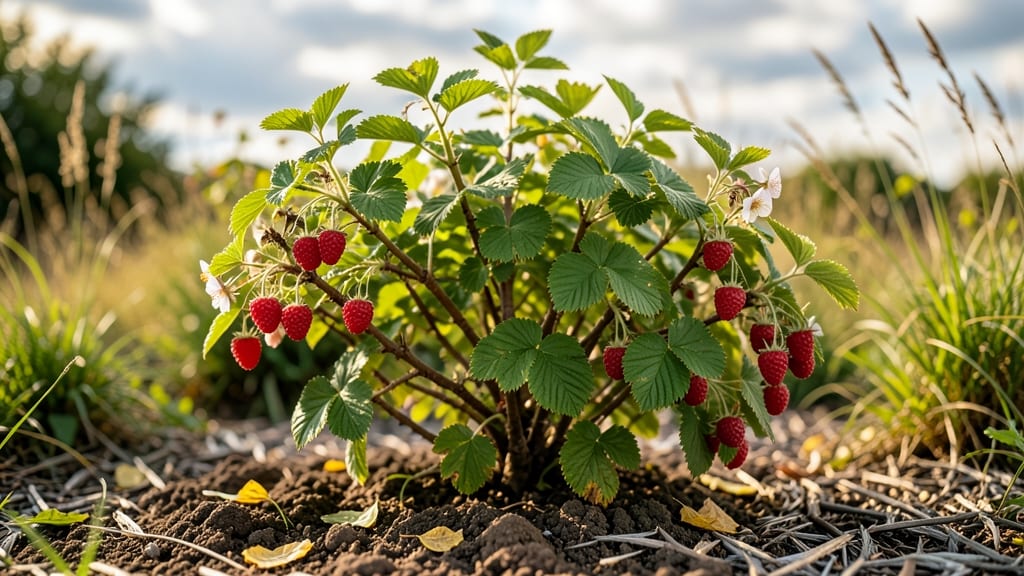
Caring for a raspberry tree means turning a tangle of canes into a year-round fruit factory—and the secret starts with how you prune. ✂️ I’ve watched my raspberries go from scraggly to prolific simply by mastering a few key cuts, and the best part?
You can do this too, even if you’ve never pruned before. The magic happens in three seasons: late winter for structural cuts, summer for maintenance, and fall for cleanup. Most gardeners overlook the summer pruning, which is where you actually boost next year’s harvest.
I’ll show you exactly which canes to keep, which to remove, and how to spot the telltale signs of a healthy plant. By the end, you’ll have a neat, productive bush that fruits reliably every season—not just once every few years.
The berries will be sweeter, the canes stronger, and you’ll spend less time wrestling with unruly growth. This works for summer-bearing and fall-bearing varieties alike, and I’ll cover the small adjustments needed for each type. Let’s get those canes in shape!
📚 In This Guide
- What you need
- Instructions
- Tips and common mistakes
- Wrapping up and next steps
What you need
- ● Pruning shears: Sharp, bypass-style shears (avoid anvil types—they crush stems). Quantity: 1 pair (or 2 if pruning large bushes).
- ● Loppers: For thicker canes (½-inch to 1-inch diameter). Quantity: 1 pair.
- ● Gloves: Heavy-duty, cut-resistant gloves (raspberry canes have thorns!). Quantity: 1 pair.
- ● Disinfectant: 70% isopropyl alcohol or a 10% bleach solution (to sterilize tools between cuts).
- ○ Pruning sealant: Optional but helpful for large cuts (e.g., tree wound pruning paste).
- ● Garden twine or stakes: For supporting canes if needed (especially for summer-bearing varieties).
- ● Mulch: Organic mulch (straw, wood chips, or compost) to retain moisture and suppress weeds. Quantity: 2–3 inches, spread evenly.
- ● Watering can or hose: With a gentle spray nozzle for post-pruning hydration.
- ● Hand pruners: For precision trimming of smaller canes.
- ● Extension pole: If your raspberry patch is tall (3–6 feet).
- ● Soil test kit: To check pH and nutrient levels (ideal range: 5.5–6.5).
- ● Fertilizer: Balanced organic fertilizer (10-10-10 or composted manure) for spring feeding.
- ● Bird netting: To protect ripe berries from pests.
Step-by-Step raspberry tree pruning for year-round growth
Here’s how to keep your raspberry trees healthy and productive through every season—no guesswork, just science-backed pruning.
✂️ Step 1: Identify and Remove Last Year’s Canes
Raspberry trees produce fruit on second-year canes, so the first cut is easy: remove all last year’s fruited canes at ground level with clean, sharp pruners. These are the thick, woody stems that bore fruit last season—they won’t produce again. I like to bundle them together and cut them into smaller pieces for mulch or compost. This opens space for new growth and prevents disease buildup.
Watch for thin, green canes emerging from the base—these are this year’s primocanes, which won’t fruit until next year. Leave them alone for now. If you accidentally cut one, don’t panic—you’ll spot the mistake when new shoots appear in spring.
✂️ Step 2: Thin Out Crowded Primocanes in Late Summer
When your primocanes (this year’s growth) reach about 3 feet tall, thin them to 6–8 strong canes per plant. Remove the weakest, spindly stems at the base—these won’t survive winter or produce well. I space mine 8–12 inches apart to allow airflow and sunlight penetration. Crowded canes lead to mold, pests, and poor fruit quality, so don’t skip this step.
Look for canes with multiple strong buds near the base—these are your keepers. If you’re unsure, wait until late summer when growth slows, then make your final cuts. You’ll know you’ve done it right when sunlight reaches the center of the plant and you see vigorous new leaves forming on the remaining stems.
☀️ Step 3: Prune for Light and Airflow in Early Spring
Just before buds swell in early spring, give your raspberry tree a light cleanup. Remove any dead, broken, or crossing branches—these compete for nutrients and block sunlight. I also trim back any overly long primocanes to 4–5 feet tall to encourage bushier growth. This prevents them from flopping over later in the season.
Here’s the trick: never cut into old wood (the brown, mature stems). Focus only on the green growth from this year. If you see blackened or mushy canes, cut them off immediately—they’re infected with cane blight and will spread. After pruning, rake up and discard all debris to prevent disease.
⏰ Step 4: Summer Maintenance for Fruit Production
During the fruit-bearing season, your goal is to support the canes and protect the berries. Tie the fruiting canes (last year’s growth) to a trellis or stakes to keep them upright—this prevents breakage and makes harvesting easier. I use soft plant ties to avoid damaging the bark. If canes lean too much, gently weave them into the trellis rather than forcing them.
Watch for suckers (shoots growing from the roots) and remove them immediately—they drain energy from your main plant. Also, thin the fruit clusters so each cane carries no more than 10–12 berries. This ensures larger, sweeter raspberries instead of a heavy load that stresses the plant. You’ll know you’ve balanced it right when the remaining berries plump up and turn red without sagging.
❄️ Step 5: Winter Protection for Next Year’s Growth
After the first hard frost, cut back all primocanes (this year’s growth) to 2–3 feet tall. This prevents them from snapping under snow and encourages thicker, stronger growth next spring. I leave the fruiting canes intact—they’ll die back naturally in winter, but their roots stay alive and ready to rebound.
Mulch the base with 3–4 inches of straw or wood chips to insulate the roots. Avoid piling mulch against the trunk—keep it 2–3 inches away to prevent rot. If you’re in a Zone 5 or colder, wrap the entire plant in burlap or frost cloth for extra protection. You’ll know your winter prep worked when you see new green shoots in early spring with no signs of frost damage.
Tips & tricks for perfect raspberry tree pruning
Here's what nobody tells you about keeping your raspberry bushes thriving all year—these tricks make the difference between a struggling patch and a bountiful harvest.
Pruning Tool Prep: Always sterilize your pruners with rubbing alcohol between cuts to prevent spreading disease from infected canes. I learned this the hard way after losing a whole section of my raspberry patch to cane blight. Sharp tools also make cleaner cuts that heal faster—dull blades crush stems, inviting infections. For large patches, I keep a small bottle of alcohol and a clean rag in my gardening apron for quick sterilization between plants.
Seasonal Timing Secret: The late summer thinning (Step 2) is your best chance to shape the plant for next year's fruit. Look for canes with at least 3 strong buds near the base—these will produce the most berries. If you're unsure which canes to keep, wait until growth slows in late summer when the weak ones become more obvious. I mark my keepers with a small piece of colored tape to avoid accidentally cutting them later.
Winter Protection Hack: For Zone 5 gardeners, don't just cut back primocanes—create a mini windbreak by loosely wrapping them with frost cloth. This prevents windburn while still allowing airflow. I also mound extra mulch around the base (up to 6 inches deep) in early winter before the ground freezes. This creates an insulating barrier that protects roots from extreme temperature swings.
Fruit Quality Boost: When thinning fruit clusters in Step 4, aim for berries spaced 1-2 inches apart on each cane. This might seem counterintuitive, but it actually increases fruit size and sweetness. I use my fingers to gently remove excess berries while they're still small—this is less stressful for the plant than waiting until they're heavy and ripe. The remaining berries will develop deeper color and more concentrated flavor.
Pro Tips for Raspberry Tree Care
- Here's what nobody tells you about keeping your raspberry bushes thriving all year—these tricks make the difference between a struggling patch and a bountiful harvest.
- Pruning Tool Prep: Always sterilize your pruners with rubbing alcohol between cuts to prevent spreading disease from infected canes.
- Seasonal Timing Secret: The late summer thinning (Step 2) is your best chance to shape the plant for next year's fruit.
Frequently asked questions
Got questions about keeping your raspberry tree happy and productive? You’re not alone! Here are answers to the most common concerns—from pruning puzzles to pest problems—so you can grow berries like a pro.
When is the best time to prune raspberry trees?
For summer-bearing varieties, prune immediately after harvest (late summer) to remove old canes. Fall-bearing types need pruning in early spring before new growth starts. Always cut at a 45° angle, ¼" above a bud, to encourage healthy regrowth.
How do I tell the difference between fruiting and non-fruiting canes?
Fruiting canes are thicker, woody, and brown (they bore fruit then die). Non-fruiting canes are thin, green, and flexible (they’ll produce next year’s fruit). Keep 5–7 of the healthiest non-fruiting canes per plant for optimal yield.
Why aren’t my raspberries ripening?
Common culprits: insufficient sunlight (6+ hours daily), overwatering (soil should stay moist but not soggy), or nutrient deficiencies (add compost or a balanced fertilizer in early spring). Check for pests like spotted wing drosophila too—use netting if needed!
Can I grow raspberries in containers? What’s the best setup?
Yes! Use a large pot (at least 18" deep and wide) with drainage holes and a mix of potting soil + compost. Choose dwarf varieties like ‘Heritage’ or ‘Boyne’ for smaller spaces. Move containers to full sun and water daily in summer—containers dry out fast!
How do I prevent raspberry canes from flopping over?
Install trellis supports (wire or plastic) at planting time, spacing them 3–4 feet apart. Tie canes to the trellis with soft plant ties as they grow to avoid damage. For windy areas, use stakes or a fan trellis for extra stability. A little support = big harvests!
Are there raspberry varieties that need less pruning?
Yes! Heritage (summer-bearing) and Caroline (fall-bearing) are low-maintenance and tolerate lighter pruning. Floricane types (like ‘Nova’ or ‘Anne’) produce fruit on second-year canes, so they require minimal winter cleanup. Always research your specific variety!
Wrapping up and next steps
Caring for your raspberry tree doesn’t have to be a guessing game—with the right pruning science and year-round attention, you’ll enjoy a bountiful harvest for seasons to come! 🌱 From summer thinning to winter shaping, each step ensures strong growth and delicious fruit.
Remember, consistency is key, and your efforts will pay off in luscious berries.
Ready to take action? Grab your pruners, review your notes, and schedule your next pruning session—your raspberry tree is counting on you! Whether you’re a beginner or a seasoned gardener, every trim brings you closer to that perfect patch of ripe raspberries. Happy pruning! 🍓✨