
Trees
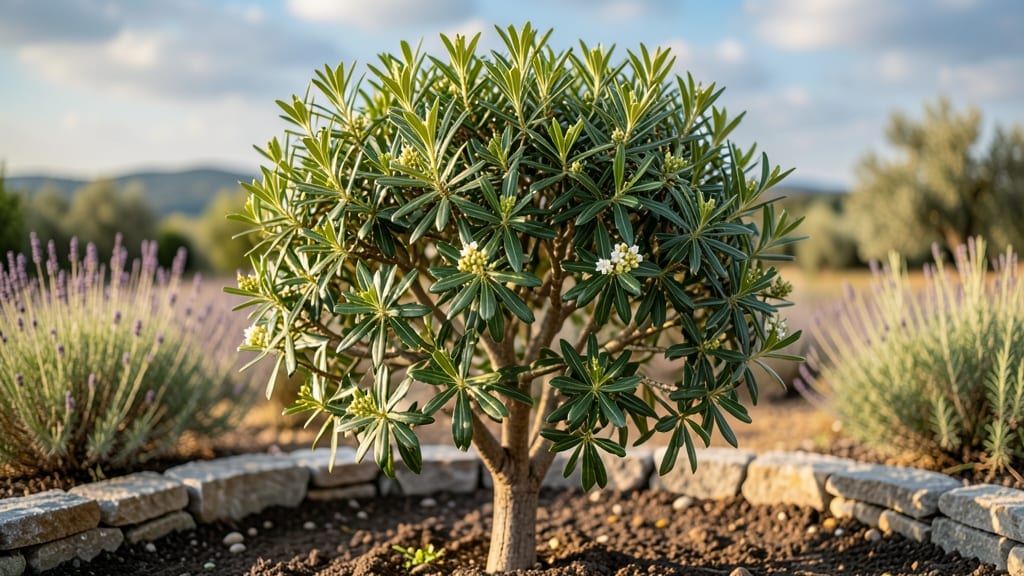
Harvesting myrtle tree leaves at their peak flavor—just before flowering—transforms your yard into a spice cabinet. 🌿 The secret lies in timing and technique: too early, and the leaves lack potency; too late, and they turn bitter.
I’ve perfected a simple drying method that preserves their piney, citrusy aroma for months, turning a handful of leaves into a pantry staple.
Start by snipping healthy, disease-free leaves in late spring or early summer. Bundle them with twine and hang upside down in a dark, dry place for 2-3 weeks.
The dried leaves crumble easily between fingers and can be used whole, crushed, or steeped like tea. Just avoid overcrowding—proper airflow prevents mold and preserves that fresh, herbal scent.
📚 In This Guide
- What you need
- Instructions
- Tips and common mistakes
- Wrapping up and next steps
What you need
- ● Fresh myrtle tree leaves: Harvest only mature, healthy leaves (avoid yellowed or damaged ones). Aim for 1–2 pounds (about 3–5 cups) for a standard drying batch.
- ● Pruning shears or sharp knife: A bypass pruner (for clean cuts) or a sterilized knife to avoid damaging the tree.
- ● Drying trays or mesh screens: Use 2–3 shallow trays (wooden, ceramic, or food-grade plastic) or fine mesh screens (like those for dehydrating herbs).
- ● Paper towels or clean kitchen towels: For gently patting leaves dry before drying.
- ● Air-dry space: A well-ventilated, dark, and dry area (e.g., a pantry, closet, or under a shade cloth). Ideal temperature: 60–75°F (15–24°C).
- ● Air-tight storage containers: Glass jars (like mason jars) or food-grade plastic containers with tight-sealing lids (e.g., 1-pint or 1-quart jars per batch).
- ● Labeling supplies: Masking tape + marker or printable labels to note the harvest date.
- ● Dehydrator: Set to 95°F (35°C) for 2–4 hours (faster than air-drying but requires electricity).
- ● Food dehydrator trays: If using a dehydrator, line with parchment paper or mesh sheets for airflow.
- ● Oven (low-heat method): Preheat to 170°F (77°C) and prop the door open slightly for 2–3 hours (monitor closely!).
- ● Herb drying rack: A hanging rack for bundles of leaves (great for small batches).
- ● Desiccant packets: Place 1–2 silica gel packets in storage containers to absorb moisture and extend shelf life.
- ● Mortar and pestle: For crushing dried leaves into a powder (if using for teas or seasonings).
- ● Identify your myrtle tree: Confirm it’s Myrtus communis (common myrtle) to avoid toxic look-alikes. 💡 Pro tip: True myrtle leaves have a strong, citrusy aroma and are dark green and glossy.
- ● Harvest timing: Pick leaves in late spring or early summer for peak flavor and oil content.
- ● Avoid pesticides/herbicides: Only harvest from organic or untreated trees to ensure safe, chemical-free leaves.
- ● Allergy check: Test a small amount of dried leaves on skin or in tea if you have sensitivities to aromatic plants.
Step-by-Step guide to harvesting and drying myrtle tree leaves
Here's how to turn fresh myrtle leaves into fragrant, long-lasting treasures for cooking or crafts.
🌿 Step 1: Identify and Harvest Mature Leaves
Pick leaves from healthy branches in late spring or early summer when they're fully developed but still tender. Look for dark green, glossy leaves about 1-2 inches long—younger leaves are too delicate and older ones become tough. Avoid leaves near the base of the plant, as they tend to be thicker and less aromatic.
Use clean, sharp scissors or pruning shears to snip individual leaves or small sprigs. Harvest in the morning after the dew has dried but before the sun reaches its peak—this preserves the most essential oils and flavor. I always gather more than I need, since some will inevitably get damaged during processing.
🌿 Step 2: Clean and Prepare Leaves for Drying
Spread the leaves on a clean kitchen towel and gently shake off any debris. For stubborn dirt, use a soft brush or wipe with a damp cloth, but avoid soaking them—excess moisture slows drying and can cause mold. Let them air-dry completely before proceeding, which usually takes about 30 minutes in normal conditions.
Remove any yellowed or damaged leaves immediately—they'll spoil the batch. I like to bundle healthy leaves into small groups of 5-7 with rubber bands or twist ties. This keeps them organized and makes them easier to hang later. If you're drying loose leaves, place them in a single layer on a drying rack or mesh screen.
☀️ Step 3: Choose Your Drying Method
For the best flavor and aroma, I recommend air-drying in a warm, dry place with good airflow. Hang the bundled leaves upside down from a clothesline, kitchen rack, or even a sturdy branch outdoors in a shaded spot. Keep them away from direct sunlight, which can bleach the leaves and degrade their oils. They're ready when completely dry and brittle, usually in 2-4 weeks.
If you're short on time, an oven works too—set it to 170°F and prop the door open slightly. Spread the leaves on a baking sheet and dry for 1-2 hours, checking frequently to prevent overheating. For a food dehydrator, arrange leaves in a single layer and dry at 95°F for 3-4 hours. Whichever method you choose, test for dryness by crushing a leaf—it should crumble easily with no moisture.
🪴 Step 4: Store Dried Leaves Properly
Once completely dry, strip the leaves from their bundles or remove them from the drying surface. Store them in an airtight container like a glass jar or resealable bag. I add a small piece of dried lavender or a bay leaf to repel pests naturally. Keep the container in a cool, dark place—sunlight and heat will turn the leaves dull and lose their potency.
Label your container with the harvest date so you can track freshness. Properly stored, dried myrtle leaves will retain their flavor for up to 1 year. When ready to use, crush the leaves lightly between your fingers to release their aromatic oils before adding to dishes or potpourri. A little goes a long way—start with 1 teaspoon per pound of food and adjust to taste.
⏰ Step 5: Test and Use Your Dried Leaves
Before using your dried leaves in cooking, do a quick flavor test. Add a pinch to a small amount of hot water and let it steep for 5 minutes. The water should smell strongly of myrtle—if it's faint, your leaves may need more drying time or a warmer storage spot. For crafts, bundle 5-10 dried leaves together with twine to create fragrant potpourri or sachets.
In cooking, dried myrtle leaves work best in hearty dishes like stews, braises, or marinades. Add them early in the cooking process so they infuse the food without becoming bitter. I like to toast the leaves briefly in a dry pan before adding to dishes—this deepens their flavor and aroma. Remove leaves before serving unless you're making a long-simmered sauce where they'll dissolve naturally.
Tips & tricks for perfect myrtle leaf preservation
These little details make all the difference when transforming fresh myrtle leaves into aromatic treasures.
The Harvesting Window: Timing matters more than you think in Step 1. Morning harvests after dew dries but before peak sun (around 9-11am) capture the most essential oils. I've found that leaves harvested at this time maintain their vibrant green color and potent flavor through drying. If you must harvest later, do it in the late afternoon to avoid the harshest sunlight that can degrade the oils.
Bundle Organization: When preparing bundles in Step 2, I've discovered that using twist ties instead of rubber bands creates less pressure points on the stems. This prevents crushing that can lead to uneven drying. For large batches, I label each bundle with the harvest date using a tiny piece of masking tape—this helps me track which bundles need extra drying time if they're on the drier side.
Drying Method Flexibility: While air-drying gives the best flavor, I've learned that oven drying at 170°F works surprisingly well for small batches. The key is to spread leaves in a single layer with space between them—this prevents moisture buildup that can cause mold. I set a timer for the full 1-2 hours and check every 15 minutes, especially if your kitchen gets humid. For dehydrators, I've found that 95°F works perfectly, but I remove leaves as soon as they crumble to prevent over-drying that can make them brittle and lose flavor.
Storage Secret: In Step 4, I've added a small piece of activated charcoal to my storage containers along with the lavender. This extra step absorbs any remaining moisture and helps preserve the vibrant green color for months. I also use amber glass jars when possible—they block more light than clear glass and help maintain the leaves' potency longer. The 1 teaspoon per pound guideline is perfect, but I've found that toasting the leaves first intensifies their flavor, so I often double that amount when using them in marinades.
Pro Tips for Myrtle Tree Leaves
- These little details make all the difference when transforming fresh myrtle leaves into aromatic treasures.
- The Harvesting Window: Timing matters more than you think in Step 1.
- Bundle Organization: When preparing bundles in Step 2, I've discovered that using twist ties instead of rubber bands creates less pressure points on the stems.
Frequently asked questions
Got questions about harvesting, storing, or using myrtle tree leaves? You’re not alone! Here are some of the most common queries—and straightforward answers—to help you get the most out of your myrtle harvest.
When is the best time to harvest myrtle leaves?
The ideal time to pick myrtle leaves is in early summer (June–July) when the foliage is lush but before the tree flowers. This ensures maximum flavor and oil content. Avoid harvesting after heavy rain, as leaves can become waterlogged and lose potency.
How long do dried myrtle leaves stay fresh?
Properly dried and stored myrtle leaves last 1–2 years in an airtight container, away from light and moisture. For best quality, use them within the first year. Freezing leaves in small batches is another great option for long-term preservation!
Can I substitute myrtle leaves for other herbs like bay leaves?
Yes! Myrtle leaves are a bold, piney alternative to bay leaves, especially in Mediterranean dishes, stews, or marinades. Use them sparingly—start with 1–2 leaves per recipe, as their flavor is intense. They also pair well with rosemary, thyme, and garlic.
Are myrtle leaves safe for pets if accidentally ingested?
While myrtle leaves are non-toxic to pets in small amounts, they contain essential oils that can cause mild stomach upset if consumed in large quantities. Keep dried leaves out of reach and monitor pets if they nibble. When in doubt, opt for pet-safe herbs like parsley or basil.
Why did my dried myrtle leaves turn brown or lose flavor?
Brown or dull-tasting leaves usually mean over-drying or improper storage. Ensure leaves are dried in a cool, dark, well-ventilated space (not direct sunlight) and store them in a sealed container with a silica packet. If flavor fades, revive them by crushing lightly before use or infusing in warm oil.
Still curious? Drop your questions in the comments—we’re happy to help!
Wrapping up and next steps
From harvesting fresh myrtle leaves to mastering drying techniques, you’re now equipped to enjoy their aromatic and culinary benefits year-round! 🌿 Whether you’re preserving them for teas, seasoning, or natural remedies, your efforts will pay off with flavorful and fragrant results.
Ready to elevate your kitchen or garden? Start small—try drying a batch today and experiment with recipes! Happy harvesting!