
Blooming
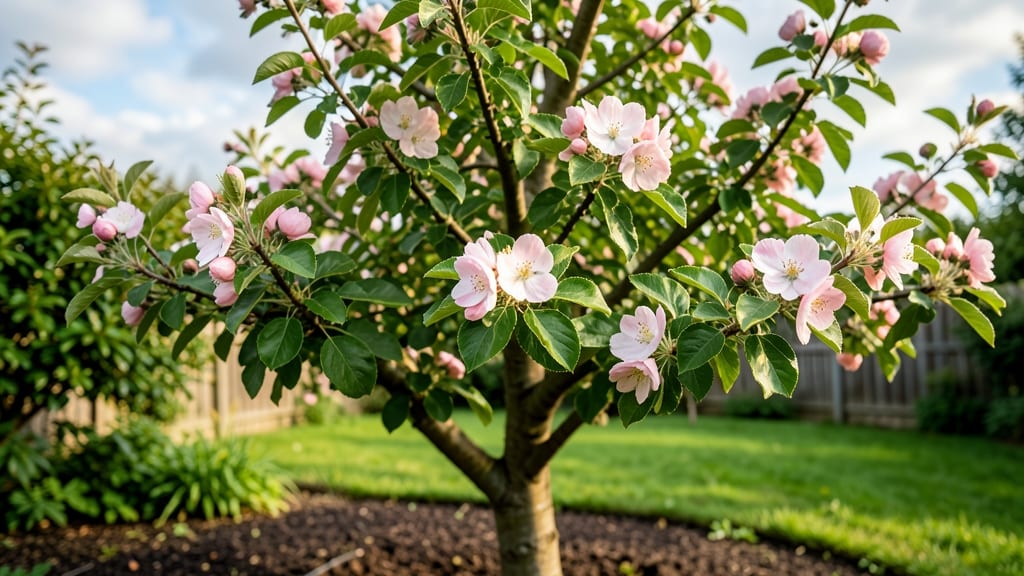
Nothing announces spring like the fragrant pink spikes of a Gala apple tree in full bloom. 🌸 These delicate blossoms aren’t just stunning—they’re the first promise of next year’s crisp, sweet apples, and they need just the right care to thrive.
The timing of their bloom varies by climate, but in most zones, you’ll see them appear between late April and early May, when temperatures hover around 50-60°F—just right for bees to buzz happily between branches.
To encourage those showstopping blossoms, focus on late-winter pruning (before buds swell) to open the canopy for sunlight and air flow. A balanced 10-10-10 fertilizer in early spring gives them the energy they need, while avoiding heavy nitrogen keeps the tree from growing leaves at the expense of flowers.
And here’s the secret: winter care matters—mulch heavily to protect roots from freeze-thaw cycles, which can stress the tree and reduce next year’s bloom.
When those blossoms appear, you’ll want to protect them from late frosts (which can kill buds) and apple scab (a fungal disease that spots leaves). A light neem oil spray before bloom can prevent scab, while a frost watch lets you cover young trees if temperatures dip below 28°F.
The payoff? A canopy of pink that fills your yard with fragrance—and later, a harvest of those iconic red apples.
This is where it gets interesting: companion plants like thyme or lavender near the base can deter pests, while a second apple variety (like Fuji) nearby ensures better pollination.
Even in small spaces, a dwarf Gala can deliver both beauty and bounty—if you give those blossoms the care they deserve. Let’s make sure yours put on the best show in the neighborhood.
📚 In This Guide
- What you need
- Instructions
- Tips and common mistakes
- Wrapping up and next steps
What you need
- ● Gala apple tree sapling (dwarf or standard): 1–3 trees (depending on space and pollination needs—plant at least two for cross-pollination!)
- ● Rootstock type: M.9 (dwarf) or MM.106 (semi-dwarf) for manageable size
- ● Age: 1–3 years old (younger trees bloom faster!)
- ● Well-draining soil: pH: 6.0–7.0 (test with a soil kit if unsure)
- ● Amend with compost (5–10 gallons per planting hole) for nutrients
- ● Organic mulch: 3–4 inches of wood chips or straw (retains moisture, suppresses weeds)
- ● Slow-release fertilizer: 10-10-10 or balanced organic fertilizer (follow package rates for young trees)
- ● Garden tools: Trowel or spade (for digging)
- ● Pruning shears (sterilized with rubbing alcohol)
- ● Watering can or hose with soaker nozzle
- ○ Support system (optional but helpful): Stakes or tree ties (for young trees in windy areas)
- ● Protective gear: Gloves (to avoid sap irritation)
- ● Knee pads (for comfort during planting)
- ● Best planting time: Early spring (before buds swell) or early fall (6 weeks before frost)
- ● Sunlight: Full sun (6–8 hours daily)
- ● Space: Dwarf: 6–8 feet apart
- ● Standard: 15–20 feet apart
- ● Water access: Consistent moisture (1–2 inches per week, more during dry spells)
Step-by-Step guide to encouraging stunning Gala apple tree blossoms
Here's how to coax those fragrant pink blossoms into full, vibrant display every spring.
🌱 Step 1: Prune for Light and Airflow in Late Winter
Wait until 2-3 weeks before your last frost date—typically mid-February to early March—to prune your Gala apple tree. This timing lets the tree heal before spring growth begins. Use clean, sharp pruning shears to make cuts just outside the branch collar, where the branch meets the trunk. I always remove dead, diseased, or crossing branches first—these block sunlight and airflow, which are critical for blossom production.
Open up the center of the tree by cutting back suckers and water sprouts (those fast-growing vertical shoots). You'll see stronger blossom clusters form on the remaining branches that receive direct sunlight. Aim to keep the tree's shape open and vase-like—this prevents overcrowding and encourages more sunlight to reach next year's blossom buds.
☀️ Step 2: Provide Proper Sunlight and Nutrients
Gala apple trees need full sun—at least 6-8 hours daily—for optimal blossoming. If your tree is in a shady spot, consider relocating it or pruning nearby trees/shrubs to improve light exposure. I've seen blossoms double in abundance once I moved a struggling Gala to a sunnier location.
Feed your tree in early spring with a balanced fruit tree fertilizer (10-10-10 ratio). Apply it 2-3 weeks before blossoms appear, following the package instructions for your tree's size. Avoid high-nitrogen fertilizers—they promote leafy growth at the expense of flowers. Instead, focus on phosphorus and potassium, which support root development and blossom formation.
💧 Step 3: Water Deeply and Consistently During Bud Formation
Once buds begin to swell—usually 4-6 weeks before blossoming—water deeply once a week (unless rainfall provides 1 inch of moisture). Let the soil dry slightly between waterings to prevent root rot, but don’t let it get bone-dry. I check moisture by poking my finger 2 inches into the soil—if it feels dry, it’s time to water.
Avoid wetting the blossoms themselves, as dampness can invite fungal diseases like apple scab. Water at the base of the tree in the early morning so foliage has time to dry. Mulch around the tree with 2-3 inches of organic mulch (like wood chips) to retain moisture and regulate soil temperature—this creates ideal conditions for bud development.
✂️ Step 4: Thin Blossoms for Larger, Healthier Fruit
When blossoms appear—typically late April to early May—thin them to 1 bloom per cluster, leaving 6-8 inches between blossoms. This might seem counterintuitive, but thinning ensures the tree directs its energy into fewer, larger, higher-quality apples rather than a heavy crop that strains the tree. Use sterilized pruners to avoid spreading disease.
Watch for pink buds turning white—that’s your signal to start thinning. I always do this on a dry, sunny day so the cuts heal quickly. Remove any blossoms on vertical shoots (water sprouts) since these rarely produce fruit. After thinning, give the tree a light feeding with a potassium-rich fertilizer to support fruit development.
🌿 Step 5: Monitor for Pests and Diseases
Keep an eye out for aphids, codling moths, or apple scab—common issues that can defoliate blossoms or drop them prematurely. I spray a neem oil solution (1 tablespoon per gallon of water) every 7-10 days during bloom to deter pests. For fungal issues, apply a copper fungicide as a preventive measure if your area has a history of apple scab.
Remove any fallen blossoms or damaged leaves promptly to reduce disease spread. Healthy blossoms should stay firm and vibrant—wilting or discoloration is a red flag. If you notice blossoms dropping after a few days, it could signal late frost damage or overwatering. Adjust care accordingly to protect next year’s buds.
Tips & tricks for perfect Gala apple tree blossoms
Here's what nobody tells you about getting those show-stopping pink blooms every spring.
Pruning Precision: When you're pruning in Step 1, focus on creating an open center rather than just cutting branches. I learned this the hard way—my first few years of pruning left dense centers that blocked sunlight from reaching next year's blossom buds. Use a string or garden hose to visualize the shape you want before making cuts. This simple trick helps you see how sunlight will penetrate the tree's interior.
Fertilizer Timing: The 2-3 weeks before blossoms appear is critical for Step 2's fertilizer application. I've noticed that applying fertilizer too early (like in late winter) can encourage leafy growth instead of blossoms. Stick to early spring timing and use a 10-10-10 ratio fertilizer—this balanced approach gives your tree exactly what it needs without overemphasizing leaf production. For established trees, I often split the recommended dose into two applications: once at pruning time and again when buds begin to swell.
Watering Wisdom: In Step 3, that once-a-week watering schedule assumes average rainfall conditions. I check my local weather forecast and adjust accordingly—if we've had consistent rain, I skip the watering. The key is maintaining consistent moisture without waterlogging. I've found that watering deeply but infrequently encourages deeper root growth, which translates to stronger blossom production. A soil moisture meter can be a great investment if you're unsure about soil moisture levels.
Thinning Technique: When you're thinning blossoms in Step 4, pay special attention to the 6-8 inch spacing between blooms. This might seem excessive, but it's what prevents overcrowding and ensures each apple gets proper sunlight and air circulation. I always thin on a dry day to prevent disease spread, and I use sterilized pruners to make clean cuts. After thinning, I give the tree a light potassium boost to help it recover and support fruit development.
Pro Tips for Gala Apple Tree Blossom
- Here's what nobody tells you about getting those show-stopping pink blooms every spring.
- Pruning Precision: When you're pruning in Step 1, focus on creating an open center rather than just cutting branches.
- Fertilizer Timing: The 2-3 weeks before blossoms appear is critical for Step 2's fertilizer application.
Frequently asked questions
Got questions about those stunning Gala apple tree blossoms? You’re not alone! Here are answers to the most common queries—from timing to troubleshooting—so you can enjoy the best of spring’s pink spectacle.
When do Gala apple tree blossoms appear?
Gala apple tree blossoms typically burst into vibrant pink between late April and early May, depending on your climate zone. Cooler regions may see blooms slightly later, while warmer areas might enjoy them as early as March. Watch for bud swelling—when they’re half-inch puffs, peak bloom is just days away!
How long do the blossoms last?
Gala apple blossoms are ephemeral—they usually last 7–14 days at full glory. After pollination, petals drop, and tiny apples begin forming. For maximum enjoyment, plan spring activities (like photography or picnics) during the first week of bloom when fragrance and color peak. Pro tip: Check your local pollinator reports to time visits with bee activity!
Do Gala apple tree blossoms need cross-pollination?
Yes! While Gala trees can self-pollinate, cross-pollination with another apple variety (like Fuji or Honeycrisp) boosts fruit set. Plant a second blossoming tree within 50–100 feet to ensure better harvests. If space is limited, consider hand-pollinating with a soft brush during peak bloom—just mimic bees by transferring pollen between flowers!
Why aren’t my Gala apple blossoms opening?
Blossoms might stay closed due to cold snaps, pests, or disease. Check for:
- Late frost damage: Frost after buds open can kill flowers. Use frost cloth if frost is forecasted.
- Pests: Aphids or mites can stunt blooms. Spray with neem oil or introduce ladybugs.
- Disease: Fire blight (blackened blossoms) or powdery mildew can halt growth. Prune infected branches immediately.
Can I grow Gala apple trees in containers?
Dwarf Gala varieties (like ‘Gala’ on M.9 rootstock) thrive in 15–20 gallon containers with well-draining soil. Place them in full sun and use a balanced fertilizer (10-10-10) every 4–6 weeks during bloom season. Just remember: Container trees need winter protection (mulch + frost blankets) in colder zones!
Wrapping up and next steps
The sight of gala apple tree blossoms transforming your garden into a fragrant pink paradise is pure springtime magic! 🌸 These delicate blooms aren’t just stunning—they’re a promise of sweet apples to come and a haven for pollinators.
Whether you’re a seasoned gardener or just starting, embracing these blossoms brings joy, color, and life to your outdoor space.
Ready to dive in? Start by choosing the perfect spot—sunlight, soil, and a little patience are all you need to cultivate your own fragrant masterpiece. Plant that first seedling or sapling today, and let nature work its charm!