
Container Gardens
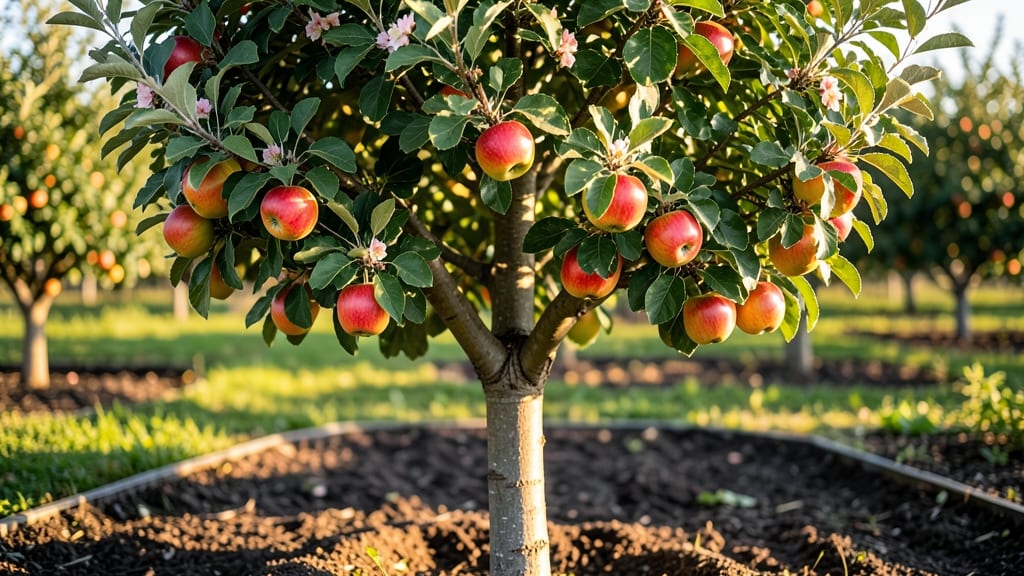
Growing Gala apple trees works best in USDA Hardiness Zones 4 through 8, where winter temperatures range from -30°F to 10°F (-34°C to -12°C), creating ideal conditions for strong root systems and abundant fruit production. Choosing the right growing zone directly impacts your tree's health and harvest potential.
Gala apple trees need specific climate conditions to thrive, and their hardiness zone determines how well they'll survive winter and produce fruit. 🍏 The USDA Hardiness Zone Map helps you identify your local climate zone, which directly affects planting success.
For example, trees in Zone 4 require extra winter protection, while those in Zone 8 may need shade during summer heatwaves. Understanding these variations ensures your tree gets the right care for optimal growth.
Beyond the zone, factors like sunlight exposure, soil drainage, and microclimates play a role in whether your Gala apple tree will flourish. For instance, urban areas might experience heat islands that push effective zones one level higher than official maps suggest.
Always check local weather patterns and consider consulting with nearby orchards or nurseries for tailored advice.
💡 In This Article
- Understanding USDA Zones for Gala Apple Trees
- Planting Gala Apples in Different Climates
Understanding USDA zones for Gala apple trees
The USDA Hardiness Zone Map divides North America into 13 zones based on average annual minimum temperatures, and for Gala apple trees, Zones 4 through 8 represent the sweet spot.
Here's why: Gala apples require 200-800 hours of winter chill (temperatures between 32°F and 45°F) to trigger proper flowering and fruit set. Zone 4's -30°F winters provide ample chill hours, while Zone 8's 10°F minimum ensures they survive without excessive stress. 🔥
What makes Gala apples unique is their balance between cold hardiness and heat tolerance. Unlike some apple varieties that struggle in hot summers, Galas handle 90°F+ temperatures well, making them adaptable across diverse climates.
For example, in the Pacific Northwest (Zone 6-7), they thrive with consistent moisture, while in the Midwest (Zone 4-5), they need deeper soil protection. The key difference lies in soil drainage—Galas hate soggy roots, so well-draining soil is non-negotiable in all zones.
Winter chill requirements vary by region. In Zone 4, where winters are harsh, Gala trees enter dormancy earlier, requiring 600-800 chill hours to break dormancy in spring.
In contrast, Zone 8's milder winters may only provide 200-400 chill hours, meaning growers must select low-chill Gala cultivars or use supplemental chilling techniques. This regional variation explains why some nurseries recommend specific Gala varieties for certain zones.
Microclimates within zones can drastically affect success. For instance, a south-facing slope in Zone 5 might push effective growing conditions closer to Zone 6 due to increased sunlight and warmth. Conversely, a low-lying area in Zone 7 could experience frost pockets that mimic Zone 4 conditions.
Always observe your specific site's frost patterns and wind exposure—these factors often override the general zone classification. 🌟
Another critical factor is summer heat. While Galas tolerate warmth, prolonged exposure to 95°F+ temperatures can stress the tree, leading to sunburn on fruit or reduced pollination. In Zone 8, afternoon shade becomes essential during peak summer months.
This is where choosing the right location—like near a building or tall trees—can create a microclimate that extends the tree's effective growing range by 1-2 zones.
For those pushing boundaries, consider these zone-specific tips: In Zone 4, plant near a south-facing wall to capture solar gain; in Zone 8, use reflective mulch to reduce soil heat. Both strategies can effectively expand the tree's comfort zone by 5-10°F, making all the difference in marginal areas.
The science shows that even small adjustments can mean the difference between a thriving tree and one struggling to survive.