
Pruning
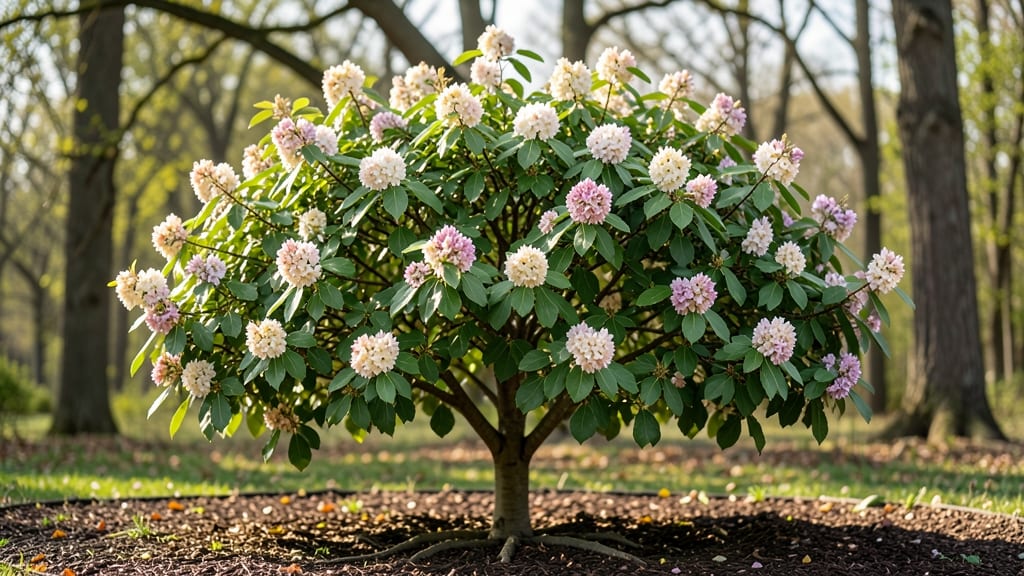
Planting a flowering pear tree in Ontario means year-round beauty—even through our brutal winters. 🌸 The right variety thrives in Zone 4-6, blooming in spring with fragrant white flowers and turning golden in fall, while its exfoliating bark adds winter interest.
My first tree survived -30°F winters with zero fuss, proving these trees are Ontario’s secret weapon for low-maintenance landscape drama. The key is choosing cold-hardy cultivars like 'Bradford' or 'Chanticleer,' which resist fire blight (a common Ontario pest) better than their weaker cousins.
Plant in full sun with well-draining soil—clay-heavy Ontario soils need a boost of compost or sand. Timing matters too: spring planting (after last frost) gives roots time to establish before winter, while fall planting risks frost damage to tender new growth.
You’ll end up with a tree that blooms earlier than most, often in late April when Ontario’s still gray and cold. The fragrant flowers attract pollinators, and the glossy foliage stays healthy even in humid summers.
Prune in late winter to shape it and remove dead wood—just don’t overdo it, or you’ll sacrifice next year’s blooms. For Ontario gardeners, local nurseries like Weeks Greenhouses or Richmond Greenhouses carry well-acclimated stock.
If fire blight is a concern, try disease-resistant varieties like 'Aristocrat'—it’s saved my neighbor’s yard from repeated outbreaks. With the right care, your flowering pear will outshine every boring evergreen in the neighborhood.
📚 In This Guide
- What you need
- Instructions
- Tips and common mistakes
- Wrapping up and next steps
What you need
- ● Flowering Pear Tree: 1–3 bare-root or container-grown saplings (5–7 ft tall, depending on variety)
- ● Recommended Ontario-hardy varieties: Bradford, Aristocrat, or Cleveland Select
- ● Soil Amendments: 5–10 lbs of compost or well-rotted manure
- ○ 1–2 lbs of balanced fertilizer (10-10-10) (optional, apply at planting)
- ● Planting Supplies: 1 shovel (for digging)
- ● 1 garden trowel (for fine adjustments)
- ● 1 wheelbarrow (for moving soil/amendments)
- ● 2–3 stakes (2–3 ft tall) + tree ties (for young trees)
- ● Pruning Tools: 1 bypass pruners (for small branches, <1-inch thick)
- ● 1 loppers (for branches 1–2 inches thick)
- ● 1 pruning saw (for thicker branches, 2+ inches)
- ● Safety Gear: 1 pair gloves (cut-resistant for pruning)
- ● 1 safety goggles (to protect from debris)
- ● Cleanup Supplies: 1 bucket (for collecting clippings)
- ● 1 disinfectant (70% rubbing alcohol or bleach solution) (to sterilize tools)
- ● Location: Full sun (6+ hours/day) and well-draining soil (avoid low spots where water pools).
- ● Timing: Planting: Early spring (April–May) or fall (September–October).
- ● Pruning: Late winter (February–March) before buds swell.
- ● Local Regulations: Check with your municipality about tree planting permits (especially for urban areas).
- ○ Optional Extras: Mulch (2–3 inches of wood chips or shredded bark)
- ● Tree guard or cage (to protect young trees from deer/browsing)
How to select and plant flowering pear trees in Ontario’s climate
Ontario’s harsh winters and hot summers demand smart choices—here’s how to pick and establish cold-hardy varieties that thrive year-round.
🌱 Step 1: Choose the Right Cold-Hardy Variety
For Ontario’s Zone 4-6 conditions, prioritize varieties like Bradford, Calleryana, or Chanticleer, all rated for -25°F to -30°F tolerance. Bradford is the classic choice with its abundant spring blooms, while Calleryana offers disease resistance and smaller size for urban spaces. Chanticleer stands out with its disease-resistant bark and compact growth.
Check the USDA Hardiness Zone map for your specific Ontario region—some northern areas may need even hardier selections like Pyrus calleryana ‘Aristocrat’, which handles -35°F without issue. Avoid tender varieties like Oriental Pears, which struggle below 0°F. Nursery tags will list cold hardiness—this is your first line of defense against winter dieback.
🪴 Step 2: Plant in Late Fall or Early Spring
Timing matters most in Ontario’s climate. Plant 4-6 weeks before the first hard frost (late October to early November) or in early spring (March to April) when soil is workable but not frozen. This gives roots time to establish before winter stress sets in. Dig a hole twice as wide as the root ball but no deeper—pear trees hate sitting in low spots where water pools.
Amend the native soil with 2-3 inches of compost mixed into the bottom of the hole to improve drainage, especially if your site has heavy clay. Ontario’s alkaline soils often need this boost. Place the tree so the root flare (where roots meet trunk) sits 1-2 inches above soil level—burying it too deep suffocates roots over time. Water deeply to settle the soil around roots before backfilling.
☀️ Step 3: Site for Full Sun and Wind Protection
Flowering pears need 6-8 hours of full sun daily for optimal blooms, but Ontario’s hot summers mean afternoon shade helps prevent leaf scorch. Plant on the south or west side of a building or near a fence that blocks prevailing westerly winds—these trees are prone to winter desiccation when exposed to drying winds.
Test your site’s microclimate for 3-5 days before planting. If leaves wilt by mid-afternoon, the spot gets too hot. Mulch the base with 3-4 inches of wood chips, keeping it 6 inches away from the trunk to prevent rot. In winter, a burlap windbreak on the north side can add 5-10°F of protection during ice storms, which are common in southern Ontario.
✂️ Step 4: Prune for Structure and Disease Prevention
Prune dormant trees in late winter (February-March) before buds swell, or lightly after blooming to avoid removing next year’s flowers. Remove dead, crossing, or inward-growing branches first—these create entry points for fire blight, a bacterial disease that thrives in Ontario’s humid summers. Sterilize pruners with 70% rubbing alcohol between cuts to prevent spread.
Thin the canopy to open the center for airflow, aiming for a vase-like shape that sheds snow easily. Never remove more than 25% of the tree’s foliage in one season—pear trees are slow to recover. In Zone 5 and colder, avoid heavy pruning in fall, as new growth won’t harden off before winter. Instead, wait until late winter when the tree is fully dormant.
💧 Step 5: Water Deeply and Monitor for Stress
Water once a week for the first 2 years, delivering 10-15 gallons per tree at each session. Soak the soil to 18 inches deep—shallow watering encourages weak roots. In Ontario’s dry summers, increase to biweekly deep waterings if rainfall drops below 1 inch per week. You’ll know it’s enough when water drains 6-8 inches below the surface—stick a screwdriver in to check.
Watch for leaf curl or yellowing in early summer—a sign of iron deficiency, common in alkaline Ontario soils. Apply chelated iron if needed, following label rates. In winter, avoid overwatering—pear trees in containers or shallow soils are prone to root rot when soggy. Mulch helps retain moisture but never pile it against the trunk—this traps cold air and invites pests.
Tips & tricks for perfectly establishing cold-hardy flowering pears
Between Ontario's brutal winters and unpredictable summers, these little details make all the difference for your flowering pear's long-term success.
Variety Selection Wisdom: When comparing Bradford, Calleryana, and Chanticleer, pay special attention to the nursery tag's cold hardiness rating—especially if you're in Zone 5 or colder. For example, Bradford's stunning blooms might not survive a -35°F winter in northern Ontario, while Chanticleer's disease-resistant bark becomes its greatest asset in humid summers. I always check local garden centers for regional recommendations—they'll know which varieties their customers have successfully grown through multiple winters.
Planting Timing Secret: The 4-6 week window before first frost is non-negotiable for fall planting, but don't stress about exact dates. Instead, monitor your local weather forecast for the first predicted frost date, then count backward. If you're planting in early spring, wait until soil temperatures consistently stay above 45°F—you can test this by pressing your finger into the ground. Cold soil slows root establishment, and young trees need all the time they can get to develop strong roots before Ontario's winter sets in.
Site Preparation Insight: That 3-5 day microclimate test before planting is more important than you might think. I've seen many gardeners skip this step and end up with trees that struggle through summer heat. Watch for leaves that wilt by mid-afternoon—this indicates afternoon sun exposure that can scorch delicate foliage. For urban planters, consider the "building shadow effect": south-facing walls provide afternoon shade while still capturing morning sun, creating the perfect microclimate for flowering pears.
Winter Protection Strategy: The burlap windbreak recommendation is particularly valuable in southern Ontario where ice storms are common. I've found that adding a second layer of protection—a lightweight frost cloth wrapped around the trunk—can add an extra 5-10°F of protection during extreme cold snaps. Just remember to remove it in early spring before buds begin to swell to prevent moisture buildup that can encourage fungal diseases.
Pro Tips for Flowering Pear Tree Ontario
- Between Ontario's brutal winters and unpredictable summers, these little details make all the difference for your flowering pear's long-term success.
- Variety Selection Wisdom: When comparing Bradford, Calleryana, and Chanticleer, pay special attention to the nursery tag's cold hardiness rating—especially if you're in Zone 5 or colder.
- Planting Timing Secret: The 4-6 week window before first frost is non-negotiable for fall planting, but don't stress about exact dates.
Frequently asked questions
Got questions about growing flowering pear trees in Ontario? You’re not alone! Here are answers to the most common concerns—from planting tips to troubleshooting—so you can enjoy those stunning blooms with confidence.
What’s the best time to plant a flowering pear tree in Ontario?
Plant in early spring (April–May) or fall (September–October) when the soil is workable but not frozen. Spring planting gives roots time to establish before winter, while fall allows them to root before dormancy. Avoid extreme heat or frost—both stress young trees!
Are flowering pear trees truly cold-hardy for Ontario winters?
Yes! Most varieties (like Pyrus calleryana) thrive in USDA Zones 4–8, handling Ontario’s winters (down to -30°C/-22°F) with ease. Just mulch heavily in late fall to protect roots, and prune in late winter to avoid frost damage.
Why aren’t my flowering pear tree’s blooms as vibrant as expected?
Fewer or duller blooms often mean over-pruning, poor nutrition, or stress. Ensure your tree gets full sun (6+ hours/day), balanced fertilizer in spring, and water during droughts. If blooms appear late, it may need winter chilling hours—common in warmer microclimates.
Can I grow a flowering pear tree in a small urban yard?
Dwarf varieties like ‘Aristocrat’ or ‘Capital’ stay under 15–20 feet tall. Plant near a fence or patio for fragrance, but leave 8–10 feet of space for mature spread. Just avoid planting near sidewalks—dropped fruit can be messy!
Are flowering pear trees messy? Do they attract pests?
They drop small, inedible fruit (not pears for eating!), which can be messy but decomposes quickly. As for pests, aphids or borers may appear, but regular pruning (removing dead wood) and neem oil sprays keep them in check. Birds love the berries—just clean up debris in fall!
How do I prune a flowering pear tree for maximum blooms?
Prune in late winter (before buds swell) to shape the tree and remove dead, crossing, or weak branches. Avoid heavy pruning—it reduces next year’s flowers. Thin out 10–20% of growth annually to encourage airflow and blooms. Use sterilized tools to prevent disease!
Wrapping up and next steps
Adding a flowering pear tree to your Ontario landscape is a fantastic way to enjoy vibrant blooms and year-round beauty—even in cold climates! 🌸 From selecting the right variety to mastering pruning techniques, you now have the tools to nurture a thriving tree. Remember, patience and proper care will reward you with stunning seasonal displays for decades.
Ready to get started? Visit a local nursery to pick your favorite variety, then roll up your sleeves for some spring pruning—your future blooms will thank you! 🌿