
Container Gardens
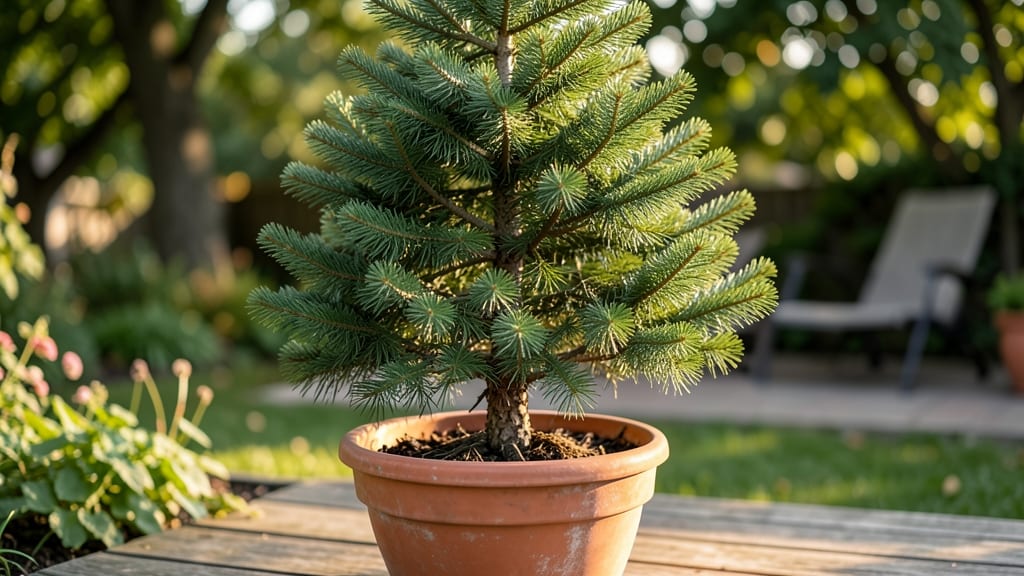
A potted fir tree brings forest elegance to patios, porches, and entryways—without the yard space. 🌲 I’ve grown them in containers for years, and the key is choosing the right species (like dwarf Alberta spruce or Fraser fir) that handle root confinement and cold snaps better than their in-ground cousins.
These trees stay compact, fragrant, and lush even when temperatures drop below freezing, making them perfect for year-round curb appeal.
The secret to success lies in well-draining soil and a container with drainage holes—fir roots hate soggy feet. Use a mix of potting soil, perlite, and sand to mimic their natural rocky forest floors.
Water only when the top inch feels dry, and avoid letting the roots sit in saucers of standing water. A 10-15 gallon pot works for smaller varieties, while larger firs need at least 20 gallons to thrive for years.
With proper care, your potted fir will grow 2-3 feet per year and stay vibrant for a decade or more. The needles stay soft and aromatic, and the tree’s natural shape adds texture to any outdoor space.
Prune lightly in early spring to shape it, and fertilize once in spring with slow-release evergreen food. The payoff? A low-maintenance, evergreen statement piece that outshines seasonal plants.
For winter, move containers to a sheltered spot or wrap the pot in burlap to protect roots from freeze-thaw cycles. Mulch the soil surface with pine straw to insulate roots. If you live in a harsh climate, consider a winter blanket or even moving the tree under a covered porch.
The goal is to keep roots from drying out or heaving—once you master that, your fir will thrive for seasons to come.
📚 In This Guide
- What you need
- Instructions
- Tips and common mistakes
- Wrapping up and next steps
What you need
- ● Fir Tree Sapling: 1 cold-hardy evergreen sapling (e.g., Abies concolor, Picea glauca, or Tsuga canadensis)
- ● Size: 3–5 ft tall (smaller for patio pots, larger for statement containers)
- ● Container: 1 large, durable pot (18–24" diameter for mature trees, 12–16" for saplings)
- ● Material: Terracotta, ceramic, or fiberglass (ensure drainage holes!)
- ○ Optional: Cache pot liner for root protection (if using decorative outer pots).
- ● Growing Medium: 6–8 cubic feet of well-draining potting mix (50% peat moss, 30% perlite, 20% compost)
- ○ Optional: Slow-release fertilizer (10-10-10 ratio, 1–2 cups per pot).
- ● Drainage Layer: 2–3 inches of gravel, pumice, or expanded clay pellets (for aeration).
- ● Gardening Tools: 1 trowel or small shovel
- ● 1 pair of pruning shears (sterilized)
- ● 1 watering can or hose with gentle spray nozzle
- ○ Safety Gear (Optional but Recommended): Garden gloves (for handling soil/roots)
- ● Knee pads (if kneeling for planting)
- ● Location Prep: Spot with partial shade to full sun (6+ hours of light for most firs)
- ● Wind protection (e.g., sheltered patio, balcony, or garden nook)
- ● Access to water (fir trees love consistent moisture!).
- ● 🌡️ Chill out: If planting in USDA Zones 3–6, choose hardy varieties like Colorado Blue Spruce or Eastern White Pine.
- ● ✨ Elevate style: Add mulch (pine bark or gravel) around the pot to retain moisture and boost aesthetics.
- ● 🔄 Winter prep: Move pots to unheated garages or porches in freezing temps (below 10°F) to protect roots.
How to grow a cold-hardy fir tree in stylish containers
Transform your patio or entryway with a stunning evergreen—here's my foolproof container method.
🪴 Step 1: Select the Right Container and Drainage
Choose a container at least 18 inches deep with drainage holes—fir trees need room for roots to breathe and expand. I prefer heavy ceramic or fiberglass pots because they won't tip over in windy conditions. The container should be 2-3 inches wider than the root ball of your fir tree to allow for growth.
Line the bottom with 2-3 inches of gravel or broken pottery to create a drainage layer. This prevents waterlogging, which can rot roots and kill your tree. If your container lacks drainage holes, drill them yourself—fir trees hate soggy feet.
🌱 Step 2: Prepare the Soil Mix for Optimal Growth
Fir trees thrive in well-draining, acidic soil with a pH between 5.0 and 6.0. Mix 60% peat moss or pine bark fines with 30% perlite or pumice and 10% slow-release fertilizer (like osmocote). This blend mimics their natural forest floor environment and prevents compaction.
Fill the container about one-third full with your soil mix, then tap the sides gently to settle it. Press down lightly with your hands—you want firm but not packed soil. The goal is to create a stable base that won't shift when you plant.
☀️ Step 3: Plant the Fir Tree with Care
Remove the fir tree from its nursery pot and gently loosen the roots if they're circling. Place it in the container so the top of the root ball sits 1-2 inches below the rim—this allows for mulch and prevents erosion during watering. Backfill with your soil mix, pressing lightly around the edges to eliminate air pockets.
Water deeply until it drains from the bottom holes, then let it sit for 10-15 minutes before adding a 2-inch layer of pine bark mulch on top. Mulch retains moisture, regulates temperature, and keeps roots cool—critical for fir trees in containers.
💧 Step 4: Water and Position for Success
Water your fir tree once a week during the first month, then every 10-14 days afterward—adjust based on weather. Stick your finger 2 inches into the soil; if it feels dry, water until it runs out the drainage holes. Overwatering is the #1 killer of potted firs.
Place your container in partial shade (morning sun, afternoon shade) for the first two weeks to reduce transplant shock. After that, move it to a spot with 4-6 hours of filtered sunlight daily. Fir trees in full sun can scorch, while too little light causes weak, leggy growth.
✂️ Step 5: Maintain Health Through Seasons
Fertilize once in early spring with an acid-loving plant formula (like 10-10-10) and once in mid-summer with a slow-release granular. Avoid high-nitrogen fertilizers—they encourage fast but weak growth. Prune only to remove dead branches in late winter, using clean, sharp shears.
In winter, move your container to a protected spot (like against a north-facing wall) if temperatures drop below 10°F. Use burlap wraps to shield from drying winds. With proper care, your fir tree will stay lush and vibrant for 5-10 years in its container.
Tips & tricks for perfect potted fir trees
A few key strategies will help your container-grown fir tree thrive for years—here's what I've learned from years of growing them successfully.
Container Stability Matters: After planting, place your container on a sturdy, level surface—especially important for heavy ceramic pots. I always use a saucer or tray underneath to catch drainage while preventing the pot from tipping in windy conditions. For outdoor spaces, consider anchoring the container with stakes if it's particularly heavy or exposed to strong winds.
Soil pH Check: While the instructions specify mixing your own soil blend, you can test your existing soil's pH first. Fir trees prefer acidic soil (5.0-6.0), so if your current soil tests higher, amend it with sulfur or peat moss before mixing. I use a simple pH test kit from the garden center—it's worth the $10 to avoid struggling with poor growth later.
Transplant Shock Prevention: The first two weeks are critical for your fir tree's adjustment to its new home. During this time, I recommend misting the foliage lightly each morning to increase humidity around the roots. This mimics the tree's natural forest environment and helps reduce stress during the transition period.
Winter Protection: When temperatures drop below 10°F, move your container to a protected location like against a north-facing wall. I also wrap the pot and tree in burlap, leaving only the top exposed. This creates an insulating barrier that prevents rapid temperature fluctuations which can damage the tree's delicate needles.
Pro Tips for Fir Tree Potted
- A few key strategies will help your container-grown fir tree thrive for years—here's what I've learned from years of growing them successfully.
- Container Stability Matters: After planting, place your container on a sturdy, level surface—especially important for heavy ceramic pots.
- Soil pH Check: While the instructions specify mixing your own soil blend, you can test your existing soil's pH first.
Frequently asked questions
Got questions about growing fir trees in pots?
You’re not alone! Here are answers to the most common queries to help you keep your cold-hardy evergreen thriving in containers.
What’s the best fir tree variety for potted growing?
Opt for dwarf varieties like Picea pungens 'Glauca Globosa' (Colorado Blue Globe) or Abies concolor 'Compacta' (White Fir). These stay small (3–6 ft tall) and handle container life well. Avoid fast-growing species—they’ll outgrow pots quickly!
Can fir trees survive winter in pots?
Yes, but with protection! Move pots to a sheltered spot (e.g., against a wall or under an eave) before frost. Wrap the container in bubble wrap or use a frost blanket. Dwarf firs are hardy to USDA Zones 3–7, but containers freeze faster—mulch the soil and avoid waterlogging.
How often should I water a potted fir tree?
Water when the top 1–2 inches of soil feel dry (test with your finger!). Fir trees dislike soggy roots, so ensure pots have drainage holes. In winter, water sparingly—only when soil is bone-dry. Overwatering is the #1 killer of potted evergreens!
What if my fir tree’s needles turn brown?
Brown needles often signal thirst (underwatering) or burn (sun/heat stress). Check soil moisture and move the pot to partial shade if in hot afternoon sun. Avoid fertilizing in winter—this stresses the tree. A light pruning of dead needles can tidy it up!
When should I repot a fir tree?
Repot every 2–3 years or when roots circle the pot’s bottom. Spring is ideal! Choose a container just 1–2 inches larger in diameter with fresh, well-draining soil. Pro tip: Top-dress with pine bark fines to mimic forest-floor conditions.
Are there fir tree alternatives for smaller spaces?
Yes! Try Thuja occidentalis 'Smaragd' (Arborvitae) or Chamaecyparis lawsoniana 'Ellwoodii' (False Cypress). Both are compact, cold-hardy, and thrive in pots. Just ensure they get 4+ hours of sunlight daily.
Wrapping up and next steps
Bringing a fir tree into your potted garden isn’t just about aesthetics—it’s a rewarding way to enjoy year-round greenery with minimal fuss! Whether you’re drawn to the Fraser fir, Douglas fir, or another cold-hardy variety, these evergreens thrive in containers and add texture, height, and seasonal charm to any space. With the right soil, drainage, and care, your fir tree will flourish for years, making it a standout (pun intended!) addition to patios, balconies, or even cozy porches.
Ready to get growing? Start by selecting your favorite fir tree and container today—your future shady retreat (or festive centerpiece!) is just a few steps away. 🌲✨