
Pruning
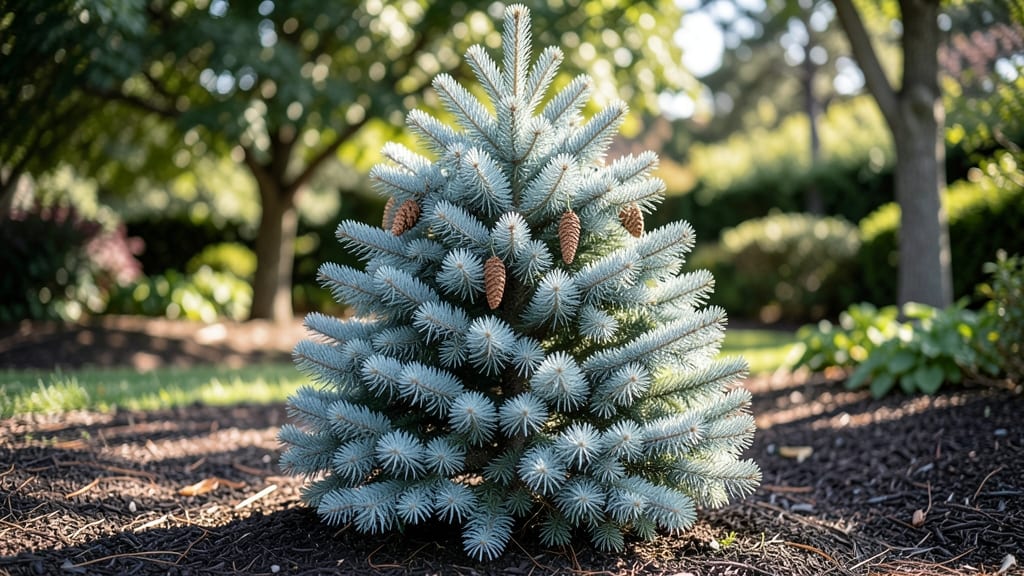
Your Colorado Blue Spruce (Picea pungens 'Glauca') won't just survive winter—it'll steal the show all year. 🌲 The secret to its striking blue-green needles and perfect Christmas tree shape starts with the right planting spot and soil prep, but trust me, it's simpler than you think.
This hardy evergreen thrives in full sun with well-draining soil, and once established, it barely needs watering. I've seen them grow from a 5-gallon sapling to 20 feet tall in just 10 years with almost no maintenance—just occasional pruning to shape those branches.
The key is planting it where it can grow undisturbed for decades. By summer, you'll have a lush, dense tree with that signature silvery-blue hue that makes neighbors do double takes. Even in winter, when other evergreens brown, this one stays vibrant and full.
The best part? It doubles as a living Christmas tree you can decorate every year. For homeowners and commercial growers alike, this spruce is the ultimate low-maintenance evergreen. Let's get it planted right the first time—no second-guessing needed.
📚 In This Guide
- What you need
- Instructions
- Tips and common mistakes
- Wrapping up and next steps
What you need
- ● 1-2 Colorado Blue Spruce (Picea pungens) saplings (3-5 ft tall for mature growth, or 1-2 ft for smaller starter trees).
- ● High-quality, well-draining potting soil (or native soil amended with compost for outdoor planting).
- ● Organic mulch (3-4 inches of pine straw, wood chips, or shredded bark).
- ● Slow-release fertilizer (balanced 10-10-10 or evergreen-specific formula).
- ● Pruning shears (bypass pruners, sharp and clean, with a 10-12 inch blade for precision).
- ● Gloves (heavy-duty gardening gloves to protect from sap and thorns).
- ● Trowel or spade (for digging planting holes or amending soil).
- ● Watering can or hose with a gentle spray nozzle (for deep watering).
- ● Measuring tape (to ensure proper spacing—6-10 feet apart for mature trees).
- ○ Ladder or step stool (optional, for reaching higher branches during pruning).
- ● Tree stakes and ties (to support young saplings in windy areas).
- ● Anti-desiccant spray (for winter protection in harsh climates).
- ● Soil moisture meter (to monitor watering needs).
- ● Decorative lights or ornaments (for year-round holiday flair!).
Step-by-step instructions for planting and caring for a Colorado spruce Christmas tree
Here's how to plant and nurture a stunning Colorado spruce that stays lush year after year.
🪴 Step 1: Choose and Prepare the Planting Site
Colorado spruces thrive in full sun with at least 6 hours of direct light daily. Pick a spot with well-draining soil—they hate soggy roots. I dig a hole twice as wide as the root ball but only as deep as the container it came in. This prevents burying the trunk too deep, which can cause rot.
Amend the native soil with a mix of compost and peat moss to improve drainage and fertility. Sprinkle a handful of slow-release fertilizer into the hole and mix it with the soil. The goal is loose, airy soil that lets roots spread easily. Tap the sides of the hole gently to settle the soil without compacting it.
🌱 Step 2: Plant the Colorado Spruce with Care
Remove the tree from its container and gently loosen the roots if they’re circling. Place the spruce in the hole so the top of the root ball sits 1-2 inches above ground level. This ensures proper drainage and prevents water pooling around the trunk. Backfill with the amended soil, pressing lightly as you go to eliminate air pockets.
Water deeply right after planting to help the soil settle around the roots. You’ll know it’s enough when water drains through the bottom of the hole. Mulch the base with 2-3 inches of organic mulch, keeping it 6 inches away from the trunk to prevent rot. This protects the roots from temperature swings and retains moisture.
☀️ Step 3: Water and Maintain for Year-Round Health
Water your Colorado spruce once a week during the first growing season, giving it 1-2 gallons of water per week depending on rainfall. Check the soil—it’s time to water when the top 2 inches feel dry. Overwatering is the biggest mistake; these trees prefer dry feet and can rot if left soggy.
Fertilize in early spring with a balanced, slow-release fertilizer to encourage new growth. I use a 10-10-10 formula at half-strength to avoid burning the roots. Prune only to remove dead or damaged branches in late winter or early spring. Colorado spruces grow naturally dense, so minimal shaping is needed—just tidy up any stragglers.
✂️ Step 4: Protect and Enjoy Your Evergreen Beauty
Colorado spruces are drought-tolerant once established, but they still need protection from harsh winds and extreme cold. In winter, a light layer of mulch around the base helps insulate the roots. If your tree is young, consider wrapping the trunk with burlap during the coldest months to prevent sunscald.
Watch for signs of stress like yellowing needles or sparse growth. These often indicate overwatering, poor drainage, or nutrient deficiency. Adjust your care routine accordingly—less water, better soil, or a boost of fertilizer can turn things around. With proper care, your Colorado spruce will stay vibrant for decades, offering year-round color and texture to your landscape.
Tips & tricks for perfect Colorado spruce planting and care
Your Colorado spruce can become a stunning centerpiece for years—here's how to set it up for success from day one.
Sunlight Secret: That 6 hours of direct sunlight is non-negotiable! If your yard has partial shade, plant it where it gets the most sun possible—even 30 minutes less sunlight can cause sparse growth. I've seen spruces in shadier spots struggle to maintain their signature dense foliage, so choose wisely.
Root Ball Placement: The 1-2 inches above ground level rule is crucial—don't bury the root ball deeper than the container it came in. I learned this the hard way when my first spruce developed rot from being planted too deep. Use a level to check before backfilling.
Watering Wisdom: After planting, water until it drains through the bottom of the hole—this ensures proper root settling. During the first year, stick to the once-weekly 1-2 gallons guideline, but always check those top 2 inches of soil first. Overwatering is the #1 killer of young spruces, so when in doubt, wait a day.
Mulch Magic: That 2-3 inches of organic mulch should stay 6 inches away from the trunk—this prevents rot while keeping roots cozy. I use cedar mulch because it naturally repels pests while breaking down slowly. Just refresh it annually to maintain that protective layer.
Pro Tips for Christmas Tree Colorado Spruce
- Your Colorado spruce can become a stunning centerpiece for years—here's how to set it up for success from day one.
- Sunlight Secret: That 6 hours of direct sunlight is non-negotiable!
- Root Ball Placement: The 1-2 inches above ground level rule is crucial—don't bury the root ball deeper than the container it came in.
Frequently asked questions
How often should I prune a Colorado Blue Spruce?
A Colorado Spruce thrives with minimal pruning—just remove dead or diseased branches once a year (late winter or early spring). Light shaping (if desired) can be done every 2–3 years. Avoid over-pruning; these trees grow slowly and heal best with patience! Pro tip: Never cut more than 25% of the foliage at once.
When is the best time to trim my Colorado Spruce?
Late winter (February–March) is ideal for pruning—before new growth starts. Avoid trimming in summer or fall, as it stresses the tree. If you must prune for safety (e.g., overhanging branches), do it in early spring to minimize shock. Timing matters: Wait until temps are consistently above freezing.
Can I prune a Colorado Spruce in winter?
Yes, but with caution! Prune only if branches are dead or hazardous. Live branches in winter are dormant and more vulnerable to damage. If trimming in cold months, use sterilized, sharp tools and avoid excessive cuts. Winter rule: Less is more—prioritize safety over aesthetics.
What if my Colorado Spruce looks sparse after pruning?
Don’t panic! Colorado Spruces are slow growers and may take 1–2 years to fill back in. Focus on healthy growth (water deeply, avoid over-fertilizing) and resist the urge to prune again too soon. If the tree is uniformly sparse, it might need sunlight or soil adjustments—not pruning.
Are there alternatives to pruning for shaping my spruce?
Use natural growth guides like:
- Trellising young trees with soft ties to encourage upward growth.
- Selective planting—place near taller trees to create a "forest" effect.
- Mulching to protect roots and promote fuller growth.
Wrapping up and next steps
Ready to bring year-round evergreen beauty to your home with a Christmas Tree Colorado Spruce?
This hardy tree thrives with minimal pruning, making it a perfect choice for both holiday cheer and lasting greenery. 🌲✨ Whether you’re a first-time tree owner or a seasoned gardener, its resilience and stunning color make it a standout addition.
Now that you’re equipped with the right tools, tips, and answers, take the next step! Visit a local nursery, assess your space, and get ready to enjoy the timeless elegance of this iconic evergreen. Happy planting—and may your home stay festive all year long! 🎄💚