
Pruning
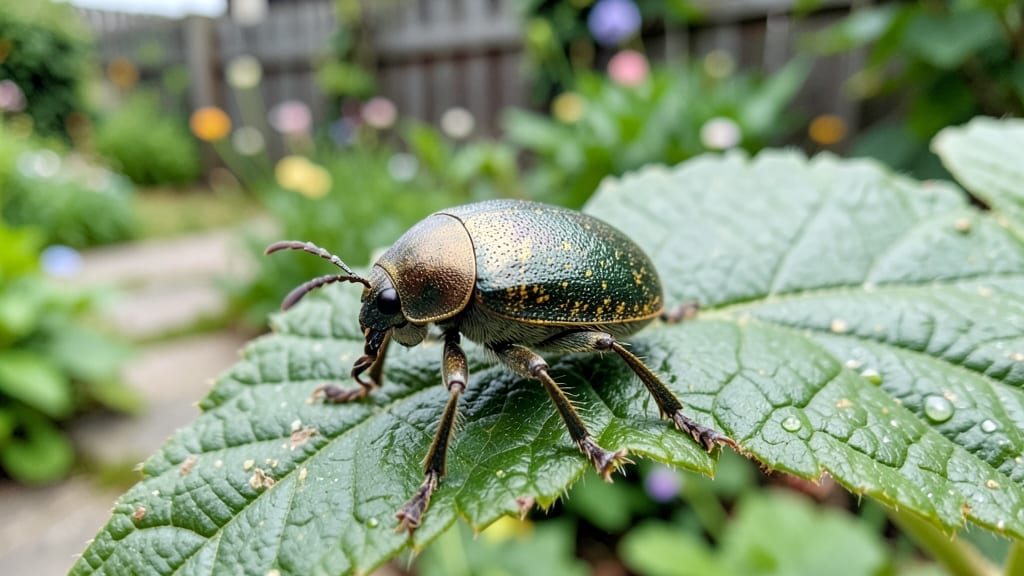
Elderberry tree bugs can turn your lush harvest into a pest-ridden nightmare—unless you act fast. 🌿 I’ve battled everything from sap-sucking aphids to voracious Japanese beetles, and I’ll show you how to spot their damage early and stop them before they ruin your berries.
The key is knowing which bugs to watch for and how they attack your tree.
Most problems start with tiny signs: curled leaves, sticky residue on branches, or chewed berries. Aphids drain sap, leaving yellowed leaves and black sooty mold, while Japanese beetles skeletonize foliage in hours.
Even spider mites—barely visible—can weaken your tree by sucking out cell contents. The good news? Most can be controlled without harsh chemicals if you catch them early.
You’ll learn to identify the most common pests by their damage patterns, then use targeted sprays (like neem oil or insecticidal soap) or introduce beneficial predators like ladybugs. Prevention is easier than cleanup—prune regularly, remove infested branches, and keep the area around your tree free of debris where pests hide.
By the end, your elderberry tree will be thriving with healthy, pest-free berries—no more wasted harvests. Let’s get your tree back on track with these simple, effective strategies.
Root Causes of Elderberry Invaders
Understanding why pests target your elderberry tree is the first step in reclaiming a thriving, bug-free harvest. These tiny troublemakers don’t just appear out of nowhere—they’re drawn by specific conditions that make your tree an all-you-can-eat buffet.
Let’s break down the science behind their behavior and how your tree’s environment might be inviting them in.
A healthy elderberry tree has natural defenses—thick bark, resilient leaves, and even chemical signals that repel pests. But when these defenses weaken, bugs move in like uninvited guests at a dinner party. Here’s why your tree might be sending out a "Welcome!" sign:
- Nutrient Deficiencies Elderberries thrive on a balanced diet of nitrogen, phosphorus, and potassium. When soil lacks these nutrients, trees become stressed and produce weaker foliage—perfect for pests like elderberry sawfly larvae or Japanese beetles to munch on.
A quick soil test can reveal deficiencies, and organic amendments (like compost or bone meal) can restore balance.
- Water Stress Overwatering or drought can both weaken trees. Root rot from soggy soil disrupts nutrient uptake, while drought forces trees to conserve water, making leaves less tough and more appealing to sap-sucking insects like aphids or scale insects.
Aim for 1–1.5 inches of water per week, adjusting for rain.
- Disease Pressure Fungal infections (e.g., powdery mildew) or bacterial diseases create entry points for pests. For example, elderberry shoot borers target trees already stressed by disease, as the damaged tissue is easier to penetrate. Prune infected branches immediately and apply copper fungicides if needed.
Pests aren’t picky—they go where the food is abundant and easy to access. Elderberry trees, especially young or overripe ones, can become a five-star restaurant for bugs. Here’s what makes your tree a magnet:
- Overripe or Damaged Fruit Elderberries ripen in late summer, and when they’re left on the tree too long, they become soft, sugary, and irresistible to fruit flies, wasps, and beetles.
Overripe berries also ferment, releasing odors that attract pests from miles away. Harvest regularly and remove fallen berries to avoid a bug buffet.
- Lush, Untamed Growth Dense foliage creates hidden microclimates where humidity and warmth thrive—perfect for spider mites and thrips. Prune your elderberry tree in early spring to improve airflow and sunlight penetration, reducing hiding spots for pests.
- Nearby Host Plants Many elderberry pests (like Japanese beetles or aphids) have other favorite plants, such as raspberries, grapes, or roses. If these grow nearby, your elderberry tree becomes an easy stopover for migrating insects. Remove weeds and alternate crops to disrupt their life cycle.
Some pests target elderberries only at specific times due to their life cycles. Understanding these patterns helps you strike when they’re most vulnerable:
- Spring Emergence Elderberry sawfly larvae and leafhoppers appear in spring when new leaves unfurl. These pests feed on tender growth, stunting shoots. Monitor closely in April–May and use neem oil or insecticidal soap as a preventative spray.
- Summer Swarms Japanese beetles and fruit flies peak in July–August when elderberries are ripe. These insects are drawn to alcohol and fermenting sugars, so overripe berries accelerate their infestation. Set up traps early and handpick beetles during peak hours (early morning or late evening).
- Winter Hibernation Some pests, like scale insects, lay eggs in tree bark over winter. If left unchecked, they’ll hatch in spring and sap your tree’s energy. Scrape off egg masses in late winter or apply dormant oil to smother them before they wake up.
Pro Tip: 💡 Keep a pest journal! Note when infestations peak in your area—this helps you time interventions (like spraying or pruning) for maximum effectiveness.*
Quick Fixes for Elderberry Tree Pests
When pests invade your elderberry tree, acting fast can save your harvest and the health of your plant. Below are targeted solutions for common invaders, organized by cause and paired with easy fixes. Prevention tips are included to keep your tree thriving long-term.
Signs: Sticky residue (honeydew), curled leaves, or fine webbing on undersides.
🔥 Immediate Action: Blast Them Away
- Spray with water 💦: Use a strong hose nozzle to dislodge aphids from leaves and stems. Repeat every 3–4 days until gone.
- Neem oil spray 🌿: Mix 1 tbsp neem oil + 1 tsp mild soap in 1 quart of water.
Spray early morning/evening to avoid harming bees. Reapply after rain. - Introduce predators 🐞: Ladybugs and lacewings eat aphids naturally—buy them online or attract them with companion plants like dill or fennel.
🛡️ Prevention Tips
- Prune regularly ✂️: Remove infested leaves immediately and dispose of them in sealed bags.
- Encourage biodiversity 🌱: Plant marigolds or garlic near elderberries to repel pests.
- Monitor early 👀: Check undersides of leaves weekly during spring/summer.
Signs: Sawdust-like frass near bark, wilting branches, or exit holes.
🍳 DIY Borer Trap & Treatment
- Bait & trap 🎣: Drill holes in tree trunks, insert toothpicks coated in borer-killing oil (like horticultural oil), or use commercial traps.
- Prune & burn 🔥: Cut off heavily infested branches below the damage (2–3 inches) and burn or seal them in a trash bag.
- Beneficial nematodes 🐛: Apply Heterorhabditis bacteriophora (sold at garden centers) to soil around the base—these microscopic worms kill borer larvae.
🌡️ Prevention Tips
- Keep trees healthy 💧: Water deeply during droughts and fertilize with compost to strengthen bark.
- Inspect bark 🔍: Look for entry holes or sap oozing annually in late winter/early spring.
- Avoid wounding ⚠️: Use sharp pruners to make clean cuts and seal large wounds with pruning paint.
Signs: White powdery coating on leaves, yellowing, or leaf drop.
👨🍳 Organic Fungicide Mix
- Baking soda spray 🧂: Mix 1 tsp baking soda + 1 tbsp oil + 1 quart water + a drop of soap.
Spray both sides of leaves weekly until symptoms fade. - Copper fungicide 🛡️: Use a low-concentration spray (follow label) for severe cases—avoid overuse to prevent soil damage. - Improve airflow 🌬️: Thin dense foliage and space plants 4–6 feet apart to reduce humidity.
🎯 Prevention Tips
- Water at the base 💦: Avoid wetting leaves to prevent spore spread.
- Rotate sprays 🔄: Alternate between neem oil and baking soda sprays to avoid resistance.
- Remove debris 🧹: Clear fallen leaves and prunings from under the tree to eliminate fungal spores.
Signs: Ragged, skeletonized leaves with chewed edges.
🔪 Handpick & Trap
- Handpick beetles 👊: Drop them into soapy water (they’re most active in early morning).
- Milky spore treatment 🌱: Apply Bacillus popilliae to soil—it’s a natural, long-term solution (takes 2–3 years to work).
- Traps (use with caution!) 🪲: Place traps far from your tree—they can attract more beetles if too close.
✨ Prevention Tips
- Apply kaolin clay 🏺: Mix with water and spray on leaves to create a barrier they dislike.
- Plant repellents 🌿: Marigolds, catnip, or rosemary deter beetles.
- Net young trees 🛡️: Use fine netting during peak beetle season (July–August).
- Inspect weekly 👀: Check leaves, bark, and soil for early signs.
- Clean up 🧹: Remove fallen fruit, leaves, and debris year-round.
- Rotate methods 🔄: Avoid overusing one pesticide to prevent resistance.
- Feed the tree 🍃: Healthy trees resist pests better—mulch with compost and use balanced fertilizer.
Pro Tip: 💡 For severe infestations, consult a local arborist—they can recommend region-specific solutions!
Frequently asked questions about elderberry tree pests
What are the most destructive bugs for elderberry trees?
The worst offenders include elderberry sawfly larvae (they defoliate trees in days), Japanese beetles (chew leaves into lace-like patterns), and aphids (leave sticky honeydew that attracts mold). Shoot borers and scale insects also cause serious damage by tunneling into bark or sucking sap.
How do I tell if my tree has spider mites?
Look for tiny yellow speckles on leaves (mite feeding damage), fine webbing between branches, and leaves that appear dusty or bronzed. Hold a white sheet under the tree and shake branches—mites will drop and appear as moving specks. They thrive in dry, hot conditions, so check during summer droughts.
Is neem oil safe for elderberry trees?
Yes, neem oil is highly effective and safe when used correctly. Mix 1 tablespoon with 1 teaspoon mild soap in 1 quart water and spray early morning/evening to avoid harming pollinators. Reapply after rain. It works on aphids, mites, and young beetles but won't kill adult beetles—combine with handpicking for best results.
Can I save my tree if it's already heavily infested?
Early action is key, but even heavily damaged trees can recover with aggressive treatment. Prune all infested branches (seal cuts with pruning paint), apply beneficial nematodes for soil pests, and use kaolin clay as a protective barrier. For severe cases, consult an arborist—they may recommend systemic treatments if organic methods fail.
Why do Japanese beetles target my elderberries?
Japanese beetles are drawn to ripe elderberries and the tree's sweet sap. They peak in July-August when berries are soft and fermenting. The beetles also love nearby roses, grapes, and viburnum—remove these if possible. Handpick them in early morning (they're sluggish then) or use milky spore treatment for long-term control.