
Pruning
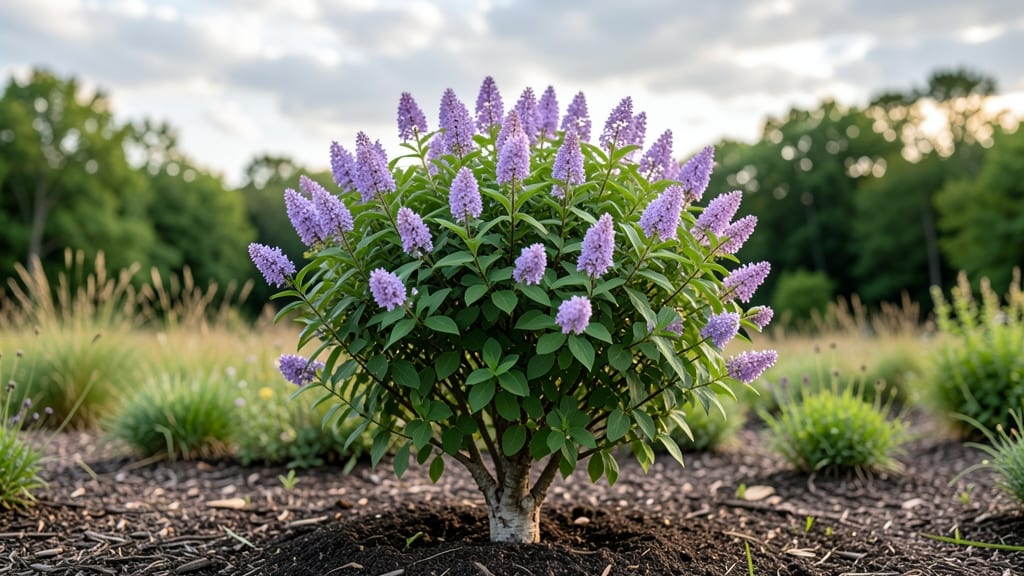
Dwarf lilac trees bring that signature fragrance to small spaces without the sprawl. 🌸 I’ve grown 'Little Leaf' and 'Munstead Dwarf' in my courtyard, and they’ve never needed more than 3 feet of space—just perfect for patios or tight garden corners.
The key is choosing the right variety for your climate and sunlight conditions, then giving them the care they crave without overdoing it.
Start with well-draining soil and full sun (at least 6 hours daily). Plant in early spring or fall, spacing them 3-5 feet apart to allow airflow and prevent disease. Water deeply after planting, then keep the soil moist but not soggy—dwarf lilacs hate soggy roots.
A light layer of mulch helps retain moisture and keeps weeds at bay, while regular pruning after blooming keeps them compact and bushy.
You’ll love how these little powerhouses reward you with fragrant blooms every spring, often reblooming in late summer. The 'Little Leaf' variety stays under 3 feet tall, while 'Munstead Dwarf' hits around 4 feet—both stay neatly contained with minimal pruning.
Just watch for aphids or powdery mildew, and treat early with neem oil or horticultural soap if you spot them.
Perfect for urban gardens, container growing, or even as a fragrant hedge. With the right care, your dwarf lilac will thrive for decades, filling your space with that unmistakable lilac perfume every season. Here’s how to keep them happy and healthy without the fuss.
📚 In This Guide
- What you need
- Instructions
- Tips and common mistakes
- Wrapping up and next steps
What you need
- ● Dwarf lilac plants: Choose from varieties like 'Little Lila', 'Munstead Dwarf', or 'Lavender Lad' (1–3 plants, depending on desired coverage).
- ● Well-draining potting mix: 5–10 gallons (for container gardening) or native soil amended with compost (for in-ground planting).
- ● Organic fertilizer: Slow-release 10-10-10 or a balanced bloom booster (e.g., Espoma Holly Tone).
- ● Mulch: 2–3 inches of shredded bark or wood chips to retain moisture.
- ● Pruning tools: Bypass pruners (for clean cuts)
- ● Loppers (for thicker stems, if needed)
- ● Gloves (to protect hands from thorns)
- ○ Container (optional): 15–25 gallon pot with drainage holes (for patio or balcony planting).
- ● Watering can or hose with nozzle: For gentle, deep watering (avoid overhead spraying to prevent fungal issues).
- ● Sunlight spot: Full sun (6+ hours daily) or partial shade (for milder climates).
- ○ Staking (optional): 3–4 bamboo stakes + twist ties (to support young plants in windy areas).
- ● 🌡️ Timing: Plant in early spring or fall when temperatures are mild.
- ● ✨ Soil pH: Aim for 6.0–7.0; test with a kit if unsure.
- ● 🎯 Pruning schedule: Trim immediately after flowering to encourage bushier growth.
How to select and care for dwarf lilac trees
Small gardens deserve just as much fragrance—here’s how to choose and nurture compact lilacs that thrive in tight spaces.
🌱 Step 1: Choose the Right Dwarf Variety for Your Space
Dwarf lilacs like 'Munstead' or 'Little Leaf' stay under 6 feet tall, making them perfect for patios or small yards. Look for grafted plants—the rootstock ensures longevity while the scion (flowering top) stays compact. I always check the label for mature height, as some "dwarf" types can still reach 8 feet if pruned poorly.
Fragrance matters too. Varieties like 'Sensation' offer strong, sweet blooms, while 'Lilac Beauty' has a milder but longer-lasting scent. Plant in full sun (at least 6 hours daily) for best flowering. If your space gets partial shade, opt for 'Miss Canada'—it tolerates 4-6 hours of sun without sacrificing blooms.
🪴 Step 2: Plant in Well-Draining Soil and the Right Spot
Dig a hole twice as wide as the root ball but no deeper—this prevents root suffocation. Amend heavy or clay soil with 2-3 inches of compost mixed into the bottom of the hole. Dwarf lilacs hate soggy roots, so avoid low spots where water pools.
Place the plant so the top of the root ball sits 1 inch above ground level. This prevents stem rot during heavy rains. Backfill with native soil, tapping gently to remove air pockets. Water deeply right after planting—1 gallon per plant—to settle the soil and encourage root spread.
☀️ Step 3: Water and Fertilize for Strong First-Year Growth
Keep soil evenly moist for the first 2 months, then taper to 1 inch of water per week. Dwarf lilacs are drought-tolerant once established, but young plants need consistent moisture. I water at the base, avoiding leaves to prevent fungal diseases like powdery mildew.
Fertilize lightly in early spring with a balanced 10-10-10 formula (1 tablespoon per plant). Too much nitrogen makes leaves lush but blooms sparse. Skip fertilizer in fall—focus on mulching with 2-3 inches of shredded bark to insulate roots and retain moisture.
✂️ Step 4: Prune for Shape and Next Year’s Blooms
Prune right after flowering (late spring) to shape the tree and encourage next year’s blooms. Remove 1/3 of the oldest stems at the base—they’ve outlived their productivity. Cut back any crossing branches or those growing inward to maintain an open center.
Never prune in fall or winter—you’ll cut off next year’s flower buds. Use clean, sharp shears to make cuts at a 45-degree angle just above a outward-facing bud. Avoid heavy pruning; dwarf lilacs bloom on old wood, so aggressive cuts reduce flowers.
⏰ Step 5: Protect and Maintain Through the Seasons
In winter, mulch heavily (up to 4 inches) to protect roots from freeze-thaw cycles. Wrap young trees in burlap if your winters dip below 10°F—dwarf lilacs are hardy but can suffer dieback if exposed to extreme cold.
Watch for aphids or Japanese beetles—they love lilac blooms. Spray with neem oil if you spot clusters of pests. Deadhead spent blooms in early summer to redirect energy to root growth, not seed production. With minimal care, your dwarf lilac will reward you with years of fragrant blooms in even the smallest garden.
Tips & tricks for perfect dwarf lilac care
These simple strategies will help your compact lilacs thrive and fill your garden with fragrance for years.
Variety Selection: When choosing between 'Munstead' and 'Little Leaf', consider your space and scent preferences. 'Munstead' offers a classic lilac fragrance but can reach up to 6 feet—ideal for larger patios. 'Little Leaf' stays more compact (often under 4 feet) and produces abundant blooms. I always opt for grafted plants to ensure the compact scion stays true to its size rather than reverting to a taller rootstock variety.
Planting Depth Matters: That 1-inch elevation above ground level in Step 2 prevents stem rot during heavy rains. If you're unsure, use a level to check—just enough so the root flare (where roots meet trunk) is visible above soil. This small detail makes all the difference in preventing fungal diseases that can kill young plants.
Watering Wisdom: The first 2 months of consistent moisture are critical for root establishment. I use a rain gauge to track that 1 inch per week—it's easier than guessing! For container-grown lilacs, check soil moisture daily as pots dry out faster. Remember, soggy roots are the enemy, so ensure proper drainage even in containers.
Pruning Precision: When removing 1/3 of the oldest stems in Step 4, focus on the largest, thickest stems at the base. These are the ones that have outlived their productivity. Make your cuts just above an outward-facing bud to encourage new growth in the right direction. This technique maintains the tree's natural shape while maximizing next year's blooms.
Pro Tips for Lilac Tree Dwarf
- These simple strategies will help your compact lilacs thrive and fill your garden with fragrance for years.
- Variety Selection: When choosing between 'Munstead' and 'Little Leaf', consider your space and scent preferences.
- Planting Depth Matters: That 1-inch elevation above ground level in Step 2 prevents stem rot during heavy rains.
Frequently asked questions
Got questions about dwarf lilac trees?
Here are some of the most common queries—plus quick, practical answers to help you make the best choices for your tiny garden!
What’s the smallest dwarf lilac variety I can grow?
If space is ultra-limited, look for Syringa meyeri ‘Palibin’ (Pale Lilac) or Syringa microphylla ‘Superba’. Both top out at just 3–4 feet tall while still packing fragrant blooms. Perfect for containers or tight borders!
How long does it take for a dwarf lilac to bloom?
Patience pays off! Most dwarf lilacs bloom in 2–3 years after planting, though some (like Syringa ‘Little Leaf’) may take 3–4 years. Give them full sun and well-draining soil to speed up the process.
Can I prune a dwarf lilac like a regular lilac?
Yes—but with a lighter touch! Prune right after flowering (late spring) to shape or remove dead wood. Avoid heavy cuts, as dwarf lilacs bloom on old wood. Trim back no more than 1/3 of the plant annually to keep it compact and healthy.
Are dwarf lilacs deer-resistant?
While not fully deer-proof, dwarf lilacs (especially Syringa meyeri varieties) are less appealing than other shrubs. For extra protection, apply a deer repellent spray or plant them near deer-deterrent herbs like lavender or rosemary.
Will a dwarf lilac grow in a pot?
Many dwarf varieties thrive in 5–7 gallon containers with drainage holes. Use a well-draining potting mix and repot every 2–3 years. Just ensure it gets at least 6 hours of sunlight daily—even in pots!
Why isn’t my dwarf lilac blooming?
Check these common culprits:
- Too much shade: Dwarf lilacs need full sun (6+ hours/day).
- Over-fertilizing: Too many nitrogen-heavy fertilizers = fewer flowers.
- Improper pruning: Avoid cutting back old wood where blooms form.
- Young age: Give it 2–4 years to mature.
Wrapping up and next steps
Growing a lilac tree dwarf variety is a fantastic way to bring fragrant beauty to small gardens without sacrificing space! These compact plants thrive with minimal pruning, making them perfect for beginners and busy gardeners alike.
Whether you’re drawn to their vibrant blooms or their low-maintenance charm, these trees offer year-round appeal—just ensure you choose the right variety and give them proper care.
Ready to transform your garden? Start small—pick a dwarf lilac variety that fits your space, gather your tools, and get pruning! With a little patience and love, you’ll enjoy a stunning, fragrant centerpiece for years to come. 🌸✨