
Container Gardens
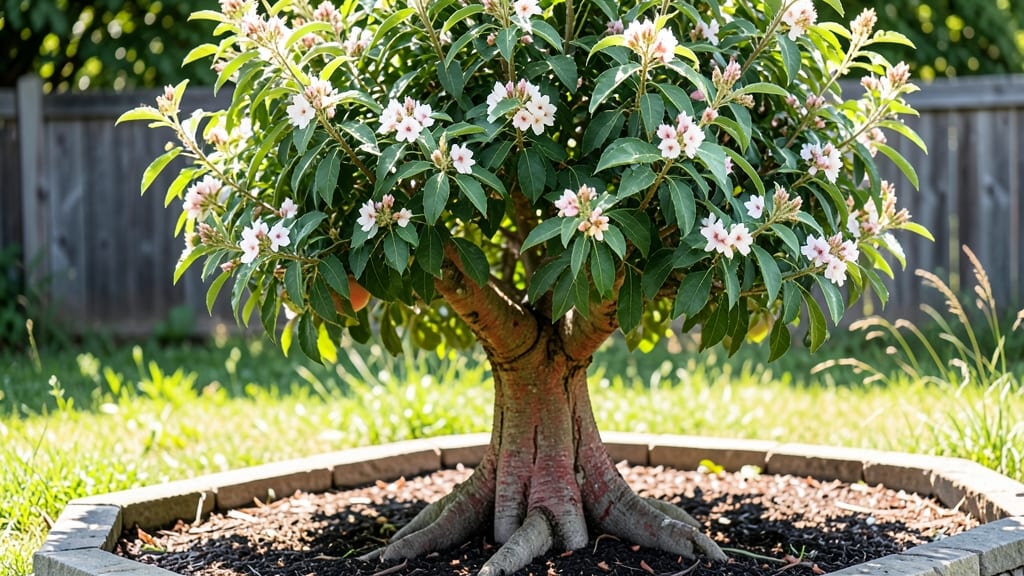
Donut peach trees grow best in USDA zones 5 through 9, where cold-hardy varieties like 'Redhaven' and 'Elberta' can survive zone 5 winters. Zones 6-8 provide ideal conditions for peak fruit production, while zone 9 requires extra winter chilling to ensure proper dormancy.
Understanding your USDA growing zone is crucial because peach trees need a specific number of chilling hours (below 45°F) to break dormancy and produce fruit. 🌱 For example, 'Redhaven' needs about 500-700 hours, making it perfect for zone 5, while 'Sanguinelli' thrives in zone 9 with only 200-300 hours.
The wrong zone can lead to poor fruit set or even tree death during harsh winters. I always recommend checking your local microclimate—some zone 5 areas may experience milder winters than others, allowing for successful peach cultivation with proper care.
If you're in zone 9, you'll need to provide artificial chilling by storing trees in a cool garage during winter or choosing low-chill varieties. This adjustment ensures your peach tree meets its dormancy requirements for healthy growth and abundant harvests.
The key is matching the right cultivar to your specific climate conditions.
💡 In This Article
- How Cold Tolerance Affects Donut Peach Tree Varieties
- Best Donut Peach Tree Cultivars by USDA Zone
How cold tolerance affects donut peach tree varieties
Peach trees rely on a biological process called dormancy, triggered by exposure to prolonged cold temperatures. This is measured in chilling hours—the cumulative time below 45°F that a tree needs to break dormancy and produce fruit.
For example, 'Redhaven' requires 500-700 chilling hours, perfectly suited for zone 5 where winters regularly drop below freezing for extended periods. The science behind this involves specialized proteins that form in the tree's buds during cold exposure, protecting them from freezing while preparing for spring growth.
Temperature thresholds vary dramatically between varieties. Trees in zone 9, like 'Sanguinelli', only need 200-300 chilling hours—a stark contrast to their northern counterparts.
This is why zone 9 peach trees often struggle without artificial chilling or proper winter care. 🌡️ The critical factor isn't just the lowest temperature but the duration of cold exposure.
A single hard freeze at -10°F can kill tender varieties, while gradual cooling over months helps hardy trees like 'Halehaven' survive zone 5 winters without damage.
What most gardeners don't realize is that even within a USDA zone, microclimates create significant variations. A sheltered spot in zone 5 might experience 100-200 fewer chilling hours than an exposed area, potentially making it unsuitable for high-chill varieties.
This is why local climate data and tree placement matter just as much as the official zone designation. For instance, planting near a south-facing wall can add 50-100 extra chilling hours by extending cold exposure during winter.
Cold tolerance also affects fruit quality. Trees that receive insufficient chilling often produce smaller, lower-quality fruit or fail to fruit altogether. The buds require this cold period to properly develop, and skipping it leads to what horticulturists call "chill hour deficiency."
This is why zone 9 growers must either choose low-chill varieties or implement artificial chilling methods like refrigeration during winter dormancy. The trade-off is clear: more chilling hours mean better cold hardiness but potentially smaller fruit size in some varieties.
Here's the practical takeaway: if you're in zone 5, prioritize varieties like 'Redhaven' or 'Elberta' that thrive in harsh winters. In zone 9, focus on 'Sanguinelli' or 'Flavorcrest' while being prepared to supplement chilling.
The right match between your climate and the tree's chilling requirements determines whether you'll enjoy a bountiful harvest or struggle with poor fruit set. 🌿
For those in transitional zones (like zone 6), consider semi-dwarf varieties that balance cold tolerance with fruit production. These trees often have intermediate chilling requirements (400-600 hours) and can adapt better to fluctuating winter temperatures.
The key is always to check both the USDA zone and your specific microclimate before selecting a cultivar.