
Flowers
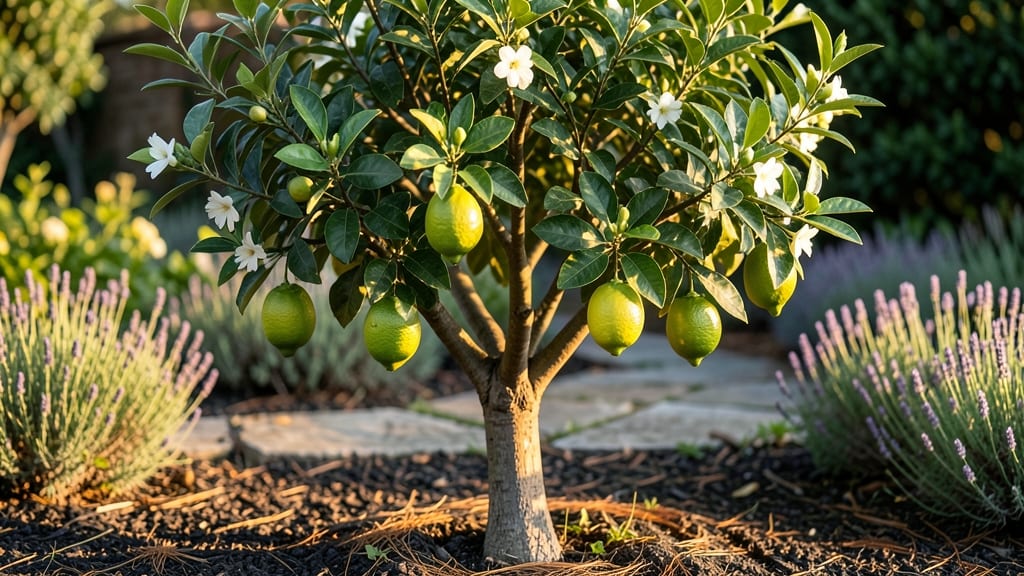
Citrus tree flowers are the fragrant heralds of summer—those delicate white blossoms that transform your yard into a Mediterranean paradise. 🌸 I’ve watched my Meyer lemon tree burst into bloom every spring, filling the air with a sweet, intoxicating scent that lasts for weeks, and I’m here to share how you can coax those blossoms to life in your own garden.
The secret starts with sunlight and soil: citrus trees demand 6+ hours of direct sun daily and well-draining, slightly acidic soil. Overwatering or poor drainage kills flowers before they open, so I’ve learned to let the top inch of soil dry between waterings.
A little winter chill (but no frost!) also triggers better blooming—nature’s way of timing things perfectly. Once flowers appear, protect them from pests like aphids and scale, which suck the life from buds. A gentle spray of neem oil keeps them at bay while letting pollinators do their work.
With the right care, you’ll see those blossoms turn into fruit within 6-9 months, and the scent alone is worth every effort. Works for both outdoor trees and container-grown citrus in sunny patios. Let’s get those blossoms blooming!
📚 In This Guide
- What you need
- Instructions
- Tips and common mistakes
- Wrapping up and next steps
What you need
- ● Citrus tree: Seedlings or saplings (choose from varieties like Meyer lemon, Calamondin orange, or Kumquat for reliable blooms).
- ○ Optional: Grafted citrus trees (for faster flowering and fruit production).
- ● Well-draining soil: 50% potting mix (for containers) or native soil amended with organic compost (20-30%).
- ● 20% perlite or coarse sand (to prevent root rot).
- ● Fertilizer: Balanced citrus-specific fertilizer (e.g., 6-6-6 NPK ratio).
- ● Slow-release granules (apply every 3-4 months).
- ○ Optional: Liquid seaweed extract (for a natural boost).
- ● Containers (if potted): Minimum 15-gallon pot (20+ gallons for mature trees).
- ● Drainage holes (mandatory to avoid soggy roots!).
- ● Watering tools: Drip irrigation system or watering can with a rose attachment (to avoid leaf damage).
- ● Pruning tools: Sharp bypass pruners (for clean cuts).
- ○ Optional: Sterilizing solution (rubbing alcohol + water) to prevent disease.
- ● Sunlight: Full sun (6+ hours daily). Partial shade in hot climates (🔥 Pro Tip: Use shade cloth in summer if temps exceed 90°F).
- ● Climate: USDA Zones 8-11 (or indoor growing with grow lights).
- ● pH Level: Slightly acidic soil, pH 6.0–7.0 (test kit recommended).
- ● Patience: Citrus trees take 2–5 years to flower (dwarf varieties may bloom sooner!).
Step-by-step guide to encouraging citrus tree flowers year-round
Here's how I coax abundant, fragrant citrus blossoms from your tree—no matter the season.
🌱 Step 1: Provide the Right Light and Temperature
Citrus trees need full sun—at least 8 hours daily—to trigger flowering. Place your tree near a south-facing window or under grow lights if indoors. Most citrus varieties bloom best when daytime temperatures stay between 65-85°F and nights dip to 55-65°F. If your climate runs cooler, move potted trees indoors before temperatures drop below 50°F.
Watch for signs of stress: leaves yellowing or dropping? That’s your cue to adjust light or warmth. A healthy tree with glossy, dark green leaves is primed for flowering. I’ve found that dwarf varieties like Meyer lemon or Calamondin adapt better to indoor conditions, making them ideal for forced blooms.
💧 Step 2: Water and Fertilize for Optimal Growth
Keep the soil consistently moist but never soggy—citrus roots rot easily. Water when the top 1-2 inches of soil feel dry to the touch. In winter, reduce watering to every 2-3 weeks unless your tree is in a small pot, which dries out faster. Overwatering in cool months is a common mistake that stunts flowering.
Feed your tree with a balanced citrus fertilizer (like 6-6-6 or 8-3-9) every 4-6 weeks during spring and summer. In fall and winter, switch to a low-nitrogen, high-phosphorus fertilizer (like 3-12-6) to encourage blooming. You’ll see new growth and buds forming within 4-6 weeks of consistent feeding.
☀️ Step 3: Mimic Seasonal Changes to Trigger Blooms
Citrus trees often need a temperature shift to flower. If your tree isn’t blooming, try this: in late winter, move it to a cooler spot (50-55°F) for 2-4 weeks, then return it to warmer conditions (70-75°F). This mimics the natural winter-to-spring transition. For indoor trees, a heat mat under the pot can help regulate root-zone temperatures.
Prune lightly in early spring to remove dead or crossing branches, which redirects energy to new growth and flowers. Avoid heavy pruning—citrus trees bloom on new wood, so you want to encourage fresh, vigorous shoots. You’ll notice tiny flower buds forming in 3-6 weeks after pruning and temperature adjustments.
✂️ Step 4: Protect Flowers and Encourage Pollination
Once buds appear, protect them from drafts and sudden temperature swings. Citrus flowers are delicate—even a light frost can damage them. If growing indoors, avoid placing the tree near AC vents, heaters, or open windows during cold snaps. A lightweight row cover can shield outdoor trees if frost is forecasted.
Citrus flowers are self-pollinating, but a gentle shake of the branches or a soft paintbrush can help transfer pollen, especially in low-light conditions. You’ll know pollination worked when buds swell and turn slightly green—this happens 4-6 weeks after flowering. Thin overcrowded fruit later to ensure the remaining citrus develops fully.
🌿 Step 5: Maintain for Repeat Blooming
To keep your citrus tree flowering year-round, repeat the seasonal adjustments every 3-4 months. After harvest, reduce watering slightly and resume low-nitrogen fertilizer to prepare for the next bloom cycle. A mature tree can produce 2-4 flushes of flowers annually with consistent care.
Watch for pests like scale or aphids, which suck sap and weaken the tree. Spray with neem oil or insecticidal soap at the first sign of infestation. Healthy leaves mean healthy flowers—so keep an eye on both! With patience, your citrus tree will reward you with fragrant blossoms and sweet fruit for years.
Tips & tricks for perfect citrus tree blooms
Here's what nobody tells you about getting those fragrant citrus blossoms to appear reliably.
Light Optimization: The 8 hours of daily sun is non-negotiable, but don't stop there. If your tree isn't getting direct sunlight, supplement with grow lights positioned 6-12 inches above the tree for 12-14 hours daily. I've seen trees that got only 6 hours of natural light fail to bloom until I added grow lights—suddenly they produced flowers within 3 months.
Temperature Transition Strategy: When you move your tree to cooler 50-55°F conditions for 2-4 weeks, don't just put it in a random spot. Place it near a north-facing window or in a basement with indirect light—this mimics natural winter conditions better. The key is maintaining that consistent temperature range without stressing the tree with sudden temperature swings.
Fertilizer Timing Precision: The 4-6 week feeding schedule during spring/summer is perfect, but here's the secret: apply fertilizer in the morning when temperatures are cooler. This prevents root burn and gives the tree time to absorb nutrients before the heat of the day. In fall/winter, switch to the low-nitrogen fertilizer exactly when you see new growth slowing down—this signals the tree it's time to focus on flowering rather than foliage.
Pest Prevention: Once you see those first buds forming, inspect your tree weekly for early signs of pests. Scale insects love new growth and can completely halt flowering. I start by wiping leaves with a damp cloth to remove any existing pests, then apply neem oil every 7-10 days as a preventive measure. The earlier you catch them, the better your chances of keeping those blossoms intact.
Pro Tips for Citrus Tree Flowers
- Here's what nobody tells you about getting those fragrant citrus blossoms to appear reliably.
- Light Optimization: The 8 hours of daily sun is non-negotiable, but don't stop there.
- Temperature Transition Strategy: When you move your tree to cooler 50-55°F conditions for 2-4 weeks, don't just put it in a random spot.
Frequently asked questions
Got questions about nurturing those stunning citrus tree flowers? You’re not alone! Here are some of the most common queries—plus quick, practical answers to help you grow with confidence.
When do citrus tree flowers bloom, and how long do they last?
Citrus flowers typically bloom in late winter to early spring (depending on your climate), with a second, lighter flush in summer. Each blossom lasts 3–5 days but releases fragrance for up to a week. For year-round blooms, choose varieties like Calamondin or Meyer lemon, which are more prolific.
Why aren’t my citrus tree flowers turning into fruit?
Common culprits include lack of pollination (hand-pollinate with a soft brush), temperature stress (citrus needs warm days/cool nights), or nutrient deficiencies (add citrus-specific fertilizer in early spring). If flowers drop early, it may signal overwatering or root issues—check drainage!
Can citrus flowers survive frost? What should I do if frost is forecasted?
Citrus flowers are frost-sensitive—temperatures below 28°F (-2°C) can kill blooms or young fruit. Protect your tree by:
- Covering it with frost cloth (remove during the day to avoid overheating).
- Wrapping the trunk with burlap or bubble wrap.
- Using string lights or a space heater (safely!) to add warmth.
Are there citrus trees that flower indoors? What’s the best variety?
Yes! Compact varieties like Calamondin or Dwarf Meyer Lemon thrive indoors and produce fragrant flowers year-round. Place them near a south-facing window (6+ hours of light) and use a grow light in winter. Avoid drafts—they hate sudden temperature swings!
Do I need to pollinate citrus flowers by hand? What’s the best way?
While bees often do the job, hand-pollination helps in low-bee areas or for self-pollinating varieties. Use a soft paintbrush or cotton swab to transfer pollen from one flower to another in the morning (when flowers are fresh). Pro tip: Gently shake the tree near blooms to encourage natural pollination too!
My citrus tree flowers are falling off—is this normal, or is something wrong?
Some drop is normal, but excessive shedding may signal:
- Overwatering (check soil moisture—it should dry slightly between waterings).
- Underwatering (wilting flowers = thirsty tree!).
- Pests (inspect for aphids or mites; spray with neem oil if needed).
- Nutrient imbalance (yellow leaves? Add iron or zinc).
Wrapping up and next steps
Citrus tree flowers aren’t just a burst of fragrance—they’re a promise of sweet, tangy harvests to come! 🌸 Whether you’re a seasoned gardener or just starting, nurturing these blossoms with the right care ensures vibrant blooms and juicy fruit.
Now that you’re equipped with the materials, tips, and answers to common questions, it’s time to roll up your sleeves and watch your citrus tree thrive.
Ready to take the next step? Start by planting or pruning your tree this week—and don’t forget to savor those intoxicating blooms while you wait for the fruit! 🍊✨