
Pruning
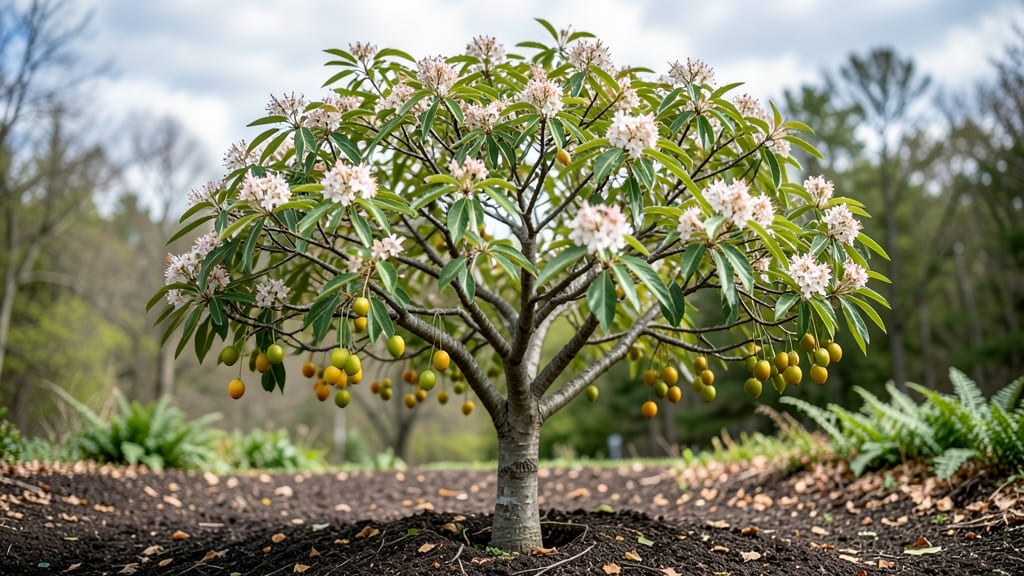
Your Chickasaw plum tree in Florida could produce three times more fruit this season with the right pruning—it’s all about timing and technique. 🌿 I’ve watched these native trees go from scraggly to showstopping in just two years by focusing on shaping for airflow and sunlight, not just cutting back.
The key is working with Florida’s warm winters and humid summers to keep your tree both productive and pest-resistant.
Start by pruning in late winter or early spring before new growth begins. Remove dead, crossing, or crowded branches first—they’re the biggest fruit thieves. Then thin out the canopy to let sunlight reach the center, where most of the fruit forms.
Chickasaw plums thrive on open structure, so avoid heavy pruning that stresses the tree. Think of it as sculpting, not hacking.
What you’ll end up with is a tree that bears sweet, juicy plums from late spring into summer, with fewer pests and diseases. The fruit ripens earlier than many Florida varieties, giving you a head start on harvests.
Plus, the tree’s drought tolerance means less watering once established—just mulch well to keep roots cool.
For Florida gardeners, this tree is a low-maintenance superstar: it handles our heat, attracts pollinators, and even tolerates sandy soil. Just watch for scale insects after pruning and clean up fallen fruit to prevent fungal issues. With these adjustments, your Chickasaw plum will reward you for years.
📚 In This Guide
- What you need
- Instructions
- Tips and common mistakes
- Wrapping up and next steps
What you need
- ● Pruning shears: Bypass pruners (for small branches, 5-7" blades) – 1 pair 🔪
- ● Lopping shears: For thicker branches (1-2" diameter) – 1 pair 🌿
- ● Pruning saw: For branches 2" or larger – 1 saw (handheld or folding)
- ● Gloves: Heavy-duty, cut-resistant gloves – 1 pair (gardening or pruning-specific)
- ● Disinfectant: 70% isopropyl alcohol or bleach solution (1 part bleach to 9 parts water) – Small spray bottle or rag 🧴
- ○ Sealing wax or pruning paste: Optional but helpful for large cuts (1 small tube) 🌡️
- ● Safety gear: Safety glasses and long sleeves/pants (to protect from debris and thorns)
- ● Ladder or step stool: Sturdy, extendable ladder for higher branches (ensure it’s rated for your height + weight)
- ● Trash bags or bucket: For collecting pruned branches and debris – 2-3 bags 🗑️
- ● Sharpie or marker: For labeling cuts (if needed) – 1 permanent marker ✏️
- ● Hand pruners with ratcheting mechanism: For easier cutting on stubborn branches
- ● Pole pruners: For high branches without a ladder
- ● Tree wound dressing: Alternative to sealing wax (e.g., Tanglefoot Tree Wound Pruning Seal)
- ● Pruning rope or zip ties: For temporary support if training young branches
- ● Notebook or app: To sketch your tree’s structure or track pruning progress (e.g., iNaturalist or a simple garden journal) 📝
- ● Pruning guide or reference book: For Florida-specific tips (e.g., "Pruning Florida Fruit Trees" by UF/IFAS Extension)
Step-by-Step pruning guide for your Chickasaw plum tree in Florida
Here's how I keep my Chickasaw plum tree thriving year-round with simple, seasonal pruning.
✂️ Step 1: Prune for Airflow and Sunlight in Late Winter
Start your pruning 4-6 weeks before Florida's last frost—typically in late January or early February. Remove any dead, diseased, or crossing branches first. You'll know a branch is dead if it's brittle and snaps easily when bent, or if it has no leaves and no green underneath the bark.
Next, thin out the canopy by cutting back branches that grow inward or rub against each other. Aim to open up the center of the tree so at least 60% of sunlight reaches the inner branches. This prevents fungal diseases common in Florida's humid climate. Use clean, sharp pruners to make cuts just outside the branch collar—the swollen area where the branch meets the trunk.
🌿 Step 2: Encourage Fruit Production in Early Spring
Once new growth begins (around mid-February to early March), focus on shaping the tree. Prune back last year's fruit-bearing branches by one-third to one-half to encourage stronger, more productive growth. Look for branches that produced fruit the previous year—these are your priority for renewal pruning.
Remove any suckers or water sprouts (fast-growing, vertical shoots) that appear at the base or along the trunk. These drain energy from fruit production. If you see any branches growing straight up from the main trunk, cut them off at the base. You'll notice new side branches forming within 2-3 weeks as the tree redirects its energy.
☀️ Step 3: Light Maintenance Pruning After Harvest
After the June-July harvest season, do a quick check for any branches that didn't produce well or look weak. Cut these back to encourage new growth for next year's crop. Avoid heavy pruning during this time—just remove any dead wood or branches that crossed during the growing season.
This is also a good time to thin out any overly dense foliage. You want to maintain an open structure that allows air to circulate and sunlight to reach the center. If you see any branches growing toward the ground, prune them back to maintain an upright, balanced shape. The tree will respond with fresh, vigorous growth by late summer.
⏰ Step 4: Winter Cleanup for Disease Prevention
In December, do a final cleanup before the rainy season begins. Remove all fallen leaves, fruit, and debris from under the tree. These can harbor fungal spores that cause diseases like brown rot, which is common in Florida's wet winters. Sterilize your pruners with rubbing alcohol between cuts to prevent spreading any pathogens.
Look for any branches that are diseased—these will have dark spots, oozing sap, or unusual growth patterns. Cut these out completely, making sure to remove at least 6 inches below the visible damage. The tree will enter dormancy stronger and healthier, setting it up for another productive season. You'll see fresh, green buds forming by early spring.
Tips & tricks for pruning your Chickasaw plum tree
Here's what I've learned after years of pruning these Florida favorites—simple tricks that make all the difference.
Timing is Everything: Florida's unpredictable weather means you've got a narrow window for that late-winter pruning in Step 1. If you miss the 4-6 weeks before last frost, don't panic—just wait until new growth begins in mid-February. The key is catching it before spring buds swell, which signals the tree to focus energy on leaves rather than fruit production. I always check the Florida Agricultural Schedule to confirm frost dates for my county.
Cutting Technique Matters: When you're thinning the canopy in Step 1 or shaping branches in Step 2, make your cuts just outside the branch collar. This little detail prevents unsightly stubs and helps the wound heal faster. I use a sharp pruning saw for thicker branches and hand pruners for smaller ones—always sterilizing between cuts. For branches thicker than your wrist, make a downward cut from the underside first to prevent bark tearing.
Renewal Pruning Payoff: That one-third to one-half reduction of last year's fruit-bearing branches in Step 2 might seem drastic, but trust me—it works. The tree responds by putting all its energy into producing stronger, more fruitful branches. I mark the branches that bore fruit last year with colored tape in December so I know exactly which ones to prioritize when spring comes. You'll see the difference in your harvest within just one season.
Disease Prevention: Florida's humidity makes fungal diseases a real threat, so that December cleanup in Step 4 is non-negotiable. I keep a bucket of rubbing alcohol handy to sterilize my tools between cuts—it's the best way to prevent spreading pathogens. After pruning, I spread a 3-inch layer of wood chips around the base to help maintain moisture and suppress weeds, which also harbor diseases.
Pro Tips for Chickasaw Plum Tree Florida
- Here's what I've learned after years of pruning these Florida favorites—simple tricks that make all the difference.
- Timing is Everything: Florida's unpredictable weather means you've got a narrow window for that late-winter pruning in Step 1.
- Cutting Technique Matters: When you're thinning the canopy in Step 1 or shaping branches in Step 2, make your cuts just outside the branch collar.
Frequently asked questions
Got questions about growing and pruning your Chickasaw plum tree in Florida?
You’re not alone! Here are some of the most common queries—plus straightforward answers to keep your tree thriving.
When is the best time to prune a Chickasaw plum tree in Florida’s climate?
The ideal window is late winter to early spring (February–March) before new growth spurs. Avoid pruning during summer heat or winter freezes, as it stresses the tree. Florida’s mild winters often allow pruning into early February, but wait until after cold snaps to prevent frost damage.
How much can I prune without harming the tree?
For young trees, remove no more than 25% of the foliage per year. Mature trees can handle up to 30% light pruning annually. Focus on dead, diseased, or crossing branches first—never over-prune! Thin out dense areas to improve airflow and sunlight penetration, which boosts fruit production.
Will pruning my Chickasaw plum tree increase fruit yield?
Pruning opens the canopy to sunlight, encouraging more flower buds (which = more fruit). Remove water sprouts and suckers to redirect energy to fruit-bearing branches. Just avoid heavy pruning in fruit-bearing years—balance is key!
Do Chickasaw plum trees need cross-pollination for fruit?
Yes! While Chickasaw plums are self-pollinating, they produce more fruit with a pollinator nearby. Plant a second variety (like Cherokee or Seminole plums) within 50 feet to maximize yields. Florida’s native pollinators (bees, butterflies) will do the rest!
My Chickasaw plum tree has brown leaves—what’s wrong?
Brown leaves often signal overwatering, underwatering, or fungal issues. Check the soil—it should be moist but not soggy. If leaves curl or drop prematurely, it could be plum pocket moth damage (a common pest). Prune affected branches below the infection and apply neem oil as a natural treatment.
Wrapping up and next steps
Growing a thriving Chickasaw plum tree in Florida is a rewarding journey—one that combines patience, care, and a little pruning know-how! By mastering the right techniques, you’ll enjoy abundant fruit and a healthier tree year after year.
Whether you’re trimming for shape, improving airflow, or encouraging new growth, every snip brings you closer to a flourishing harvest.
Ready to take the next step? Grab your pruners and schedule your first session during Florida’s dormant season—your Chickasaw plum tree will thank you! 🌿🍑