
Flowers
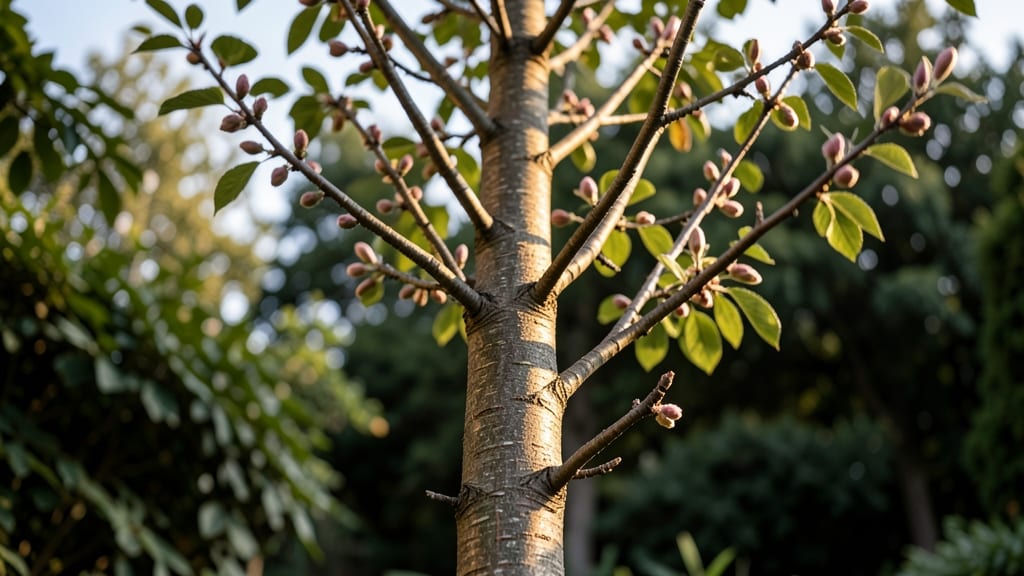
Transform your garden into a dreamy floral paradise with these 10 chestnut tree varieties that bloom with breathtaking pink flowers. Beyond their stunning visual appeal, these trees offer unique growth habits and seasonal interest that keep your landscape vibrant year-round.
Japanese Chestnut 'Red Spider' Pink Blossoms
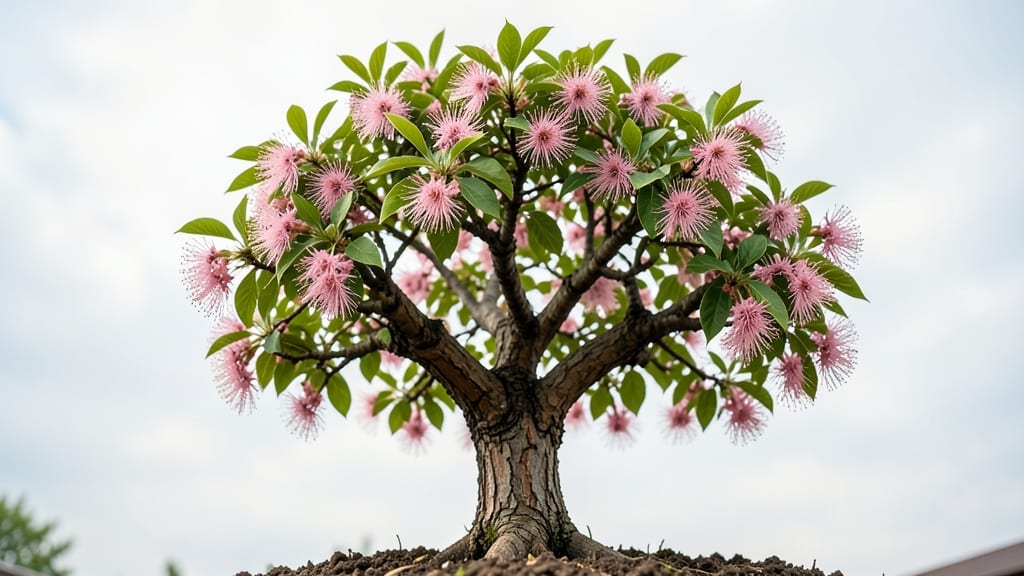
If you love the idea of a chestnut tree but lack the space for a towering giant, the Japanese Chestnut 'Red Spider' delivers all the beauty in a compact package. This dwarf variety reaches just 15–20 feet tall, making it perfect for urban gardens, small yards, or even large containers.
In spring, it bursts into cascading pink blossoms that resemble delicate lace, followed by edible chestnuts in fall—a double reward for gardeners. It thrives in full sun to partial shade and tolerates a range of soils, though well-drained conditions prevent root rot. Prune lightly after flowering to maintain its natural shape, and enjoy its glossy green foliage year-round.
This versatile tree is ideal for city dwellers, balcony gardeners, or anyone who wants a multi-season focal point without sacrificing space. 🌱
Horse Chestnut 'Conchy' Pink Flower Clusters
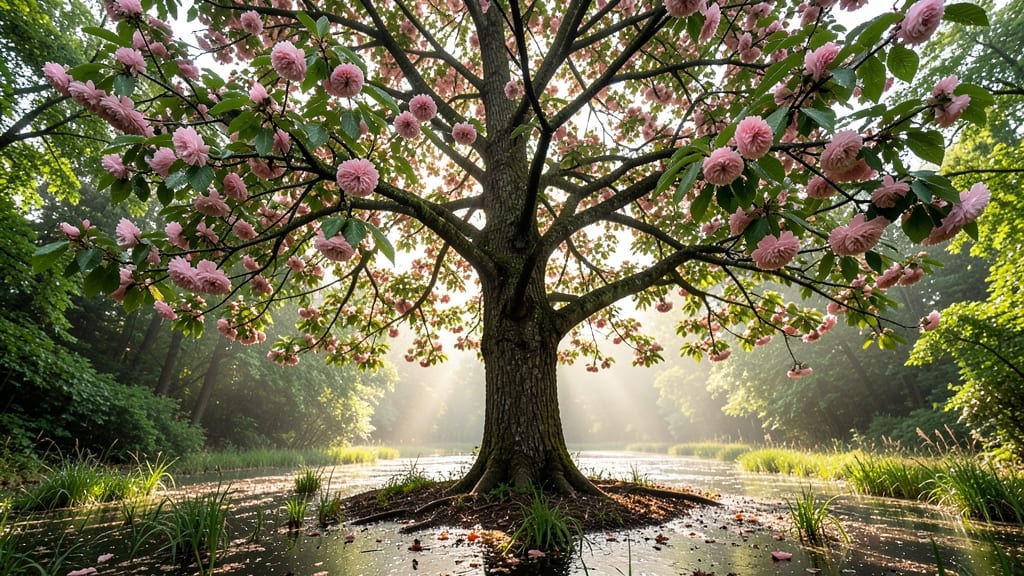
If you're dreaming of a lush, moisture-loving garden that hums with life, the horse chestnut 'Conchy' delivers fragrant pink candelabra-like blooms that transform any space into a pollinator paradise. Unlike traditional chestnuts, this tree thrives in wet soils—making it perfect for rain gardens, ponds, or even as a striking focal point in water features.
Plant it in full sun to partial shade and watch its vertical flower clusters (up to 12 inches long) emerge in late spring, attracting bees, butterflies, and hummingbirds. The glossy green leaves provide year-round structure, while its disease-resistant nature ensures low-maintenance beauty. For gardeners who love tropical vibes, this tree mimics the lushness of a rainforest while staying hardy in USDA zones 4-8.
This is the ultimate choice for eco-conscious gardeners who want to support wildlife while adding drama. 🌿
Sweet Chestnut 'Aspleniifolia' Pinkish-Tinged Buds
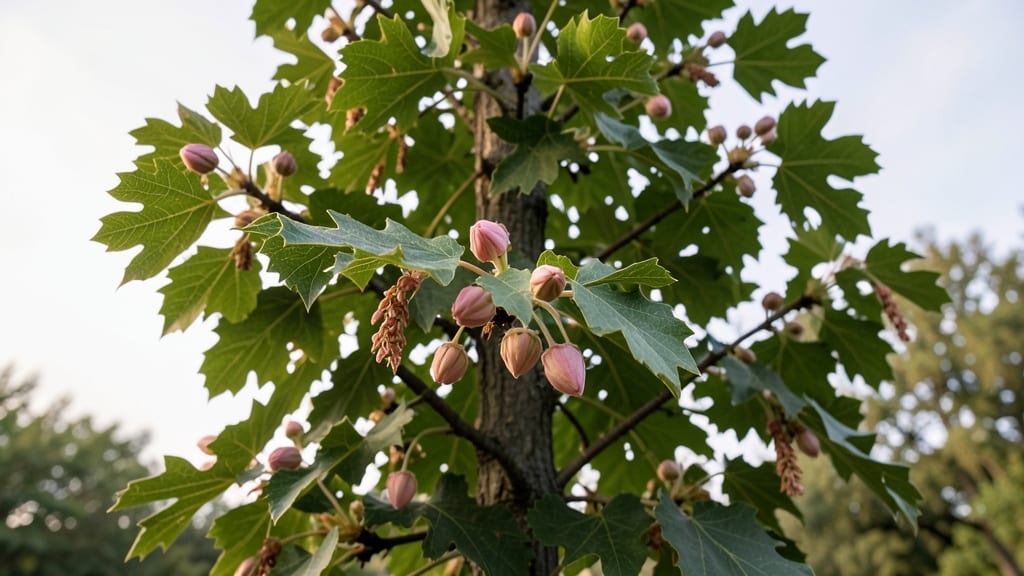
Want a chestnut tree that steals the show with pink-tinged spring buds but skips the messy nut drop? The Sweet Chestnut 'Aspleniifolia' delivers dramatic vertical structure and refined foliage without the harvest hassle. Its buds emerge in soft pink hues before maturing into deep green, lobed leaves that add architectural interest to formal gardens.
This cultivar thrives in full sun to partial shade and well-drained soil, making it ideal for structured landscapes like English gardens or modern courtyards. Unlike its nut-producing relatives, 'Aspleniifolia' focuses on foliage and form, with a slower growth rate that makes it easier to shape through light pruning. Its upright habit creates natural vertical lines, perfect for framing pathways or anchoring mixed borders.
Gardeners who prioritize year-round structure over seasonal blooms will adore this variety—it’s the quiet star of formal designs where every plant serves a purpose. 🌿
Chinese Chestnut 'Morton's Giant' Pinkish New Growth
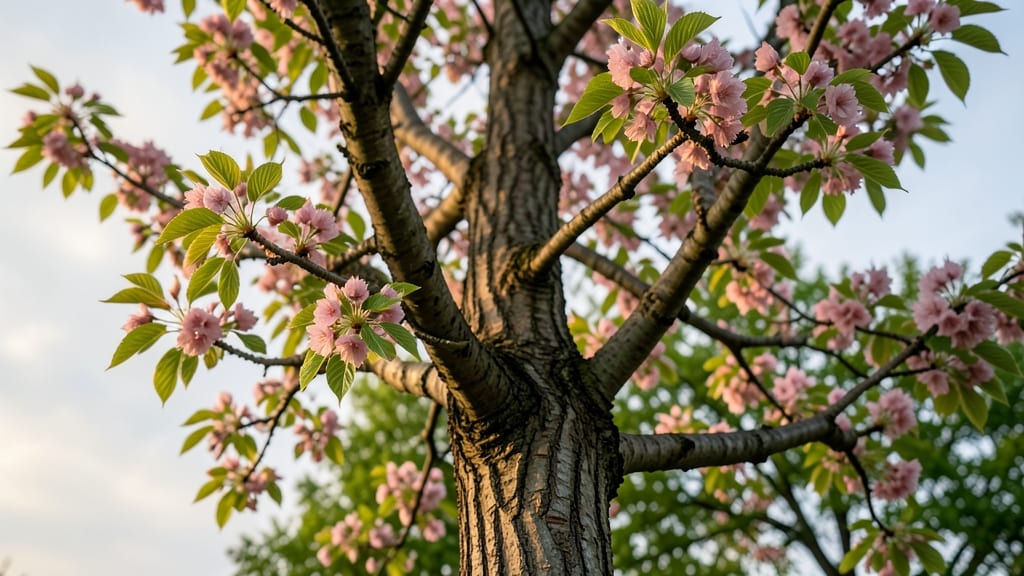
Looking for a statement-making tree that delivers both beauty and bounty? The Chinese Chestnut 'Morton's Giant' is a powerhouse with pinkish new growth that emerges in spring, creating a stunning visual display before maturing into lush green foliage. This isn’t just about looks—it’s one of the fastest-growing chestnut varieties, reaching heights of 40-50 feet with a spread of 30-40 feet, making it perfect for large properties or rural landscapes.
Beyond its ornamental appeal, this tree produces abundant, edible nuts that ripen in late fall, offering a harvest reward for your patience. It thrives in full sun to partial shade and adapts well to a range of soil types, though it prefers well-drained, slightly acidic soil. For optimal growth, plant in spacious areas where it can develop its full majestic form without crowding other plants.
If you’re dreaming of a multi-functional giant that combines seasonal color, structural interest, and a harvestable crop, this is the tree for you. It’s especially ideal for farmers, homesteaders, or gardeners with acreage to spare. 🌻
European Chestnut 'Rossica' Pinkish Spring Foliage
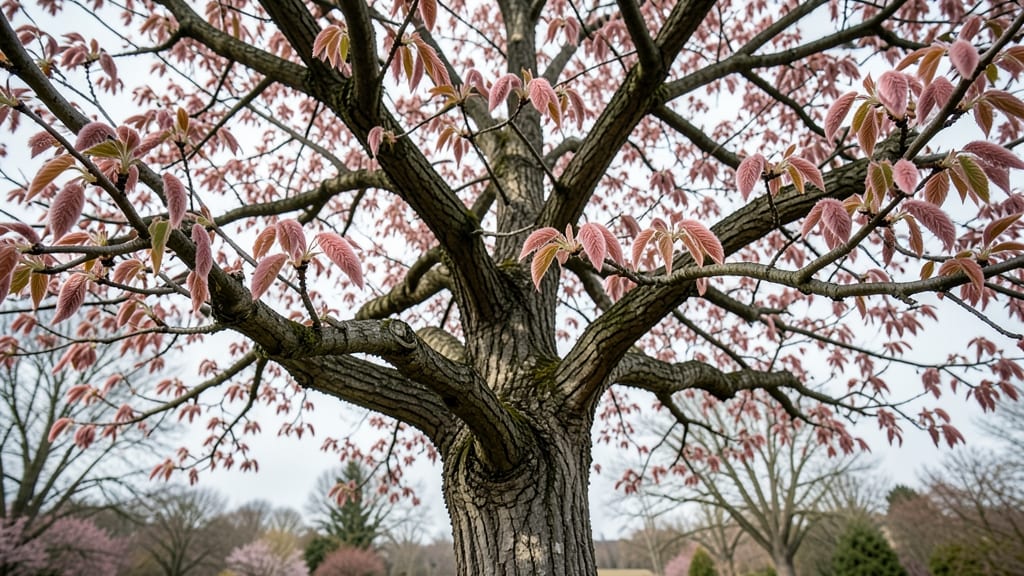
If you love northern gardens where traditional chestnuts wilt in the cold, European Chestnut 'Rossica' is your game-changer. This cold-hardy variety thrives in zones 4-7, where most chestnuts fail, and rewards you with pinkish spring foliage that brightens the landscape before summer greens take over.
Unlike other chestnuts, 'Rossica' focuses on foliage drama rather than nuts, making it ideal for ornamental planting. Its vibrant pink leaves emerge in early spring, creating a stunning contrast against snow or evergreens. Once established, it requires minimal care—just well-draining soil and full sun to partial shade. Prune lightly in late winter to maintain shape and encourage new growth.
Perfect for landscape focal points or mixed borders, this tree adds seasonal color without the fuss of flowering varieties. Gardeners in colder climates will love how it transforms bare branches into a burst of pink before summer even begins. 🌱
Water Chestnut 'Trapa natans' Pink Flowering Aquatic
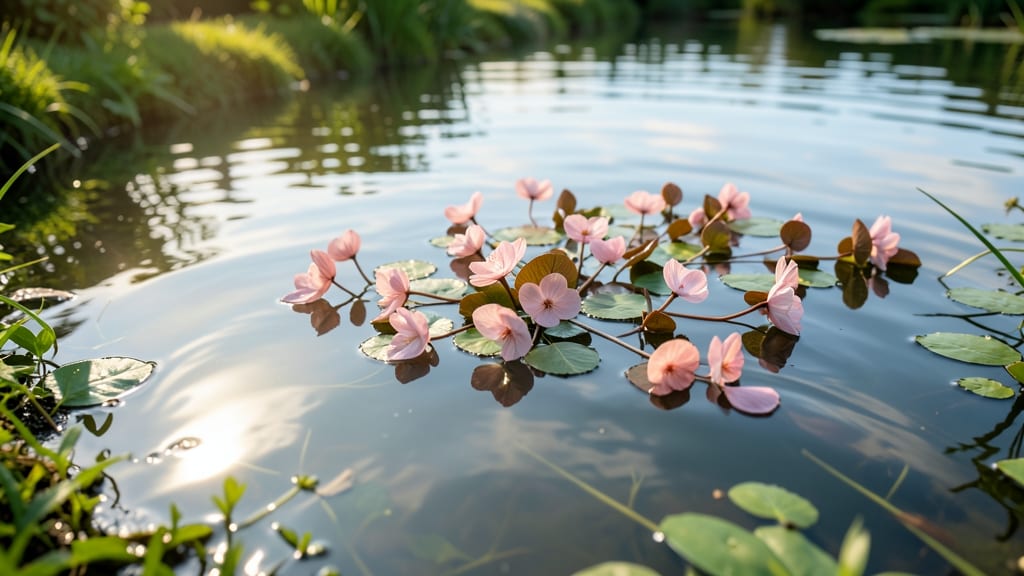
Skip the traditional chestnut tree and bring delicate pink blooms to your water garden with Water Chestnut 'Trapa natans'—a floating aquatic wonder that thrives in containers or ponds. Unlike its terrestrial relatives, this plant produces charming pink flowers that float above the water's surface, creating a dreamy, ethereal effect perfect for small water features or koi ponds.
This chestnut-family alternative grows quickly from seeds or tubers, forming dense mats that suppress algae while providing shelter for aquatic life. Plant in 3–6 inches of water with partial sun, and enjoy its edible nuts (though they’re not as flavorful as true chestnuts). Prune back overgrowth in late summer to keep it tidy, and watch it bloom from summer through fall.
Ideal for urban gardeners with limited space or those craving a low-maintenance aquatic focal point, this plant adds whimsy without the upkeep of larger trees. 🌿
Chinkapin Chestnut 'Castanea pumila' Pinkish Buds
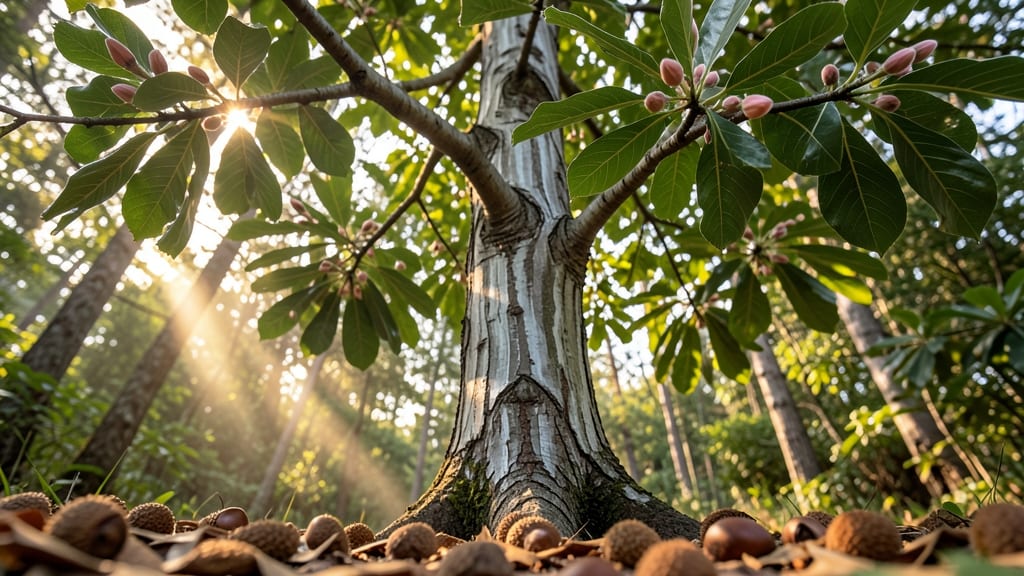
If you're looking to create a wildlife-friendly garden that thrives with minimal fuss, the chinkapin chestnut (Castanea pumila) is your perfect match. This native North American tree starts its season with delicate pinkish buds that mature into glossy green foliage, offering subtle beauty without the flashy maintenance of showier varieties.
What makes this tree truly special is its ability to support local ecosystems—its small nuts are a favorite snack for birds and squirrels, making it a magnet for wildlife. It also handles partial shade better than many chestnut varieties, thriving in woodland edges or understory plantings. With a slower growth rate (20-30 feet tall), it's ideal for gardeners who want a low-maintenance, long-lived addition that blends seamlessly into natural landscapes.
For those prioritizing ecological benefits over ornamental drama, this understated beauty delivers year after year with almost no effort. 🌿
Hybrid Chestnut 'Aesculus × carnea' Pink Blossoms
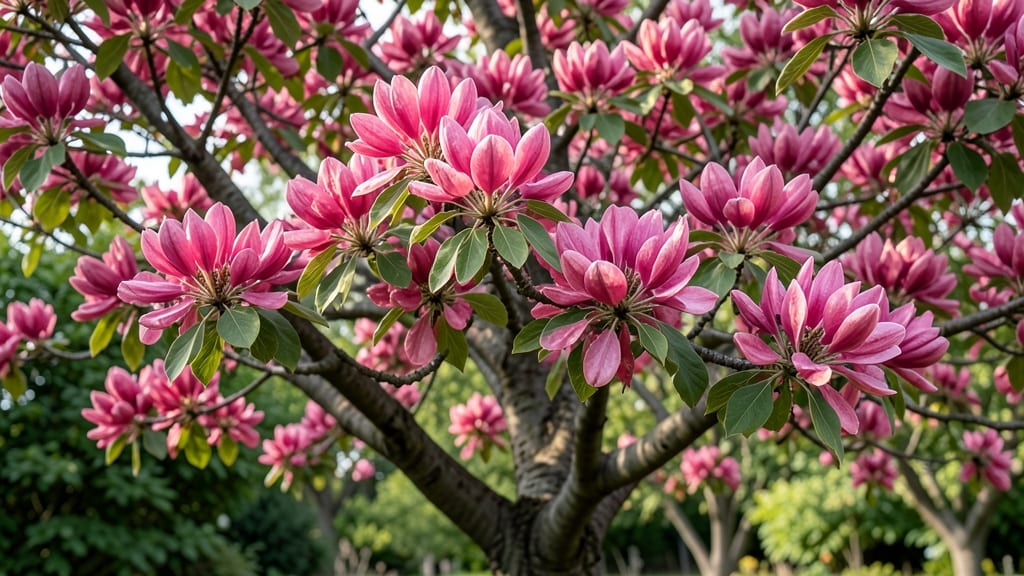
If you crave a pink flowering chestnut that thrives without fuss, Aesculus × carnea delivers a bold statement with minimal compromise. Unlike its delicate cousins, this hybrid blooms prolifically from May through June, offering a longer show of vibrant pink candelabra flowers that contrast beautifully against deep green foliage.
What sets this tree apart is its disease resistance, making it a low-maintenance star for modern landscapes. Plant it in full sun to partial shade with well-drained soil—it tolerates urban conditions better than many chestnuts. The glossy leaves add year-round structure, while its compact growth (20-30 feet) fits neatly into contemporary designs without overwhelming smaller spaces.
Perfect for urban gardeners and minimalist landscapes, this hybrid proves you don’t need to choose between beauty and durability. Its pink blooms will steal the show while requiring less care than traditional varieties. ✨
Chestnut 'Castanea crenata' Pinkish Autumn Leaves
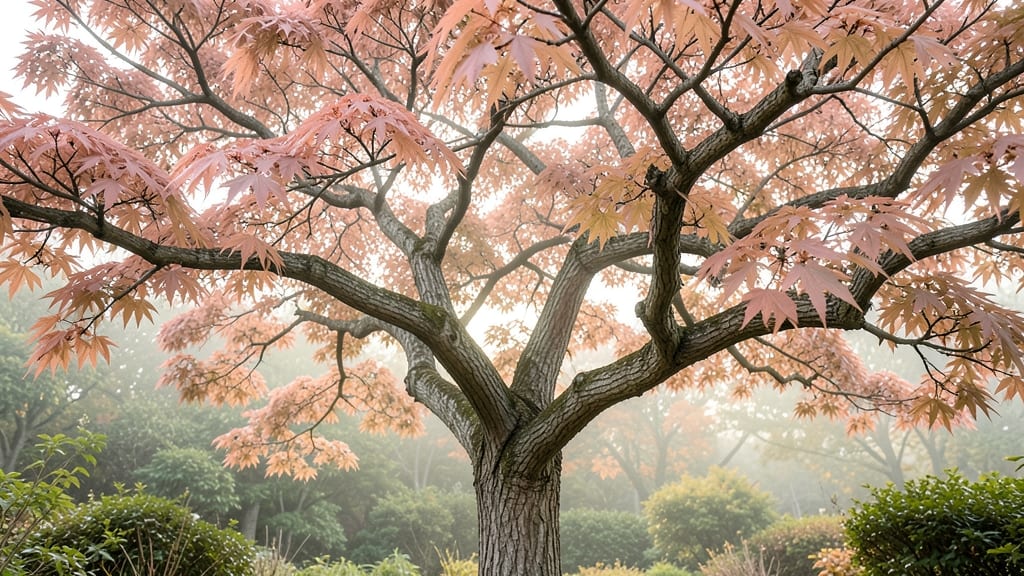
If you love autumn gardens that defy the usual orange and gold palette, the Japanese chestnut 'Castanea crenata' is your secret weapon. This stunning variety transforms your landscape with its pinkish autumn foliage, creating a soft, romantic contrast against traditional fall colors.
Unlike most chestnuts that fade to brown or yellow, this cultivar maintains vibrant pinkish-red leaves well into winter, offering year-round interest even after the flowers fade. It thrives in partial shade to full sun and tolerates a wide range of soils, making it versatile for mixed borders or as a striking focal point. Plant it near evergreens to extend your seasonal color display.
Perfect for gardeners who want low-maintenance drama, this tree also attracts wildlife while requiring minimal pruning. 🌻
Dwarf Chestnut 'Castanea sativa' 'Fastigiata' Pinkish Form

If your garden space is narrow but you crave the drama of a chestnut tree, the dwarf 'Castanea sativa' 'Fastigiata' Pinkish Form delivers vertical elegance without sprawling roots. This columnar cultivar grows upright like a living sculpture, reaching just 15-20 feet tall while staying under 10 feet wide—perfect for modern courtyards, urban alleyways, or small front yards.
In spring, its subtle pinkish foliage emerges before maturing to rich green, creating a soft contrast against clean-lined architecture. Thrives in full sun to partial shade and tolerates a range of soils, though it prefers well-drained conditions. Prune lightly in late winter to maintain its tight, structured form—ideal for gardeners who love geometric designs with minimal maintenance.
This variety is a game-changer for those prioritizing space efficiency and year-round structure. 🌻