
How To
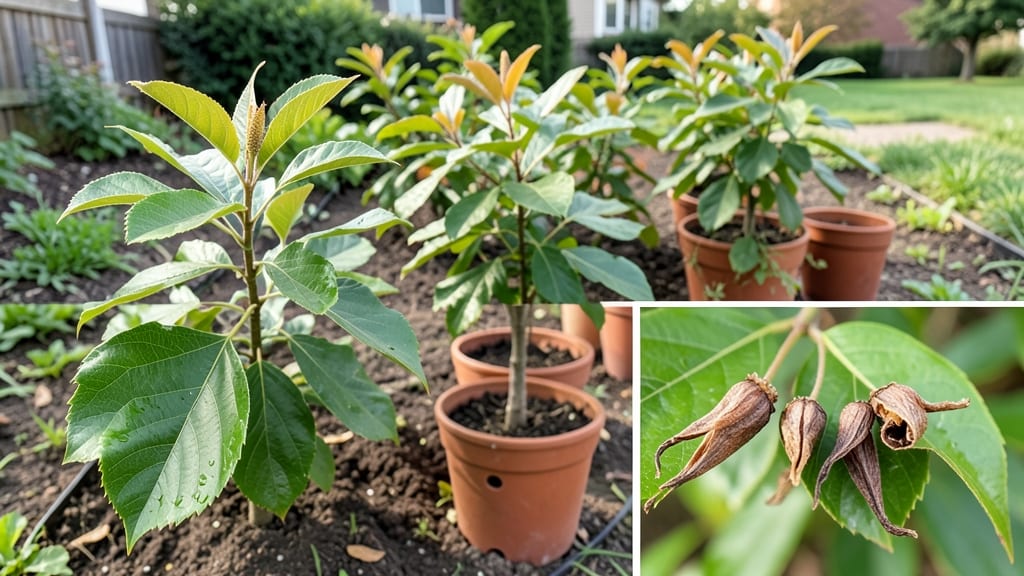
Those brown tips on the leaves of your chestnut tree seedlings scream one thing: stress. 🌱 Whether it’s too much sun, not enough water, or a hidden fungal issue, those crispy edges mean your little trees are fighting for balance.
I’ve nursed back dozens of seedlings with the same simple steps—pruning, adjusting care, and sometimes a little extra protection. The real fix starts with pruning.
Snip off the brown tips cleanly with sharp shears, but don’t overdo it—you’re not shaping a bonsai, just helping the tree focus on new, healthy growth. Pair that with a check of your watering routine: chestnut seedlings hate soggy roots but also can’t handle drought.
Aim for 1-2 inches of water per week, letting the top inch of soil dry between waterings. Once you’ve pruned and adjusted water, monitor for other signs of trouble. Yellowing leaves might mean nutrient deficiency (try a balanced fertilizer), while sticky residue could signal pests.
A weekly inspection keeps small problems from becoming big crises—and your seedlings will bounce back faster than you think. This method works for container-grown seedlings or those in the ground. The key is consistency: prune, water right, and watch for early warning signs.
By next season, you’ll have lush, healthy chestnut trees reaching for the sky—no more brown tips in sight.
Root Causes of Leaf Stress
When your chestnut tree seedlings start showing brown tips on leaves, it’s often a cry for help from the plant. Understanding the underlying causes is the first step toward fixing the issue.
Below, we break down the most common reasons—each with a clear scientific explanation and actionable insights to address them.
Chestnut seedlings are sensitive to soggy roots, which can lead to oxygen deprivation and root rot. When soil stays too wet, roots struggle to absorb nutrients efficiently, causing leaf edges to brown and crisp.
- Signs: Yellowing leaves, mushy stems, or a foul smell from the soil.
- Why it happens: Excess moisture blocks oxygen, suffocating roots and triggering nutrient uptake failure.
- Fix:
- Ensure pots or planting beds have drainage holes.
- Use a well-draining sandy loam mix (50% potting soil, 30% perlite, 20% compost).
- Water only when the top 1–2 inches of soil are dry.
Direct, intense sunlight or high temperatures (>90°F/32°C) can scorch delicate chestnut seedlings. The leaf edges dry out faster than the center, leading to brown, papery tips.
- Signs: Crispy, white or brown edges with healthy green centers.
- Why it happens: Transpiration (water loss) outpaces absorption, causing osmotic stress in cells.
- Fix:
- Provide afternoon shade (use shade cloth if outdoors).
- Avoid placing seedlings near heat sources (e.g., pavement, south-facing windows).
- Mist leaves lightly in the morning to reduce water loss.
Chestnut seedlings thrive in moderate humidity (40–60%). Dry air or wind exposure accelerates water evaporation, leading to desiccation—especially in young, tender leaves.
- Signs: Brown tips that feel dry or brittle, often on upper leaves.
- Why it happens: The cuticle layer (leaf’s protective coating) weakens, causing plasmolysis (cell collapse).
- Fix:
- Group seedlings together or use a humidity dome (for pots).
- Place a tray of water near plants to boost ambient moisture.
- Shelter from drafts or strong winds.
Pathogens like Botrytis cinerea (gray mold) or Pseudomonas bacteria can infect leaf edges, causing necrotic (dead) brown tips. These thrive in wet, stagnant conditions.
- Signs: Dark, mushy spots with fuzzy growth (fungal) or yellow halos (bacterial).
- Why it happens: Overwatering or poor airflow creates ideal conditions for pathogen spread.
- Fix:
- Remove infected leaves immediately and disinfect pruners with 70% alcohol.
- Apply a copper fungicide (e.g., Bordeaux mix) or neem oil preventatively.
- Improve air circulation by spacing seedlings 6–12 inches apart.
Brown tips can signal a calcium or potassium deficiency, which weakens cell structure and leads to edge necrosis. Chestnut seedlings also need magnesium for chlorophyll production.
| Deficiency | Symptoms | Solution |
|---|---|---|
| Calcium (Ca) | Brown, crinkled tips (especially on new growth). | Add crushed eggshells or calcium nitrate to soil. |
| Potassium (K) | Yellowing between leaf veins, then brown edges. | Use a balanced fertilizer (10-10-10) or wood ash. |
| Magnesium (Mg) | Interveinal yellowing (chlorosis) progressing to brown. | Apply Epsom salt (magnesium sulfate) (1 tbsp/gallon of water). |
Pro Tip: 💡 Test soil pH (ideal: 6.0–7.0)—low pH locks out nutrients! Amend with lime if needed.
By pinpointing the exact cause, you can target treatments and restore your chestnut seedlings to vibrant health. Next, we’ll cover pruning techniques to remove damaged foliage and encourage new growth.
Quick Fixes for Chestnut Seedling Health
Reviving your chestnut seedlings starts with pinpointing the cause of those pesky brown tips and taking action—fast! Below, we’ve mapped out practical, step-by-step solutions tailored to the most common culprits, plus prevention tips to keep your seedlings thriving.
Whether it’s thirst, stress, or pests, these fixes will help your chestnut tree bounce back with lush, vibrant leaves.
---
If your seedlings are sitting in soggy soil, their roots suffocate, leading to brown, crispy tips. Act fast to save them:
1. 🔥 Stop Watering Immediately - Let the top 1–2 inches of soil dry out completely before watering again. Overwatering is the #1 killer of seedlings!
2. 🍳 Improve Drainage - Mix perlite or coarse sand (1 part to 3 parts potting soil) into the soil to create air pockets. - If planting outdoors, ensure the area has a slight slope to prevent water pooling.
3. 👨🍳 Repot if Necessary - If the soil is compacted or waterlogged, transfer the seedling to a well-draining pot with fresh, airy soil.
💡 Pro Tip: Use a moisture meter or the "finger test"—stick your finger 1 inch deep. If it’s damp, wait!
---
Chestnut seedlings can scorch in intense sunlight, especially in hot climates. Protect them with these easy steps:
1. 🥘 Provide Partial Shade - Move pots to a spot with morning sun and afternoon shade (e.g., under 30–50% shade cloth). - For outdoor seedlings, use lightweight row covers on scorching days.
2. 🌡️ Water Deeply in Heatwaves - Water early in the morning (before 10 AM) to reduce evaporation. Aim for 1 inch of water per week (more in extreme heat).
3. ✨ Mulch to Retain Moisture - Spread 2–3 inches of organic mulch (straw or wood chips) around the base (but not touching the stem) to keep roots cool.
🎯 Prevention: Acclimate seedlings gradually to full sun by increasing exposure 1–2 hours per day over 2 weeks.
---
Brown tips can signal spider mites, aphids, or fungal diseases like powdery mildew. Inspect closely and treat accordingly:
| Problem | Signs | Fix It Fast | |----------------------|------------------------------------|--------------------------------------------------------------------------------| | Spider Mites | Tiny webs, yellowing leaves | Spray with neem oil (1 tbsp per gallon of water) or rinse leaves with soapy water. | | Aphids | Sticky residue, curled leaves | Blast off with a strong water spray or use insecticidal soap. | | Powdery Mildew | White fuzzy coating on leaves | Apply baking soda spray (1 tsp baking soda + 1 quart water + few drops of soap). |
🔥 Prevention: - Quarantine new plants for 2 weeks before introducing them to seedlings. - Encourage beneficial insects (like ladybugs) by planting marigolds or dill nearby.
---
Too much fertilizer (especially high in salt) burns roots, while deficiencies cause weak growth. Adjust your feeding routine:
1. 📊 Flush the Soil - If you suspect over-fertilization, water thoroughly with plain water for 3–4 days to leach out excess salts.
2. 💪 Use a Gentle, Balanced Fertilizer - Switch to a low-nitrogen, organic fertilizer (like fish emulsion or compost tea) diluted to half-strength. - Avoid synthetic fertilizers until seedlings are 6+ inches tall.
3. 🍎 Boost Micronutrients - Brown tips can signal iron or magnesium deficiency. Apply Epsom salt (1 tbsp per gallon of water) or chelated iron every 2 weeks.
🌿 Prevention: Test soil pH (ideal for chestnuts: 6.0–7.0) and amend with lime (to raise pH) or sulfur (to lower pH) if needed.
--- No matter the issue, these universal tips will help your seedlings recover:
- 🔪 Trim Damaged Leaves – Use sterilized scissors to snip off only the brown tips (never more than 1/3 of the leaf).
This redirects energy to healthy growth. - 🌱 Prune for Airflow – Thin out crowded seedlings to improve circulation and reduce humidity-related diseases. - 🌱 Monitor & Adjust – Keep a growth journal to track progress. If brown tips persist after 2 weeks, reassess the cause.
--- 🚀 Remember: Chestnut seedlings are resilient! With the right care, they’ll bounce back stronger. Act quickly, stay consistent, and soon you’ll see fresh, green growth taking over. 🌱💚
Frequently asked questions
Why do chestnut seedlings get brown tips even when I water them regularly?
Overwatering is often the culprit! While chestnut seedlings need consistent moisture, soggy soil blocks oxygen and causes root rot, which prevents nutrient absorption. Check if the top 1-2 inches of soil are dry before watering again. Also, ensure pots have drainage holes and use a well-draining soil mix with perlite or sand.
Can I save my chestnut seedlings if the brown tips spread to half the leaf?
Yes, but act fast! Prune only the brown tips (never more than 1/3 of the leaf) to prevent further spread. Remove any infected leaves completely. Then adjust care: check watering habits, provide shade if needed, and improve airflow. With proper treatment, new growth should emerge within 2-3 weeks.
What's the difference between brown tips from pests vs. environmental stress?
Pest damage usually has distinct patterns like tiny webs (spider mites), sticky residue (aphids), or white powder (fungal infections). Environmental stress causes uniform browning along edges, often paired with other signs: yellowing (nutrient deficiency), wilting (underwatering), or drooping (overwatering). Inspect leaves closely with a magnifying glass!
How often should I fertilize chestnut seedlings with brown tips?
Hold off on fertilizer until the brown tips improve! Young seedlings are sensitive to salts. Once recovered, use a balanced, organic fertilizer (10-10-10) at half-strength every 4-6 weeks. For deficiencies, try targeted fixes: Epsom salt for magnesium or crushed eggshells for calcium instead of general fertilizer.
Will my chestnut seedlings recover if I've had brown tips for over a month?
It depends on how severe the damage is! If only the tips are brown and the rest of the leaf is healthy, recovery is likely with proper care. However, if leaves are mostly brown or stems are mushy, the seedling may be too stressed to recover. In that case, propagate from healthy cuttings or start fresh with new seedlings.