
Trees
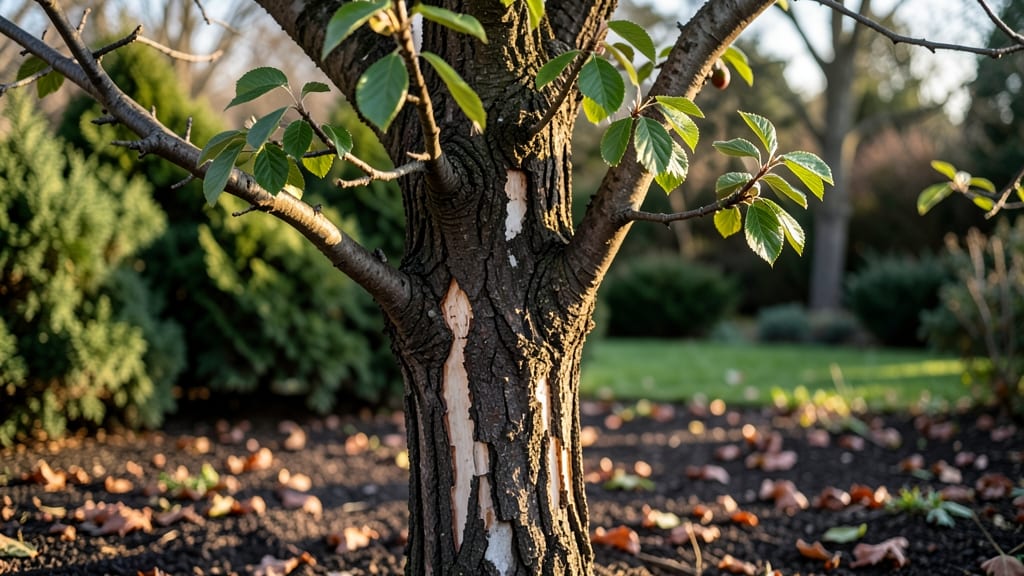
When your cherry tree’s bark splits open like a jagged wound, panic sets in—but this is fixable. 🌳 I’ve seen split bark turn into a death sentence when ignored, but with the right moves, your tree can heal and keep producing fruit for years.
The key is acting fast to stop infections and stabilize the trunk before winter gales or fungal spores take hold.
Split bark usually starts with extreme temperature swings (freeze-thaw cycles), physical damage from lawn equipment, or fungal infections like silver leaf disease. You’ll spot it as deep cracks running vertically or horizontally, oozing sap, or peeling bark that reveals raw wood underneath.
The worst cases leave the tree structurally weak, inviting pests and disease deeper into the trunk.
Start by cleaning the wound with a sterilized pruner—scrub away debris and dead tissue, then apply a tree sealant to protect the exposed wood. Wrap the trunk with tree wrap or burlap if the split is wide, and stake it lightly to prevent further movement.
For fungal issues, a copper-based fungicide applied in early spring can stop the spread before it weakens the tree further.
Prevention is easier than repair: mulch 3–4 inches deep around the base, water deeply during droughts, and avoid heavy pruning in late summer. If the split is over 1/3 of the trunk’s circumference or the tree leans dangerously, call an arborist—some damage is beyond DIY fixes.
With quick action, your cherry tree can bounce back stronger than ever.
Root Causes Of Bark Splitting
Understanding why your cherry tree’s bark splits is the first step toward saving it. These cracks aren’t just cosmetic—they expose the tree to pests, disease, and even structural failure. Let’s break down the key culprits behind this distressing issue, so you can address the root problem (literally).
Cherry trees, especially young or newly planted ones, struggle when temperatures fluctuate wildly. Rapid freezing and thawing cause the bark to expand and contract unevenly, leading to splits.
This is particularly common in: - Winter freeze-thaw cycles (e.g., days where temps swing from 40°F to 20°F overnight). - Sudden heatwaves after a cold snap, which can dry out the bark faster than it can adjust. - Poorly insulated root zones, where soil temperature extremes stress the tree’s vascular system.
Why it matters: The cambium layer (the tree’s growth engine) gets damaged, weakening the trunk’s integrity over time.
Both overwatering and underwatering can trigger bark splitting. Here’s how: - Drought stress: When a cherry tree doesn’t get enough water, the bark dries out and loses elasticity.
As it shrinks, cracks form—especially on the south or west sides (exposed to direct sun). - Overwatering: Soggy soil can cause root rot, which weakens the tree’s ability to transport nutrients.
The bark then splits due to internal pressure buildup from fungal growth or gas pockets. - Sudden water changes: Moving a potted cherry tree or altering irrigation patterns too quickly can shock the tree, leading to stress cracks.
Pro tip: 💡 Mulch properly (2–4 inches of organic mulch, kept 6 inches away from the trunk) to regulate soil moisture and protect roots from temperature extremes.
Mechanical damage is a top cause of bark splitting, often from: - Heavy snow or ice buildup pressing against weak branches, which can tear the bark as the weight shifts. - Lawnmower or string trimmer wounds near the trunk, creating entry points for pathogens that weaken structural integrity. - Aggressive pruning cuts that leave stubs or deep gashes.
If a cut is too close to the trunk or doesn’t follow the branch collar, it can create stress points that split over time. - Animal activity (e.g., deer rubbing against the trunk or rodents gnawing at the base).
Actionable fix: 🔪 Prune in late winter/early spring (when the tree is dormant) and use the three-cut method to avoid bark damage. Seal larger wounds with pruning sealant (though research shows this is debated—focus on clean cuts instead).
Some cherry trees (especially young grafted varieties or those with weak genetic stock) are prone to splitting due to:
- Fast growth spurts in spring, where the bark can’t keep up with the expanding trunk.
- Thin or brittle bark, common in sweet cherry cultivars (like ‘Bing’ or ‘Rainier’) compared to tart cherries.
- Poor grafting techniques, where the union between the rootstock and scion weakens the trunk’s stability.
Signs it’s growth-related: Cracks appear vertically along the trunk (not jagged) and are more common in fast-growing branches.
While not the direct cause of splitting, pests and pathogens weaken the bark, making it more prone to cracks:
- Canker diseases (e.g., Leucostoma or Nectria) create sunken, dead patches that split as the tree tries to heal.
- Bark borers (like the cherry bark borer) tunnel under the bark, creating pressure points that lead to splits.
- Root-rotting fungi (e.g., Armillaria) compromise the tree’s ability to support its own weight, causing structural splits.
Red flag: Look for oozing sap, sawdust-like frass, or mushrooms at the base—these signal an infestation.
If your cherry tree is near a newly built sidewalk, driveway, or patio, the soil compaction from heavy equipment can:
- Restrict root growth, leading to asymmetrical stress on the trunk.
- Cause the trunk to lean unnaturally, increasing the risk of wind-induced splits.
- Disrupt moisture flow, making the tree more susceptible to drought stress.
Solution: 🌱 Aerate compacted soil around the tree’s drip line and avoid heavy machinery within 3–5 feet of the trunk.
Quick Fixes for Damaged Tree Trunks
When your cherry tree’s bark starts splitting, acting fast can mean the difference between a minor repair and a major loss. Below are practical, step-by-step solutions tailored to the most common causes—plus tips to keep your tree healthy long-term.
Cause: Storms, heavy fruit loads, or accidental impacts can force bark to split, exposing vulnerable wood underneath.
How to Repair:
- 🔥 Assess the Damage
- If the split is shallow (just the bark), it’s likely minor. If it’s deep (exposing inner wood or sap), act quickly.
- Check for oozing sap—this signals the tree is already trying to heal itself.
- 🧹 Clean the Wound
- Use a sterilized pruning saw or knife to trim away any loose, hanging bark or dead tissue from the edges.
- Wipe the area with rubbing alcohol to prevent fungal/bacterial infections.
- 🛡️ Seal the Split (For Small to Medium Cracks)
- Apply a tree wound dressing (like Tanglefoot Tree Wound Pruning Sealer or copper-based sealants) to protect the exposed wood.
- For larger splits, use tree mastic (a flexible, breathable sealant) to bridge the gap.
- Avoid thick paint or tar—these trap moisture and encourage rot.
- 🌱 Support Weakened Branches
- If the split is due to heavy branches, consider pruning (but only in dormant season—late winter/early spring).
- For young trees, use tree ties or stakes to reduce stress from wind.
💡 Prevention Tip:
- Mulch properly (2-4 inches deep, keeping it 6 inches away from the trunk) to stabilize soil and reduce wind rock.
- Water deeply but infrequently to encourage strong root growth—overwatering weakens wood.
Cause: Extreme heat, cold snaps, or drought can make bark brittle, leading to vertical or horizontal splits.
How to Revive the Tree:
- 💦 Hydrate Deeply
- Water slowly and deeply (1-2 inches per week) to reach roots. Use a soaker hose or drip irrigation.
- Mulch heavily (wood chips or straw) to retain moisture and regulate soil temperature.
- 🌡️ Protect from Temperature Shocks
- Young trees? Wrap the trunk with tree guard or burlap in winter to shield from freezing winds.
- Mature trees? Avoid sudden water changes—gradually adjust irrigation if drought-stressed.
- 🌿 Boost Tree Health
- Fertilize lightly in early spring with a balanced, slow-release fertilizer (10-10-10 ratio).
- Avoid over-fertilizing—this can weaken bark and make it more prone to splitting.
🎯 Prevention Tip:
- Plant in the right spot—cherry trees thrive in full sun (6+ hours/day) with well-draining soil.
- Monitor soil moisture—drought sensors can alert you before stress sets in.
Cause: Insects (like emerald ash borers or carpenter ants) or fungi (e.g., silver leaf fungus) can weaken bark, making it more likely to split.
How to Treat:
- 🔍 Identify the Problem
- Insects? Look for sawdust-like frass, exit holes, or sap oozing.
- Fungus? Check for discolored patches, mushroom growth at the base, or peeling bark.
- 🛡️ Apply Targeted Solutions
- For insects:
- Use systemic insecticides (like imidacloprid) early in the season (before pests appear).
- Beneficial nematodes can also target larvae in the soil.
- For fungus:
- Prune infected branches (sterilize tools between cuts!) and dispose of debris.
- Spray with copper fungicide or neem oil (follow label instructions).
- For insects:
- 🌱 Strengthen the Tree’s Defenses
- Encourage beneficial insects (like ladybugs) by planting companion flowers (e.g., marigolds).
- Improve air circulation by thinning dense foliage around the tree.
✨ Prevention Tip:
- Inspect trees annually (especially in spring and fall) for early signs of pests or disease.
- Keep the area clean—remove fallen fruit, leaves, and debris where pests hide.
If the split is:
- Wider than 2 inches
- Exposes large areas of inner wood
- Oozes excessive sap or has a foul odor
…it’s time for an arborist. Deep cracks can compromise structural integrity, and improper repairs may harm the tree further.
Final Thought: Most cherry tree bark splits are manageable with quick action and proper care. By addressing the root cause—whether it’s physical trauma, environmental stress, or pests—you’ll help your tree heal faster and stay stronger for years to come. 🌳💪
Frequently asked questions
Why does my cherry tree’s bark split in winter?
Winter splits happen when freeze-thaw cycles cause the bark to expand and contract rapidly. Young trees or those with thin bark (like sweet cherries) are especially vulnerable. The cambium layer gets damaged, making the trunk weaker over time.
Can I use regular paint to seal a split in the bark?
No—paint traps moisture and encourages rot. Use a breathable tree sealant (like Tanglefoot) instead. These products protect while allowing the tree to heal naturally. For larger splits, tree mastic works better than paint.
How do I tell if a split is from pests or just weather?
Look for these clues: Sawdust-like frass or exit holes mean pests (like bark borers). Weather splits are usually clean cracks with no debris. If you see oozing sap or mushrooms at the base, pests or fungus are likely the culprit.
Will pruning help prevent future bark splits?
Yes, but only if done correctly! Prune in late winter/early spring (dormant season) using the three-cut method to avoid damaging the branch collar. Avoid heavy pruning in late summer—it stresses the tree and weakens bark.
How long does it take for a cherry tree to heal from split bark?
Minor splits may heal in 1-2 years if properly sealed and the tree stays healthy. Deeper wounds (exposing inner wood) take longer—sometimes 3+ years. Focus on keeping the tree hydrated and protected from extreme temperatures during recovery.