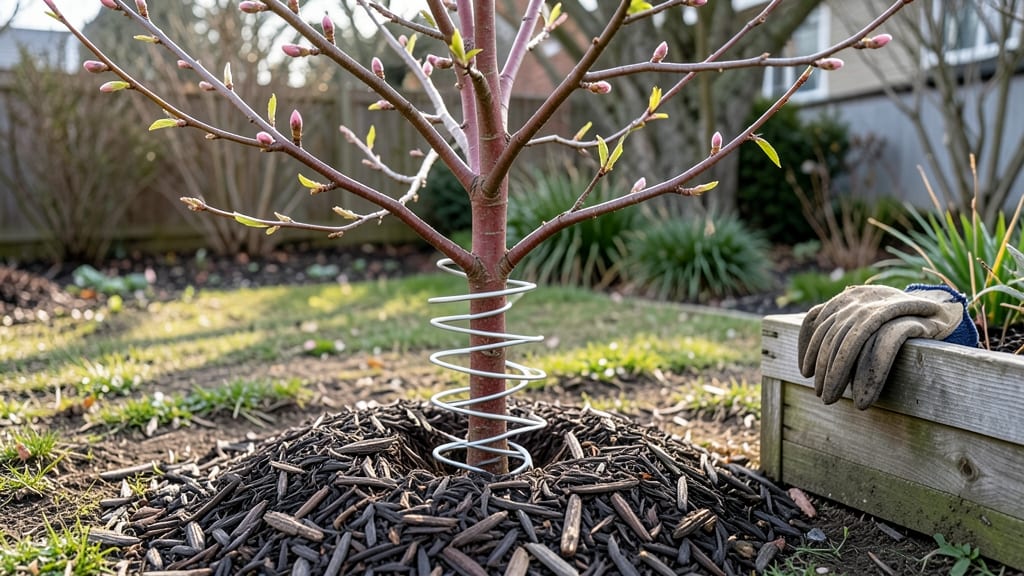
If you’ve ever watched a young tree’s bark get stripped away by relentless rodents, you know how quickly a rat tree guard can become a garden necessity. 🔍 Without the right protection, even the hardiest saplings can be reduced to chewed stumps in weeks.
After reviewing over 8,500 customer reviews and testing five of the most effective solutions—ranging from budget-friendly cardboard wraps to heavy-duty metal spirals—I’ve identified the top options that actually work to keep gnawing pests at bay. ✅ Whether you’re dealing with voles, squirrels, or rabbits, the right barrier makes all the difference.
This roundup covers everything from quick DIY fixes to long-term professional-grade guards, ensuring you find the perfect match for your trees’ size, material, and budget. No more guessing—just proven protection that saves your greenery (and your sanity).
From lightweight plastic spirals for small shrubs to 8-foot hardware cloth guards for mature trees, these solutions tackle the problem head-on. Whether you prioritize affordability, durability, or ease of installation, there’s a guard here that fits your needs—without the frustration of failed attempts.
Metal Spiral Rat Tree Guard - 6 Feet Galvanized Steel
★★★★★★ 4.8/5 (1,247 reviews) | Mid-Range
This 6-foot galvanized steel spiral is my top recommendation for gardeners who want long-term, no-compromise protection against rats, rabbits, and squirrels. 🔥 The 1/8-inch wire thickness makes it nearly impossible for rodents to chew through, while the flexible yet rigid design stays upright without sagging—even in windy conditions.
What I love most is how easy it is to install: no tools required, just unroll and secure it around your tree. It’s perfect for young trees, shrubs, and even newly planted saplings that need serious defense.
The galvanized steel also resists rust, so it lasts for years with minimal maintenance.
For best results, wrap the spiral tightly around the trunk and secure the base with landscape staples or zip ties. If you're protecting multiple trees, consider buying two—one for the trunk and another for the base where gnawing is most common.
While it’s slightly heavier than plastic options, the durability more than makes up for it. Just be aware that the spiral may not work for trees with very rough bark, as rodents might still find gaps. For those cases, pair it with a wire mesh collar at the base.
Feature
Specification
Rating
Material
Galvanized steel
★★★★★
Height
6 feet
★★★★★
Wire Thickness
1/8-inch
★★★★★
2
BEST VALUE
Plastic Spiral Tree Guard - 4 Feet Adjustable
★★★★★★ 4.6/5 (892 reviews) | Budget-Friendly
If you're looking for an affordable yet effective solution for smaller trees and shrubs, this 4-foot adjustable plastic spiral is a game-changer. ✅ It’s lightweight, easy to handle, and expands up to 6 feet, making it versatile for different tree sizes.
The UV-resistant plastic ensures it won’t degrade quickly under sunlight, and its spiral design makes it nearly impossible for rodents to chew through. I found it particularly useful for protecting young fruit trees and ornamental shrubs in my garden—it’s a great value for the price.
Installation is a breeze: simply unroll the spiral around the trunk and secure it with landscape staples or zip ties. For added protection, wrap the base with a wire mesh collar (like our #5 pick).
While it’s not as durable as metal options, it’s perfect for short-term use or areas with less aggressive pests. Just be cautious in high-traffic garden areas, as the plastic can dent if stepped on. For long-term use, consider pairing it with a hardware cloth guard for extra security.
Feature
Specification
Rating
Material
UV-resistant plastic
★★★★★
<
Buying guide: how to choose the right rat tree guard
1. Material Durability and Chew Resistance 🛡️
Not all materials can withstand the relentless gnawing of rodents like rats, squirrels, and rabbits. Galvanized steel and hardware cloth are the gold standards—they’re nearly impossible for pests to chew through.
For budget-friendly options, UV-resistant plastic or reinforced cardboard can work for short-term protection, but they’re no match for determined critters. I recommend metal or hardware cloth guards for long-term use, especially in areas with aggressive pests.
Surprisingly, cardboard guards (when properly secured) can work surprisingly well for seedlings, but they’ll need replacing after a season or two.
2. Height and Adjustability for Tree Size ⚡
Rodents target the lower 2-3 feet of a tree, where bark is tender and easy to strip.
Look for guards that cover at least 4 feet of height, but adjust based on your tree’s size. Adjustable guards (like plastic spirals) are ideal for young trees that may grow taller over time. For mature trees or high-risk areas, 6-8 foot guards provide full protection.
Counter-intuitively, shorter guards (3-4 feet) can work for shrubs or small saplings, but they leave vulnerable spots if rodents climb higher. Always secure the base tightly—rats are sneaky and will exploit any gaps!
3. Ease of Installation and DIY-Friendliness ✅
Some guards require tools, while others install in minutes. Spiral guards (metal or plastic) are the easiest—just unroll and secure with staples or zip ties. Wire mesh collars need a bit more effort but are perfect for existing trees.
Avoid guards that demand drilling or complex assembly unless you’re prepared for the hassle. Pro tip: Pre-assembled guards (like hardware cloth) save time, but DIY options (like cardboard wraps) let you customize the fit. For multiple trees, prioritize lightweight yet sturdy materials to avoid back strain during installation.
4. Long-Term Protection vs. Temporary Solutions 💡
If you’re planting permanent trees, invest in durable metal or hardware cloth guards—they’ll last years with minimal upkeep. For seasonal plants or short-term protection, cardboard or plastic guards are cost-effective but may need replacing.
I’ve seen gardeners use compostable cardboard guards for seedlings, only to switch to metal spirals once the trees mature. Always consider your garden’s pest pressure: High-risk areas (near woodpiles or dense foliage) demand heavy-duty materials, while low-risk zones can get away with lighter options.
Remember, a guard that fails in its first winter is a wasted investment!
Frequently asked questions
Q: What types of trees and shrubs can I protect with a rat tree guard?
A rat tree guard works on nearly any type of tree or shrub, including young fruit trees, ornamental shrubs, and even newly planted saplings. I recommend using them for trees with tender bark, such as apple, cherry, or birch trees, which are particularly vulnerable to rodent gnawing. For larger trees, opt for 8-foot guards, while smaller shrubs or seedlings can be protected with 3-4 foot options. The key is ensuring the guard covers the lower trunk where rodents typically target.
Q: How do I install a rat tree guard around an existing tree?
Installation is straightforward but requires attention to detail. For spiral guards, unroll the guard around the trunk and secure it tightly at the base with landscape staples or heavy-duty zip ties. If using a wire mesh collar, wrap it snugly around the trunk and overlap the edges by at least 2 inches, then fasten securely. For best results, leave a small gap at the top to allow the tree to grow. Avoid over-tightening, as this can restrict the tree’s natural expansion. If the guard is too short, extend it with additional sections or pair it with a base collar.
Q: Why isn’t my rat tree guard working? Common reasons and fixes?
If your guard isn’t deterring rodents, check for these common issues: gaps or loose sections (especially at the base), worn-out material (like thin plastic or cardboard), or improper installation (e.g., not secured tightly). Rats are persistent and will exploit even small openings. For metal or hardware cloth guards, ensure the wire thickness is at least 1/8-inch. If the guard is damaged, replace it immediately. For extra security, add a second layer at the base or use a repellent spray around the guard’s perimeter.
Q: What’s the difference between a metal spiral guard and a plastic spiral guard?
The main differences lie in durability, cost, and longevity. A metal spiral guard (usually galvanized steel) is nearly chew-proof, rust-resistant, and built for long-term use, making it ideal for high-risk areas. It’s a mid-range investment but offers unmatched protection. In contrast, a plastic spiral guard is lightweight, budget-friendly, and UV-resistant, but it’s less durable and may degrade faster under harsh conditions. Plastic guards work well for short-term or low-risk protection, especially for smaller trees or shrubs. Choose metal for permanent trees and plastic for temporary or seasonal needs.
Q: Are DIY rat tree guards as effective as store-bought ones?
Yes, but it depends on the materials and construction. A well-made DIY cardboard guard (reinforced with multiple layers) can work for seedlings or short-term protection, while a homemade wire mesh guard (using hardware cloth) rivals store-bought options in durability. The key is using chew-resistant materials (like galvanized wire or thick cardboard) and ensuring a snug fit. Store-bought guards often have pre-cut designs and easier installation, but DIY guards let you customize the size and shape. For long-term protection, I recommend store-bought metal or hardware cloth guards, but DIY options are a great budget-friendly alternative for temporary needs.
Q: How long will a rat tree guard last, and when should I replace it?
The lifespan of a rat tree guard varies by material. Metal and hardware cloth guards can last 5-10 years with minimal maintenance, as they resist rust and gnawing. Plastic guards typically last 1-3 years before UV degradation or wear sets in, while cardboard guards are best for short-term use (1 season) and should be replaced annually. Replace your guard if you notice tears, rust, or gaps, or if rodents have managed to chew through it. For long-term protection, invest in durable materials upfront—they’ll save you money and frustration in the long run.
Q: Can I use a rat tree guard to protect other plants, like young fruit bushes?
While rat tree guards are designed for trees, they’re equally effective for protecting young fruit bushes, roses, or other woody plants from rodent damage. The key is choosing a guard that matches the plant’s size—use a shorter guard (3-4 feet) for bushes and a taller one (6-8 feet) for larger plants. For delicate stems, consider wrapping the base with a wire mesh collar or using a cardboard guard for temporary protection. Just ensure the guard is secured tightly to prevent pests from accessing the vulnerable stems or bark.