
Pruning
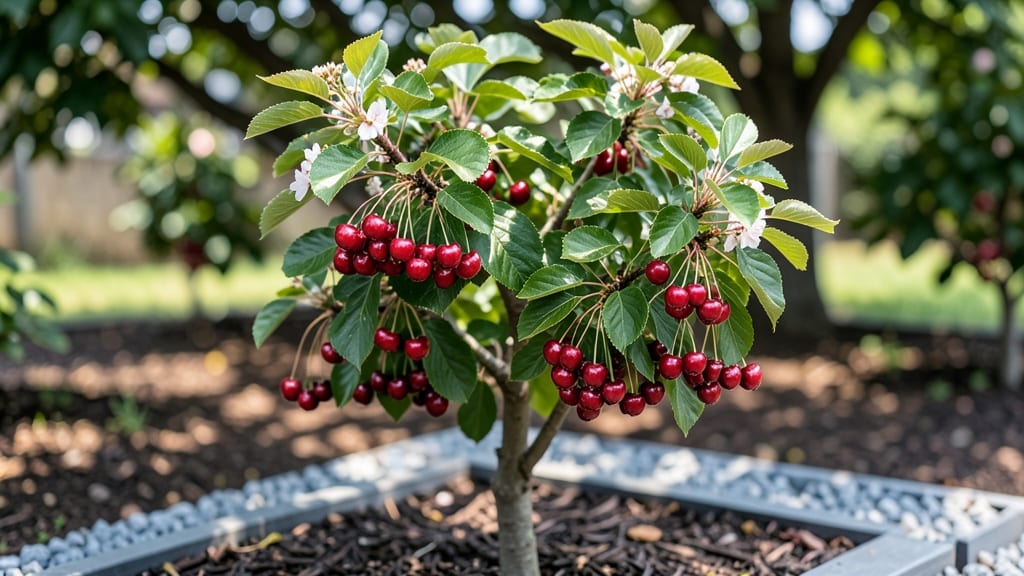
Growing small-fruit cherry trees like 'Stella' or 'Sweetheart' lets you enjoy fresh cherries without needing a backyard orchard. 🌱 These compact varieties thrive in containers or small gardens, producing sweet fruit in just 2-3 years—perfect for urban spaces or patio gardens.
The secret to success starts with the right spot: 6+ hours of sun, well-draining soil, and protection from strong winds. Most people overlook soil prep, but amending with compost makes all the difference in fruit production.
Water deeply once a week (more in summer heat) to keep roots happy without drowning them. By late summer, you'll be harvesting clusters of tiny, flavorful cherries that taste better than store-bought.
The trees stay manageable at 6-8 feet tall, so pruning is minimal—just shape them in winter to keep them open for airflow and sunlight. These varieties handle pests better than full-size cherries, but watch for aphids and birds.
A simple netting trick keeps the fruit safe, and the trees reward you with years of low-maintenance harvests. Let's get those cherries growing!
Root Causes Of Tiny Cherries
When your compact cherry tree produces small fruit instead of the juicy, plump cherries you expect, the issue often stems from a mix of environmental, nutritional, or cultural factors. Understanding these root causes is the first step toward correcting the problem and encouraging healthier, larger fruit development.
Below, we break down the most common reasons—backed by science—and how they directly impact your tree’s ability to produce sizeable cherries.
A cherry tree’s fruit size is heavily influenced by its access to essential nutrients, particularly during the bloom and fruit-set stages. If your tree lacks key elements, it will prioritize survival over fruit development, resulting in tiny, underdeveloped cherries.
- Nitrogen Deficiency (💡 The Growth Fuel) Nitrogen is critical for leaf expansion and overall vigor.
Without enough nitrogen, your tree may produce abundant foliage but fail to allocate resources to fruit enlargement. Symptoms: Pale yellow leaves (chlorosis) and stunted growth. - Actionable Fix: Apply a balanced fertilizer (e.g., 10-10-10) in early spring, followed by a low-nitrogen, high-phosphorus fertilizer (e.g., 5-10-10) at bloom time to support fruit development.
- Potassium & Phosphorus Shortage (🔋 The Fruit Power Duo) Potassium strengthens cell walls and regulates water uptake, while phosphorus aids in energy transfer for fruit growth.
A deficiency here leads to weak fruit structure and poor sugar accumulation. - Symptoms: Dark green or purple-tinged leaves, weak stems, and fruit that fails to swell. - Actionable Fix: Conduct a soil test to confirm deficiencies, then amend with wood ash (potassium) or bone meal (phosphorus).
For compact trees, a slow-release granular fertilizer with higher P and K ratios (e.g., 5-10-10) works well.
- Micronutrient Imbalances (🧪 The Hidden Players) Boron, zinc, and calcium are often overlooked but play a direct role in fruit sizing.
Boron, for example, is essential for cell wall formation—without it, cherries may remain small and crack easily. - Symptoms: Dead buds, misshapen fruit, or blossom-end rot. - Actionable Fix: Apply a chelated micronutrient spray (e.g., boron at 0.1–0.2%) during bloom or use Epsom salt (magnesium sulfate) for zinc deficiencies.
Cherries are self-pollinating to a degree, but many compact varieties (like 'Stella' or 'Compact Stella') benefit from cross-pollination for optimal fruit set and size. If pollinators are scarce or your tree lacks a compatible partner, the result is small, undeveloped cherries—or none at all.
- Lack Of Bees Or Wind Pollination (🐝 The Missing Link) Most cherry varieties rely on bees to transfer pollen between flowers.
If your tree blooms during a cool, rainy, or bee-sparse period, pollination fails, leading to tiny or aborted fruit. - Actionable Fix: - Plant a second compatible variety within 50 feet (e.g., 'Black Tartarian' pairs well with 'Stella'). - Install a bee house or plant pollinator-friendly flowers (e.g., lavender, borage) nearby. - For wind-pollinated varieties, ensure branches aren’t too dense—thin them slightly to improve airflow.
- Incompatible Rootstock Or Grafting Issues (🌿 The Genetic Mix-Up) Some dwarf cherry trees are grafted onto rootstocks that may compete for nutrients, stunting fruit development.
If the graft union fails or the rootstock is weak, the tree struggles to support large fruit. - Symptoms: Uneven growth, weak branches, or fruit that stays small despite good care. - Actionable Fix: If the tree is young, monitor the graft union for signs of failure.
For older trees, deep-root fertilization (e.g., mycorrhizal fungi) can improve nutrient uptake.
Cherry trees are sensitive to temperature fluctuations, especially during bloom and fruit set. Heatwaves, late frosts, or cold snaps can disrupt pollination, halt cell division, or cause fruit to abort early—leaving you with tiny, underripe cherries.
- Late Spring Frosts (❄️ The Silent Killer) A hard frost after bloom can kill pollen tubes before fertilization occurs, leading to small, deformed fruit or complete crop failure.
- Use
- Plant early-blooming varieties in sheltered microclimates (e.g., south-facing slopes).
Cherries need consistent warmth (70–85°F / 21–29°C) to grow properly. - Symptoms: Fruit remains hard and tart, with poor color development. - Actionable Fix: - Provide afternoon shade cloth (30–50% shade) during heatwaves. - Mulch heavily (3–4 inches of organic mulch) to keep roots cool. - Water deeply (1–2 inches per week) to prevent moisture stress.
- Winter Chill Hours Deficiency (❄️🌡️ The Dormancy Rule) Most cherry varieties require 500–1,000 chill hours (below 45°F / 7°C) to break dormancy and set fruit properly.
Without enough winter cold, the tree may bloom poorly or produce tiny, weak cherries. - Actionable Fix: - Choose low-chill varieties (e.g., 'Compact Stella' needs ~300–500 hours) if you live in a mild climate. - Avoid pruning in late fall—this can reduce hardiness and chill accumulation.
Aggressive pruning—especially late in the season—can reduce the tree’s energy reserves, leading to smaller fruit. Additionally, if the tree’s canopy is too dense, sunlight and airflow are restricted, which limits photosynthesis and fruit sizing.
- Pruning At The Wrong Time (⏰ The Timing Trap) Pruning after mid-summer removes leaves that are actively photosynthesizing, starving the tree of energy needed for fruit development.
- Avoid heavy pruning in the first 2–3 years—let the tree establish its structure.
Certain pests and diseases sap the tree’s energy, diverting resources away from fruit development. Even if the tree looks healthy, hidden stressors like aphids, silver leaf disease, or bacterial canker can stunt cherry growth.
- Sap-Sucking Insects (🐜 The Energy Thieves) Aphids, scale, and spider mites extract plant sap, weakening the tree and reducing fruit size.
They also transmit viruses that distort fruit. - Symptoms: Sticky honeydew, curled leaves, or yellowing foliage. - Actionable Fix: - Spray with neem oil or insecticidal soap during early spring. - Introduce ladybugs or lacewings for natural control.
- Fungal Infections (🍄 The Silent Saboteurs) Brown rot
Revitalizing Tiny Cherries Naturally
Small fruit on your cherry tree can be frustrating, but with the right approach, you can encourage healthier, larger harvests. Below are practical, step-by-step solutions tailored to common causes—plus prevention tips to keep your compact cherry tree thriving year-round.
If your cherry tree’s small fruit stems from nutrient deficiencies (like nitrogen, phosphorus, or potassium), a targeted feeding plan can make a big difference.
🔥 Step 1: Test Your Soil (Know the Problem)
- Grab a soil test kit (available at garden centers) or send a sample to a local extension office.
- Look for low organic matter (below 5%) or imbalances in pH (ideal: 6.0–6.5 for cherries).
🍳 Step 2: Amend the Soil for Growth
- For nitrogen (leafy growth): Mix in composted manure or a balanced fertilizer (10-10-10) in early spring.
- For phosphorus (root/fruit development): Use bone meal or a high-phosphorus fertilizer (like 5-10-10) at bloom time.
- For potassium (fruit size): Apply wood ash or a potassium-rich fertilizer (0-0-50) after harvest.
👨🍳 Step 3: Mulch for Moisture & Nutrients
- Spread 2–4 inches of organic mulch (straw, wood chips) around the base (keep it 6 inches away from the trunk).
- Pro tip: 💡 Reapply mulch annually—it breaks down and feeds the soil over time.
🌡️ Prevention Tip:
✨ Avoid over-fertilizing—too much nitrogen = more leaves, fewer cherries! Stick to recommended rates on the fertilizer label.
If your cherry tree isn’t getting enough sunlight (6+ hours/day) or is crowded by other plants, it may produce small, underdeveloped fruit.
🔪 Step 1: Prune for Better Airflow & Light
- Remove suckers (shoots growing from the base) and overlapping branches.
- Thin out dense foliage to let sunlight reach the center of the tree.
⏰ Step 2: Relocate or Prune Nearby Obstacles
- If the tree is shaded by taller plants, consider:
- Trimming nearby trees/shrubs in late winter.
- Moving the tree (if possible) to a sunnier spot.
🎯 Prevention Tip:
✨ Plant dwarf cherry varieties (like ‘Stella’ or ‘Balaton’) at least 6 feet apart to avoid competition for sunlight.
Overwatering or underwatering can stunt fruit growth. Cherries need consistent moisture, especially during blooming and fruiting.
💧 Step 1: Water Deeply & Infrequently
- Water at the base (not the leaves) 1–2 times per week, depending on rainfall.
- Soak the soil 6–8 inches deep—use a moisture meter or stick your finger in to check.
🌊 Step 2: Improve Drainage if Needed
- If your tree sits in standing water, raise the soil level with gravel or sand in a 12-inch-wide ring around the base.
- Avoid clay pots—opt for fabric grow bags if container-grown.
🔥 Prevention Tip:
🌡️ Mulch retains moisture—keep the soil evenly damp (not soggy) during June–August, when cherries swell.
Pests like aphids, mites, or fungal diseases (e.g., brown rot) can sap energy from the tree, leading to small fruit.
🛡️ Step 1: Inspect & Treat Early
- Handpick large pests (like tent caterpillars) or spray with neem oil (safe for bees if applied at dusk).
- For fungal issues, use copper fungicide before bloom and after rain.
🍎 Step 2: Encourage Beneficial Insects
- Plant marigolds or dill nearby to attract ladybugs and lacewings, which eat pests.
- Avoid broad-spectrum pesticides—they kill helpful bugs too!
🎯 Prevention Tip:
✨ Prune in late winter to remove dead wood (where pests hide) and improve airflow to prevent fungal spread.
Some dwarf cherry varieties (like ‘Morello’ or ‘Montmorency’) naturally produce smaller fruit—but you can maximize size with care.
🌿 Step 1: Choose the Right Variety for Your Space
- Dwarf cherries (under 8 ft tall) are great for containers or small yards, but expect smaller fruit than standard trees.
- For larger cherries, consider semi-dwarf varieties (like ‘Black Tartarian’).
🍒 Step 2: Hand-Thin Fruit for Bigger Sizes
- In late spring, remove some blossoms/fruit to reduce competition.
- Leave only the largest, healthiest cherries, spacing them 4–6 inches apart.
💡 Pro Tip:
🔥 Pollination matters! If your tree isn’t cross-pollinated (common in dwarf varieties), plant a second tree nearby (even if just for aesthetics—bees will do the rest).
Final Thought: 🌟 Patience is key—cherry trees (especially dwarfs) may take 2–3 years to reach full fruiting potential. With proper care, your small-fruited tree can still deliver sweet, abundant harvests!
Frequently asked questions about small-fruit cherry trees
Why do my dwarf cherry tree fruits stay so small?
Small fruit often results from nutrient deficiencies (like phosphorus or potassium), insufficient sunlight, or poor pollination. Compact varieties like 'Stella' naturally produce smaller cherries, but proper care—such as balanced fertilization, pruning for airflow, and hand-thinning fruit—can improve size. Check for pests or fungal issues too, as they divert energy from fruit development.
Can I grow a cherry tree in a container?
Yes! Dwarf varieties like 'Balaton' thrive in 15-gallon containers with well-draining potting mix. Use a fabric grow bag to prevent root circling, and ensure the pot has drainage holes. Place it in full sun (6+ hours/day) and water deeply when the top 1–2 inches of soil dry out. Fertilize monthly during growing season with a balanced formula.
How do I know if my cherry tree needs more sunlight?
Look for pale leaves, sparse blooms, or fruit that stays small and tart. Compact cherry trees need 6+ hours of direct sunlight daily. If your tree is shaded, try relocating it to a sunnier spot or prune nearby obstacles. A south-facing window or patio works well for container-grown varieties.
When should I prune my small-fruit cherry tree?
Prune in late winter or early spring (before buds swell) to shape the tree and remove dead wood. Avoid heavy pruning after mid-summer, as it reduces energy for fruit development. Thin out crowded branches to improve airflow and sunlight penetration. For dwarf varieties, keep the height under 6–8 feet for easy harvesting.
How do I protect my cherries from birds and pests?
Use bird netting (like fine mesh) over the tree during fruit ripening to deter birds. For pests like aphids or mites, spray with neem oil or insecticidal soap in early spring. Plant companion flowers (e.g., marigolds) to attract beneficial insects like ladybugs. Avoid chemical pesticides, as they can harm pollinators.