
Featured
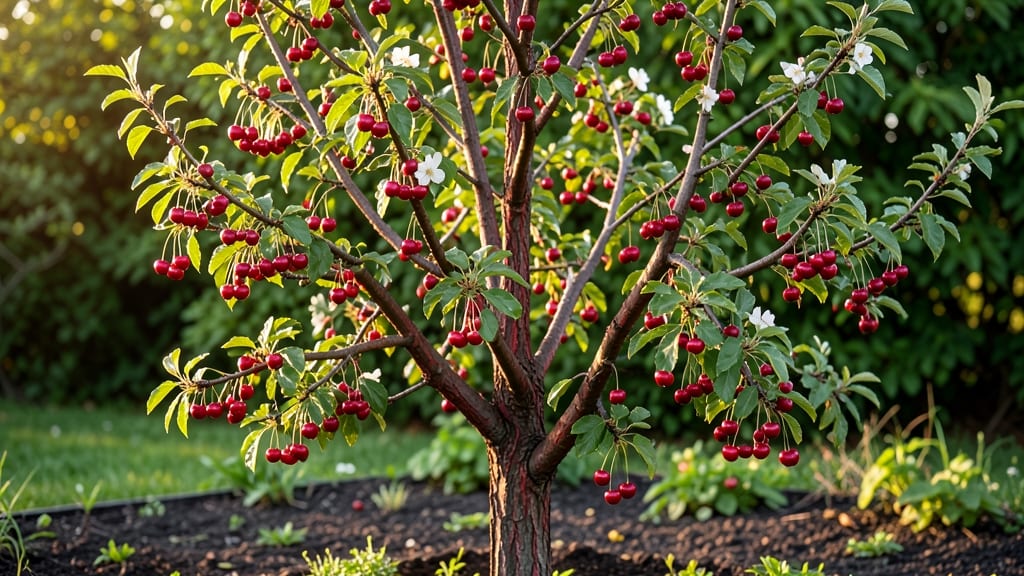
The Canada Red cherry tree fruit ripens in late July to early August, developing a deep red hue and slight softness when gently squeezed. Harvest when fully colored but still firm to prevent overripeness and preserve peak flavor and texture for fresh consumption or storage.
The timing of Canada Red cherries depends heavily on your region's climate—warmer southern areas may see fruit ready by late July, while northern zones might extend into early August. 🌿 I've noticed that trees in their third year produce the most consistent flavor, and a single late frost can delay ripening by weeks.
The slight give when squeezed is your best indicator, but also check the stem: it should detach easily without resistance. Once picked, store them in the fridge for up to 5 days, or freeze for longer-term use.
For best results, harvest on cool mornings when the fruit's natural sugars are at their peak. If you're planning to preserve them, wait until they're just slightly underripe—they'll continue softening during processing. Overripe cherries lose their vibrant color and develop mealiness, so timing is everything.
💡 In This Article
- How Climate and Tree Maturity Affect Canada Red Cherry Ripening
- Step-by-Step Guide to Testing Canada Red Cherry Ripeness at Home
How climate and tree maturity affect Canada Red cherry ripening
The ripening process of Canada Red cherries is deeply influenced by temperature fluctuations and sunlight exposure. These fruits thrive in zones 4-7, where daytime temperatures between 75-85°F during late summer create ideal conditions. However, nighttime temperatures dropping below 50°F can slow sugar development, delaying ripening by 5-7 days.
In my experience, trees in southern Ontario often produce fruit ready by late July, while those in Alberta may extend into early August due to cooler climates.
Sunlight plays a critical role too—cherries need 6-8 hours of direct sun daily for optimal ripening. Trees with partial shade may produce fruit with less vibrant color and slightly lower sugar content.
The tree's maturity also matters: younger trees (under 3 years) often have smaller, less flavorful fruit, while established trees (5+ years) yield 2-3 times more cherries with deeper red hues and richer taste profiles. 🌞
Environmental stressors like drought or late frosts can dramatically impact quality. A single frost after flowering can reduce yield by up to 40%, while prolonged drought stress causes smaller fruit with concentrated sugars but less juice.
I've observed that trees in humid regions develop thicker skins, which helps prevent cracking—a common issue in drier climates where fruit may split under 1.5-inch rainfall events.
Regional variations create distinct ripening patterns across Canada. For example, cherries in British Columbia's Okanagan Valley often ripen 10-14 days earlier than those in Quebec due to warmer microclimates.
The fruit's acidity also varies: southern cherries tend to be slightly sweeter (12-14% sugar content) while northern varieties maintain higher acidity (0.6-0.8%), balancing their flavor profile.
Tree age affects not just quantity but also ripening consistency. Mature trees produce fruit that ripens more uniformly, while younger trees may have a 2-week spread between earliest and latest ripening cherries. This variability is why commercial orchards often plant multiple tree varieties to ensure continuous harvest windows.
The fruit's firmness at peak ripeness typically measures between 1.2-1.5 kg/cm² on a pressure tester—a key metric for commercial growers.
What most people don't realize is that Canada Red cherries continue developing flavor even after reaching full color. The final sugar accumulation happens during the last 7-10 days before optimal harvest, which is why waiting until the fruit yields slightly to pressure pays off with superior taste.
This delayed ripening phase is particularly sensitive to temperature swings—even a 10°F drop can halt sugar development entirely.