
Trees
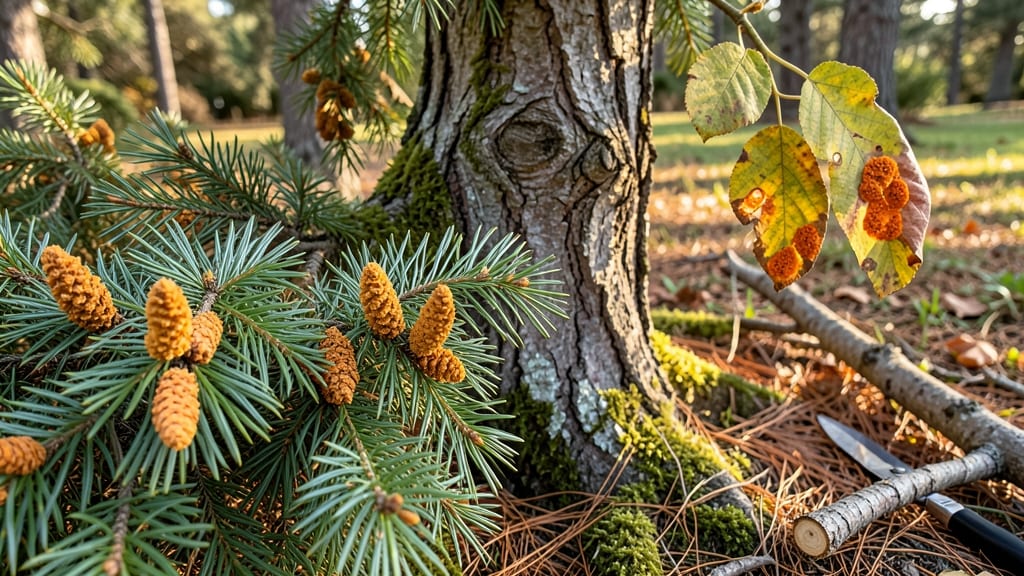
Cedar tree rust turns your evergreens into orange-speckled messes overnight. 🌳 I’ve watched this fungal blight transform healthy cedars into sad, pustule-covered shadows—until I learned these three natural fixes that actually work. The key? Acting fast before the spores spread to your fruit trees.
This isn’t just an aesthetic problem—rust weakens trees, stunts growth, and can jump to nearby apples, pears, or hawthorns. The orange gelatinous pustules you see? Those are the fungus’s spore cases, ready to infect everything in a 50-foot radius.
Most gardeners panic and grab fungicides, but the real solution starts with pruning and organic sprays that stop the cycle.
You’ll rescue your cedars by removing infected branches, applying a copper-based spray in early spring, and keeping the area clean. Within a season, you’ll see fresh green needles pushing out—no more rust, no more orange stains. The best part? These fixes protect your whole yard, not just the cedars.
Here’s the catch: timing matters. If you wait until summer, you’re fighting a losing battle. Spring is when the rust spores wake up, and that’s when you strike. Let’s turn those orange pustules into a thing of the past.
The Root Causes Of Fungal Spread
Cedar tree rust isn’t just a random disease—it’s the result of a complex interplay between fungal pathogens, environmental conditions, and tree health. Understanding why this fungal blight takes hold helps you spot warning signs early and take action before it spreads.
Here are the key culprits behind cedar tree rust outbreaks:
Healthy cedar trees have natural resistance to fungal infections, but stress weakens their defenses. When trees are compromised, Gymnosporangium juniperi-virginianae (the rust fungus responsible) gets a foothold. Common stressors include:
- Drought or poor soil: Cedar trees need well-draining, slightly acidic soil. Compacted or nutrient-deficient soil starves roots, making trees vulnerable. Pro tip: 🌡️ Test soil pH (ideal: 5.0–7.0) and amend with organic matter like pine bark or compost.
- Physical damage: Broken branches, storm wounds, or improper pruning create entry points for spores. Always use sterilized tools and make clean cuts to prevent infections.
- Pest infestations: Cedar bark beetles or spider mites drain sap, leaving trees energy-depleted. Monitor for sawdust-like frass or webbing.
Why it matters: A stressed tree can’t fight off spores, allowing rust to establish itself within weeks.
The rust fungus has a two-host life cycle, alternating between cedar trees and junipers (or other Juniperus species). Here’s how spores spread:
| Stage | Host | How It Spreads |
|---|---|---|
| Telial stage | Cedar trees | Overwintering spores (teliospores) release in spring, carried by wind or rain to junipers. |
| Aecial stage | Juniper trees | Bright orange aecia (spore sacs) form on juniper needles, releasing aeciospores that infect cedars. |
| Uredinial stage | Cedar trees | Yellow-orange pustules burst, releasing urediniospores—the most infectious spores—spreading via wind up to 10 miles. |
Key takeaway: 🔥 If junipers grow near your cedars, rust spores can jump between them in a single season. Remove infected junipers or space them at least 50 feet apart.
Fungal growth thrives in specific weather patterns. Cedar rust outbreaks spike when:
- Warm, moist springs: Temperatures between 60–80°F with frequent rain or dew create ideal spore germination conditions. Pro tip: 🌡️ Use a hygrometer to monitor humidity—keep it below 70% around cedars.
- Slow-draining soil: Waterlogged roots suffocate cedars, while heavy morning dew prolongs moisture on foliage. Fix: Improve drainage with gravel or sand and avoid overhead watering.
- High humidity: Spores need 12+ hours of leaf wetness to infect. Prune for airflow and use fungicidal sprays (like neem oil) during rainy seasons.
Warning sign: If you see orange pustules on cedar needles after a wet spring, act fast—spores can reinfect within 2–3 weeks.
Next steps: Now that you know the triggers, the good news is prevention is possible. Stay tuned for natural remedies to stop rust in its tracks!
Natural Fixes For Fungal Blight
Cedar tree rust may sound intimidating, but with the right approach, you can restore your tree’s health—and even prevent future outbreaks. The key is acting quickly and using targeted, eco-friendly solutions.
Below, we’ll break down practical fixes based on the root cause of your tree’s struggle, along with preventive tips to keep rust at bay.
Cause: Fungal spores thrive in damp, decaying organic matter. Fix:
- 🔪 Prune affected branches—cut back any leaves, twigs, or needles showing orange pustules (the rust’s signature). Dispose of them in a sealed trash bag not your compost bin.
- 🧹 Clean up fallen debris—rake leaves, needles, and fallen branches from the tree’s base and surrounding area. Fungal spores can survive winter in this debris!
- 💡 Pro Tip: Sterilize your pruning tools with 70% rubbing alcohol or a bleach solution (1 part bleach to 10 parts water) between cuts to avoid spreading spores.
Cause: Weak or stressed cedars are more vulnerable to rust. Fix: 1. 💧 Water deeply but less often—cedars prefer dry soil but need consistent moisture during droughts. Overwatering invites fungal growth, while underwatering weakens the tree.
- 🌱 Mulch properly—apply 2–3 inches of organic mulch (like wood chips or pine straw) around the base, but keep it 6 inches away from the trunk to prevent rot.
- 🍃 Feed with organic fertilizer—use a balanced, slow-release fertilizer (like 10-10-10) in early spring to strengthen the tree’s defenses. Avoid synthetic fertilizers, which can burn roots and stress the tree further.
- ✨ Pro Tip: Compost tea (homemade or store-bought) can enhance soil microbes that naturally suppress fungal growth. Spray it on foliage as a preventive measure.
Cause: Severe or recurring infections may require a stronger intervention. Fix: 1. 🍄 Use natural fungicides—opt for copper fungicide (like Copper Soap) or neem oil spray, both effective against rust fungi. Follow label instructions for mixing and application.
- 🌿 Best timing: Apply early spring (before new growth) and late fall (after leaf drop) for maximum protection.
- 💡 Pro Tip: For a DIY spray, mix 1 tbsp baking soda + 1 tsp dish soap + 1 gallon of water.
Spray on both sides of leaves on a dry, wind-free day.
Cause: Rust spreads easily in humid, shaded, or crowded conditions. Fix: 1. 🌳 Improve airflow—thin out overcrowded branches to reduce humidity around the tree. Aim for open, airy growth.
- ☀️ Increase sunlight—if your cedar is in a shaded spot, consider thinning nearby trees or pruning limbs to let more light in.
- 🌧️ Avoid overhead watering—use drip irrigation or soaker hoses instead of sprinklers to keep foliage dry.
- 🔄 Monitor regularly—check your tree monthly for early signs of rust (tiny orange spots). Catching it early makes treatment far easier.
If your cedar shows:
- Widespread defoliation (more than 30% of needles lost)
- Cankers or dead branches (signs of advanced decay)
- No improvement after 2–3 treatments
A certified arborist can assess whether the tree is beyond saving or needs professional fungicide injections for severe cases.
Final Thought: Cedar tree rust is manageable with patience and persistence. By cleaning up debris, strengthening your tree’s health, and applying natural treatments, you can reverse damage and protect your cedar for years to come. 🌲✨
Frequently asked questions
What do cedar tree rust pustules look like?
Cedar tree rust pustules appear as bright orange or yellow-orange gelatinous spots on needles, usually 1/8 to 1/4 inch wide. In wet conditions, they may ooze a rust-colored liquid. These pustules typically form in clusters on the undersides of needles during spring and summer.
Can cedar tree rust spread to other plants?
Yes, this fungus has a two-host life cycle and can infect nearby juniper trees (its alternate host). The spores can also spread to apple, pear, and hawthorn trees within a 50-foot radius if conditions are right. Removing infected branches and spacing junipers properly helps prevent cross-contamination.
How often should I treat cedar rust?
Apply preventive treatments twice a year: once in early spring (before new growth) and again in late fall (after leaf drop). For active infections, treat every 2–3 weeks until symptoms disappear. Copper fungicide or neem oil are both effective when applied correctly.
Will pruning alone cure cedar rust?
Pruning removes infected branches and reduces spores, but it won’t cure the problem on its own. Always combine pruning with fungicidal sprays and proper tree care (like improving airflow and soil health). Without additional treatment, rust can return within 1–2 seasons.
Are there chemical-free ways to prevent cedar rust?
Yes! Try these organic methods: compost tea sprays, baking soda mixtures (1 tbsp baking soda + 1 tsp dish soap per gallon of water), and mulching with pine straw. These won’t eliminate severe infections but help strengthen tree resistance and reduce spore spread.