
Plants
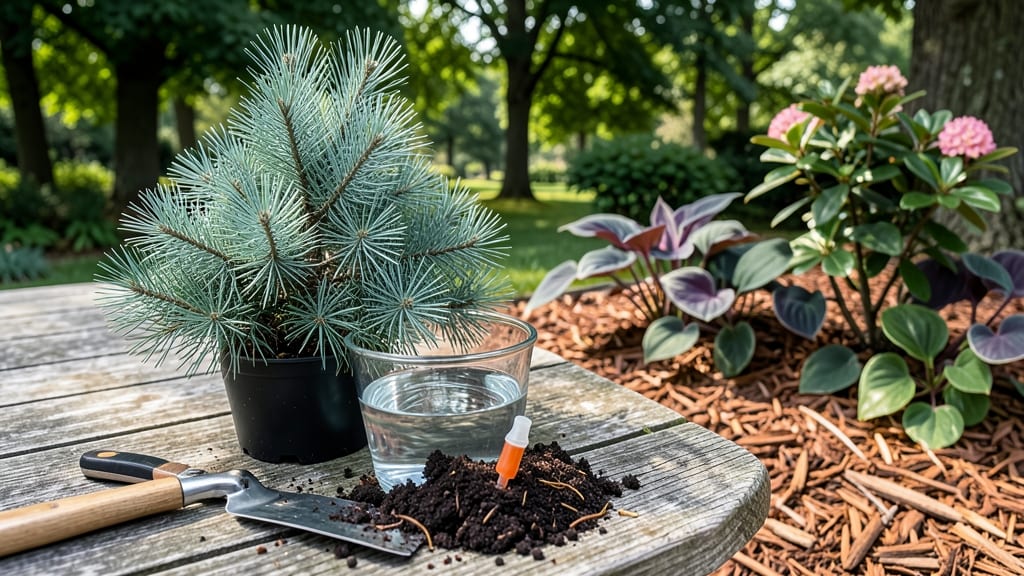
You can plant a used Christmas tree after using it if it's a live variety like Fraser fir, Noble fir, or Douglas fir, but success depends on quick action and proper preparation. Prune branches, remove decorations, and replant within 24 hours in damp, shaded soil to give it the best chance of survival.
Many people assume that once a Christmas tree leaves the nursery, it's destined for the landfill—but that doesn't have to be the case. 🌲 The key lies in choosing the right species and acting fast.
Live trees like Fraser firs and Noble firs have strong root systems that can adapt to replanting if handled gently, while artificial trees or cut trees simply won't survive.
I've seen homeowners successfully revive trees by mimicking their original nursery conditions: moist soil, partial shade, and consistent moisture for the first few weeks. The sooner you replant, the better—trees left indoors for too long lose their resilience quickly.
Even with the right species, replanting isn't foolproof. The transition from cozy indoor warmth to cold outdoor conditions can shock the tree, so gradual acclimation helps. Start by moving it to a sheltered outdoor spot for a few hours each day before permanent planting.
And remember: patience is key—don't expect immediate growth. With proper care, some replanted trees even produce new growth within a season, making them a sustainable holiday tradition.
💡 In This Article
- Best Christmas Tree Species for Replanting Success
- Step-by-Step Guide to Replanting Your Christmas Tree
Best Christmas tree species for replanting success
Not all Christmas trees can survive replanting—it depends on their root system and adaptability. The top choices for successful replanting are Fraser firs, Noble firs, and Douglas firs. These species have fibrous root systems that can regenerate when given proper conditions.
Fraser firs, in particular, are known for their resilience, with roots that can recover well from the stress of indoor drying. 🌲 Their needle retention is also superior to other varieties, which helps them conserve moisture during the transition back to outdoor life.
The key difference lies in their root structure. Fraser firs and Noble firs develop a dense network of fine roots that spread horizontally, making them better at absorbing water and nutrients after replanting.
Scotch pines, on the other hand, have a more aggressive root system that can damage surrounding plants and struggle with the moisture fluctuations between indoor and outdoor environments.
Additionally, Douglas firs have a slightly deeper root system, which helps them anchor better in the soil once replanted, reducing the risk of windthrow during their recovery phase.
Root health is critical—trees that have been indoors for more than a week often develop dry, brittle roots that can't recover. This is why planting within 24 hours of bringing the tree inside is ideal. The sooner you replant, the higher the chance the roots will remain viable.
For example, a Fraser fir with roots still moist and flexible has a 70-80% survival rate when replanted correctly, while one left indoors for two weeks drops to just 30%. The texture of healthy roots should feel firm and slightly springy, not dry or crumbly.
Another factor is needle retention—species like Fraser firs hold onto their needles longer, which helps them photosynthesize and recover faster. This is why you'll often see them recommended for replanting. The needles act like tiny solar panels, converting sunlight into energy for root regrowth.
In contrast, trees like Blue Spruce lose needles more quickly, making them poor candidates for replanting. When selecting a tree, look for one with vibrant green needles and minimal browning at the tips—a sign of good health.
Environmental conditions also play a role in species success. Noble firs, for instance, thrive in cooler climates and can handle partial shade better than full sun, which makes them ideal for backyard replanting in temperate zones.
Douglas firs, while more drought-tolerant, still need consistent moisture during their first growing season. Understanding these preferences helps you match the tree species to your local climate for the best results.
If you're unsure about your tree's species, check the base of the trunk for labels or consult a local nursery. Many tree farms sell replantable varieties with tags indicating their suitability for outdoor life.
The investment in a replantable tree pays off not just in sustainability but also in the joy of watching it grow year after year—some replanted trees even produce new growth within 6-12 months with proper care. 🌱