
Pruning
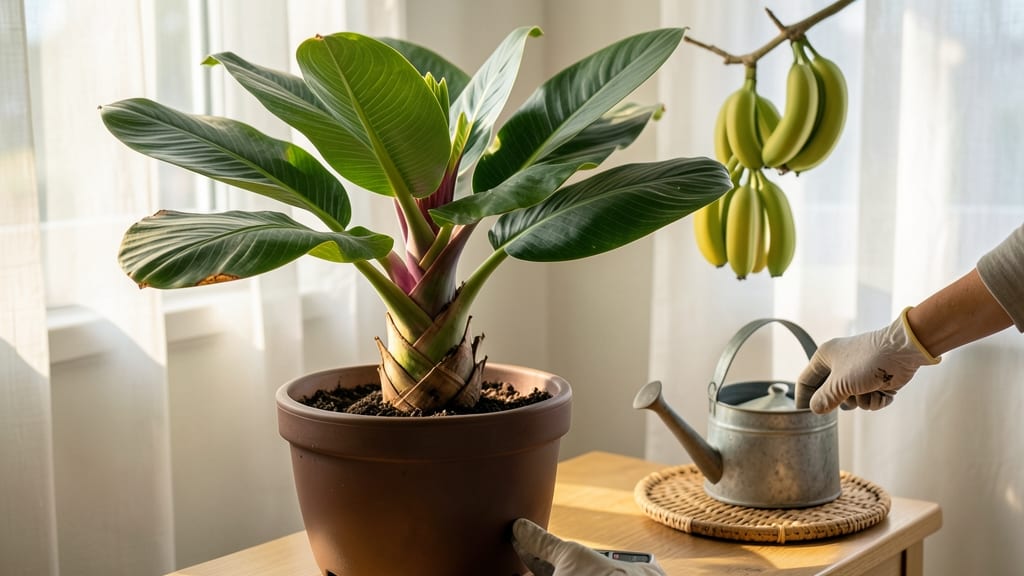
Growing a banana tree inside isn’t just about the tropical vibes—it’s about mastering the pruning that keeps your plant compact, sturdy, and productive year-round. 🌿 I’ve wrestled with leggy, weak-stemmed banana plants before, and the difference between a scraggly specimen and a thriving houseplant comes down to strategic cuts.
The right pruning turns those floppy fronds into a bushier, more resilient plant that actually bears fruit indoors.
You’ll need sharp pruners, a clean workspace, and a plan for when to trim—because timing matters more than you’d think. Most people over-prune or wait too long, both of which stress the plant.
The goal is to remove dead fronds, encourage branching, and redirect energy to new growth without shocking the roots. Think of it like giving your banana tree a haircut that boosts its confidence, not cuts too close.
By the end, you’ll have a banana plant that stays under 6 feet tall (even in low-light spots), produces thicker stems, and recovers faster from browned leaves. The key is balancing removal with encouragement—never hacking back more than one-third of the plant at once.
You’ll also spot early signs of pests or nutrient deficiencies, which you can fix before they derail your progress.
This method works for dwarf varieties like ‘Dwarf Cavendish’ or ‘Lady Finger’—the same ones sold as houseplants. If you’ve ever watched your banana tree’s fronds yellow and drop without new growth appearing, this guide fixes that. Let’s turn your indoor jungle into a fruit-bearing powerhouse.
📚 In This Guide
- What you need
- Instructions
- Tips and common mistakes
- Wrapping up and next steps
What you need
- ● Pruning shears or bypass pruners – Sharp, clean, and sterilized (avoid dull blades to prevent tearing).
- ● Gloves – Thick gardening gloves (banana sap can irritate skin!).
- ● Disinfectant (70% isopropyl alcohol or hydrogen peroxide) – To sterilize tools between cuts (prevents disease spread).
- ○ Small container or bucket – For collecting pruned fronds (optional but helpful!).
- ○ Pruning sealant (optional) – Like tree wound dressing (helps larger cuts heal faster).
- ● Healthy banana tree – No signs of pests, disease, or severe yellowing (prune only when the plant is actively growing).
- ● Growth phase timing – Best done in spring or early summer (avoid dormant winter months).
- ● Bright, indirect light access – Ensure your tree has a spot near a window (pruning stimulates new growth!).
- ● Watering routine – Keep soil moist (not soggy) 2–3 days before and after pruning (helps the tree recover).
Step-by-Step guide to pruning your indoor banana tree
Here's how to keep your banana tree lush, compact, and full of strong branches—no green thumb required.
✂️ Step 1: Identify and Remove Dead or Yellowing Leaves
Start by inspecting your banana tree for any leaves that have turned completely yellow, brown, or crispy. These are dead and won’t recover. Gently grasp the base of the leaf where it meets the stem and twist it off—don’t pull hard, or you might damage healthy growth. You’ll see these leaves clustered at the bottom of the plant, especially in older sections.
If a leaf is only partially yellow, don’t prune it yet. Wait until it’s fully brown and dry, as removing healthy tissue can stress the plant. I like to do this step first because it clears out debris that could harbor pests or diseases. Once you’ve removed all the dead leaves, you’ll notice the plant looking instantly tidier and more vibrant.
✂️ Step 2: Prune Overly Long or Weak Stems
Next, focus on the stems themselves. Look for branches that are leggy, thin, or growing in odd directions—these won’t support strong fruit production. Use clean, sharp pruning shears to cut these stems back to a healthy node, which is the small bump where leaves or branches grow. This encourages the plant to redirect its energy into stronger, more compact growth.
I aim to keep the main trunk sturdy and upright. If a branch is growing at a sharp angle or looks weak, trim it back to the nearest outward-facing node. This helps the plant develop a bushier shape and prevents it from toppling over. Avoid cutting into the thick, central trunk unless it’s absolutely necessary—this is the plant’s main support structure.
🌿 Step 3: Encourage Bushier Growth with Strategic Cuts
Now, it’s time to shape your banana tree for a fuller look. Look for the uppermost healthy leaves and cut just above a node where a new branch could grow. This signals the plant to send out new shoots from that point, creating a bushier appearance. I usually make these cuts in early spring when the plant is actively growing.
Don’t overdo it—remove only about one-third of the plant’s foliage in one session. You’ll see new growth emerging from the nodes within a few weeks. If you notice the plant looking sparse afterward, it’s a sign you pruned too aggressively. The goal is to maintain a balance between removing old growth and encouraging new, healthy branches.
☀️ Step 4: Adjust Light Exposure After Pruning
After pruning, your banana tree will need extra care to recover. Move it to a spot with bright, indirect light for the first week or two. Direct sunlight can stress freshly pruned plants, especially if they’ve lost a lot of leaves. If your tree was in a low-light area, this is also a great time to gradually introduce it to a sunnier spot over a few days.
Watch for signs of stress, like drooping leaves or yellowing. If you see this, it’s usually a sign the plant needs more humidity or slightly less light. I like to mist the leaves lightly a few times a day during this adjustment period. Once new growth appears, you can return the plant to its usual light conditions.
Tips & tricks for pruning your indoor banana tree
Between us, pruning an indoor banana tree feels like giving it a spa day—it looks better and grows stronger. Here’s how to make sure your cuts do more good than harm.
Timing is Everything: Early spring is the absolute best time to prune your banana tree, when it’s entering its active growth phase. This is when the plant has the energy to bounce back quickly and send out fresh shoots. Avoid pruning in late fall or winter when the plant is resting—you’ll just stress it out for no reason. If you must prune outside of spring, wait until you see new growth starting.
Tool Prep Matters: Before you even touch your plant, sanitize your pruning shears with rubbing alcohol. A clean cut prevents bacteria and fungi from entering the plant through fresh wounds. I also like to sharpen my shears first—they should glide through stems like butter, not tear at them. A dull blade can crush the stem instead of making a clean cut, which slows healing and invites infections.
Node Awareness: Those little bumps along the stems—called nodes—are where all the magic happens. When pruning in Step 2 or Step 3, always cut just above a node, leaving about ¼ inch of stem above it. This is where new branches will sprout. If you cut below a node, you’re basically telling the plant, "Nope, no new growth here!"—and it won’t grow back from that spot.
Don’t Overdo the Pruning: Remember the one-third rule from Step 3? It’s not just a suggestion—it’s a guideline to prevent shock. If you remove more than a third of the foliage at once, your banana tree might struggle to recover, especially if it’s already in a low-light spot. Think of it like giving your plant a haircut: you wouldn’t shave off half your head in one go, right? Start small, observe how it responds, and adjust in your next session.
Pro Tips for Banana Tree Inside
- Between us, pruning an indoor banana tree feels like giving it a spa day—it looks better and grows stronger.
- Timing is Everything: Early spring is the absolute best time to prune your banana tree, when it’s entering its active growth phase.
- Tool Prep Matters: Before you even touch your plant, sanitize your pruning shears with rubbing alcohol.
Frequently asked questions
Got questions about growing a banana tree indoors? You’re not alone! Here are some of the most common concerns—plus quick, practical answers to keep your plant thriving.
Can I really grow a banana tree inside year-round?
Dwarf banana varieties like Musa acuminata or Musa velutina thrive indoors with bright, indirect light (e.g., near a south- or west-facing window). Just mimic their tropical habitat: keep humidity high (60%+), water when the top 2 inches of soil dry, and provide warmth (65–80°F). Expect slower growth than outdoors, but with patience, you’ll enjoy lush foliage and occasional fruit!
How often should I prune my indoor banana tree?
Prune lightly to encourage bushier growth. Trim dead or yellowing leaves anytime, but save major pruning for early spring before new growth starts. Cut back old pseudostems (the "trunk") by 1/3 if they’re hollow or overcrowded—this redirects energy to younger shoots. Pro tip: Sterilize shears with rubbing alcohol to prevent fungal infections!
What’s the best light setup for an indoor banana tree?
Indoor banana trees are light hogs—they need 6+ hours of bright, indirect light daily. If natural light is lacking, supplement with a full-spectrum LED grow light (12–14 hours/day). Place the light 12–18 inches above the plant and adjust as it grows. Avoid direct sun, which can scorch leaves, or harsh artificial lights that may bleach foliage.
Will my indoor banana tree ever produce fruit?
Dwarf varieties can fruit indoors, but it’s rare without ideal conditions. Focus on healthy growth first: mature plants (2+ years old) in large pots (15+ gallons) with proper light, humidity, and nutrients may develop flower spikes. If you spot a bloom, hand-pollinate it with a small brush. Even if no fruit forms, the process is fascinating—and the foliage alone is a stunning indoor feature!
Why are my banana tree’s leaves turning yellow or brown?
Yellow leaves often signal overwatering or poor drainage, while brown tips or edges usually mean low humidity or fluoride sensitivity (common in tap water). Troubleshoot by:
- Checking soil moisture—stick your finger 2 inches deep before watering.
- Misting leaves daily or placing a pebble tray under the pot.
- Switching to filtered or rainwater if you suspect fluoride.
- Ensuring pots have drainage holes to prevent root rot.
Are there non-fruiting banana tree alternatives for indoors?
Yes! If you love the look but not the fuss of fruiting, try ornamental bananas like Musa basjoo (hardy but slow-growing indoors) or Strelitzia reginae (bird-of-paradise, a striking non-banana relative). Both offer bold foliage with minimal pruning needs. Just ensure they get plenty of light and space to grow—these plants can get tall!
Wrapping up and next steps
Growing a banana tree inside is a rewarding experience—especially when you master pruning to keep it compact and thriving! 🌱 By following the right techniques, you’ll encourage strong branches, healthier growth, and even better fruit (if you’re lucky). Whether you’re trimming for aesthetics or plant health, consistency is key.
Ready to take the next step? Start small—observe your tree’s growth patterns, then gradually refine your pruning routine. Before you know it, your indoor banana tree will be a lush, well-shaped centerpiece. Happy pruning! 🌿✨