
Propagation
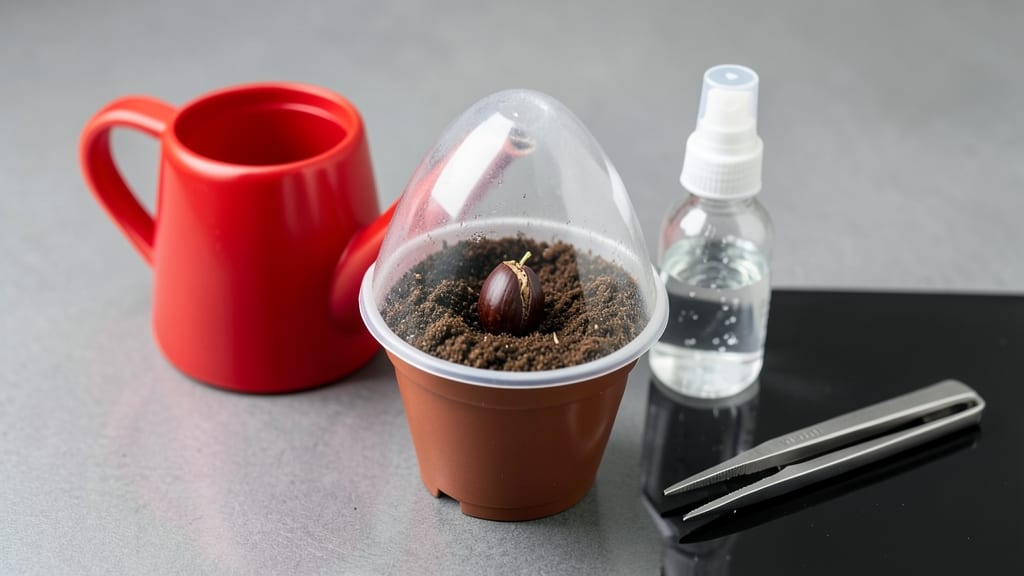
You can grow a cherry tree from store-bought cherries, but success requires patience and proper technique since most commercial varieties produce unreliable seeds. Germination depends on careful pit preparation, cold stratification, and nurturing young seedlings through unpredictable growth phases.
Most grocery store cherries come from hybrid varieties bred for sweetness, not seed viability, which explains why germination rates hover around 30-50%.
The key lies in mimicking nature's dormancy cycle through stratification—a cold, moist treatment that softens the hard seed coat. 🌱 I've found that using damp paper towels in a sealed container for 6-8 weeks in the fridge (around 35-40°F) significantly improves sprout rates.
Even then, the resulting tree may not produce fruit resembling the parent variety, as cherry seeds often revert to wild types.
Once sprouted, transplant seedlings into well-draining soil and place them in bright, indirect light. Slow growth is normal—cherry trees from seed can take 5-10 years to bear fruit, if at all.
The real reward comes from the adventure of nurturing a tree from a single pit, even if the fruit quality surprises you. For best results, try sour cherries (like Montmorency) as they tend to have higher germination rates than sweet varieties.
💡 In This Article
- Cherry Seed Germination Science and Stratification Process
- Step-by-Step Guide to Growing Cherries from Pits
Cherry seed germination science and stratification process
The hard, glossy pits you find in store-bought cherries contain seeds that are naturally designed to survive harsh conditions. These seeds enter a state called dormancy, a survival mechanism that prevents germination until environmental conditions are ideal.
The thick, woody seed coat acts as a protective barrier, but it also creates a physical barrier that blocks water and oxygen—two critical elements for sprouting. 🌱 Without proper preparation, these pits can sit for months without breaking dormancy, which is why commercial cherry growers rarely use seed propagation.
Cold stratification mimics the natural winter conditions that wild cherry seeds experience in their native habitats.
When you place pits in a 35-40°F environment with consistent moisture for 6-8 weeks, you trigger two key biological processes: first, the seed coat softens through enzymatic breakdown, and second, internal growth hormones (like gibberellins) activate. This process isn't just about temperature—humidity control is crucial.
Too dry, and the seed won't absorb enough water; too wet, and you risk mold or rot. I've found that wrapping pits in damp paper towels inside a sealed plastic bag creates the perfect microclimate.
The reason store-bought cherry pits often fail to produce true-to-type trees lies in their genetic makeup. Most commercial varieties are hybrids created through cross-pollination to enhance sweetness, size, and disease resistance.
When you grow from seed, you're essentially rolling the genetic dice—what emerges could be a completely different species, often reverting to wild characteristics like tart fruit or even thorny branches.
This is why sour cherries (like Montmorency) have higher success rates—they're closer to their wild ancestors and maintain more predictable traits. 🌿
One often-overlooked factor in successful stratification is the seed's internal moisture content. Freshly extracted pits contain about 10-15% moisture, but this drops quickly if not properly stored. The stratification period helps restore this moisture balance while simultaneously breaking down natural growth inhibitors.
Think of it like waking a seed from hibernation—it needs the right temperature, hydration, and time to prepare for active growth. The first visible sign of success is usually a tiny white root (radicle) emerging within 4-6 weeks of proper stratification.
For those attempting this process, timing is everything. Start stratification in late summer or early fall if you want to see seedlings emerge in spring. The natural light cycle during this period provides the perfect cue for germination.
I've seen some gardeners achieve 70% germination rates with careful stratification, though 30-50% is more typical. The difference often comes down to pit selection—choose plump, undamaged pits from fully ripe cherries, as these contain the most viable embryos. 🌱
Once you've successfully stratified your pits, the next challenge becomes nurturing those delicate seedlings. The transition from controlled stratification to outdoor conditions requires gradual acclimatization. I recommend moving seedlings to a sunny windowsill for 1-2 weeks before transplanting, allowing them to adjust to higher light levels.
This slow transition helps prevent shock that could stunt early growth. Remember, cherry trees grown from seed develop at their own pace—some may show significant growth within months, while others remain stunted for years. 🌱