
Diseases
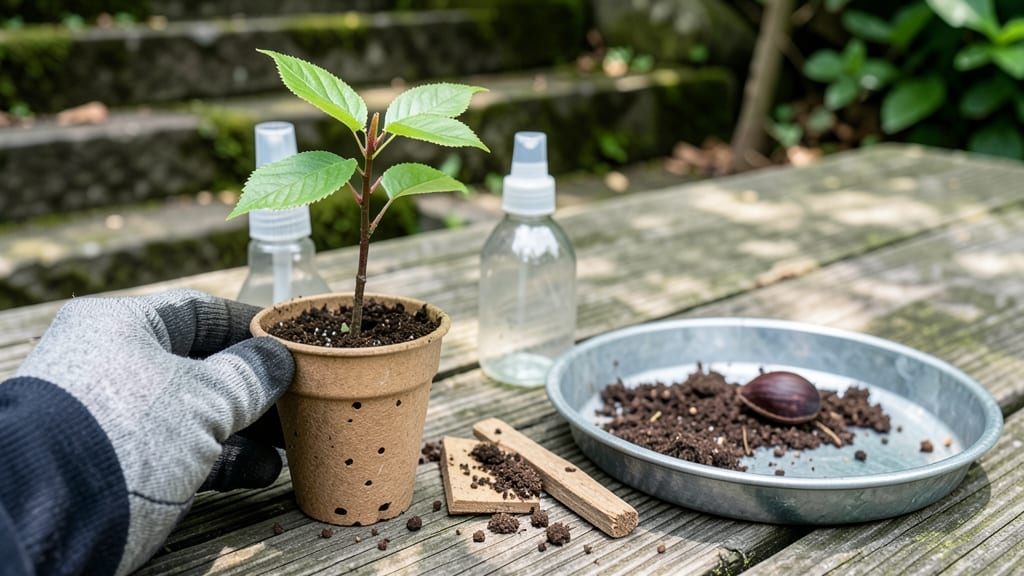
You can grow a cherry tree from a cherry seed, but the process is unpredictable: seeds rarely develop into fruit-bearing trees identical to the parent plant, and germination often requires months to years of cold stratification before sprouting.
While it's biologically possible to grow a cherry tree from a seed, the results are far from guaranteed. 🌱 The seeds of most sweet and sour cherries need a period of cold stratification—typically 60 to 90 days—to break their natural dormancy.
This mimics the winter conditions cherries experience in nature, signaling the seed it's safe to sprout. Even with stratification, only about 10% of seeds may germinate, and the resulting tree might take 5 to 10 years to bear fruit—if it ever does.
Many gardeners find that grafted nursery trees are more reliable for consistent fruit production.
If you're determined to try, start by collecting fresh, plump seeds from ripe cherries and cleaning them thoroughly. Store them in a damp paper towel in the refrigerator for the stratification period.
Once sprouted, transplant the seedlings into well-draining soil and provide consistent care. Patience is key—this method is more of a long-term experiment than a quick gardening project.
💡 In This Article
- Cherry Seed Germination Process Explained
- Step-by-Step Guide to Growing Cherries From Seeds
Cherry seed germination process explained
Cherry seeds enter a state called dormancy—a survival mechanism that prevents them from sprouting under unfavorable conditions.
This dormancy is triggered by two key factors: a thick, hard seed coat that blocks water absorption and internal chemical inhibitors that delay growth. 🌱 The seed coat can be so tough that it takes 60-90 days of cold, moist conditions (40-50°F) to soften enough for water to penetrate.
Without this process, called stratification, the seed might never break dormancy, even if planted in ideal soil.
Nature designed this cold requirement to sync germination with spring. In the wild, cherries drop their fruit in late summer or fall, and the seeds remain dormant through winter's freezing temperatures.
When spring arrives, the cold period has softened the seed coat, and warmer temperatures trigger the release of growth hormones like gibberellins. This is why refrigeration mimics nature—it provides the consistent 40-50°F environment the seed needs to "think" winter has passed.
The timing of germination varies wildly. Some seeds may sprout within 2-4 weeks after completing stratification, while others can take 6 months or longer. This unpredictability stems from genetic differences between seeds and their individual dormancy levels.
Even with perfect stratification, only about 10-20% of seeds typically germinate—most remain dormant or rot. The few that do sprout often develop into weak seedlings that struggle without proper care.
Here's what happens under the microscope: During stratification, the seed absorbs moisture, swelling the embryo and breaking down the seed coat's tough outer layer. Enzymes activate to metabolize stored nutrients, preparing the seedling for its first leaves.
Without this preparation, the seedling would lack the energy to push through soil and sunlight. 💫 The process is like a biological countdown timer—each day in the fridge brings the seed one step closer to readiness.
One fascinating quirk: Some cherry seeds carry polyembryony, meaning a single seed can produce multiple embryos. This increases the odds of germination but also means you might end up with multiple seedlings from one seed.
However, this trait is rare in commercial cherry varieties, so most gardeners won't encounter it. The bottom line? Stratification isn't just helpful—it's essential for bypassing the seed's built-in survival instincts.
For those eager to try, remember that even with perfect stratification, the first year of growth is critical. Seedlings need 6-8 hours of sunlight daily and soil that stays consistently moist but well-draining. The payoff? If you're lucky, you might grow a tree that—after 5-10 years—produces fruit.
But be prepared for surprises: the tree may bear cherries that differ in size, color, or flavor from the parent plant, thanks to genetic recombination.