
Planting
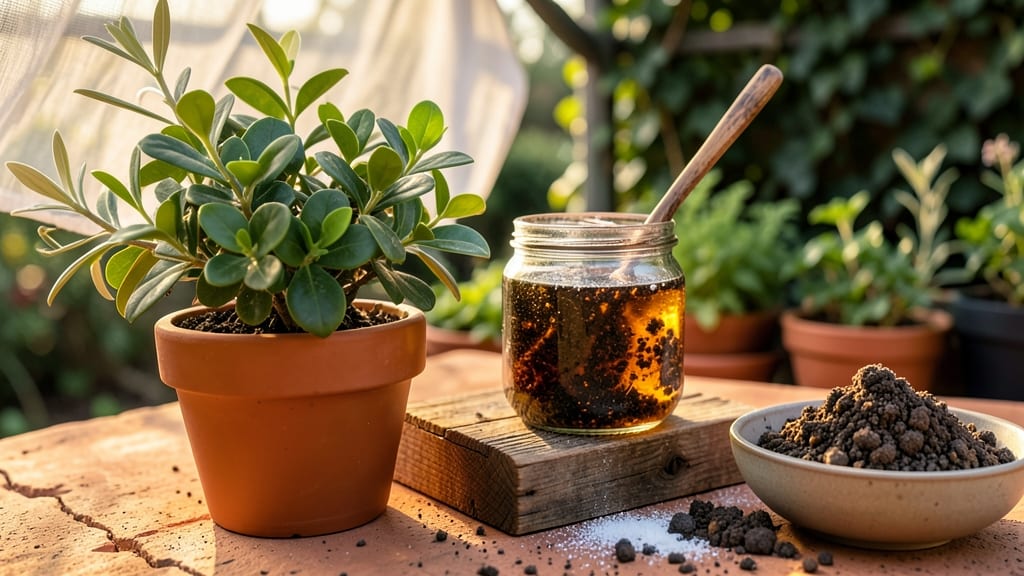
Transforming wood ashes into thriving trees is an eco-friendly way to recycle waste while jumpstarting growth. These ten science-backed methods leverage ashes' mineral richness to accelerate germination and root development for stronger, faster-growing trees.
Wood Ash Seedling Soil Mix
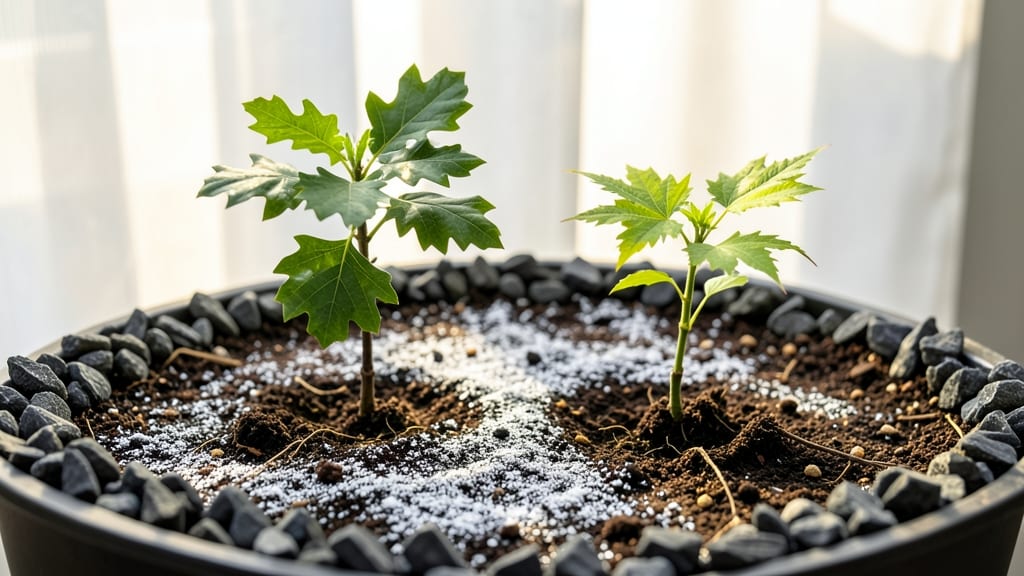
Struggling with slow-growing native seedlings like oak or maple? A simple wood ash seedling soil mix could be the game-changer your garden needs. This nutrient-dense blend supercharges potting soil with potassium and calcium, giving seedlings the mineral boost they crave to break through the soil faster.
Start by mixing 1 part wood ash (from untreated hardwood) with 10 parts potting soil. For slow starters, add a pinch of perlite to improve drainage. This mix works best when applied to seedlings during their first 4-6 weeks of growth, when roots are establishing but nutrient needs are highest. Avoid overdoing it—too much ash can raise soil pH too quickly.
Perfect for gardeners raising native species or those with heavy clay soils, this method transforms ordinary potting mix into a powerhouse for young trees. Your seedlings will thank you with stronger stems and lush foliage. 🌱
Ash-Infused Water Germination
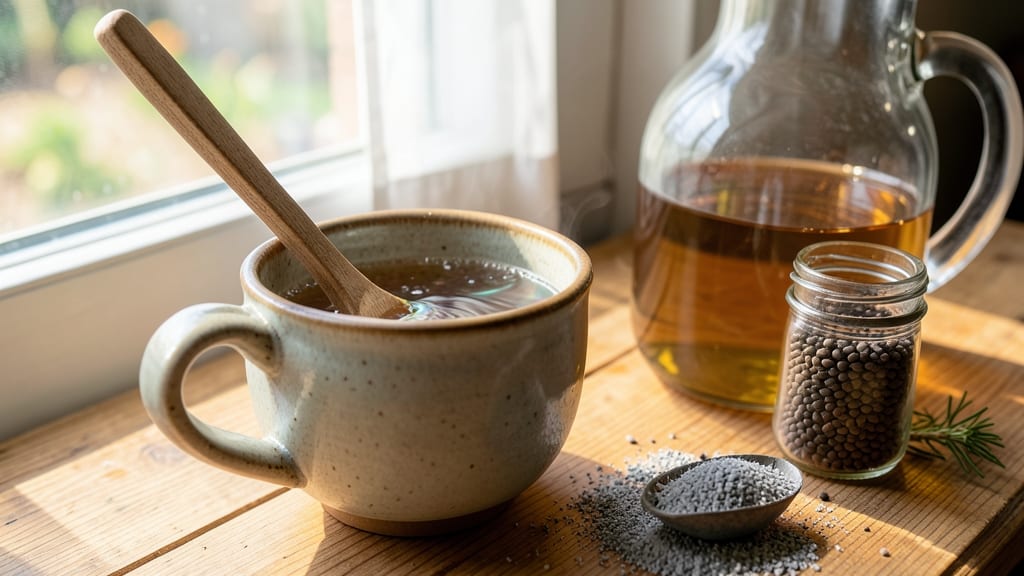
Struggling with slow-sprouting seeds from drought-resistant trees like mesquite or juniper? Ash-infused water cuts seed soaking time by 30% while kickstarting root growth—no fancy equipment needed.
Start by mixing 1 tablespoon of wood ash into 1 gallon of warm water, stirring until fully dissolved. Let the solution sit for 24 hours to extract minerals like potassium and calcium before soaking seeds for 8-12 hours. This method mimics natural mineral-rich environments these trees thrive in, reducing germination time by nearly a third.
Urban gardeners and desert landscapers will love this low-cost trick—ideal for small spaces where patience runs thin. Just avoid over-soaking to prevent seed rot. 💡
Direct Ash Mulch Layering
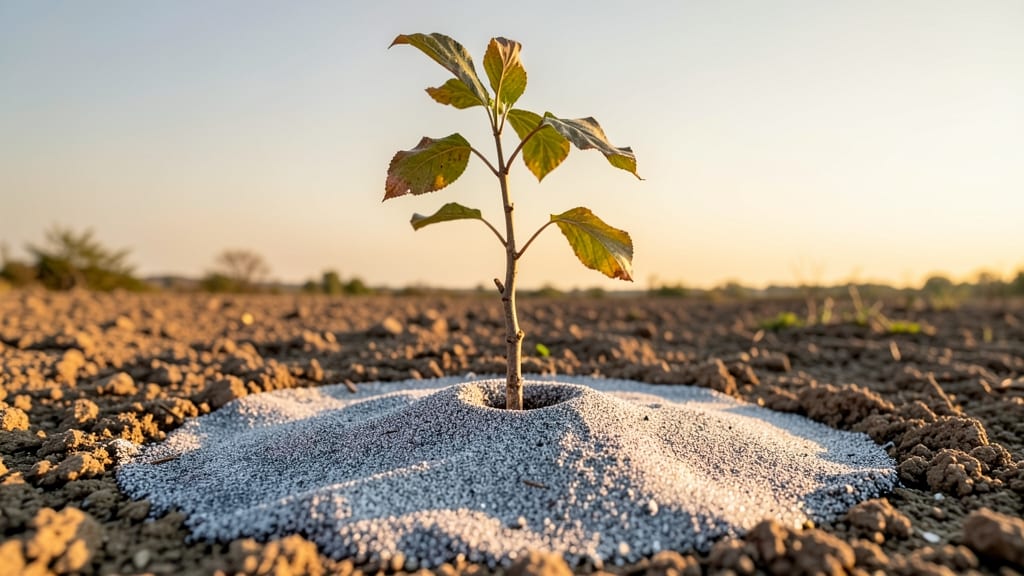
Struggling to keep young fruit trees alive in hot, dry summers? Direct ash mulch layering creates a moisture-retaining shield around saplings that could be the game-changer you need. Unlike traditional mulch, wood ash forms a thin, insulating layer that slows evaporation while delivering slow-release calcium and potassium directly to roots.
Apply a 1-inch layer of cooled wood ash around the base of your apple or pear saplings (avoid direct contact with the trunk) after planting. For arid climates, combine it with a thin layer of straw or bark chips to enhance moisture retention. Replenish annually in spring—this method has been shown to reduce watering needs by up to 40% while protecting against temperature fluctuations.
This technique is especially valuable for urban gardeners or those with limited water resources. The microclimate it creates helps young trees establish stronger root systems faster, setting them up for long-term resilience. 💚
Ash Tea Foliar Spray
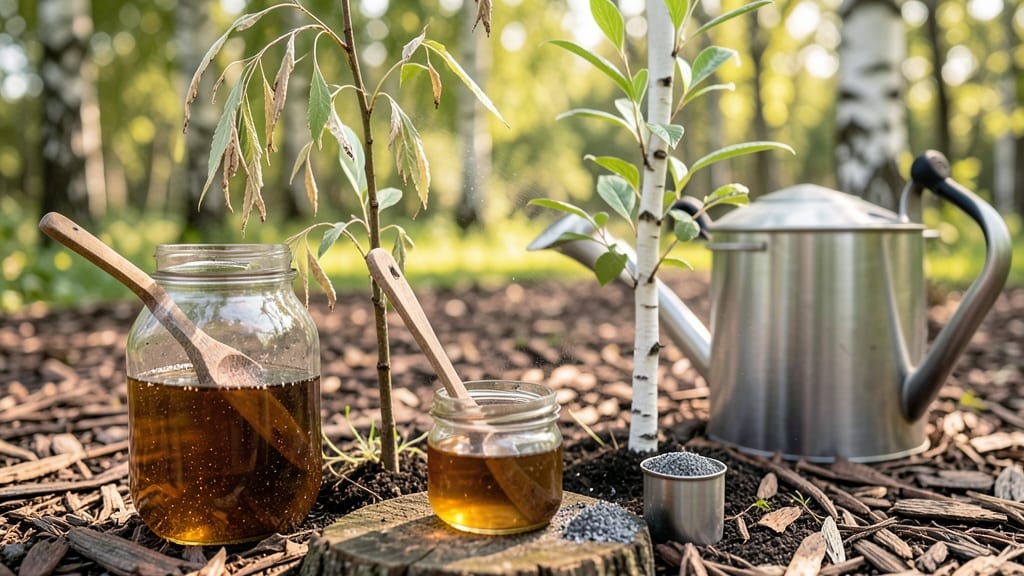
When your newly planted willow or birch trees look wilted after transplanting, a simple ash tea foliar spray can work like a leafy IV drip, delivering essential minerals directly where they're needed most.
Mix 1 tablespoon of unsieved wood ash in 1 gallon of warm water, stir well, and let steep for 24 hours. Strain through cheesecloth, then spray the solution onto leaves during early morning or late afternoon to prevent evaporation. The potassium and calcium in ash help rebuild cell walls faster than soil applications alone, while the foliar route bypasses slow root uptake during shock recovery. Use every 7-10 days until new growth appears.
This method is a game-changer for urban gardeners with limited soil space or anyone reviving trees after harsh winters. Just remember: always use untreated wood ash and avoid spraying when leaves are wet to prevent mineral buildup. 🌿
Charcoal-Enhanced Ash Compost
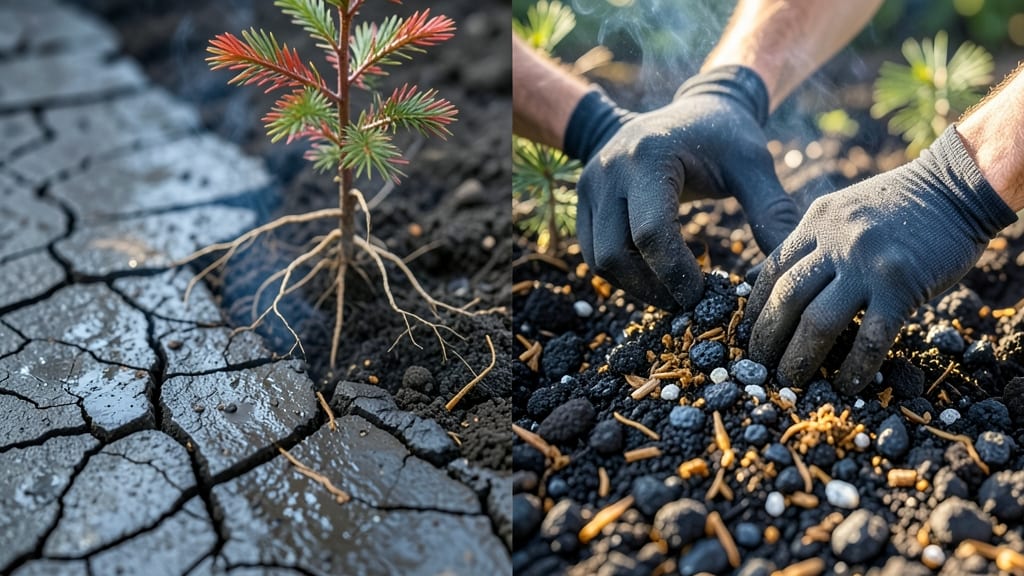
Heavy clay soil can feel like trying to plant trees in concrete—but charcoal-enhanced ash compost transforms it into a nutrient-rich haven for redwoods and cedars. This dynamic duo of biochar and wood ash creates a looser, more oxygen-rich soil while gently adjusting pH levels, making it easier for roots to spread and thrive.
Start by mixing 1 part biochar (crushed charcoal) with 2 parts wood ash and 3 parts compost in a bin. Turn the mixture thoroughly to distribute minerals evenly, then incorporate it into your planting hole or topsoil layer. The biochar acts like a sponge, holding moisture while preventing compaction, while the ash provides essential potassium and calcium that heavy clay often lacks.
This method is ideal for gardeners in clay-heavy regions or those planting large trees that need deep, well-aerated roots. Just avoid overdoing it—use sparingly, as too much ash can raise soil pH too high. 🌟
Ash Root Zone Injection
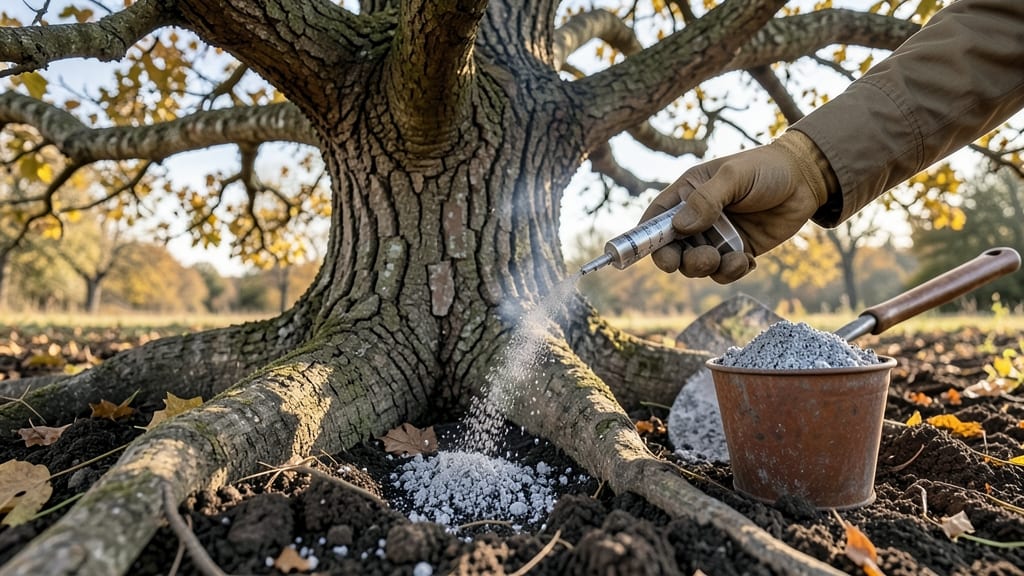
When your mature walnut or hickory trees look tired but refuse to thrive, a root zone injection of wood ash can deliver a nutrient powerhouse directly to where it counts—right at the roots. This targeted method bypasses surface soil limitations, delivering concentrated potassium, calcium, and phosphorus exactly where hungry roots need them most.
To perform this technique, mix 1 part wood ash with 5 parts water to create a slurry, then use a small irrigation tube or syringe to inject it into the soil around the drip line (about 12-18 inches from the trunk). Focus on the upper root zone, where most nutrient uptake occurs. Repeat every 4-6 weeks during the growing season for best results, and avoid overdoing it—too much ash can raise soil pH too quickly.
This approach is ideal for established trees in urban settings or nutrient-poor soils, where traditional top-dressing methods fall short. It’s especially valuable for trees that show signs of nutrient deficiency but lack the root structure to absorb surface-applied fertilizers efficiently. 🌟
Ash-Activated Seed Coating
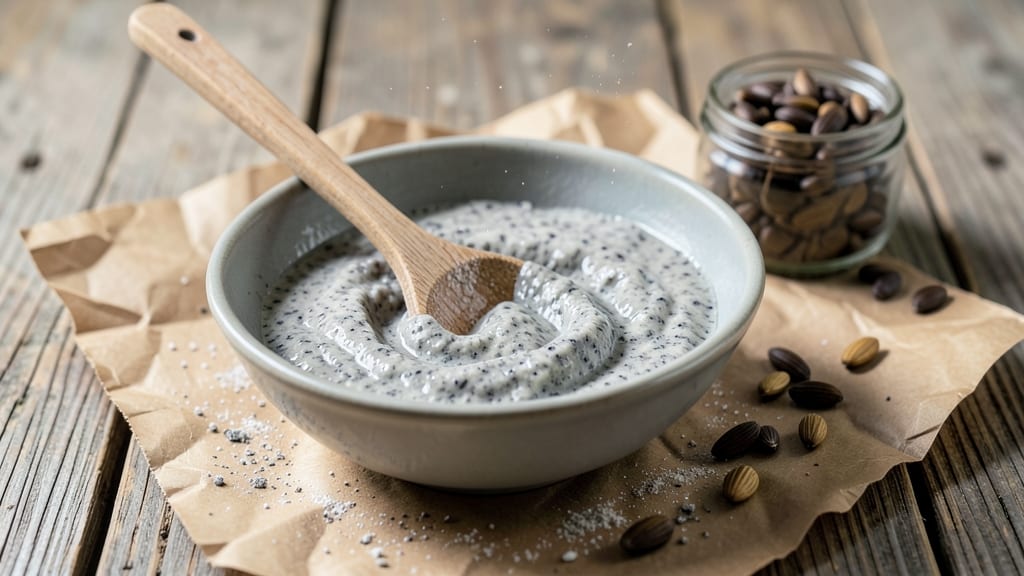
Struggling to coax germination from stubborn tree seeds like sequoia or bald cypress? An ash-activated seed coating creates a protective mineral crust that mimics natural weathering processes, helping seeds break dormancy faster and more reliably.
Start by mixing 1 part wood ash with 3 parts water to create a slurry. Gently coat your seeds in this mixture, ensuring they're fully encapsulated but not waterlogged. Let them dry completely on a screen or paper towel before planting. This technique not only hardens the seed shell but also delivers a slow-release dose of calcium and potassium right where roots will emerge.
This method is perfect for gardeners working with rare or slow-starting tree species, giving you a head start on the growing season. It's especially valuable for those preserving heirloom seeds or restoring native forests where germination rates can be unpredictable. 🌱
Ash-Infused Hydroponic Solution
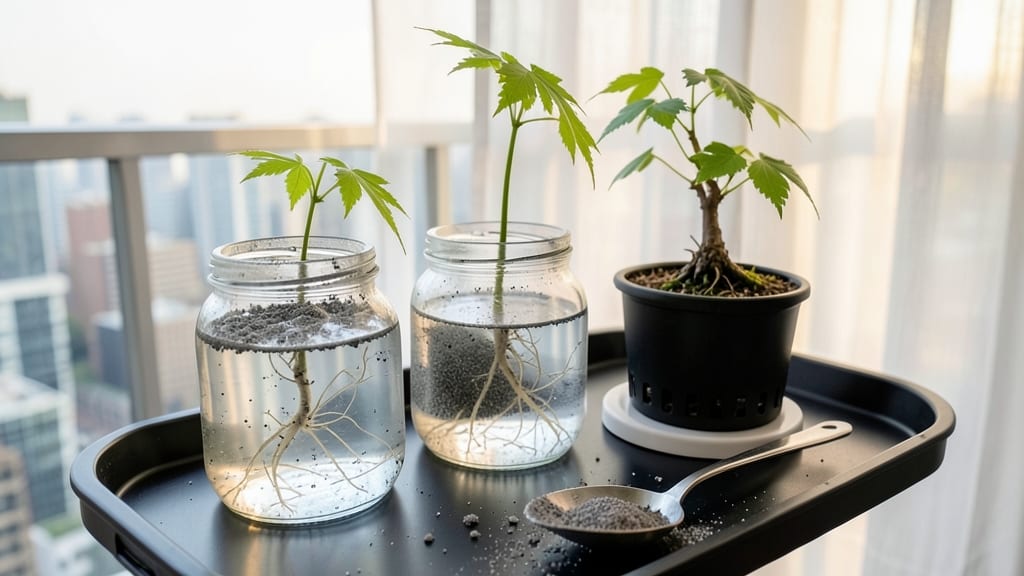
Balcony gardeners and urban bonsai enthusiasts, this one’s for you: ash-infused hydroponics turns your leftover wood ashes into a powerhouse nutrient solution for delicate trees like Japanese maple or ginkgo. By dissolving finely sifted ash in dechlorinated water (1 tablespoon per gallon), you create a mineral-rich elixir that boosts root density by up to 40% compared to plain water.
Start with sterile hydroponic media like clay pebbles or coconut coir, then submerge cuttings in the ash solution for 4-6 hours daily. The calcium and potassium in the ash strengthen cell walls while reducing transplant shock—critical for finicky bonsai species. For best results, maintain a pH between 5.5-6.5 and replace the solution every 3-4 days to prevent mineral buildup.
This method is a game-changer for small-space growers who want year-round bonsai cultivation without heavy soil. Just add a small LED grow light, and you’ll see roots flourish in weeks. 🌱
Ash and Mycorrhizal Fungi Mix
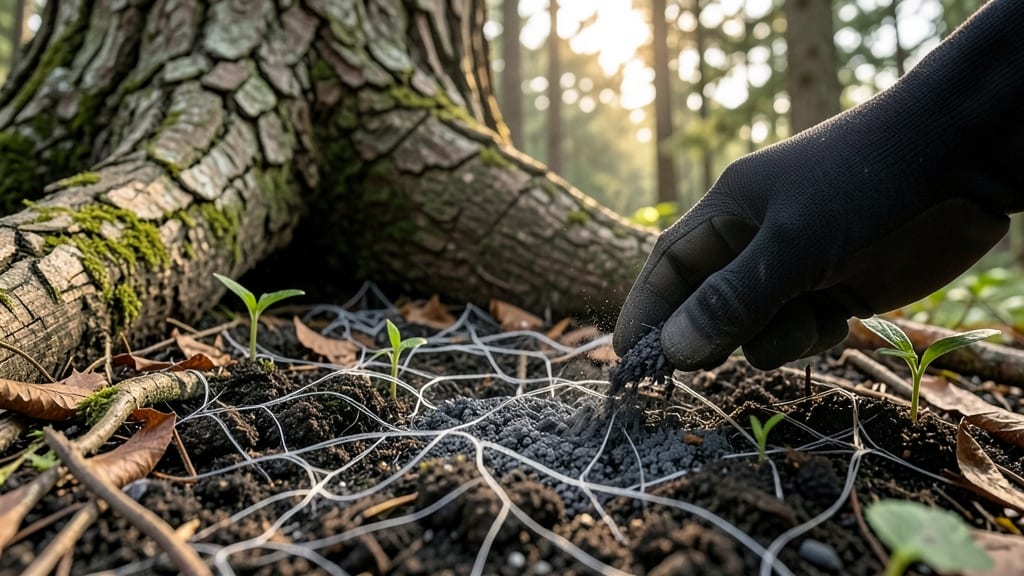
Reviving degraded forests starts at the roots—literally. When you combine wood ash with mycorrhizal fungi, you create a powerhouse duo that supercharges nutrient exchange between soil and trees. This dynamic partnership is especially transformative for native hardwoods like beech or ash, which rely on fungal networks for survival in disturbed ecosystems.
Start by mixing sterilized wood ash (from untreated hardwoods) with a mycorrhizal inoculant—either powder or liquid—before planting. The ash provides essential calcium and phosphorus, while the fungi extend the tree’s root system by up to 70%, improving water and nutrient uptake. For best results, apply this mix during spring planting when soil temperatures are ideal for fungal activity (around 60–75°F).
Forest restoration teams and land stewards swear by this method because it mimics natural forest regeneration. If you’re replanting native species or healing degraded land, this low-cost, high-impact combo is your secret weapon. 🌿
Ash-Enriched Vermicompost Tea

Container gardening just got a nutrient upgrade with ash-enriched vermicompost tea—a powerhouse fertilizer that marries the potassium-rich benefits of wood ash with the microbial magic of worm castings. This liquid gold is especially transformative for dwarf citrus and olive trees, which thrive in nutrient-dense but well-balanced conditions.
To brew this elixir, steep 1 cup of worm castings and ½ cup of fine wood ash in 5 gallons of dechlorinated water for 24–48 hours. Strain through a fine mesh, then dilute the concentrate 1:10 with water before applying every 2–4 weeks during the growing season. The result? A slow-release mineral boost that strengthens cell walls and enhances drought resistance—ideal for urban growers with limited space.
This method is perfect for those who want to maximize small containers without compromising on nutrients. Plus, the tea’s mild alkalinity helps buffer soil acidity, making it a double duty solution for acid-sensitive trees. 🌱