
Container Gardens
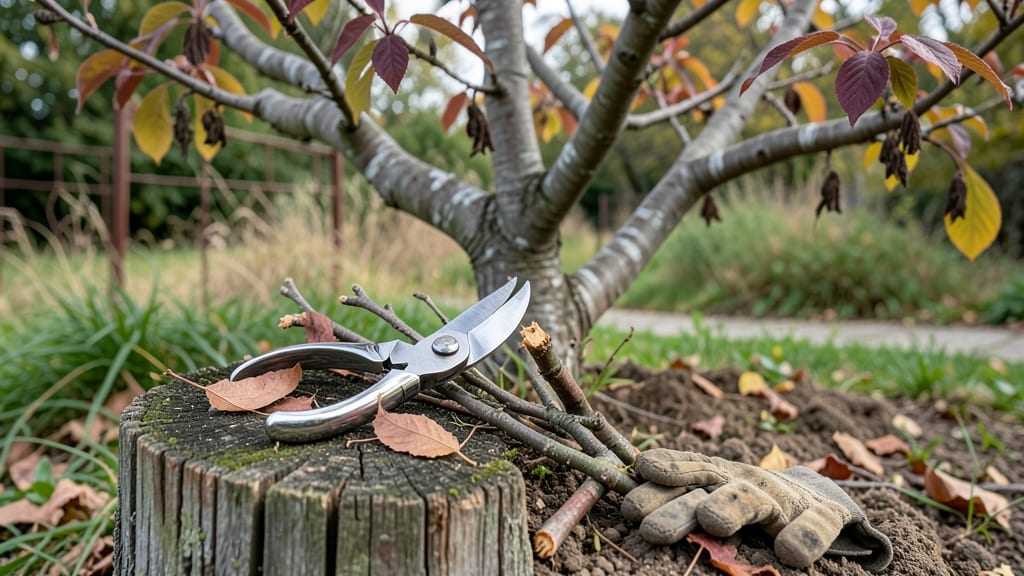
You can prune a redbud tree in the fall, but it's generally discouraged because it encourages new growth that may not harden off before winter, increasing frost damage risk. Late winter or early spring pruning is ideal for this deciduous tree.
Redbud trees are sensitive to late-season pruning because their growth cycle accelerates in warm fall weather, tricking the tree into producing tender new shoots. 🌳 These vulnerable shoots can't withstand winter frosts, leading to dieback or weakened branches.
I've seen this firsthand when clients prune too late—their trees struggle to recover the following spring. The best approach is to wait until late winter, when the tree is still dormant but frost risks have passed.
If you must prune in fall, do so at least 6-8 weeks before the first frost to allow time for wounds to heal. Focus on removing only dead or diseased branches, avoiding major structural cuts.
For most redbuds, the ideal window is February to early March, when you can see the tree's natural shape more clearly and make precise cuts just above outward-facing buds.
💡 In This Article
- Why Fall Pruning Harms Redbud Trees
- Optimal Redbud Tree Pruning Schedule
Why fall pruning harms redbud trees
Fall pruning triggers a biological response in redbud trees that can be disastrous. When you cut branches in late summer or autumn, the tree perceives it as a signal to push out new growth—even though winter is approaching.
This new growth lacks the time to develop proper cold hardiness, leaving it vulnerable to frost damage. Redbuds typically enter dormancy in late fall, but pruning disrupts this process by stimulating sap flow and cell division when the tree should be conserving energy.
The risk isn't just theoretical: studies show that tender new shoots can sustain 50% or more damage from a single hard frost below 25°F. The tree's natural defense mechanism—woody bark and thick cuticles—takes months to develop on fresh growth.
Even if the main trunk survives, these damaged branches create entry points for pests and diseases in spring. I've observed redbuds in USDA zones 6-8 where fall-pruned trees lost entire branches the following winter due to this exact mechanism.
Another critical factor is wound healing. Redbud trees heal pruning cuts more slowly in cool weather. The cambium layer—responsible for sealing wounds—becomes less active below 50°F. This means cuts made in fall often remain exposed to pathogens for months, increasing the chance of rot or infection.
The tree's energy is also diverted from root development and storage carbohydrate production, which are essential for surviving winter dormancy.
What most gardeners don't realize is how redbuds' flowering cycle ties into this vulnerability. These trees produce their stunning pink blooms on last year's wood, meaning any new growth from fall pruning won't contribute to next year's flowers.
The energy spent on these tender shoots comes at the expense of the tree's overall vigor and flowering potential. This is why professional arborists recommend avoiding structural pruning during this period entirely.
There's one exception worth noting: if you must prune in fall, focus exclusively on dead, diseased, or hazardous branches. Even then, limit cuts to 10% of the tree's canopy to minimize stress.
The key is timing—prune at least 6-8 weeks before your area's first frost date to allow some healing. For example, in Zone 7, this would mean finishing by mid-October, while Zone 5 gardeners should prune by early September.
Consider this real-world scenario: I once worked with a client who pruned their redbud in early November. By December, the new growth had turned brown and crispy from a single 20°F night. The tree required two years of recovery to regain its original shape and flowering capacity.
This case illustrates why timing matters more than most gardeners realize—redbuds are forgiving trees, but they have clear biological limits.