
Size
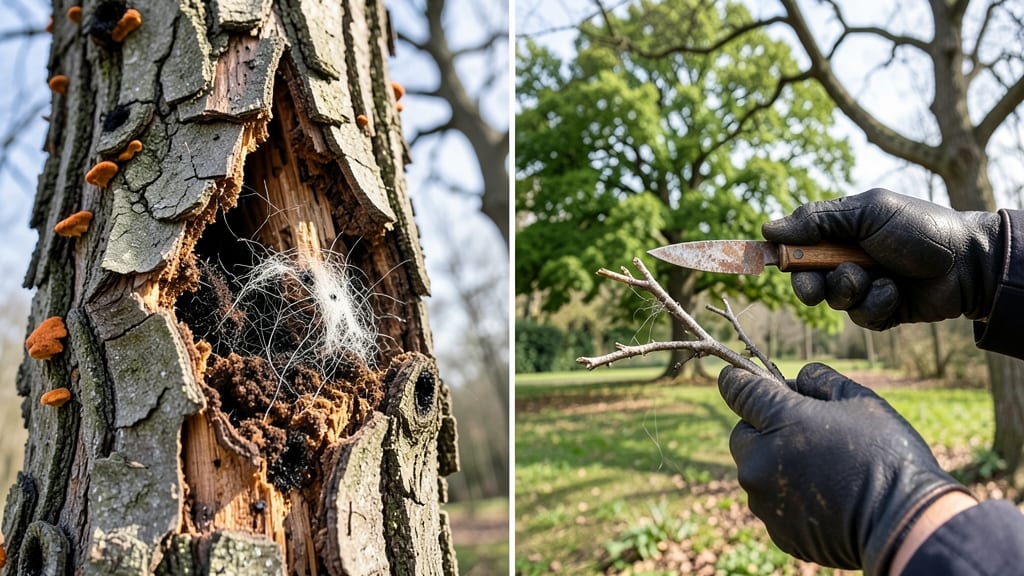
How can you tell when a tree is dead? It’s often hiding in plain sight—until you know what to look for. 🌳 I’ve stared at too many "maybe" trees in my yard, second-guessing whether to cut my losses or wait for a miracle. The truth is, dead trees don’t always fall over dramatically; they often just… fade. But there’s a simple way to confirm: the bark check and branch snap test—two foolproof methods that take less than a minute.
The bark test is your first clue: scrape a small section of outer bark to reveal what’s underneath. If the wood beneath is dark brown or black and crumbly, that’s a dead giveaway (literally). Healthy trees hide bright green or moist layers under the bark.
Then, grab a small branch—if it snaps cleanly like dry kindling instead of bending slightly, that’s another red flag. Even in winter, a dead tree won’t have fresh buds or any sign of life when you probe the trunk with a screwdriver.
Once you’ve confirmed it’s gone, the next step is easier than you think. A dead tree is a safety hazard and a magnet for pests, so removal is usually the best move—especially if it’s leaning or near structures.
But if you’re replanting, now’s the perfect time to choose a species that thrives in your soil and sunlight. I replaced my dying oak with a fast-growing redbud, and within two years, it’s already outpaced the old stump’s shadow.
Here’s the kicker: some trees play dead for years, especially if they’re slow to rot. If you’re unsure, check again in spring—no buds or leaves means it’s truly gone. And if you’re on the fence about cutting it down?
A certified arborist can assess the risk for free. Trust me, your yard (and your peace of mind) will thank you.
Why it happens
Trees may seem like resilient giants, but they’re vulnerable to a variety of stressors—some visible, others hidden beneath the bark. Understanding why trees die helps you spot early warning signs before it’s too late. Here’s a breakdown of the most common culprits and the science behind their destruction.
Trees are built to withstand storms, but prolonged exposure to harsh conditions can overwhelm even the hardiest species. Here’s how weather and trauma accelerate death:
- Storm Wounds: High winds or hail can strip bark, exposing the cambium layer (the tree’s growth engine). Without this protective shield, pathogens like Hypoxylon fungi or Cytospora invade, clogging water-conducting vessels and starving the tree of nutrients. Actionable fix: Prune storm-damaged branches promptly to limit entry points.
- Drought Stress: Trees rely on xylem vessels to transport water from roots to leaves. In droughts, these vessels cavitate (collapse from air bubbles), creating irreversible blockages. Evergreens, with their year-round foliage, are especially vulnerable. Sign: Look for bronzing (brown needles) or leaf scorch on deciduous trees.
- Frost Cracking: Rapid temperature swings (e.g., daytime thaw followed by nighttime freeze) cause bark to split. The deeper the crack, the higher the risk of heart rot fungi (Armillaria) colonizing the core. Prevention: Mulch heavily around the trunk to insulate roots.
Microbes are the unseen assassins of trees, often exploiting weaknesses like wounds or stress. These pathogens disrupt the tree’s vascular system (its plumbing) or rot its structural tissues:
| Pathogen | Attack Method | Death Signs |
|---|---|---|
| Armillaria root rot (Honey Fungus) | Invades roots and trunk, forming rhizomorphs (fungal "roots") that strangle water/nutrient flow. | Mushrooms at the base; target canker (sunken, discolored patches) on the trunk. |
| Phytophthora (Water Mold) | Thrives in waterlogged soil, blocking root xylem with oomycete plugs. | Sudden wilting even when soil is moist; bleeding cankers (reddish ooze) on trunks. |
| Bacterial leaf scorch (Xylella) | Clogs xylem vessels with bacterial gums, cutting off water to leaves. | Marginal browning of leaves (like a "scorched" edge); dieback in the tree’s upper canopy. |
💡 Pro Tip: If you see shepherd’s crook (branches growing at odd angles) or epicormic sprouts (small shoots on the trunk), the tree is likely fighting a fungal infection. Act fast—these are last-ditch survival attempts.
Insects and borers don’t just nibble—they hollow out trees from the inside. Their damage disrupts the phloem (food transport layer) and xylem, leading to starvation or structural collapse:
- Emerald Ash Borer (_EAB_): This beetle lays eggs in ash bark; larvae tunnel under the bark, creating S-shaped galleries that girdle the tree (cutting off nutrient flow). Red flag: D-shaped exit holes in the bark and epicormic sprouts.
- Bark Beetles: Species like the Southern Pine Beetle release pheromones to recruit mates, then burrow into the phloem. Their frass (sawdust-like droppings) clogs the tree’s "stomach." Sign: Pitch tubes (sap oozing from holes) and reddened foliage in pines.
- Gypsy Moth Caterpillars: While they defoliate trees, repeated attacks exhaust the tree’s energy reserves. Without leaves, the tree can’t photosynthesize, leading to carbon starvation.
🔥 Warning: If you tap the trunk and hear a hollow or dull sound (vs. a sharp "ping"), borers may have already claimed the center. The tree is likely doomed.
A tree’s roots are its lifeline, but soil health and physical constraints can suffocate them:
- Compacted Soil: Heavy foot traffic, construction, or clay soils crush root tips, reducing water and oxygen uptake. Roots girdle (grow in circles), strangle themselves, and rot. Fix: Aerate soil with a soil probe or plant deep-rooted trees in loose soil.
- Root Girdling: When roots grow against buried rocks, sidewalks, or mulch volcanoes, they constrict the trunk, choking the tree’s vascular system. Test: Dig around the base—if roots wrap the trunk like a bracelet, it’s a death sentence.
- Nutrient Deficiency: Trees in alkaline soil (pH >7.5) struggle to absorb iron or manganese, leading to chlorosis (yellowing leaves). Without these micronutrients, the tree’s chlorophyll production collapses.
🌡️ Soil Test Tip: Use a DIY soil test kit to check pH and nutrient levels. If phosphorus (_P_) is low, apply bone meal; for nitrogen (_N_), use composted manure.
Most tree deaths are preventable with proactive care—whether it’s pruning wounds, testing soil, or monitoring for pests. The key is acting before the symptoms appear.
Reviving or Removing Dead Trees
If you’ve identified a dead or dying tree on your property, don’t panic—there are still steps you can take to address the issue, whether that means giving it a second chance or safely removing it.
Below, we’ll break down practical solutions based on the root cause of the problem, along with prevention tips to keep your trees healthy in the future.
If your tree is struggling but not yet dead, it might just need a little TLC to bounce back. Here’s how to help it recover:
💧 Improve Watering Practices
Overwatering or underwatering are common culprits for tree decline. If the soil is too dry or waterlogged, the tree’s roots can’t absorb nutrients properly.
- 🔥 Check soil moisture: Stick your finger 2-3 inches into the soil. If it’s dry, water deeply but infrequently. If it’s soggy, reduce watering and improve drainage.
- 🍳 Use the right tools: A drip irrigation system or soaker hose can deliver water directly to the root zone without wasting it.
- 🌡️ Mulch properly: Apply 2-4 inches of organic mulch (like wood chips) around the base, but keep it away from the trunk to prevent rot.
🌿 Fertilize for Nutrient Recovery
If the soil lacks essential nutrients, a slow-release fertilizer can give your tree the boost it needs.
- 💡 Test your soil: A simple soil test kit (available at garden centers) will tell you what nutrients are missing.
- 🎯 Choose the right fertilizer: For most trees, a balanced 10-10-10 or a slow-release organic option works well. Follow package instructions for application rates.
- ✨ Avoid over-fertilizing: Too much fertilizer can burn roots. Start with half the recommended dose and monitor the tree’s response.
🪓 Prune for Better Airflow
Dead or diseased branches can weigh down a struggling tree. Pruning not only removes the burden but also improves airflow, reducing the risk of fungal infections.
- 🔪 Use clean, sharp tools: Disinfect pruners with rubbing alcohol between cuts to prevent spreading disease.
- 👨🍳 Remove only what’s necessary: Cut back dead, broken, or crossing branches. Avoid over-pruning—never remove more than 25% of the tree’s foliage at once.
- ⏰ Time it right: Prune in late winter or early spring when the tree is dormant but before new growth begins.
If your tree is beyond saving, removal is the safest and most practical solution. Here’s how to handle it:
🌪️ Assess Safety Risks First
A dead tree can pose serious hazards, especially if it’s large or located near structures, power lines, or high-traffic areas.
- 🔥 Look for signs of instability: Cracks in the trunk, leaning, or hollow sections mean the tree could fall unexpectedly.
- 📊 Call a professional: If the tree is large or in a dangerous location, hire a certified arborist. They have the tools and expertise to remove it safely.
- 🚨 Check for power lines: If the tree is near electrical wires, never attempt removal yourself. Contact your utility company immediately.
🌳 Decide Between Stump Grinding or Removal
Once the tree is down, you’ll need to deal with the stump. Here are your options:
| Method | Pros | Cons |
|---|---|---|
| Stump Grinding | ✅ Faster and cheaper than full removal ✅ Leaves behind wood chips for mulch |
❌ Doesn’t remove the entire stump (roots may regrow) ❌ Requires follow-up treatment if regrowth occurs |
| Full Stump Removal | ✅ Eliminates regrowth risk ✅ Allows for new planting in the same spot |
❌ More expensive and time-consuming ❌ May require digging equipment |
🌱 Prevent Future Tree Death
The best way to avoid dealing with a dead tree is to keep your existing trees healthy and plant new ones wisely.
- 💡 Choose the right tree for your climate: Research native species that thrive in your area. They’re naturally adapted to local soil and weather conditions.
- 🌡️ Plant correctly: Dig a hole twice as wide as the root ball but no deeper. Avoid burying the trunk too deeply, which can lead to rot.
- 🎯 Mulch and water properly: Consistent moisture and mulch help trees establish strong root systems.
- ✨ Monitor for pests and disease: Regularly inspect your trees for signs of infestation or fungal growth. Early intervention can save a tree’s life.
Whether you’re nursing a struggling tree back to health or preparing to remove a dead one, taking action early is key. With the right care (or the right tools), you can protect your property and keep your landscape beautiful and safe.
Frequently asked questions
Can a tree still be alive if it has no leaves?
Not always! Some deciduous trees naturally drop leaves in winter, but if it's summer or the tree has been leafless for over a year, it's likely dead. Evergreens should never lose all their needles—if they're completely bare, they're gone. Check the bark instead for confirmation.
What does the bark look like on a dead tree?
Dead trees often have bark that's cracked, flaking, or missing in patches. Scrape a small section—if the wood underneath is dark brown/black and crumbly (not green/moist), it's dead. Healthy trees reveal green layers under the bark. Also look for black mold or fungal growth.
How do I perform the branch snap test?
Grab a small branch between your thumb and forefinger and bend it toward you. If it snaps cleanly like dry kindling (not bends slightly), the tree is dead. For larger branches, try to break off a small piece—if it crumbles easily, that's another sign. Do this on multiple branches for accuracy.
Can a tree "play dead" for years?
Some trees, especially slow-growing species like oaks or maples, can appear dead for years while their roots remain alive. Check for new buds in spring or probe the trunk with a screwdriver—if it meets resistance (not just bark), there might still be life underneath. Give it time before deciding.
Is it safe to keep a dead tree standing?
Only if it's small, stable, and not near structures or power lines. Dead trees are safety hazards—they can fall unexpectedly, especially during storms. If it's leaning, has large cracks, or is near your home, remove it promptly. A certified arborist can assess the risk for free.