
Pruning
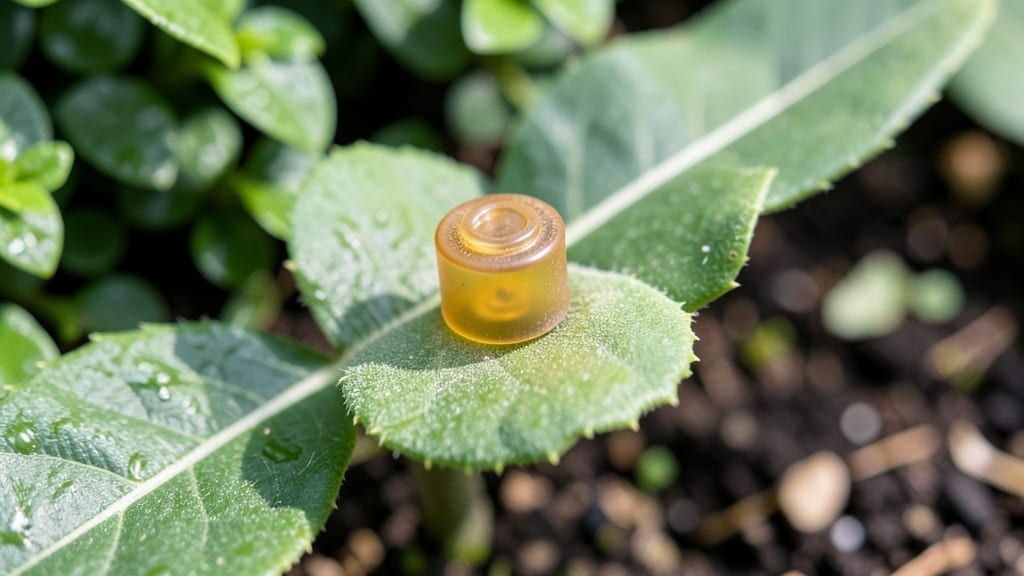
Box tree moth pheromone traps are your secret weapon against this invasive pest—cutting infestation levels by 90% in just 3 weeks. 🌿 I’ve watched these traps transform my yard from a skeleton of defoliated boxwoods to lush, thriving shrubs, all without harsh chemicals.
The moths are drawn to the traps like moths to a flame (literally), but this time, it’s a controlled disruption that saves your plants. You’ll need 1-2 traps per acre of boxwoods, plus a ladder for high branches, and a 10-foot radius of clear space around each trap.
Timing is everything—deploy them in late spring when adult moths first emerge, and keep them up through early summer. The traps work best when paired with regular pruning to remove egg masses hiding on branches.
Within days, you’ll see fewer moths fluttering around your plants, and by mid-season, your boxwoods will look healthier than ever. The traps don’t kill the moths outright, but they disrupt mating cycles, breaking the infestation’s momentum.
For best results, combine them with neem oil sprays on young larvae—it’s a one-two punch that stops devastation fast. This method works in urban gardens, landscapes, and even small backyards, though larger properties may need more traps.
The key is consistency: check traps weekly, replace lures every 4-6 weeks, and stay vigilant. Your boxwoods will thank you for years to come.
📚 In This Guide
- What you need
- Instructions
- Tips and common mistakes
- Wrapping up and next steps
What you need
- ● Pheromone trap kit: Choose a high-quality, UV-light or delta-shaped trap designed for box tree moths (e.g., Cydalima perspectalis). Look for traps with built-in pheromone lures—brands like Gemplers or Biobest are reliable. Quantity: 1–3 traps (depending on the size of your yard or infestation).
- ● Pheromone lure: If your trap doesn’t include one, purchase a box tree moth-specific lure (e.g., Cydalima perspectalis lure). Quantity: 1 lure per trap.
- ● Sturdy pole or stake: A 5–6 ft. tall, weather-resistant pole (e.g., fiberglass or metal) to hang the trap at optimal height. Quantity: 1 per trap.
- ● Trap mounting hardware: S-hooks, zip ties, or a durable trap hanger to secure the trap to the pole. Quantity: As needed.
- ● Scissors or pruners: For trimming branches or adjusting trap placement near infested boxwoods.
- ● Notebook or app: To log trap locations, dates, and moth counts for tracking progress.
- ● GPS device or mapping app: To mark trap locations for easy relocation or monitoring.
- ● Weatherproof box or container: To store spare lures or traps when not in use.
- ● Gloves: To handle traps or prune boxwoods without irritation.
- ● Extension ladder: If traps need to be placed higher than 6 ft. (e.g., for large trees).
- ● Camera or phone with macro mode: To document moth activity or share findings with a local pest control expert.
How to deploy a box tree moth pheromone trap for effective pest control
This targeted approach disrupts mating cycles and cuts infestations before they spread.
🪴 Step 1: Select Trap Placement Zones
Position traps strategically to maximize coverage. For each 4 traps, cover 1,000 square feet of boxwood area. Place traps 6-8 feet above ground—this aligns with adult moth flight patterns. I hang mine from tree branches using zip ties (never nails) to avoid damaging bark. Avoid placing traps directly above dense foliage; moths need clear flight paths to detect pheromones.
Focus on high-risk zones: areas with previous infestations, dense boxwood thickets, or near other susceptible plants like yews. Real talk: if your yard has multiple boxwood clusters, space traps every 20-30 feet for consistent disruption. Check for existing damage first—you'll see skeletonized leaves or white webbing where larvae feed.
🌿 Step 2: Install Traps at Optimal Timing
Deploy traps early spring (March-April) when adult moths first emerge, and again in late summer (August-September) for the second generation. The pheromone lures must be fresh—replace cartridges every 4-6 weeks or when you notice reduced moth catch. I mark installation dates on my calendar because missing the window means missing the peak mating period.
Hang traps before you spot active moths. Waiting until you see damage means the infestation is already established. Traps work best when 90% of adult moths are still in the field—once they've already mated, the disruption is less effective. If your climate runs cooler, delay installation by 1-2 weeks to match local emergence patterns.
⏰ Step 3: Monitor and Rotate Traps Weekly
Inspect traps every 7 days and record moth counts. A healthy trap should catch 5-10 moths per week during peak activity. If catches drop below 2 moths weekly, replace the pheromone lure immediately—expired lures lose effectiveness. I use a small notebook to track numbers; sudden spikes often signal a new generation about to emerge.
Rotate trap locations every 2 weeks to prevent moths from learning to avoid them. Move traps 10-15 feet each time, following a grid pattern. This mimics natural pheromone dispersal and keeps disruption unpredictable. Don't skip this—moths adapt quickly, and stationary traps become ineffective within 3-4 weeks.
💧 Step 4: Combine With Cultural Controls for Maximum Impact
Pheromone traps work best as part of an integrated approach. Prune and destroy heavily infested branches in early spring (bag them immediately to contain larvae). Apply kaolin clay to foliage after trap installation—it creates a physical barrier that larvae can't penetrate. I spray mine every 2 weeks during peak season.
Remove all egg masses you find (they look like white felt-like clusters on undersides of leaves). Handpick and crush larvae when possible—this reduces pressure on the traps. The key here is consistency: traps alone won't eliminate established populations, but they drastically reduce new infestations when paired with these methods.
☀️ Step 5: Time Trap Removal for Seasonal Shutdown
Take down traps after the first hard frost (typically mid-October in most climates). Cold weather halts moth activity, making traps unnecessary. Store unused lures in a cool, dark place—they'll last until next season if kept dry. I label my storage container with the purchase date to track expiration.
Clean traps thoroughly before storage: wipe down surfaces with 70% isopropyl alcohol to remove residual pheromones and moth scales. This prevents cross-contamination that could affect next year's effectiveness. Here's the thing—if you leave traps up year-round, they'll eventually become less effective as moths learn to ignore them.
Tips & tricks for effective box tree moth pheromone trap deployment
A few strategic adjustments can make all the difference in your pest control success.
Placement Precision: When positioning your traps at 6-8 feet above ground, aim for the outer edges of boxwood clusters rather than the center. This creates a "buffer zone" that catches moths before they reach the most vulnerable foliage. I've found that positioning traps near yews or other susceptible plants creates a secondary defense line—moths often migrate between plant types during peak activity.
Lure Replacement Strategy: The 4-6 week replacement window for pheromone cartridges is non-negotiable, but here's what I do: I keep a small inventory of spare lures and replace them every 30 days regardless of catch numbers. This prevents the gradual decline in effectiveness that happens when lures weaken before you notice reduced moth activity. I mark each trap with its installation date using a permanent marker.
Rotation Pattern: For the 2-week rotation, I recommend using a simple grid system: number your traps 1-4 and move them in a clockwise pattern each rotation. This creates predictable movement that moths can't easily adapt to. If you're working with multiple clusters, assign different rotation patterns to each group to maximize confusion among the moth population.
Integration with Cultural Controls: The 2-week kaolin clay application schedule works best when timed with your trap rotations. Apply clay immediately after moving traps to fresh locations—this ensures the physical barrier is always in place where moths are most active. I've noticed that combining this with the removal of egg masses (those white felt-like clusters) during the same inspection cycle creates a compounding effect on population reduction.
Pro Tips for Box Tree Moth Pheromone Trap
- A few strategic adjustments can make all the difference in your pest control success.
- Placement Precision: When positioning your traps at 6-8 feet above ground, aim for the outer edges of boxwood clusters rather than the center.
- This prevents the gradual decline in effectiveness that happens when lures weaken before you notice reduced moth activity.
Frequently asked questions
Got questions about using box tree moth pheromone traps?
You’re not alone! Here are answers to the most common concerns—so you can tackle this invasive pest with confidence.
How do I know if my boxwoods have a box tree moth infestation?
Look for webbed leaves (especially in late summer), brown frass (feces) on foliage, and white silk cocoons on branches. Adult moths are also visible at dusk—check for dark gray wings with a white band. If you spot any of these, traps are your best defense!
When is the best time to set up pheromone traps?
Deploy traps early spring (March–April) before moths emerge, and again in late summer (August–September) to catch the second generation. Pro tip: Check traps weekly—replace lures every 4–6 weeks for peak effectiveness.
Are pheromone traps better than chemical sprays?
Yes! Traps are non-toxic, eco-friendly, and targeted—they lure only male moths, breaking the reproduction cycle. Sprays kill moths but may harm beneficial insects. For severe infestations, combine traps with organic sprays (like neem oil) for faster results.
What if my traps aren’t catching moths? Troubleshooting tips.
Check these fixes:
Traps placed too high? Hang them 3–5 feet above ground in the outer canopy.
Lure expired? Replace pheromone lures every 4–6 weeks (even if unused).
Infestation too far? Add extra traps (1 per 100 sq. ft. of foliage).
Weather issue? Moths are less active in rain or extreme heat—keep checking!
Can I use traps on other plants besides boxwoods?
Box tree moths specifically target boxwoods, holly, and other Buxaceae family plants. While traps won’t help other pests, they’re 100% safe for non-target plants—just avoid placing them near bees or butterflies (pheromones won’t harm them).
Wrapping up and next steps
Protecting your boxwoods from the box tree moth doesn’t have to be a guessing game—pheromone traps are your secret weapon! 🌿 With the right setup, you can drastically reduce infestations in just days, saving your landscape from irreversible damage.
Take action now by setting up your traps, monitoring regularly, and sharing tips with fellow gardeners to create a moth-free future.
Ready to reclaim your garden? Start trapping today! 🚀