
Trees
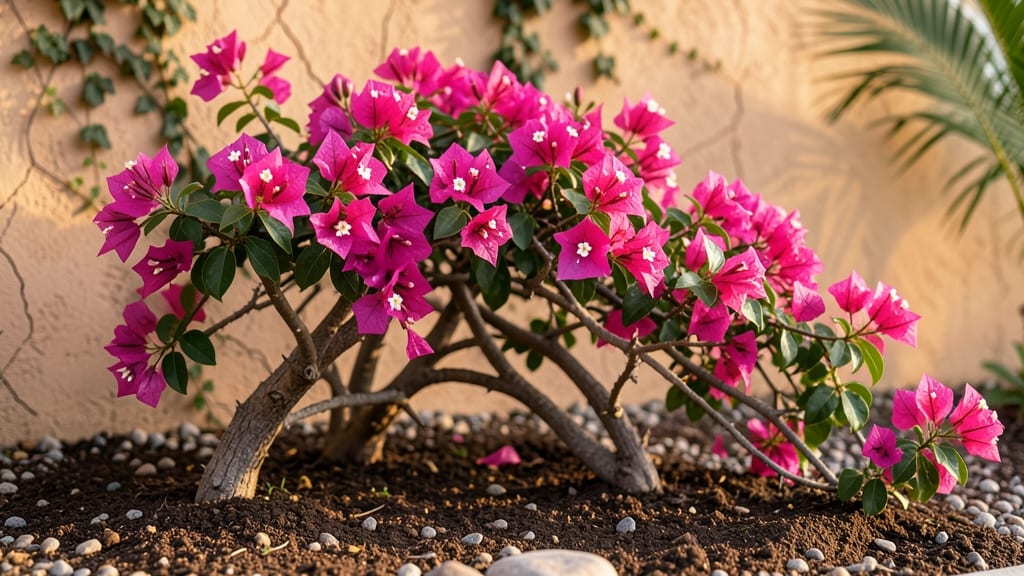
Florida’s bougainvillea tree thrives where others fade—year-round color that turns your yard into a sun-drenched paradise. 🌺 I’ve watched mine explode with magenta, purple, and orange blooms even during Florida’s mild winters, proving this isn’t just a summer flash in the pan.
The secret? Mimicking its natural coastal habitat with just the right balance of sun, soil, and water.
Plant in full sun (6+ hours daily) and well-draining soil—sandy loam works best, but amending heavy clay with compost makes all the difference. Florida’s humidity means watering only when the top inch of soil feels dry, and pruning after blooms fade keeps it lush.
My tree’s bloom-heavy branches now stretch 15 feet wide, thanks to this simple routine.
Winter care in Florida is minimal—just protect it from rare freezes with a frost cloth if temps drop below 30°F. The real trick? Pruning in late winter to encourage new growth, which triggers those vibrant blooms by spring.
You’ll end up with a drought-tolerant, low-maintenance star that outshines anything else in your landscape.
Works for coastal homes, urban courtyards, or even large pots—just give it space to sprawl. Here’s how to keep yours thriving through Florida’s heat, rain, and occasional cold snaps without the fuss.
📚 In This Guide
- What you need
- Instructions
- Tips and common mistakes
- Wrapping up and next steps
What you need
- ● Bougainvillea plant: Choose between: 1–3 nursery-grown bougainvillea (recommended for faster results)
- ● Seeds (if starting from scratch—note: seed-grown plants may take longer to bloom)
- ● Healthy cuttings (6–12 inches long, from a mature plant)
- ○ Well-draining soil: Mix 50% native Florida soil with 50% cactus/succulent mix (or perlite for extra drainage). Optional: Add compost for nutrients.
- ● Container or planting hole: For potted bougainvillea: 1–2 large containers (15–20 gallons) with drainage holes
- ● For in-ground planting: Dig a hole twice as wide as the root ball and 1–2 inches shallower than the container.
- ● Slow-release fertilizer: 10-10-10 or 8-3-9 (Florida-friendly, low in phosphorus to avoid root burn). Apply at planting and again in early spring.
- ● Garden trowel or shovel (for digging holes)
- ● Glove (bougainvillea thorns are sharp!)
- ● Watering can or hose with a gentle nozzle (avoid overwatering!)
- ● Pruning shears (for shaping and encouraging blooms)
- ○ Mulch (optional but helpful): 2–3 inches of pine bark or gravel to retain moisture and deter weeds.
- ● Sunlight: Full sun (6+ hours daily)—bougainvillea thrives in Florida’s heat!
- ● Drought tolerance: Once established, bougainvillea hates soggy roots. Water deeply 2–3 times per week in summer, less in winter.
- ○ Frost awareness: While bougainvillea is tropical, Florida’s rare cold snaps (Optional: Move potted plants indoors or cover with frost cloth.
Step-by-step instructions for planting and caring for bougainvillea in Florida
Here’s how to give your bougainvillea the Florida-friendly conditions it craves for vibrant, continuous blooms.
🌱 Step 1: Choose the Right Location and Prepare the Soil
Bougainvillea thrives in full sun—at least 6-8 hours daily—so pick a spot with southern or western exposure. In Florida’s heat, afternoon shade helps prevent leaf scorch, but even then, it still needs plenty of morning sun. The plant’s roots love well-draining soil—heavy clay or soggy ground will drown it. If your soil is dense, mix in 2-3 inches of coarse sand or perlite into the planting hole to improve drainage.
Dig a hole twice as wide as the root ball but no deeper. Loosen the roots slightly if they’re circling tightly in the container—this encourages them to spread outward. Florida’s sandy soil often lacks nutrients, so blend in a slow-release granular fertilizer (look for one with balanced NPK, like 10-10-10) into the backfill soil. This gives your bougainvillea a nutrient boost right from the start.
🪴 Step 2: Plant and Water Deeply for Strong Root Establishment
Place the bougainvillea in the hole, ensuring the top of the root ball sits 1-2 inches below the soil line—this helps stabilize the plant and encourages new root growth. Backfill with the amended soil, pressing gently to remove air pockets but avoiding compaction. Water deeply right after planting to settle the soil and eliminate gaps. You’ll know it’s soaked when water runs out the drainage holes if in a container, or when the top 2 inches of soil feel damp.
Don’t let the soil dry out completely in the first 2-3 weeks after planting. Water every 2-3 days until new growth appears—this helps the roots establish before Florida’s summer heat kicks in. Mulch around the base with 2-3 inches of organic mulch (like pine bark or wood chips) to retain moisture and keep roots cool. Just keep the mulch 6 inches away from the trunk to prevent rot.
☀️ Step 3: Prune and Feed for Continuous Blooms
Bougainvillea blooms on new wood, so prune in late winter or early spring (February-March in Florida) to shape the plant and encourage fresh growth. Cut back one-third of the plant’s length, focusing on overcrowded or leggy stems. Use clean, sharp pruners and make cuts just above a leaf node or bud—this is where new branches will sprout. Avoid heavy pruning in summer, as it can stress the plant and reduce flowering.
Feed your bougainvillea every 4-6 weeks during the growing season (March-October) with a balanced, water-soluble fertilizer. Look for one with higher phosphorus (the middle number) to promote blooming, like a 7-9-5 formula. Dilute it to half-strength the first time to avoid burning the roots. In Florida’s heat, bougainvillea goes dormant in summer, so reduce watering and stop fertilizing until temperatures drop below 90°F at night.
✂️ Step 4: Protect and Maintain Through Florida’s Seasons
Florida’s hurricanes and heavy rains can damage bougainvillea, so stake or tie young plants to a trellis or fence for support. If a storm is forecasted, prune back any weak or damaged branches immediately after to encourage quick regrowth. In winter, bougainvillea may drop leaves, but don’t worry—it’s normal. Avoid pruning in winter, as new growth is sensitive to cold snaps below 40°F. Instead, protect the plant with a light frost cloth if temperatures dip unexpectedly.
Watch for scale insects or spider mites, which thrive in Florida’s humidity. Spray the plant with neem oil or insecticidal soap every 2-3 weeks as a preventative measure. If you notice yellowing leaves or sticky residue, act fast—bougainvillea recovers quickly from pests when caught early. Deadhead spent blooms regularly to encourage new flowers, but don’t overdo it—let some seed pods form to support the plant’s energy needs.
Tips & tricks for perfect bougainvillea growth in Florida
Between us, Florida's heat and humidity can turn bougainvillea care into a guessing game if you don't know the right tricks. Here's what I've learned after watching these vibrant plants thrive in my own yard.
Sunlight Strategy: The 6-8 hours of daily sun requirement is non-negotiable, but here's the trick: position your bougainvillea to catch morning sun first, then afternoon shade if your area gets intense afternoon heat. I've seen plants scorch when placed in full western sun without this adjustment. Also, watch for seasonal shifts—what works in summer may need adjustment when Florida's winter sun is less intense.
Soil Preparation Secret: When amending your planting hole with 2-3 inches of coarse sand or perlite, mix it thoroughly with the native soil rather than creating a separate layer. This prevents root shock when the plant encounters the different soil textures. I've found that adding a handful of mycorrhizal fungi to the mix at planting time gives roots an extra boost in Florida's sandy soil.
Watering Wisdom: That 2-3 inch deep watering right after planting is crucial, but here's what nobody tells you—Florida's sandy soil drains so quickly that you'll need to water again within 24 hours if you don't see water pooling at the surface. After the initial 2-3 weeks, let the top 2 inches dry out between waterings to prevent root rot, but don't let it get bone dry. I use a moisture meter to check—aim for that "damp but not soggy" feel.
Pruning Precision: When cutting back one-third of the plant's length in late winter, focus on removing the oldest, woodiest stems first. These are the ones that won't produce new blooms anyway. I like to make my cuts at a 45-degree angle just above a leaf node—this creates a larger surface for new growth to emerge. And here's a pro move: save your pruned branches! They root easily in water and make great cuttings for propagation.
Pro Tips for Bougainvillea Tree Florida
- Between us, Florida's heat and humidity can turn bougainvillea care into a guessing game if you don't know the right tricks.
- Sunlight Strategy: The 6-8 hours of daily sun requirement is non-negotiable, but here's the trick: position your bougainvillea to catch morning sun first, then afternoon shade if your area gets intense afternoon heat.
- Soil Preparation Secret: When amending your planting hole with 2-3 inches of coarse sand or perlite, mix it thoroughly with the native soil rather than creating a separate layer.
Frequently asked questions
Got questions about growing bougainvillea in Florida?
You’re not alone! Here are some of the most common concerns—and their answers—to help you cultivate vibrant, sun-loving blooms with ease.
Can bougainvillea survive Florida’s winters?
Florida’s mild winters (especially in Zones 9-11) are bougainvillea’s sweet spot! While they’re tropical plants, they can handle light freezes (down to ~28°F) if protected. In colder areas, grow them in containers and move them indoors or under cover during frost. Prune back dead growth in spring—new growth is tougher!
How often should I water my bougainvillea?
Less is more! Water deeply 1-2 times per week (adjust for rain), but avoid soggy soil—bougainvillea hates wet feet. Pro tip: Let the top 2-3 inches of soil dry out between waterings. Overwatering causes root rot, while underwatering triggers stress (and fewer blooms). Mulch helps retain moisture!
Why isn’t my bougainvillea flowering?
Bright blooms need full sun (6+ hours daily) and balanced care. Common culprits:
- Too much shade: Move to a sunnier spot.
- Over-fertilizing: Use a low-nitrogen fertilizer (like 7-7-7) every 4-6 weeks in spring/summer.
- Pruning at the wrong time: Trim after flowering to encourage new growth.
Should I prune my bougainvillea, and when?
Prune twice a year for shape and blooms:
- Spring (Feb-March): Trim back dead or leggy growth to encourage bushiness.
- After flowering (late summer): Lightly prune to maintain shape and remove spent blooms.
Are there Florida-friendly alternatives if bougainvillea is too high-maintenance?
Try these low-maintenance, sun-loving Florida natives:
- Firebush (Hamelia patens): Bright red-orange flowers, attracts hummingbirds, thrives in heat.
- Plumbago (Plumbago auriculata): Blue/purple blooms, drought-tolerant, perennial in most of FL.
- Allamanda (Allamanda cathartica): Fragrant yellow flowers, fast-growing, loves humidity.
Wrapping up and next steps
Growing a bougainvillea tree in Florida is a rewarding way to bring vibrant color to your landscape year-round!
With the right sun exposure, well-draining soil, and a little TLC, these sun-loving beauties will thrive and dazzle you with their bold blooms. 🌺 Whether you're a seasoned gardener or just starting, the key is patience and consistency—soon, you’ll have a stunning centerpiece that turns heads.
Ready to take the next step? Pick your spot, gather your supplies, and plant with confidence! Your future bougainvillea paradise awaits—happy gardening! 🌿