
Leaf Blower
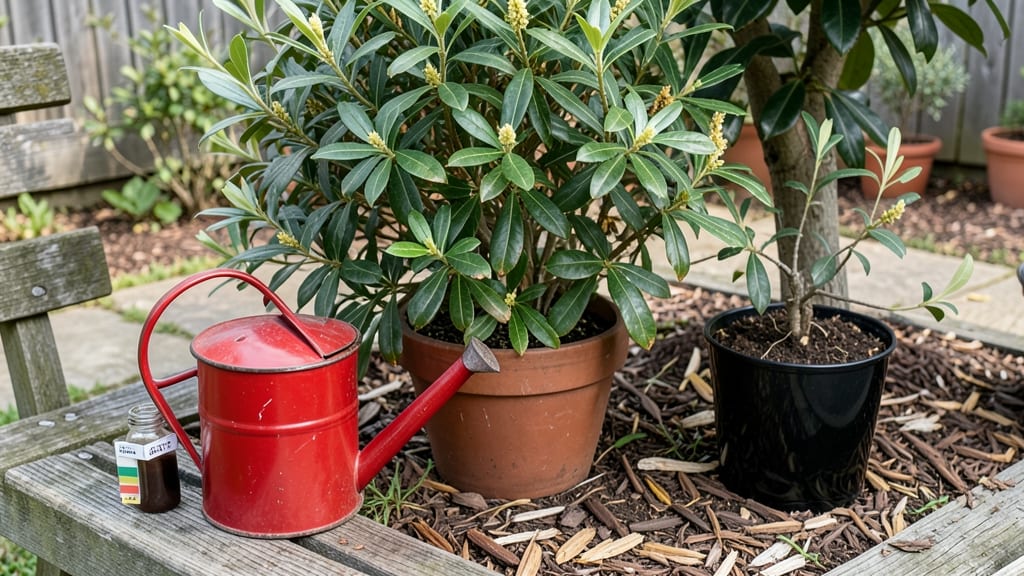
Bay leaf tree leaves turning brown?
Overwatering is the #1 culprit, and I’ve saved my share of struggling trees by fixing this exact problem. 🌿 The moment you notice crispy brown edges, it’s your tree’s SOS—often from soggy roots or poor drainage that’s drowning the roots while the leaves beg for air.
Most people panic and water more, but that’s the last thing your tree needs. Instead, check the soil: if it’s damp 2 inches down, you’re overdoing it. Bay trees thrive on consistent moisture, not swampy conditions.
I’ve revived trees by letting the top inch dry between waterings—no more guessing, just a finger in the soil. You’ll see fresh green growth within 2-3 weeks if you adjust now. Prune the worst brown leaves to redirect energy, and consider a well-draining pot if you’re growing in containers.
The key? Balance—bay trees hate wet feet but despise drought too. This fix works for both potted and in-ground trees. The sooner you act, the more leaves you’ll save—trust me, I’ve learned the hard way when I ignored the first signs.
Root Causes Behind Browning Leaves
When your bay leaf tree’s leaves start turning brown, it’s often a cry for help from the plant itself. Understanding the underlying triggers is the first step to restoring its health. Below, we break down the most common reasons—each with a clear scientific explanation and actionable insights to address them.
Bay leaf trees (Laurus nobilis) are drought-tolerant Mediterranean natives, meaning they hate soggy roots. Overwatering disrupts oxygen uptake in the soil, leading to:
- Root suffocation: Excess moisture displaces oxygen in the root zone, causing roots to drown and release toxins like ethylene, a stress hormone that triggers browning.
- Fungal infections: Waterlogged soil breeds Phytophthora and Pythium, fungi that clog root cells, blocking nutrient transport. Brown, crispy edges on leaves? This is often the culprit.
- Nutrient leaching: Overwatering flushes essential minerals (like potassium and magnesium) from the soil, leaving leaves yellow-brown and weak.
💡 Pro Tip: Stick your finger 2–3 inches into the soil. If it’s damp, wait. Bay leaf trees prefer soil that’s dry to the touch between waterings. Use a pot with drainage holes and a well-draining mix (e.g., 60% potting soil, 30% perlite, 10% sand).
Bay leaf trees thrive in partial shade (4–6 hours of morning sun), but too much direct sunlight—especially in hot climates—can scorch leaves. Here’s how it happens:
- Photosynthesis overload: Excess UV radiation damages chlorophyll, causing leaves to develop brown, papery patches (often on the upper surface).
- Transpiration imbalance: Intense heat speeds up water loss, but roots can’t keep up, leading to edge browning (a classic sign of heat stress).
- Oxidative damage: Sunlight generates reactive oxygen species (ROS), which break down cell membranes, turning leaves brittle and brown.
🌡️ Actionable Fix:
- Move potted trees to a shadier spot (e.g., east-facing window or under 50% shade cloth).
- Mist leaves daily in peak heat to reduce water loss (but avoid soggy soil!).
- Use a lightweight mulch (like straw) to insulate roots and retain moisture.
Brown, spotted, or mushy leaves often signal an infection. Bay leaf trees are susceptible to:
| Issue | Symptoms | Cause |
|---|---|---|
| Leaf Spot (Alternaria/Cercospora) | Small, brown concentric rings with yellow halos; leaves drop prematurely. | Fungal spores thrive in humid, stagnant air (e.g., overwatering + poor airflow). |
| Root Rot (Phytophthora) | Leaves turn yellow-brown and wilt; roots appear black/mushy. | Waterlogged soil + compromised drainage. |
| Bacterial Leaf Blight (Xanthomonas) | Water-soaked brown patches that ooze when pressed; leaves curl. | Bacteria spread via contaminated tools or splashing water. |
🔥 Emergency Steps:
- Trim infected leaves with sterilized scissors (soak in 1:10 bleach-water for 10 mins).
- Apply copper fungicide (e.g., Bonide Copper Fungicide) every 7–10 days.
- Improve airflow by pruning dense foliage and spacing plants 3–4 feet apart.
Brown leaves can also stem from imbalances in soil chemistry. Here’s what to watch for:
- Potassium deficiency: Leaves develop brown scorch along edges (like "burnt" tips), starting at older leaves. Potassium regulates water and nutrient transport.
- Magnesium deficiency: Interveinal browning (brown patches between veins) signals chlorosis, as magnesium is critical for chlorophyll production.
- Iron toxicity: In alkaline soils (pH >7.5), iron becomes unavailable, causing yellowing between veins that progresses to brown.
- Salt buildup: Over-fertilizing or tap water with high sodium can burn root tips, leading to crispy, brown leaf margins.
🎯 Soil Test & Fix:
- Test soil pH (ideal: 6.0–7.0 for bay leaf trees). Use sulfur to lower pH or lime to raise it.
- Fertilize with a balanced, slow-release fertilizer (e.g., 10-10-10) in spring.
- Flush soil annually with rainwater to leach excess salts.
Most browning issues stem from one (or a combo) of these four culprits. Next, we’ll dive into diagnosing the exact problem and step-by-step fixes to revive your bay leaf tree’s lush green canopy. 🌿
Revive Your Tree With These Fixes
Now that you know the culprits behind your bay leaf tree’s brown leaves—whether it’s overwatering, underwatering, pests, or disease—let’s roll up our sleeves and get your tree back to its lush, green glory! 🌿✨ The good news?
Most issues are fixable with a little care and consistency. Below, we’ve mapped out practical, step-by-step solutions tailored to each cause, plus pro tips to keep your tree thriving long-term.
Symptoms: Yellowing leaves, brown edges, soggy soil, root rot (mushy roots, foul smell).
🔥 Step 1: Stop Watering Immediately
Cut off all water until the soil dries out. Overwatering is the #1 killer of bay leaf trees—less is more here.
🍳 Step 2: Improve Soil Drainage
- Check the pot: If your tree is in a container, ensure it has drainage holes (add them if missing).
- Repot if needed: Use a well-draining potting mix (like cactus/succulent mix + perlite) or amend heavy soil with sand or gravel.
- Raise the pot: Place it on elevated feet or a saucer to prevent water pooling.
👨🍳 Step 3: Revive the Roots
- For mild cases: Let the top 2–3 inches of soil dry completely before watering again.
- For severe root rot: Trim black, mushy roots with sterilized scissors, then repot in fresh, dry soil.
- Fungicide treatment: Spray roots with hydrogen peroxide (3%) or a fungicide (like copper fungicide) to kill rot-causing pathogens.
⏰ Step 4: Adjust Your Watering Schedule
- Water only when the top inch of soil is bone-dry (stick your finger in to test!).
- Water deeply but infrequently—bay leaf trees hate "wet feet."
- Avoid overhead watering—water at the base to keep leaves dry.
Symptoms: Crispy, brown edges, dry soil pulling away from the pot, wilting leaves.
💡 Step 1: Give It a Deep Soak
- Water thoroughly until it drains from the bottom.
- Repeat every 7–10 days (adjust based on climate—hotter = more frequent).
- Use room-temperature water to avoid shocking the roots.
🌿 Step 2: Boost Humidity Bay leaf trees love 60–80% humidity.
Try: - Misting leaves 2–3 times a week (early morning to avoid fungus). - Grouping plants together or placing a humidifier nearby. - Pebble trays: Fill a tray with water and pebbles, then set the pot on top.
🎯 Step 3: Trim Damaged Leaves
- Snip off completely brown or crispy leaves with clean scissors to redirect energy to healthy growth.
Common culprits: Spider mites, aphids, scale insects, or mealybugs.
🔪 Step 1: Inspect & Isolate
- Shake leaves over a white sheet to spot tiny pests (mites, bugs).
- Quarantine the tree if pests are severe to prevent spreading.
🌡️ Step 2: Blast Them Away
- Neem oil spray (mix 1 tsp neem oil + 1 tsp mild soap + 1 quart water). Spray top and bottom of leaves every 5–7 days.
- Insecticidal soap (for aphids/mealbugs)—follow label instructions.
- Rub off scale insects with a soft cloth dipped in rubbing alcohol (for stubborn clusters).
✨ Step 3: Strengthen Defenses
- Wipe leaves with a damp cloth weekly to remove dust (pests love hiding there).
- Encourage beneficial insects like ladybugs or lacewings by planting companion herbs (e.g., basil, marigolds).
Symptoms: Brown spots with yellow halos, powdery white growth, or oily black patches.
💡 Step 1: Prune Infected Areas
- Cut off brown spots and ½ inch of healthy tissue below with sterilized pruners.
- Dispose of clippings (don’t compost them!).
🌡️ Step 2: Fungicide or Baking Soda Spray
- For powdery mildew: Mix 1 tsp baking soda + 1 quart water + a drop of soap.
Spray weekly. 2. For bacterial spots: Use copper fungicide (follow package directions). 3. Improve airflow: Thin out crowded branches to reduce humidity buildup.
🎯 Step 3: Prevent Recurrence
- Water in the morning so leaves dry quickly.
- Avoid wetting leaves when watering.
- Space plants 2–3 feet apart for better air circulation.
Once your bay leaf tree is back in shape, lock in its health with these habits:
- 💡 Light check: Place near bright, indirect light (south or east-facing windows are ideal).
- 🌡️ Temperature control: Keep away from drafts, AC vents, or heaters (ideal: 65–75°F).
- 🍃 Fertilize lightly: Use a balanced liquid fertilizer (10-10-10) every 2–3 months in spring/summer. Skip in fall/winter!
- 🔄 Repot every 2–3 years: Use a pot 1–2 inches larger with fresh potting mix.
- 🌿 Monitor regularly: Check leaves weekly for early signs of stress.
Pro Tip: 💡 Bay leaf trees are tough once they’re established—most brown leaves are a cry for help, not a death sentence! With the right fixes, your tree will bounce back faster than you think.
Frequently asked questions
Why do my bay leaf tree leaves turn brown in the middle of winter?
Winter browning often signals low humidity or dry indoor air from heating systems. Bay trees thrive in 60-80% humidity, so crispy brown edges in winter usually mean the air is too dry. Try misting leaves 2-3 times weekly or placing a humidifier nearby. Grouping plants together also helps create a microclimate with better moisture retention.
Can I save my bay leaf tree if the brown leaves are falling off?
Yes, but act fast! If leaves are already falling, check for root rot (soggy soil) or nutrient deficiency. For root rot, stop watering immediately, trim mushy roots, and repot in fresh, well-draining soil. For deficiencies, fertilize with a balanced 10-10-10 mix and test soil pH (ideal: 6.0-7.0). New growth should appear within 2-3 weeks if the root system is healthy.
How do I tell if my bay leaf tree needs more sun or less sun?
Look at the location and pattern of browning: Sunburn shows as brown patches on upper leaf surfaces (direct afternoon sun), while underwatering causes crispy edges all around. Move your tree to bright, indirect light (east-facing window) and monitor for 2 weeks. If new leaves stay green, you’ve found the right balance.
Why do my bay leaf tree leaves turn brown only on the tips?
Brown tips almost always mean overwatering or fluoride buildup from tap water. Check soil moisture—if damp 2 inches down, reduce watering. For fluoride issues, use filtered or rainwater and flush soil monthly with distilled water. Also ensure your pot has drainage holes to prevent soggy roots.
Is it safe to prune brown leaves from my bay leaf tree?
Pruning brown leaves helps the tree focus energy on new growth. Use sterilized scissors to cut just above a leaf node (where leaves attach to stems). For severely damaged branches, prune back to healthy green growth. Never prune more than 1/3 of the tree at once to avoid shocking it.