
Pests and Diseases
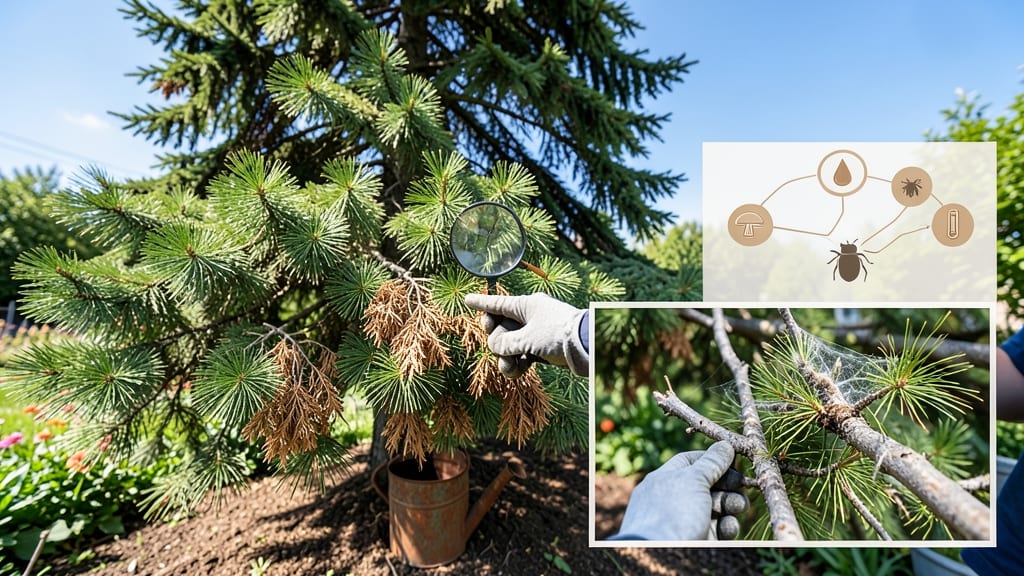
Your cedar tree’s brown needles aren’t just an eyesore—they’re a cry for help. 🌲 I’ve seen healthy cedars turn from vibrant green to sad, brittle brown overnight, and the causes range from sneaky pests to simple neglect. The good news?
Most fixes are easier than you think, and catching the problem early makes all the difference. Start by checking the texture of the needles—are they crispy and falling off, or still attached but dull? That tells you whether it’s drought stress, pests, or something more serious like cedar blight.
I once mistook bagworm damage for drought, and by the time I realized, the tree was already struggling. The right fix depends on the cause: pruning out dead branches, applying neem oil for pests, or adjusting your watering routine.
Even a mature cedar can bounce back with the right care—just don’t wait until half the tree is brown. Here’s the step-by-step breakdown to diagnose and revive your tree before it’s too late. Let’s get it back to that rich, healthy green.
Root Causes Of Cedar Browning
When your cedar tree starts losing its vibrant green hue and turns brown, it’s often a sign that something’s gone awry beneath the surface. Understanding the why behind the browning is the first step to bringing your tree back to life.
Let’s break down the most common culprits—each with its own scientific twist—and how they disrupt your cedar’s health.
---
Cedars are tough, but even they can’t handle extreme conditions indefinitely. Heat waves and prolonged drought force trees into survival mode, triggering a process called abscission—where the tree sheds needles to conserve water.
This leads to browning, especially on the outer branches, which are most exposed to sun and wind.
- How it happens: High temperatures dry out the soil, reducing water uptake.
The tree’s stomata (tiny pores on needles) close to prevent water loss, but this also blocks gas exchange, starving the needles of oxygen and nutrients. - Tell-tale signs: - Needles turn straw-colored or tan (not just brown). - Browning starts at the tips and spreads inward. - Soil feels bone-dry even 2–3 inches deep. - Actionable fix: Deep watering (1–2 inches per week) and mulching (2–4 inches of organic mulch) to retain moisture.
Avoid overhead watering, which can encourage fungal growth.
---
Cedars are cold-hardy, but sudden temperature swings—especially winter sun combined with freezing nights—can cause winter burn. The sun heats the needles, but the roots can’t absorb enough water to compensate, leading to desiccation (drying out).
- How it happens: Needles absorb sunlight and warm up, but cold roots can’t supply water fast enough.
This creates oxidative stress, where cells break down and turn brown. - Tell-tale signs: - Browning appears on south- or west-facing sides (most exposed to sun). - Needles stay attached but crispy (not falling off). - Damage is worst in late winter/early spring. - Actionable fix: - Windbreaks (like burlap screens) reduce sun exposure. - Avoid pruning in late summer/fall—new growth is more vulnerable to winter burn. - Water deeply before winter if your area has dry spells.
---
Not all browning is due to weather—pests can turn your cedar into a buffet. Two of the most destructive culprits are bagworms and spider mites, both of which suck the life out of needles, leaving behind a brown, skeletonized mess.
#### 🐛 Bagworms: The Needle-Munching Bandits - How it happens: Bagworm larvae spin silk bags around themselves and strip needles for food.
Heavy infestations cause premature needle drop, leaving branches bare and brown. - Tell-tale signs: - Small cone-shaped bags (½–1 inch) hanging from branches. - Needles look chewed or missing in patches. - Webbing between branches (late-stage infestation). - Actionable fix: - Handpick bags (drop into soapy water) in early fall before they hatch. - Bacillus thuringiensis (Bt) spray (organic) or permethrin (chemical) for severe cases.
#### 🕷️ Spider Mites: The Tiny Sap-Suckers - How it happens: These microscopic pests pierce needles to feed on sap, injecting toxins that cause stippling (tiny brown dots) and needle drop.
Hot, dry weather explodes their populations. - Tell-tale signs: - Fine webbing on branches (like dust). - Needles develop bronze or silver speckles before turning brown. - Trees look stressed overall (slow growth, weak branches). - Actionable fix: - Blast them off with a strong water spray (disrupts their life cycle). - Neem oil or horticultural oil (apply when mites are active, usually late spring/early summer).
---
Fungi thrive in moist, shaded conditions and can turn your cedar’s needles into a brown, mushy disaster. Two common fungal foes are cedar blight (rare but devastating) and root rot (often fatal if ignored).
#### 🍄 Cedar Blight (Seiridium cardinale) - How it happens: This fungus infects through wounds (like pruning cuts) and blocks water transport, causing dieback (branches turn brown and die from the tips inward). - Tell-tale signs: - Cankers (sunken, discolored patches) on branches. - Needles stay attached but turn gray-brown. - Sawdust-like spores near infected areas. - Actionable fix: - Prune infected branches (sterilize tools with 70% isopropyl alcohol). - Fungicide (like copper fungicide) in early spring before spores spread.
#### 🌱 Root Rot: The Silent Killer - How it happens: Overwatering or poor drainage leads to anaerobic soil (lack of oxygen), where fungi like Phytophthora thrive.
Roots rot, cutting off water/nutrients, and the tree wilts and browns from the bottom up. - Tell-tale signs: - Mushrooms growing at the base of the tree. - Soft, mushy roots when dug up. - Yellowing needles followed by browning and drop. - Actionable fix: - Improve drainage (raise soil level or add gravel). - Reduce watering—let soil dry between waterings. - Avoid compacting soil around the base (wear on roots).
--- Cedars are low-maintenance and often don’t need fertilizer. But too much nitrogen or herbicide drift can cause burning and browning by disrupting cellular processes.
- How it happens: - Excess nitrogen promotes soft, fast growth that’s vulnerable to pests/disease. - Herbicides (like 2,4-D) can mimic plant hormones, causing twisted, brown needles. - Tell-tale signs: - Browning starts at the tips and spreads inward. - Yellowing between veins (like a chemical burn). - New growth is stunted or deformed. - Actionable fix: - Stop fertilizing—cedars rarely need it. - Test soil (ideal pH: 6.0–7.0). - If herbicide drift is suspected, flush the soil with water and avoid pruning affected branches.
--- Before jumping to conclusions, eliminate the most likely culprits: 1. Check the soil—is it dry or soggy? 2. Inspect branches—are there bags, webs, or cankers? 3. Look at needle patterns—tip burn? Speckling? Uniform browning? 4. Review recent changes—new fertilizer? Herbicide use nearby?
Once you pinpoint the root cause, you can target treatment—saving time, money, and your tree’s life! 🌿
How to Revive Your Cedar Tree
Now that you’ve identified the cause behind your cedar tree’s brown hues, it’s time to take action! Whether it’s drought stress, pests, disease, or environmental factors, each issue has a targeted solution to help your tree bounce back.
Below, we break down practical fixes for each common cause—plus tips to prevent future problems.
---
If your cedar tree is thirsty, it’s time to give it a deep drink and improve its hydration system.
Step-by-Step Revival: 🔥 Check the Soil Moisture – Stick your finger 2–3 inches into the soil. If it’s dry, your tree needs water. 🍳 Water Deeply (Not Just a Sprinkle!) – Use a soaker hose or drip irrigation to deliver water slowly to the root zone. Aim for 1–1.5 inches of water per week, especially during dry spells. 👨🍳 Water in the Early Morning – This reduces evaporation and gives roots time to absorb moisture before the heat of the day. 🥘 Mulch for Moisture Retention – Apply 2–4 inches of organic mulch (like wood chips or shredded bark) around the base, but keep it 6 inches away from the trunk to prevent rot. ⏰ Consistency is Key – Cedars hate soggy soil and bone-dry conditions. Aim for steady moisture, not occasional heavy watering.
💡 Pro Tip: If your tree is in a windy or sunny spot, consider windbreaks (like a temporary fence or shrubs) to reduce moisture loss.
---
Cedar trees are magnets for bagworms, spider mites, and aphids—but you don’t need harsh chemicals to fight back.
For Bagworms (The Biggest Culprits!): 🔪 Handpick & Destroy – Look for small, brownish bags on branches. Drop them into soapy water to kill larvae. 🍳 Neem Oil Spray (Best Organic Fix) – Mix 1 tbsp neem oil + 1 tsp mild soap + 1 quart water. Spray every 7–10 days until infestation clears. 👨🍳 Bt (Bacillus thuringiensis) for Heavy Infestations – A natural bacterial pesticide that targets caterpillars. Apply when bags are small (before they harden).
For Spider Mites & Aphids: 🥘 Blast Them Off with Water – A strong hose spray can knock off mites and aphids. 🌡️ Introduce Beneficial Insects – Ladybugs and lacewings love eating aphids. Buy them online or attract them with dill or fennel plants. ✨ Insecticidal Soap (Last Resort) – If pests persist, use a mild soap spray (1 tsp castile soap per quart of water).
💡 Pro Tip: Prune infested branches in late winter or early spring (before pests wake up) to reduce their numbers.
---
Fungal issues like cedar rust or needle blight need airflow, removal, and prevention.
Immediate Actions: 🔥 Remove Infected Branches – Cut off brown, crusty, or oozing branches with sterilized pruners (wipe with rubbing alcohol between cuts). 🍳 Rake Up Debris – Collect and dispose of fallen needles (don’t compost them—they can spread spores). 👨🍳 Improve Air Circulation – Thin out overcrowded branches to let air and sunlight reach the center of the tree.
Fungicide Options (If Needed): 🥘 Copper Fungicide Spray – Effective against cedar rust and blight. Apply early spring and late fall. 🌡️ Baking Soda Spray (Mild Organic Fix) – Mix 1 tbsp baking soda + 1 tsp oil + 1 gallon water. Spray every 2 weeks during wet seasons.
💡 Pro Tip: Water at the base, not the foliage, to keep needles dry and discourage fungal growth.
---
Sometimes, the issue isn’t the tree itself—it’s its surroundings.
If Your Tree is in Too Much Sun: ✨ Provide Afternoon Shade – Use a light shade cloth (30–50% coverage) during peak sun hours. 🎯 Gradual Acclimation – If you recently moved the tree, slowly introduce it to full sun over weeks.
If Wind is the Problem: 💨 Windbreaks Work Wonders – Plant taller shrubs or a fence on the windy side to reduce stress. 🌳 Stake Young Trees – If your cedar is newly planted, use soft ties and stakes to prevent swaying.
If Soil is the Issue: 📊 Test Your Soil – Use a DIY soil test kit to check pH (cedars prefer slightly acidic to neutral, 6.0–7.0). 💪 Amend Compacted Soil – Mix in compost or sand to improve drainage if the soil is too dense.
💡 Pro Tip: Avoid over-fertilizing—cedars are low-maintenance and don’t need heavy feeding. Too much nitrogen can burn roots and stress the tree.
---
Once your tree is on the mend, preventative care will keep it lush and green.
✅ Watering Schedule – Deep and infrequent is better than shallow, frequent watering. ✅ Regular Inspections – Check for pests, discoloration, or unusual growth every 2–3 months. ✅ Prune Smartly – Remove dead or crossing branches in late winter to improve airflow. ✅ Mulch Annually – Refresh mulch every spring to maintain moisture and nutrients. ✅ Monitor for Stress Signs – If you notice early browning, act fast—catching issues early makes recovery easier!
--- Final Thought: 🌿 Most brown cedar trees can fully recover with the right care—just identify the problem, act quickly, and stay consistent. Your tree will thank you with vibrant green needles in no time!
Frequently asked questions
Why are my cedar tree's needles turning brown from the tips inward?
This is likely drought stress or winter burn. When soil is too dry, the tree conserves water by closing its stomata (pores), which starves the needles of oxygen. Check soil moisture 2–3 inches deep—if it's bone-dry, water deeply 1–2 inches per week and mulch with 2–4 inches of organic material.
What do those cone-shaped bags on my cedar branches mean?
Those are bagworm cocoons—a major pest that strips needles! Look for ½–1 inch brown bags hanging from branches. Handpick and drop them in soapy water, or spray with neem oil or Bacillus thuringiensis (Bt) in early fall before they hatch. Severe cases may need permethrin.
Can I save my cedar if half the tree is already brown?
Yes, but act fast! Prune out dead/diseased branches (sterilize tools with rubbing alcohol), then address the root cause—whether it's pests, drought, or fungal infection. For large trees, consult an arborist. With proper care, cedars are resilient and can regrow green needles from healthy branches.
Why is my cedar browning only on the south side?
This is classic winter burn—sun heats needles while cold roots can't supply enough water. Protect the tree with windbreaks (like burlap screens) or light shade cloth in peak sun hours. Water deeply before winter if your area has dry spells, and avoid pruning in late summer/fall.
Is it safe to prune my cedar when branches are brown?
Yes, but only remove dead/diseased branches—never prune more than 25% of the tree at once. Sterilize tools between cuts, and prune in late winter/early spring (before pests wake up). Avoid pruning in wet weather to prevent fungal spread.