
Diseases
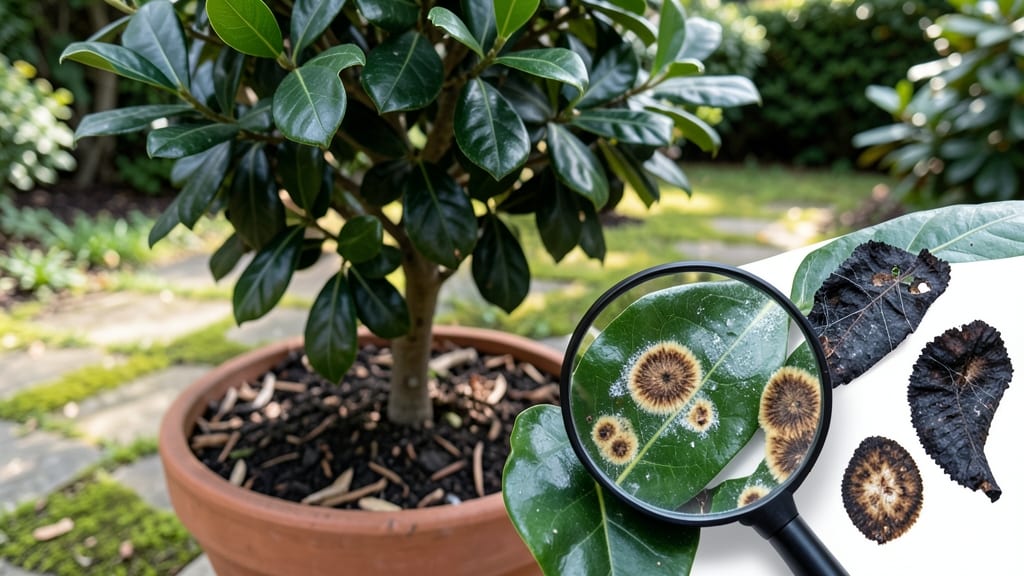
Bay leaf trees fight back against fungal and bacterial threats with the right care. 🌿 I’ve seen these diseases turn lush foliage into a sad, spotted mess—until I learned the early signs and how to stop them before they spread.
The key is catching problems like root rot or leaf blight before they cripple your tree.
Most diseases start with too much moisture or poor airflow. Yellowing leaves, black spots, or oozing stems are red flags—don’t ignore them. Organic sprays (neem oil, copper soap) work wonders if you act fast, but prevention is easier: prune for airflow, water at the base, and avoid overhead sprinklers.
With the right treatment, your bay leaf tree can bounce back stronger. I’ve revived trees that looked doomed by adjusting care routines and using targeted fungicides. The goal is healthy, fragrant leaves all season long—no more wilting or discoloration.
Works for both potted and in-ground bay trees, no matter your gardening experience. Let’s get your tree thriving again—starting with these simple steps.
Root Causes of Bay Leaf Tree Ailments
Bay leaf trees (often Laurus nobilis) are hardy but not invincible—when diseases strike, they’re usually the result of a perfect storm of environmental stress, microbial invaders, or cultural mismanagement. Understanding why these issues arise is the first step to prevention.
Below, we break down the key culprits behind fungal, bacterial, and physiological disorders in bay leaf trees, with actionable insights for each.
Fungal pathogens like Phytophthora and Botrytis thrive in soggy soil and humid microclimates. Bay leaf trees despise "wet feet"—their roots need well-draining soil to avoid suffocation and rot. Here’s why excess moisture triggers trouble:
- Root Rot: Phytophthora cinnamomi (a water-mold fungus) invades roots in waterlogged soil, blocking nutrient uptake. Symptoms? Yellowing leaves, stunted growth, and a musty smell at the base.
- Leaf Spot Fungi: Cercospora and Septoria spores splash onto leaves from wet soil or overhead watering, creating dark, greasy spots. High humidity (above 75%) turns these spots into infection hotspots.
- Bacterial Leaf Blight: Xanthomonas bacteria hitchhike on water droplets, causing water-soaked lesions that ooze when wet.
💡 Pro Tip: Amend clay-heavy soil with perlite or sand (20–30% mix) and plant in raised beds if your area has poor drainage. Mulch 2–3 inches away from the trunk to regulate moisture without smothering roots.
Bay leaf trees in tightly packed gardens or near decaying organic matter (like fallen leaves or old mulch) face higher fungal exposure. Spores from infected plants or soil-borne pathogens spread via:
- Wind and Rain: Anthracnose (Colletotrichum) spores travel up to 100 feet in wind, landing on new hosts.
- Pruning Tools: Cutting infected branches without sterilizing tools (70% isopropyl alcohol) transfers pathogens to healthy tissue.
- Splashing Water: Overhead irrigation or natural rain splashes spores from soil onto leaves, kickstarting infections like Alternaria leaf blight.
✨ Prevention Hack: Space bay leaf trees 6–8 feet apart for airflow, and remove fallen leaves promptly. Prune in dry weather (early morning) to minimize spore dispersal.
Bay leaf trees are light feeders—too much or too little fertilizer disrupts their natural defenses. Here’s how imbalances invite disease:
| Deficiency/Excess | Disease Risk | Symptoms |
|---|---|---|
| Nitrogen (N) deficiency | Weakened foliage → Botrytis gray mold | Pale yellow leaves, stunted growth |
| Phosphorus (P) excess | Root burn → Fusarium wilt | Wilting despite moist soil, brown vascular streaks |
| Potassium (K) deficiency | Reduced disease resistance → Septoria leaf spot | Brown leaf edges, weak stems |
🌱 Fix It: Test soil pH (ideal: 6.0–7.0) and use a balanced 10-10-10 fertilizer sparingly (once in early spring). Avoid fresh manure—it can burn roots and attract fungal spores.
Insects like aphids, scale, and spider mites don’t just sap sap—they create entry points for secondary infections. For example:
- Aphids: Their honeydew attracts sooty mold (a superficial fungus that coats leaves, blocking sunlight).
- Scale Insects: Their waxy shells trap moisture, creating a fungal Petri dish for Botrytis.
- Spider Mites: Stress from feeding leads to yellowing leaves, making trees more susceptible to Cercospora.
🔪 Act Now: Blast pests off with a strong water spray (10 psi) or use neem oil (1% solution). Introduce ladybugs as natural predators for long-term control.
Bay leaf trees prefer mild climates (USDA Zones 8–11). Sudden cold snaps or heatwaves stress them, lowering immunity:
- Freeze Damage: Frost cracks bark, letting bacterial canker (Pseudomonas) seep in.
- Heat Stress: Drought weakens roots, making them vulnerable to Verticillium wilt.
🌿 Climate-Proofing: In cold areas, mulch heavily (4–6 inches) and wrap young trunks with burlap. In heat, drip irrigation keeps roots cool without wetting foliage.
Fixing Common Bay Leaf Tree Ailments
Now that you’ve identified the root cause of your bay leaf tree’s distress, it’s time to take action! Whether it’s fungal infections, bacterial attacks, or environmental stressors, these practical, step-by-step solutions will help restore your tree’s health—without overwhelming you.
Remember, early intervention is key, so don’t wait if you spot symptoms like yellowing leaves, black spots, or oozing cankers.
Fungal diseases like anthracnose, powdery mildew, or root rot thrive in damp conditions. Here’s how to treat and prevent them effectively:
🔥 Prune Infected Areas Immediately
- Use sterilized pruning shears (wipe with rubbing alcohol between cuts) to remove yellowed, spotted, or wilted leaves and branches.
- Cut at least ½ inch below the visible damage to ensure you remove the infected tissue.
- Dispose of pruned material in a sealed trash bag—do not compost it!
🍳 Apply Fungicidal Sprays (Organic or Chemical)
| Fungus Type | Recommended Treatment | Frequency |
|---|---|---|
| Powdery Mildew | Neem oil spray (1 tsp neem oil + 1 tsp baking soda + 1 quart water) | Every 7–10 days (humid weather) |
| Anthracnose | Copper fungicide (e.g., Bordeaux mixture) | Every 2–3 weeks (spring/fall) |
| Root Rot | Benomyl or Myclobutanil (for severe cases) | 1–2 applications, spaced 10 days apart |
💡 Pro Tip: Water in the early morning to allow foliage to dry quickly—fungi love moisture!
🌡️ Improve Airflow & Drainage
- Space out trees (at least 6–8 feet apart) to reduce humidity buildup.
- Mulch properly: Use 3–4 inches of organic mulch (like wood chips) but keep it 2–3 inches away from the trunk to prevent rot.
- Ensure well-draining soil: Amend clay soil with compost or perlite if water pools after rain.
Bacterial infections (like bacterial leaf spot or canker) spread through wounds and water splashes. Isolation and sanitation are your best defenses:
👨🍳 Remove & Destroy Infected Parts
- Cut out infected branches (including 1–2 inches of healthy tissue below the lesion).
- Burn or trash (not compost) the infected material—bacteria can survive in soil for years!
- Disinfect tools with 10% bleach solution (1 part bleach to 9 parts water) after each cut.
🥘 Use Copper-Based Bactericides
- Spray with copper hydroxide or oxychloride (e.g., Copper Soap) every 7–14 days during wet seasons.
- Avoid chemical sprays if bees are active—opt for copper fungicides instead.
⏰ Adjust Watering Practices
- Water at the base (not overhead) to prevent bacterial splashing.
- Use drip irrigation instead of sprinklers to keep leaves dry.
- Avoid late-season watering—wet foliage at night invites bacterial growth.
If your bay leaf tree is struggling due to poor soil, pests, or extreme conditions, these fixes will strengthen its defenses:
💡 Fertilize Smartly - Test soil pH (ideal: 6.0–7.0 for bay trees).
Use lime to raise pH if too acidic. - Feed with balanced fertilizer (e.g., 10-10-10) in early spring—avoid high-nitrogen fertilizers in summer (they encourage fungal growth). - Add compost (2–3 inches) around the drip line (not the trunk) for slow-release nutrients.
🔪 Protect Against Pests (Aphids, Scale, Spider Mites)
- Blast off pests with a strong spray of water (disrupts their life cycle).
- Use insecticidal soap (1 tbsp mild soap + 1 quart water) for light infestations.
- Introduce beneficial insects (ladybugs, lacewings) for natural pest control.
🌡️ Shield from Extreme Conditions
- Mulch heavily in winter to insulate roots from freezing temps.
- Provide shade cloth (30–50%) in hot climates to prevent leaf scorch.
- Avoid transplant shock: If repotting, water deeply 2–3 days before and after moving.
Once your tree recovers, prevent future outbreaks with these easy habits:
✅ Inspect monthly for early signs of disease (reverse side of leaves, bark crevices). ✅ Rotate fungicides if you use them frequently to prevent resistance. ✅ Avoid overhead irrigation—stick to drip systems or soaker hoses. ✅ Plant bay trees in full sun (6+ hours daily) to reduce humidity-related issues. ✅ Prune for airflow—remove crossing branches and thick growth near the trunk.
By following these targeted solutions, your bay leaf tree can bounce back—stronger and healthier than before! 🌿💪 Whether you’re battling fungus, bacteria, or environmental stress, consistency is key. Act fast, stay vigilant, and your tree will thank you with lush, disease-free foliage!
Frequently asked questions
What are the first signs of fungal infection in bay leaf trees?
Look for dark, greasy spots on leaves (often with yellow halos) or white powdery coatings (powdery mildew). Early fungal infections may also cause yellowing between leaf veins or premature leaf drop. Check both leaf surfaces—some fungi hide on undersides!
Can I save a bay leaf tree with root rot?
It depends on how severe it is! For early stages, improve drainage immediately by amending soil with perlite and repotting (if potted). Use a mycorrhizal fungus treatment to help roots recover. If the trunk is mushy when pressed, the tree may not survive—prune back severely and try propagating from healthy cuttings.
How often should I spray fungicides on my bay leaf tree?
For prevention, spray every 2–3 weeks during humid months (spring/fall) with neem oil or copper fungicide. If treating an active infection, follow label instructions—usually weekly for 2–3 weeks, then monthly. Always spray early morning so leaves dry quickly, preventing fungal growth.
Why do my bay leaves keep getting brown edges?
This usually signals underwatering or low humidity, but could also mean fluoride toxicity (from tap water) or potassium deficiency. Try watering at soil level and misting leaves occasionally. For potted trees, use filtered or rainwater—tap water often contains fluoride that damages leaf edges.
Is it safe to use homemade remedies like baking soda spray?
Yes! A 1 tsp baking soda + 1 tsp neem oil + 1 quart water spray works well for powdery mildew and leaf spot. Add a drop of dish soap as a surfactant. Spray undersides of leaves too—where many fungal spores hide. Reapply every 7–10 days during wet weather. Always test on a small area first!