
Pruning
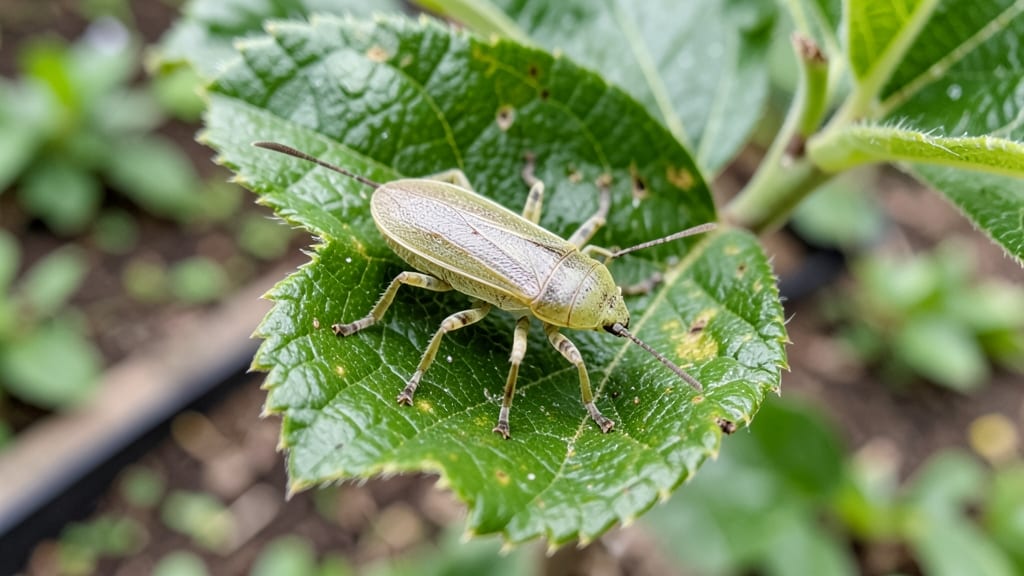
Apple tree leaf bugs turn your harvest dreams into a battle against tiny invaders. 🌿 I’ve battled aphids, mites, and sawfly larvae that turn vibrant foliage into skeleton leaves—until I learned these 5-step organic fixes that actually work.
The damage starts small: curled edges, sticky residue, or holes that multiply overnight. Most gardeners panic and reach for chemicals, but the real solution lies in preventive pruning and targeted sprays that protect bees while keeping pests in check.
By the time you’re done, your tree will be thriving with full, healthy leaves and fewer pests than your neighbors’ trees. No more guessing—just actionable steps that stop the problem before it starts. Works for backyard orchards, community gardens, and even container-grown apple trees. Let’s reclaim those leaves!
Root Causes Of Leaf Damage
When tiny intruders like apple tree leaf bugs (including aphids, lacewings, or mites) invade your orchard, they don’t just appear randomly—they’re drawn by specific conditions that make your trees irresistible.
Understanding these triggers helps you act preemptively, saving your harvest before the problem escalates. Here’s why these pests target your apple trees in the first place.
Apple trees under stress—whether from poor spacing, nutrient deficiencies, or drought—emit distress signals that attract pests. Weak trees produce sweeter sap and thinner leaves, which are like an all-you-can-eat buffet for hungry insects.
- Why it happens: Stress hormones (like ethylene) alter leaf chemistry, making them more palatable. Overcrowded canopies also trap moisture, creating a humid microclimate perfect for mites and aphids.
- Actionable fix:
- Prune aggressively to improve airflow (see our pruning section).
- Test soil for nitrogen/phosphorus imbalances—bugs thrive when trees lack potassium.
- Water deeply but infrequently to avoid root stress.
Leaves, fruit mummies, and fallen branches aren’t just eyesores—they’re hibernation hotels for pests. Many leaf bugs overwinter in organic matter, emerging in spring to feast on fresh foliage.
- Why it happens: Debris provides:
- Shelter from predators (birds, ladybugs).
- Moisture retention, extending larval survival rates.
- Food residue (e.g., aphid honeydew feeds fungal growth, which attracts more bugs).
- Actionable fix:
- Rake and compost or burn fallen leaves before buds swell in spring.
- Remove mummified fruit (dried apples) where codling moths lay eggs.
- Use straw mulch (not wood chips) to deter overwintering pests.
Soil pH and fertility directly influence your tree’s ability to fend off pests. Alkaline soil (pH >7.0) locks out beneficial microbes, while excess nitrogen fuels soft, bug-loved growth.
| Soil Issue | Pest Attraction | Fix It With |
|---|---|---|
| High nitrogen | Rapid, tender leaf growth (aphids’ favorite) | Balanced 10-10-10 fertilizer + compost |
| Low calcium | Weak cell walls = easier sap access for mites | Crushed eggshells or lime (if pH <6.5) |
| Compacted soil | Reduced root oxygen = stressed trees | Gypsum + deep tilling (or aeration) |
Pro Tip: 🌡️ Test soil in fall—pH imbalances take months to correct, and pests won’t wait for spring!
Leaf bugs proliferate when their natural predators—like lacewings, parasitic wasps, or spiders—are missing. This happens due to:
- Overuse of broad-spectrum pesticides (e.g., neonicotinoids kill bees and aphid predators).
- Monoculture planting (no diversity = no predator habitat).
- Urbanization (fewer wildflower borders for pollinators).
Actionable fix:
- Plant companion flowers (e.g., alyssum, dill) to attract predatory insects.
- Use targeted sprays (e.g., horticultural oil for mites) only when thresholds are met.
- Install birdhouses or bat boxes—they eat 1,000+ bugs per night!
By addressing these root causes, you’re not just treating symptoms—you’re starving the problem at its source. Next, we’ll cover how to spot these pests early before they ruin your crop.
Quick Fixes for Leaf Bug Woes
If your apple tree’s leaves are under siege, don’t panic—there are effective, organic ways to tackle these pests and restore your tree’s health.
Below, we’ve mapped out targeted solutions based on the most common causes, from aphid infestations to spider mite damage, along with prevention tips to keep bugs at bay for good.
Problem: Bugs thrive in dense foliage where air circulation is poor. Weak trees (from poor soil, drought, or over-fertilizing) are easier targets.
Fix:
- 🍳 Prune strategically – Thin out branches to improve airflow. Remove dead, crossing, or overcrowded limbs (aim for 20-30% reduction in dense areas).
- 👨🍳 Boost tree health – Amend soil with compost or organic matter (like worm castings) to improve nutrients. Water deeply 1-2 times per week during dry spells.
- ⏰ Time it right – Prune in late winter or early spring (before buds swell) to avoid stressing the tree.
💡 Pro Tip: Avoid heavy pruning in summer or fall—it stresses trees and attracts pests!
Problem: These sap-suckers cluster on new growth, leaving sticky residue (honeydew) that attracts mold.
Fix:
- 🔥 Knock ‘em off – Use a strong spray of water (from a hose nozzle) to dislodge aphids early in the morning (when they’re sluggish).
- 🥘 Homemade spray – Mix 1 tsp mild liquid soap + 1 tsp neem oil + 1 quart water. Spray directly on bugs (avoid flowers to protect pollinators).
- 🌡️ Introduce predators – Ladybugs, lacewings, and parasitic wasps love aphids. Buy or attract them with dill or fennel plants nearby.
✨ Prevention: Plant garlic, chives, or mint around the tree—their scent repels aphids naturally.
Problem: Tiny, web-spinning mites thrive in dry heat, causing stippled, yellowing leaves.
Fix:
- 🔪 Horticultural oil spray – Apply dormant oil in late fall or early spring (before buds swell) to smother eggs. Repeat every 7-10 days in summer if needed.
- 🌡️ Increase humidity – Mites hate moisture. Use a sprinkler to mist leaves on hot days or group plants together to raise humidity.
- 🎯 Dust with sulfur – Lightly dust sulfur powder on leaves (follow package rates) for a natural mite-killer.
💡 Pro Tip: Yellow sticky traps can monitor mite populations—place them near the tree to catch early signs.
Problem: These armored pests attach to branches, sucking sap and weakening the tree.
Fix:
- 🔪 Scrape them off – Use a plastic scraper or soft brush to physically remove scales from branches. Drop them into soapy water.
- 🥘 Neem oil soak – Soak infested branches in neem oil solution (2 tbsp oil + 1 gallon water) for 30 minutes, then rinse.
- 🌿 Prune heavily – Cut and burn or bag severely infested branches (don’t compost them!).
✨ Prevention: Keep trees well-watered and mulched—scale insects hate stress-free hosts!
- 📊 Monitor regularly – Check undersides of leaves and new growth weekly for early signs.
- 💪 Strengthen soil – Test soil pH (ideal: 6.0-7.0) and add organic fertilizer in early spring.
- 🌿 Plant companion flowers – Marigolds, nasturtiums, or daisies deter pests with their scent.
- 🚫 Avoid broad-spectrum sprays – They kill good bugs (like ladybugs) too. Stick to targeted organic solutions.
- 🍂 Clean up fallen leaves – Bugs and eggs hibernate in leaf litter—remove debris in fall.
Final Thought: Most leaf bug problems are preventable with consistent care. Start with pruning, watering, and natural sprays, and your apple tree will bounce back stronger than ever! 🍏💚
Frequently asked questions
What are the most common types of apple tree leaf bugs?
Apple trees often host aphids (tiny green/black clusters), spider mites (web-spinning yellow specks), and sawfly larvae (gray, fuzzy caterpillars). Other culprits include leafhoppers (small, wedge-shaped bugs) and scale insects (brown armored bumps on branches). Each leaves distinct damage: curled leaves, stippling, or sticky honeydew.
How do I know if my apple tree has a leaf bug infestation?
Look for yellowing leaves, sticky residue (aphid honeydew), or tiny webs under foliage. Check leaf undersides for clusters of bugs or chewed edges. Early signs include slow growth or distorted new leaves—these mean pests are already feeding.
Are chemical pesticides safe for apple trees?
Most chemical sprays harm beneficial insects and can contaminate fruit. Organic alternatives like neem oil or insecticidal soap work just as well. For severe cases, use targeted pesticides (e.g., horticultural oil) only when thresholds exceed 5-10 bugs per leaf.
When is the best time to treat apple tree leaf bugs?
Act early spring (before buds swell) or late fall to catch overwintering eggs. For active infestations, treat in morning hours when bugs are sluggish. Avoid spraying during bloom to protect pollinators.
Can I save my apple tree if it’s already heavily infested?
Yes! Start with pruning to remove damaged branches, then apply organic sprays (neem oil or soap). Add mulch to improve soil health and attract predator insects. Severe cases may need 2-3 weeks of consistent treatment—patience is key!