
Lawn
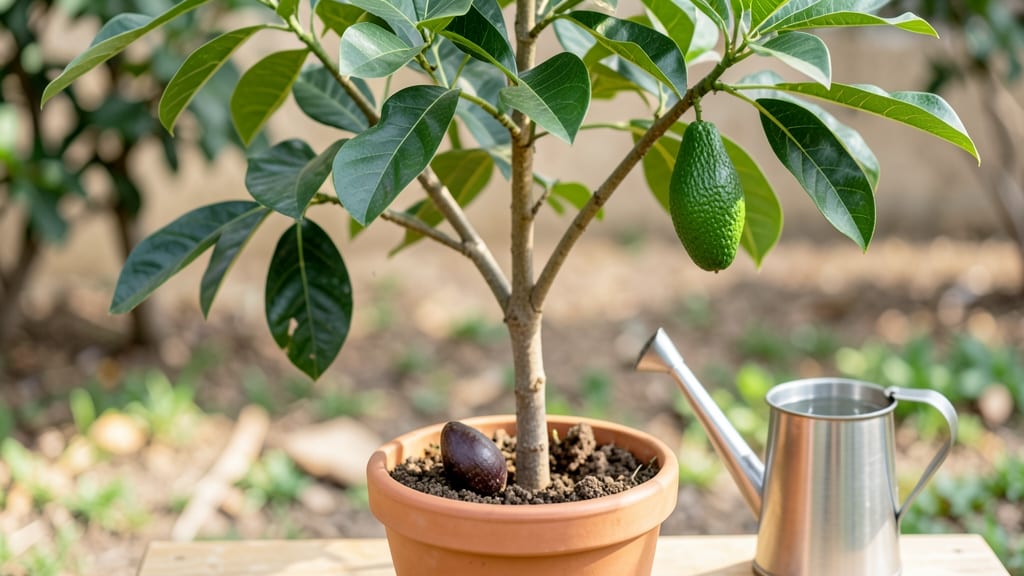
Growing an avocado tree from seed to fruit takes patience—but these fast germination tricks cut years off the wait. 🌱 I’ve turned kitchen scraps into thriving trees using simple science, and you can too.
The key? A toothpick, warm water, and a little stubbornness to keep the seed alive through its first tricky weeks.
Most people quit after the seed sprouts, but that’s when the real work begins. You’ll need a sunny windowsill or grow light, well-draining potting mix, and a pot with drainage holes—no fancy equipment, just the right conditions.
The first leaves appear in 2-8 weeks, but true growth happens when you transplant into soil and give it consistent care.
By year three, your tree could be taller than you, with glossy leaves and a sturdy trunk—if you prune correctly and protect it from pests. The real magic happens at 5-13 years, when (with luck and good pollination) you’ll finally taste that first homegrown avocado.
The journey’s long, but every stage feels like progress.
Here’s where most gardeners stumble: overwatering, poor light, or impatience. I’ll show you exactly how to avoid those mistakes—so your seed doesn’t become another sad houseplant casualty. Let’s get that pit growing!
📚 In This Guide
- What you need
- Instructions
- Tips and common mistakes
- Wrapping up and next steps
What you need
- ● Avocado pit: 1 fresh, organic avocado seed (preferably Hass variety for best results).
- ● Toothpicks (or skewers): 3–4 wooden toothpicks or small skewers (for suspending the seed).
- ● Glass or jar: A clean, clear glass or jar (8–12 oz) with a wide mouth.
- ● Water: Room-temperature, filtered water (change weekly).
- ● Potting soil: Well-draining, organic potting mix (avoid garden soil—it’s too dense!).
- ● Small pot (4–6 inches): A nursery pot with drainage holes (terracotta works great!).
- ● Spray bottle: For gentle watering (avoids disturbing the roots).
- ● Humidity dome or plastic wrap: To retain moisture while germinating.
- ○ Grow light (optional): A full-spectrum LED bulb if natural light is limited.
- ○ Rooting hormone: Speeds up germination (optional but handy for slower seeds).
- ● Fertilizer (balanced 10-10-10): Once the seedling sprouts leaves (use sparingly!).
- ● Thermometer/hygrometer: To monitor soil temperature (ideal: 70–80°F).
- ● Support stake: For taller seedlings (avocado trees can get leggy!).
- ● Pruning shears: For shaping the tree as it grows.
Step-by-step instructions for growing avocado trees from seed to fruit
Here’s how to turn a single seed into a thriving avocado tree—with tricks to speed up germination and boost survival.
🌱 Step 1: Prepare the Seed for Faster Germination
Start with a fresh avocado pit—never one that’s been dried out or stored for months. Rinse it thoroughly to remove any remaining fruit residue, then use a sharp knife to carefully slice off the hard, pointed end (the "hat"). This exposes the seed’s germinating tip.
Place three toothpicks around the pit’s middle, spacing them evenly. Suspend the pit over a glass or jar filled with 2-3 inches of water, ensuring the bottom half of the seed stays submerged. The toothpicks keep it floating without touching the sides. Change the water every 2-3 days to prevent mold—you’ll see roots emerge from the bottom within 2-6 weeks, depending on warmth.
⏰ Step 2: Wait for Root and Shoot Development
Once roots reach 2-3 inches long, they’ll thicken and turn woody. This is your signal to stop changing the water—overdisturbance can stress the young root system. Meanwhile, a small shoot will push through the top of the pit. When it reaches 1-2 inches tall, it’s ready for planting.
Here’s the thing—patience is key. If germination stalls after 8 weeks, try gently scratching the seed’s outer shell with a knife to encourage growth. Avoid forcing it; avocado seeds need consistent warmth (70-80°F) and indirect light to break dormancy.
🪴 Step 3: Plant the Germinated Seed in Soil
Fill a 6-inch pot with well-draining potting mix (avoid garden soil—it compacts and suffocates roots). Bury the avocado pit halfway, leaving the shoot above soil level. Tap the pot gently to settle the soil, then water lightly until moisture drains from the bottom. Place the pot in bright, indirect light—direct sun will scorch the tender shoot.
Keep the soil evenly moist (not soggy) by watering when the top ½ inch feels dry. Overwatering causes root rot, while underwatering stunts growth. After 4-6 weeks, you’ll see first true leaves—thicker and darker than the initial cotyledons. This confirms the plant is establishing roots.
☀️ Step 4: Transition to Sunlight and Fertilize
Once the seedling has 4-5 leaves, gradually introduce it to morning sun (2-3 hours daily). Full sun (6+ hours) can be added after 2-3 weeks, but acclimate slowly to avoid leaf burn. Rotate the pot weekly so the stem grows straight—avocado trees lean toward light like sunflowers.
Start fertilizing with a balanced, water-soluble fertilizer (10-10-10) diluted to half strength every 4-6 weeks during spring and summer. Skip fertilizer in fall/winter when growth slows. Prune leggy stems to encourage bushier growth, pinching back tips just above a leaf node.
✂️ Step 5: Prune and Care for Long-Term Fruit Production
Avocado trees need regular pruning to shape the canopy and improve airflow. Remove dead or crossing branches with clean cuts, and trim back overgrowth by ⅓ in late winter. This encourages new growth where fruit will form. By year 3-5, you’ll see flower buds—tiny yellow or purple clusters that develop into fruit.
Real talk: Fruit production takes 5-10 years indoors, even with ideal care. To speed things up, provide winter dormancy—reduce watering and move the tree to 50-60°F for 2 months to mimic seasonal cycles. This trick can coax earlier flowering, but don’t rush it—healthy roots are the foundation of future harvests.
Tips & tricks for growing avocado trees from seed
Here's what I learned the hard way after struggling with slow germination and weak seedlings—these tricks cut the waiting time in half.
Warmth Accelerator: Place your germination setup on top of a refrigerator or near a sunny window to maintain consistent 70-80°F warmth. I used a small heating pad under the jar for my first seed, and it sprouted roots in just 3 weeks instead of the usual 6. Avoid drafts—avocado seeds need steady warmth to break dormancy efficiently.
Water Quality Matters: Use filtered or distilled water for the germination stage—tap water's chlorine and minerals can inhibit root growth. I switched to bottled water after my first seedling's roots turned brown, and the second one thrived with crisp white roots within 10 days. Change the water every 2-3 days to prevent bacterial growth, but don't overdo it—dramatic water changes stress the developing system.
Light Strategy: During germination, keep your seedling in bright, indirect light—a north-facing window works best. I made the mistake of placing mine in direct afternoon sun, which scorched the delicate shoot. Once planted, move the pot to a spot with 2-3 hours of morning sun first, then gradually increase exposure. This slow transition prevents leaf burn while building the plant's resilience.
Soil Secrets: The 6-inch pot should have drainage holes—this is non-negotiable. I learned this after my first attempt with a decorative pot led to root rot. Mix in one-third perlite or vermiculite with your potting soil to improve drainage. When planting, bury the pit halfway—this gives roots stability while allowing the shoot to emerge easily. The first true leaves (thicker and darker than the initial cotyledons) appear after 4-6 weeks of proper care.
Pro Tips for Avocado Tree Seed To Fruit
- Here's what I learned the hard way after struggling with slow germination and weak seedlings—these tricks cut the waiting time in half.
- Warmth Accelerator: Place your germination setup on top of a refrigerator or near a sunny window to maintain consistent 70-80°F warmth.
- Water Quality Matters: Use filtered or distilled water for the germination stage—tap water's chlorine and minerals can inhibit root growth.
Frequently asked questions
Got questions about growing avocados from seed? You’re not alone!
Here are answers to the most common queries—from impatient gardeners to troubleshooting tips—to help you nurture that pit into a fruitful tree.
How long does it take for an avocado seed to sprout?
Patience is key! With the right soaking and planting techniques, your avocado seed should sprout in 2–6 weeks. Some seeds take longer—don’t rush it. Keep the soil moist (but not soggy) and place it in warm, indirect light for the best results.
Why isn’t my avocado seed germinating?
If your seed isn’t sprouting after 6+ weeks, check these common culprits:
- Too dry or too wet soil – Stick your finger in the soil; it should feel damp like a wrung-out sponge.
- Poor drainage – Roots need air! Ensure the container has drainage holes.
- Cold temperatures – Avocado seeds thrive in 70–85°F (21–29°C). Move it to a warmer spot.
- Rotten seed – If it smells foul or feels mushy, it’s likely rotted. Start fresh!
Will my homegrown avocado tree actually produce fruit?
Here’s the reality: Most avocado trees grown from seed take 5–13 years to bear fruit—and even then, it might not be the same variety as the parent. For faster, reliable fruit, consider grafting (a more advanced technique) or buying a nursery-grown tree. But hey, the journey is half the fun!
Can I eat the fruit from a seed-grown avocado tree?
Once your tree matures and produces fruit, you can enjoy it—just like store-bought avocados. However, seed-grown trees often have smaller, less predictable fruit. If you’re craving Hass avocados (the creamy green kind), you’ll need to wait longer or opt for a grafted tree.
What’s the fastest way to speed up germination?
Try these pro tips to coax your seed along:
- Use a heat mat – Place the pot on a seedling heat mat (set to 75–80°F) to mimic tropical conditions.
- Bright, indirect light – A sunny windowsill or grow light works best. Avoid direct sunlight, which can scorch the seed.
- Rooting hormone – Dip the seed in rooting hormone before planting to encourage faster growth.
- Humidity help – Cover the pot with plastic wrap (remove once sprouted) to retain moisture.
What if my seed sprouts but the stem falls over?
Don’t panic! A weak stem is common in young seedlings. Prop it up with a small stake or toothpick to support growth. Once the stem is sturdy (after a few weeks), it should hold itself up. If it keeps toppling, try transplanting it into a slightly larger pot for stability.
Wrapping up and next steps
Growing an avocado tree from seed to fruit is a rewarding journey that blends patience with a touch of science! 🌱 With the right tricks—like proper seed selection, ideal germination conditions, and consistent care—you’ll be well on your way to enjoying homegrown avocados in just a few years.
Whether you’re a gardening newbie or a seasoned green thumb, every step brings you closer to that sweet success.
Now that you’re armed with pro tips and answers to common questions, it’s time to roll up your sleeves! Start with that avocado pit today, and soon, you’ll be harvesting your own creamy, delicious fruit. Happy growing! 🌿