
Pruning
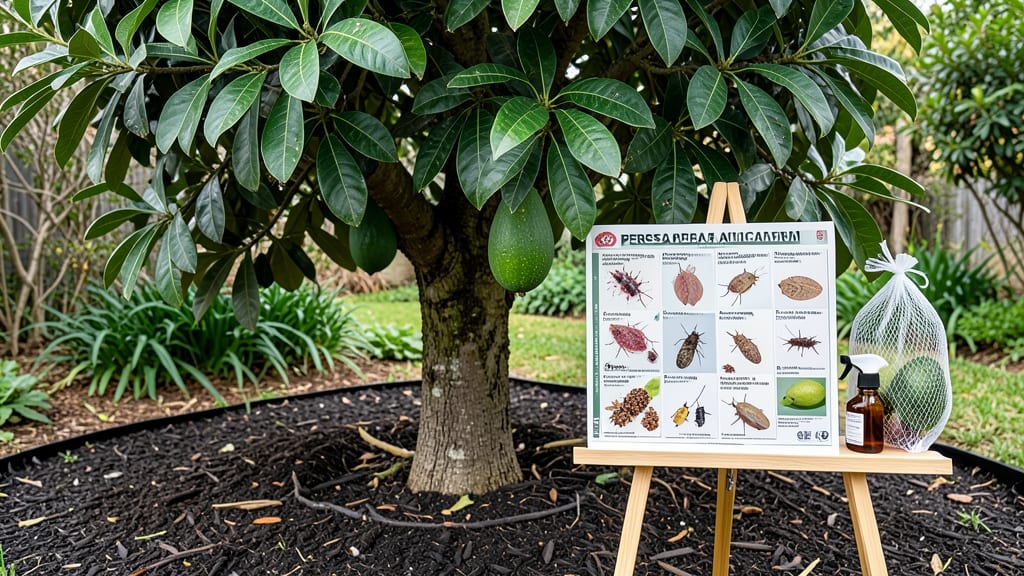
Avocado tree pests can turn your lush green canopy into a battleground overnight. 🌿 I’ve watched spider mites drain leaves, scale insects glue branches, and fruit flies rot fruit before it ripens—until I learned these targeted, natural remedies that actually work.
The key is acting fast before damage spreads, and I’ll show you exactly how to spot the warning signs and stop pests in their tracks.
Most problems start small: tiny webs on leaves, sticky residue on branches, or fruit that looks bruised from the inside. These aren’t random attacks—they’re signs of mites, scale, or flies taking advantage of stressed trees.
The good news? Healthy trees fight off pests better, and simple habits like proper watering, pruning for airflow, and introducing beneficial insects can cut infestations by half before they become crises.
You’ll walk away with a three-step pest patrol—inspecting leaves weekly, applying homemade sprays (like neem oil or soapy water), and setting traps for fruit flies. Within 2-4 weeks, you’ll see fewer webs, more buds, and fruit that stays firm and delicious.
The best part? These methods work without harsh chemicals, so your tree—and your family—stays safe.
Whether you’re dealing with a new infestation or just want to prevent one, this approach scales from backyard trees to larger orchards. Let’s get your avocado back to thriving in no time.
Root Causes of Avocado Tree Infestations
Avocado trees are prized for their lush foliage and delicious fruit, but they’re also a magnet for pests due to their tropical origins and nutrient-rich environment. Understanding why these critters target your tree is the first step in protecting it.
Let’s break down the key factors that make your avocado tree a pest buffet.
When avocado trees are stressed, their natural defenses weaken, making them vulnerable to pests. Here’s how it happens:
- Nutrient Deficiencies: Avocados thrive in well-drained, nutrient-rich soil. If the soil lacks essential nutrients like nitrogen, potassium, or magnesium, the tree becomes less resilient. Pests like spider mites and scale insects detect this weakness and attack more aggressively.
- Water Stress: Overwatering or drought can shock the tree. Overwatering creates soggy roots, inviting fungal diseases and root-feeding pests like root-knot nematodes. Drought stress weakens the tree’s ability to produce protective compounds, making it an easy target for sap-sucking insects.
- Physical Damage: Broken branches, improper pruning, or storm damage create entry points for pests. Boring insects, like the avocado seed borer, exploit these wounds to lay eggs and establish colonies.
💡 Pro Tip: Conduct a soil test every 2–3 years to monitor nutrient levels. Mulching with organic matter (like compost or wood chips) helps retain moisture and improves soil structure, reducing stress.
Avocado trees provide the perfect microclimate for pests—warmth, humidity, and a steady food source. Here’s why pests love your tree:
| Factor | How It Attracts Pests | Common Culprits |
|---|---|---|
| Warm Climate | Tropical and subtropical regions (like California or Florida) offer year-round warmth, speeding up pest reproduction cycles. | Mealybugs, whiteflies, and avocado lace bugs |
| High Humidity | Moisture-loving pests thrive in humid conditions, as it reduces their risk of desiccation. | Fungal gnats, scale insects, and mites |
| Sap-Rich Leaves | Avocado leaves are soft and nutrient-dense, making them a feast for sap-sucking insects. | Spider mites, aphids, and psyllids |
| Fruit Maturity | Ripe avocados attract fruit flies and borers, which lay eggs in the flesh or pits. | Avocado seed borer, Mediterranean fruit fly |
🌡️ Climate Control Tip: Improve air circulation around your tree by pruning dense foliage and avoiding overhead irrigation. This reduces humidity levels on the leaves, making them less hospitable to pests.
In their native habitat, avocado trees coexist with a balanced ecosystem of predators that keep pest populations in check. But in many growing regions, these natural enemies are missing. Here’s why pests multiply unchecked:
- Monoculture Plantings: Large-scale avocado farms often lack biodiversity, reducing the presence of beneficial insects like ladybugs, lacewings, and parasitic wasps that prey on pests.
- Chemical Overuse: Broad-spectrum pesticides kill not only pests but also their natural predators, creating a vacuum effect where pests rebound without competition.
- Isolated Trees: If your avocado tree is the only one in the area, it lacks the community defense provided by nearby trees with resident predators.
✨ Eco-Friendly Fix: Introduce beneficial insects like Aphidius colemani (a parasitic wasp) or Hippodamia convergens (ladybugs) to your garden. Planting companion flowers (e.g., marigolds or dill) also attracts these helpful allies.
Sometimes, well-meaning gardening practices accidentally create pest paradises. Here’s how human actions contribute to infestations:
- Improper Pruning: Leaving dead wood or suckers (shoots growing from the base) provides hiding spots for pests like bark beetles and scale insects.
- Poor Sanitation: Fallen fruit, leaves, or debris on the ground attract fruit flies and fungal gnats, which then migrate to the tree.
- Over-Fertilization: Excess nitrogen promotes soft, new growth, which is more susceptible to pests like spider mites and aphids.
- Transporting Infested Materials: Bringing in contaminated soil, plants, or even garden tools from other areas can introduce pests like nematodes or borers.
🧹 Cleanup Tip: Remove fallen fruit and debris within 24 hours to starve pests of breeding grounds. Sterilize pruning tools with rubbing alcohol between uses to prevent cross-contamination.
Quick Fixes for Common Avocado Tree Pests
Avocado trees are a gardener’s pride, but pests can turn that pride into frustration faster than you can say “avocado toast.” The good news? Most issues have simple, natural solutions—no harsh chemicals required.
Below, we’ve mapped out practical fixes for the most common culprits, along with prevention tips to keep your tree thriving. Let’s get your avocado back in business!
Signs: Wilting leaves, sawdust-like frass near the base, or sudden dieback despite regular watering.
How to Treat It
🔥 Remove Infested Soil
- Dig around the base of the tree (6–12 inches deep) and sift out larvae (they’re creamy white, ½-inch long, and curved like a comma).
- Dispose of them in soapy water (not compost—they’ll hatch!).
🍳 Apply Diatomaceous Earth (DE)
- Sprinkle food-grade DE in a 2-inch band around the trunk and water lightly to activate. DE dehydrates larvae but is safe for pets and plants once settled.
- Reapply after rain.
👨🍳 Use Beneficial Nematodes
- Mix heterorhabditis bacteriophora nematodes with water and drench the soil at dusk. These microscopic predators seek out and kill root weevil grubs.
- Best done in spring or fall when soil temps are 60–85°F.
⏰ Pro Tip: Mulch with coffee grounds—the acidity deters weevils while enriching soil!
Signs: White cottony clusters on leaves/stems, sticky honeydew residue, or sooty mold (black fungus).
How to Treat It
🔪 Blast Them Off
- Spray infested areas with neem oil solution (1 tbsp neem oil + 1 tsp dish soap + 1 quart water). Repeat every 5–7 days until gone.
- For heavy infestations, scrub with a damp cloth or hose them off.
🌡️ Introduce Ladybugs
- Release ladybugs or lacewings (both feast on mealybugs). Buy them online or attract them with dill or fennel plants nearby.
🎯 Prevention Hack:
- Prune and dispose of heavily infested branches in sealed bags (don’t compost!).
- Yellow sticky traps can catch adult mealybugs before they multiply.
Signs: Bumpy, shell-like spots on stems/leaves, yellowing foliage, or ants (they “farm” scale for honeydew).
How to Treat It
🍳 Scrape Them Off
- Use a soft brush or cotton swab dipped in rubbing alcohol to wipe away clusters. Focus on new growth where they love to hide.
🔥 Horticultural Oil Spray
- Mix 1% horticultural oil (like Neem Bliss) with water and spray thoroughly, covering both sides of leaves. Reapply every 7–10 days for 3 weeks.
💡 Pro Tip:
- Ants = Scale Alert! If you see ants, spray their trails with soapy water to disrupt the “farming” relationship.
- Encourage parasitic wasps (tiny, beneficial insects) by planting native flowers like milkweed.
Signs: Fine webbing on leaves, stippled (dotted) foliage, or leaves turning bronze/yellow.
How to Treat It
👨🍳 Blast with Water
- Strong spray from a hose (50 psi) can knock them off. Do this every 2–3 days for a week.
🌡️ Boost Humidity
- Spider mites hate humidity. Mist leaves daily or place a tray of water near the tree to increase moisture.
✨ Neem Oil + Kaolin Clay
- Mix neem oil + kaolin clay (like Surround WP) to smother and repel mites. Spray early morning or late evening to avoid harming bees.
🎯 Prevention:
- Avoid over-fertilizing (weak trees attract mites).
- Prune for airflow—mites thrive in dry, crowded conditions.
Signs: Small holes in fruit, sawdust-like frass inside, or larvae tunneling through avocados.
How to Treat It
🔪 Handpick Infested Fruit
- Remove and destroy any fruit with holes immediately (don’t compost!). Check every 3–4 days during harvest season.
🍳 Pheromone Traps
- Use avocado fruit borer pheromone traps (available at garden centers) to catch adult moths before they lay eggs.
💡 Pro Tip:
- Wrap trunks with sticky bands (like Tanglefoot) to trap crawling larvae.
- Plant trap crops like citrus or loquat trees nearby to distract borers.
No one likes playing whack-a-mole with pests. Stop them before they start with these low-effort habits:
- 🌿 Healthy Soil = Strong Trees
- Test soil pH (avocados prefer 6.0–7.0).
- Add compost or worm castings for natural resistance.
- 🌡️ Water Wisely
- Deep watering 2–3x/week (not daily shallow watering) reduces stress and pest attraction.
- 🍃 Prune Like a Pro
- Remove dead/diseased branches (pests love weak wood).
- Thin the canopy to improve airflow and sunlight.
- 🐝 Encourage Beneficial Bugs
- Plant native flowers (like marigolds, alyssum, or dill) to attract ladybugs, lacewings, and parasitic wasps.
- 🧼 Clean Up Debris
- Rake and remove fallen leaves/fruit—they’re pest hotels!
Final Thought: Most avocado pests are easy to beat with patience and prevention. Start with one fix, monitor your tree, and adjust as needed. Before you know it, you’ll be harvesting juicy avocados—not pest battles! 🥑💚
Frequently asked questions
How do I know if my avocado tree has spider mites vs. scale insects?
Check the leaf undersides first: spider mites leave fine webbing and tiny yellow stipples, while scale insects appear as bumpy, shell-like spots that don’t move. Tap infested areas over white paper—mites scatter quickly, while scale stays put. Also, spider mites thrive in dry conditions, while scale loves humidity.
Can I use the same neem oil spray for all avocado pests?
Neem oil works against scale, mealybugs, and spider mites, but it’s less effective for borers or root weevils. For borers, focus on pheromone traps and sticky bands. Always mix neem with 1 tsp dish soap per quart to help it stick to leaves and avoid fungal growth.
Why do I keep getting fruit flies even after removing fallen avocados?
Fruit flies can breed in overripe fruit still on the tree or hidden in crevices. Check for small holes in unharvested fruit (signs of borers) and harvest 2-3 days earlier than usual. Place apple cider vinegar traps (1 cup vinegar + 2 drops dish soap) near the tree to catch adults.
Is it safe to eat avocados from a tree with pests?
Only if the pests are external (like spider mites on the skin). Wash thoroughly with water and baking soda (1 tbsp per gallon). Never eat fruit with borer holes or tunneling—these pests can introduce harmful bacteria. When in doubt, compost or discard infested fruit immediately.
How often should I inspect my avocado tree for pests?
Check leaves and fruit every 7-10 days during growing season (spring-fall), and monthly in winter. Focus on new growth, leaf undersides, and fruit surfaces. Early detection is key—most pests are easier to treat when populations are small. Keep a small notebook to track patterns and treatment effectiveness.