
Diseases
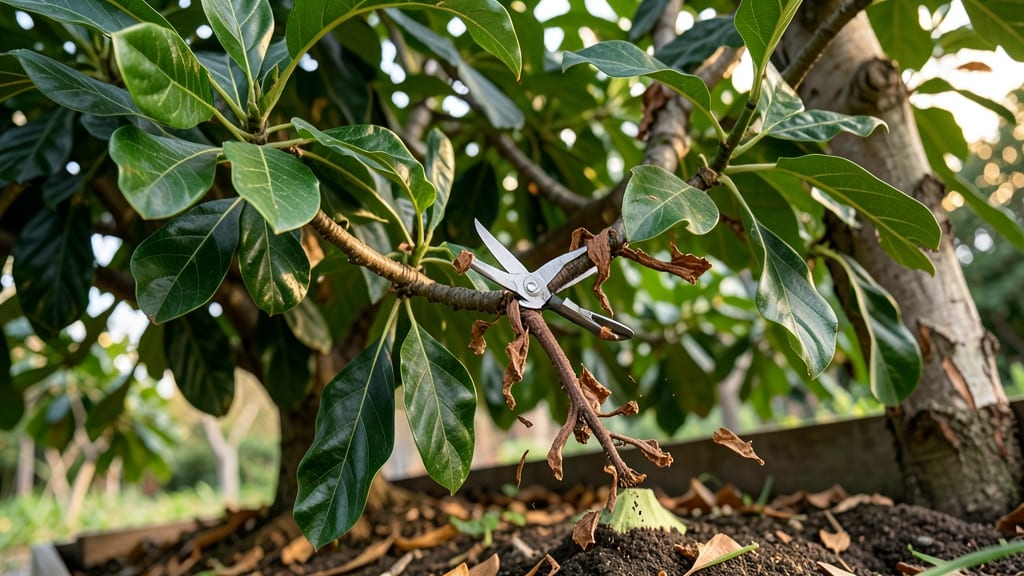
Seeing brown tips on your avocado tree leaves? This is your emergency guide to diagnosing the real problem and implementing fast fixes before your plant declines. These 10 targeted solutions address everything from overwatering to nutrient deficiencies—so you can revive your tree before it’s too late.
Overwatering Damage and Root Rot Prevention
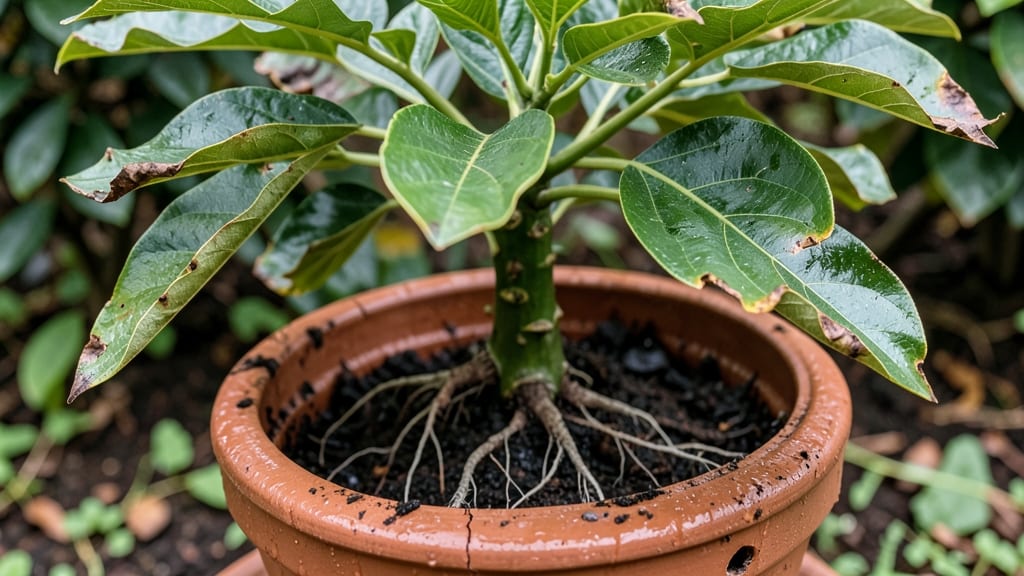
If your avocado tree’s leaves are developing brown tips despite your best efforts, overwatering is likely the culprit—and it’s more common than you think. This subtle but deadly issue often leads to root rot, which silently chokes your tree’s ability to absorb nutrients before you even notice.
Start by checking the soil: if the top 2-3 inches stay damp for more than 3-4 days, you’re overdoing it. Avocado trees prefer the soil to dry out slightly between waterings. Upgrade your pot’s drainage by adding a layer of perlite or coarse sand to the bottom, and always use containers with drainage holes. If root rot has already set in, trim away mushy, blackened roots and repot in fresh, well-draining soil to give your tree a fighting chance. 💚
Underwatering Stress and Leaf Recovery
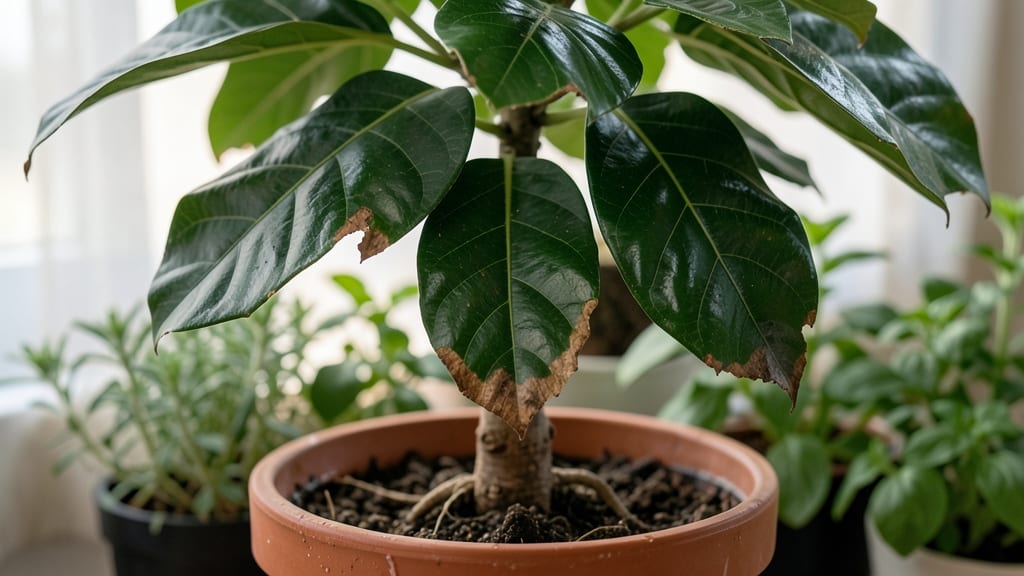
Those brittle, dry brown tips on your avocado tree aren’t just unsightly—they’re a desperate cry for water. Unlike overwatering (which causes mushy leaves), underwatering creates crispy edges because the tree can’t pull moisture from the soil fast enough to reach the leaf tips.
Start by watering deeply—stick your finger 2-3 inches into the soil. If it feels bone-dry, give your tree a slow drink until water runs from the drainage holes. Morning watering prevents evaporation, and mulching with wood chips locks in moisture. For container-grown trees, check soil moisture daily in summer heat, as pots dry out faster than ground beds.
With consistent hydration, you’ll see new growth within 2-4 weeks, and those brown edges will soften as your tree recovers. This fix is especially critical for indoor avocado trees or those in hot, dry climates where thirst is the silent killer. 💪
Chlorine and Fluoride Burn from Tap Water
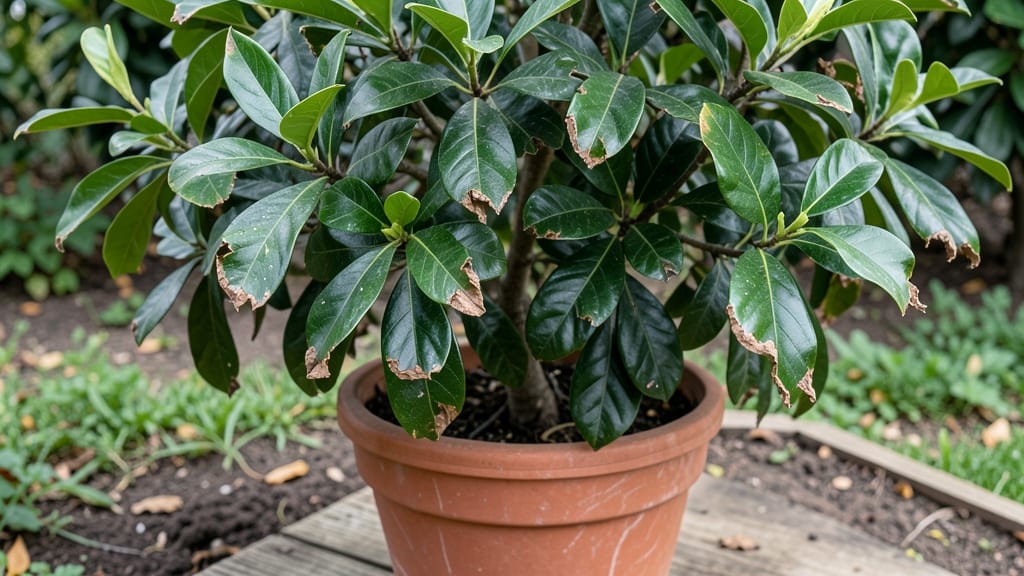
If your avocado tree’s leaves are developing crispy, brown edges despite consistent watering, chlorine and fluoride in tap water might be the culprit. These chemicals can accumulate in soil and burn leaf tissue over time, mimicking underwatering symptoms while actually causing long-term damage.
Start by letting tap water sit out for 24 hours before using it—this allows chlorine to dissipate. For faster results, install an affordable carbon filter (like a Brita) or use rainwater collected in barrels. Flush the soil with filtered water every 2-3 weeks to prevent buildup. Within 7-10 days, you should see new growth emerging with restored leaf health.
This fix is especially helpful for urban gardeners or those with hard water. Once you eliminate chemical stress, your tree’s recovery will be faster and more noticeable than with watering-related issues alone. 💡
Nitrogen Deficiency and Leaf Tip Browning
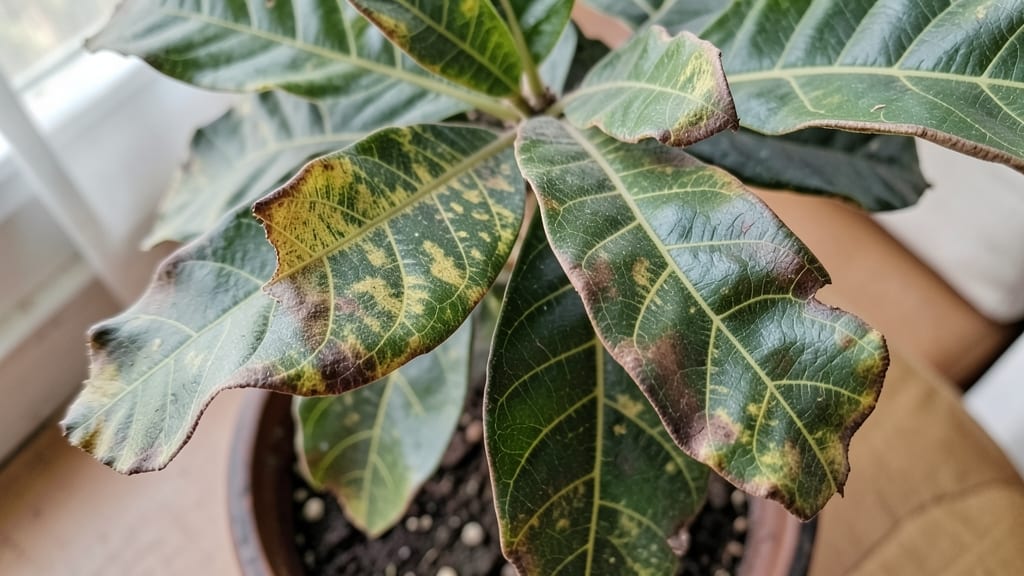
When your avocado tree’s leaves show yellowing between the veins paired with brown edges, it’s a classic sign of nitrogen deficiency—not just a watering issue. This nutrient is the building block for lush, vibrant growth, and without it, your tree struggles to produce healthy foliage, leaving you with a sad, sparse canopy.
Start by amending the soil with organic matter like composted manure, worm castings, or a balanced organic fertilizer (look for a higher first number, like 5-3-3, to indicate nitrogen). Avocados thrive with regular feeding every 4-6 weeks during growing season, but avoid synthetic fertilizers that can burn roots. For an instant boost, try a fish emulsion spray on leaves—it’s absorbed quickly and packed with nitrogen.
This fix is ideal for container-grown avocados or trees in nutrient-poor soil, where organic matter breaks down faster. With consistent feeding, you’ll see new growth within weeks and stronger resistance to other stress factors. 🌱
Potassium Deficiency and Weak Leaf Structure
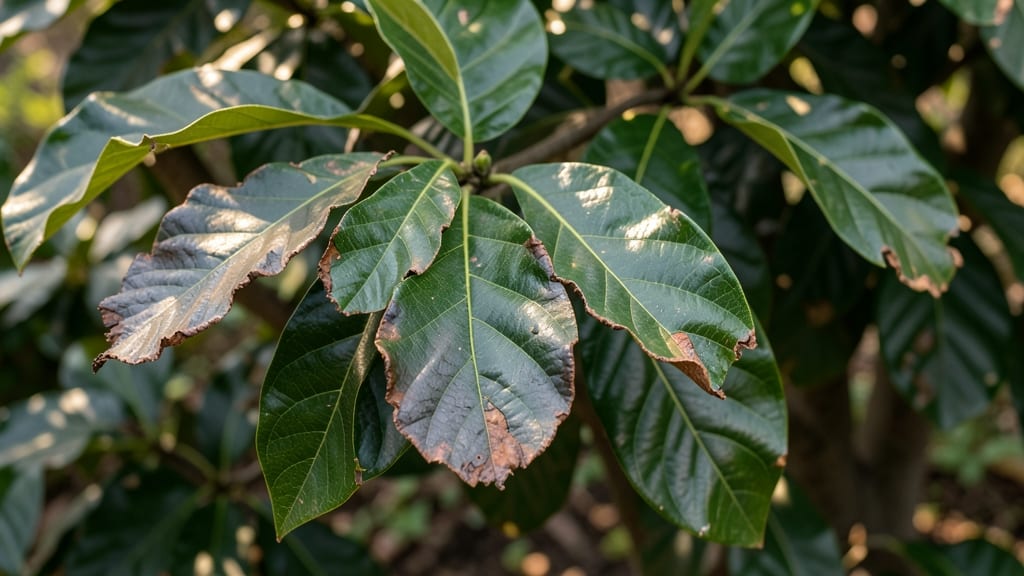
When your avocado tree’s leaves develop brown, curled tips that feel brittle to the touch, potassium deficiency may be the culprit. Unlike nitrogen issues (which show as yellowing between veins), potassium problems weaken the cell walls, causing edges to crisp and curl while the center of the leaf stays green.
Avocados need potassium to regulate water movement and maintain leaf structure, especially during fruiting seasons. Amend your soil with potassium-rich compost or banana peels (rich in potassium), and apply a balanced fertilizer (like 10-10-10) every 6–8 weeks. For quick results, use a liquid kelp fertilizer, which delivers potassium fast and strengthens roots.
This fix is ideal for container-grown avocados or trees in nutrient-poor soil. With consistent feeding, you’ll see new leaves emerge with stronger edges within weeks. 🌟
Salt Buildup from Fertilizer or Hard Water
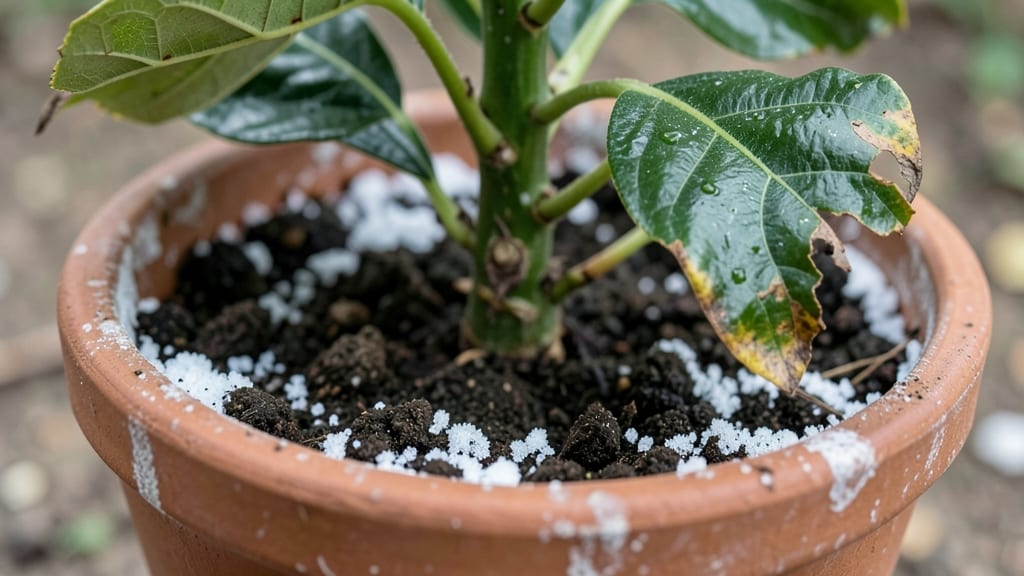
Noticed a white crust clinging to your avocado tree’s soil or brown tips creeping up the edges? Salt buildup from fertilizer or hard water is quietly poisoning your plant’s roots. Unlike other causes of brown tips, this issue starts underground—leaving your tree thirsty even when the soil looks damp.
To fix it, flush the soil with distilled or rainwater (avoid tap) to leach out excess salts. Reduce fertilizer strength by half and switch to organic options like compost tea or worm castings. Mulch with peat moss or coconut coir to improve drainage and prevent future buildup. This method works best for container-grown trees where salts accumulate faster.
Salt stress is especially common in urban gardens with hard water. Urban gardeners and beginners often overlook this hidden problem—don’t let it silently kill your tree. 💡
Pest Damage from Spider Mites or Scale
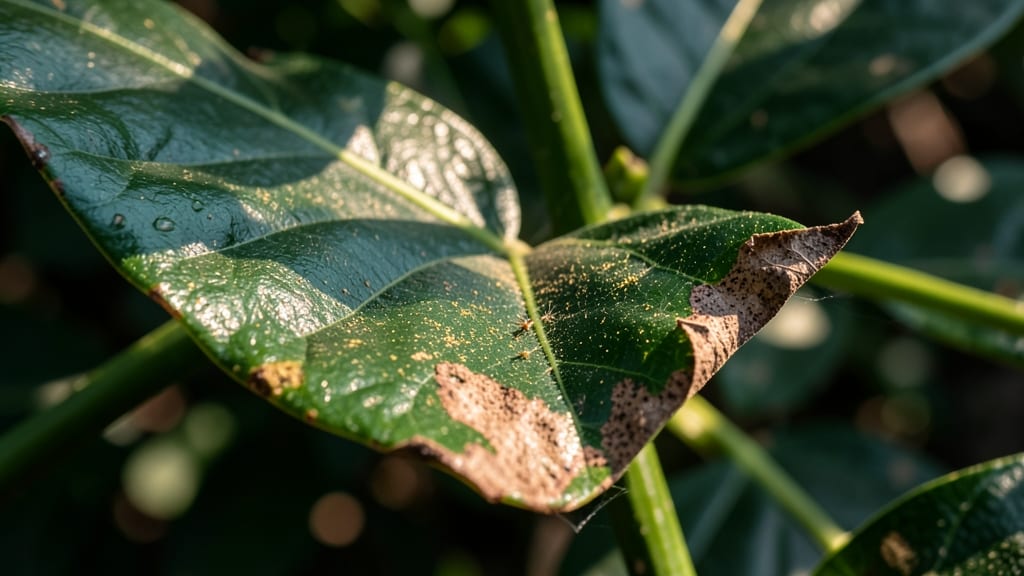
If your avocado tree’s leaves are developing brown tips that look speckled or stippled, tiny sap-sucking pests like spider mites or scale insects could be the culprits. These microscopic invaders thrive on the undersides of leaves, draining nutrients and leaving behind a trail of damage that starts as small brown spots and worsens into crispy edges.
To confirm an infestation, inspect the leaf undersides with a magnifying glass—you’ll spot tiny webs (spider mites) or brown bumps (scale). For organic control, spray leaves with a neem oil solution (1 tsp per quart of water) or insecticidal soap, repeating every 5-7 days until pests vanish. Prune heavily infested leaves and dispose of them in sealed bags to prevent spread.
Gardeners in dry, indoor environments should monitor their trees closely, as these pests love low humidity. Early action stops the spread and saves your tree from losing leaves entirely. 💚
Low Humidity and Dry Air Damage
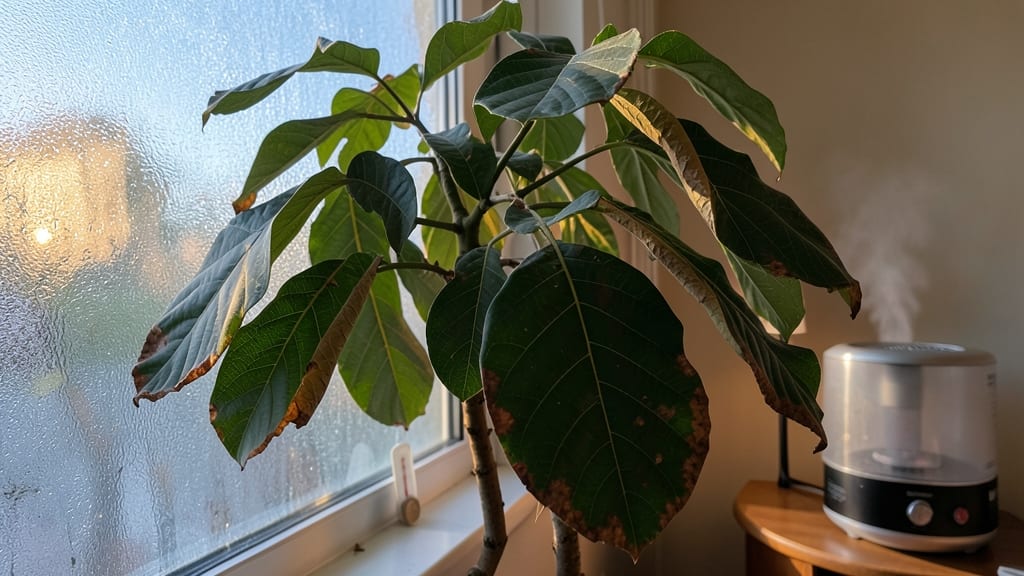
If your avocado tree develops crispy, brown edges—especially in winter—low humidity is likely the culprit. Native to tropical climates, these trees thrive in 60-80% humidity, but indoor air can drop to as low as 20% during heating season, causing leaf dehydration.
Mimic their natural environment with a humidifier near the plant (aim for 50%+ humidity) or place the pot on a tray filled with pebbles and water. Grouping plants together also creates a microclimate that retains moisture. For a budget-friendly fix, mist leaves daily with room-temperature water—avoid tap water to prevent mineral buildup.
This solution is ideal for indoor gardeners in dry climates or those with central heating. With consistent moisture, your tree’s edges will soften within weeks, and new growth will emerge healthier. 💚
Cold Drafts and Temperature Shock
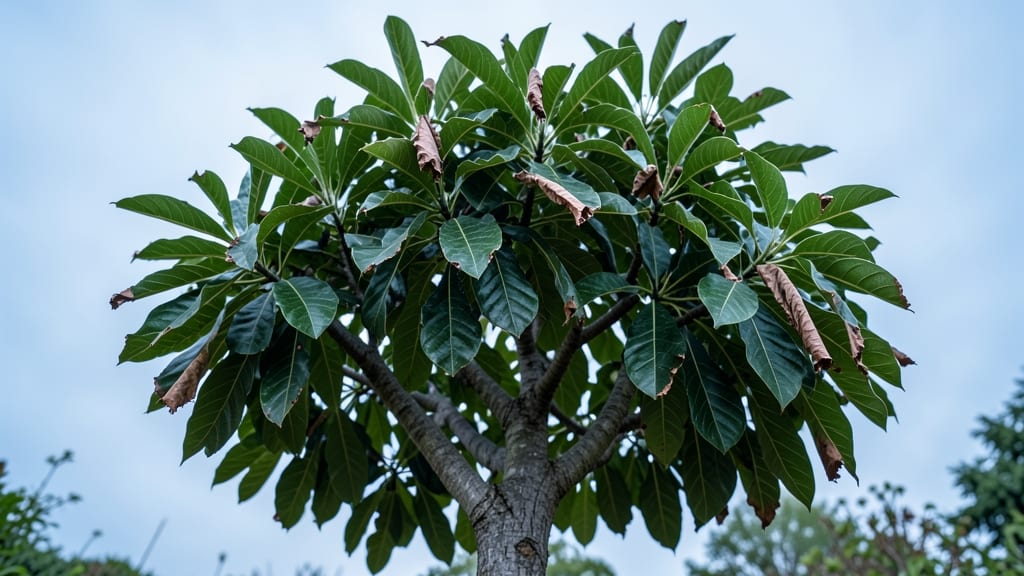
Notice your avocado tree developing sudden brown tips after a chilly breeze? Those crispy edges aren’t just cosmetic—they’re your tree’s way of saying, "I’m too cold!" Avocados thrive in warmth and can’t handle sudden temperature drops below 50°F (10°C), which causes cellular damage and leaf burn.
To protect your tree, move it away from drafty windows, doors, or AC vents—especially in winter. If you’re growing outdoors, shield it with a breathable frost cloth during cold snaps or bring potted trees indoors when nighttime temps dip. For already damaged leaves, trim them back to healthy tissue to encourage new growth, but avoid pruning more than 20% at once to prevent stress.
This issue is especially critical for indoor gardeners in heated homes with cold drafts or urban balconies exposed to wind. A simple adjustment can save your tree from irreversible damage and keep it lush year-round. 🌱
Pruning Brown Tips to Encourage New Growth

When brown tips dominate your avocado tree’s leaves, it’s time to prune—not just for looks, but to redirect energy toward new, healthy growth. Unlike other fixes that address symptoms, pruning physically removes dead tissue, preventing it from sapping nutrients from the rest of the plant.
Start by sterilizing your pruning shears with rubbing alcohol to avoid spreading disease. Cut back just above a leaf node or bud, where new growth will emerge. Focus on leaves with more than 50% browning, as these are beyond recovery. For severely damaged branches, prune back to the nearest healthy growth point. This strategic trimming encourages the tree to focus its energy on producing fresh, vibrant foliage.
This method works best for container-grown avocados or trees with localized damage. Within weeks, you’ll see new shoots pushing through, signaling your tree is reclaiming its health. It’s the final step for a full recovery! 🌱