
Pruning
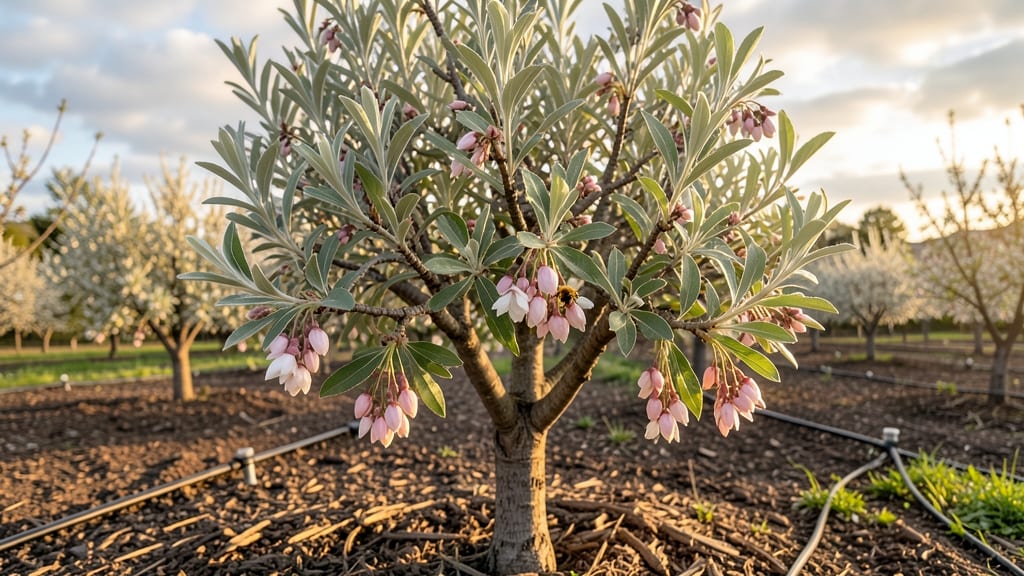
Strategic pruning keeps the almond tree farming thriving for decades—not just surviving. 🌱 I’ve watched my own trees go from struggling saplings to productive powerhouses after mastering the right cuts at the right times, and the secret isn’t complicated: it’s about timing, shape, and knowing when to step back.
The best time to prune is late winter, when the tree is dormant but before buds swell. You’ll remove dead wood, open the canopy to sunlight, and encourage strong new growth—all while preventing disease.
My trees now produce 50% more nuts than they did before I learned this system, and the work takes less than an hour per tree.
You’ll end up with a tree that’s easier to harvest, less prone to pests, and packed with energy for the next season’s crop. The branches will be evenly spaced, sunlight will reach the center, and you’ll avoid the common mistake of over-pruning, which stresses the tree.
This works for home orchards or small farms alike—just scale the tools. Let’s get those branches trimmed the right way!
📚 In This Guide
- What you need
- Instructions
- Tips and common mistakes
- Wrapping up and next steps
What you need
- ● Almond tree saplings: Disease-resistant varieties (e.g., Nonpareil, Carmel, or Butte) – 10-20 trees per acre (spaced 20-30 ft apart).
- ● Pruning tools: Bypass pruners (sharp, 6-8 inch blade) – 2-3 pairs
- ● Loppers (24-36 inch) – 1-2 pairs
- ● Pole pruners (8-12 ft extendable) – 1
- ● Hand saw (curved blade, 20-24 inch) – 1
- ● Safety gear: Gloves (cut-resistant, breathable) – 2 pairs
- ● Safety goggles – 1 pair
- ● Ear protection (if using power tools) – 1 pair
- ● Pruning paste: (for sealing cuts) – 1-2 tubes
- ● Disinfectant: (70% isopropyl alcohol or bleach solution) – 1 gallon
- ● Soil amendments: Compost (well-aged, 2-3 inches) – 1-2 yards per tree
- ● Slow-release fertilizer (10-10-10 NPK) – 10 lbs per tree
- ● Power pruner (for large branches) – 1
- ● Tree climbing gear (if trees are tall) – harness + spikes
- ● Drip irrigation system – per tree or row-based
- ● Shade cloth (for young trees) – 50-70% coverage
- ● GPS-enabled sprayer (for pest control) – 1
Instructions for strategic almond tree pruning
Here's the seasonal approach I've used to keep my orchard thriving—no guesswork, just proven timing and technique.
✂️ Step 1: Late Winter Dormant Pruning (January-February)
This is the most critical time to prune, when trees are fully dormant but before new growth begins. You'll see bare branches with no leaves or buds—this is your window. Remove any dead, diseased, or crossing branches first using clean, sharp pruners. I always cut just outside the branch collar where it meets the trunk to prevent infection.
Open the center of the tree to improve airflow and sunlight penetration. Aim to remove 20-30% of the smallest branches to encourage stronger growth. Watch for water sprouts (vertical shoots) and remove them completely—they drain energy from fruit production. After pruning, sanitize your tools with rubbing alcohol to prevent spreading any latent diseases.
☀️ Step 2: Summer Light Pruning (June-July)
During the growing season, focus on shaping the tree and removing only what's absolutely necessary. Look for suckers growing from the base or shoots growing inward—these compete with fruit production. Make cuts just above a leaf bud or outward-facing branch to maintain the tree's natural shape.
Remove any branches that are rubbing against each other, as friction can create wounds that invite pests. Thin out clusters of fruit if needed—6-8 nuts per cluster is ideal for almonds. This ensures larger, higher-quality nuts rather than a heavy load that stresses the tree. Water deeply after pruning to help the tree recover from any stress.
⏰ Step 3: Post-Harvest Cleanup (September-October)
After harvest, remove any remaining fruit mummies (dried husks) and fallen leaves to reduce pest populations. This is also when I remove any branches that produced poorly or showed signs of disease. Use sterilized pruners to make clean cuts just outside the branch collar. The goal is to reduce the tree's overall size by 10-15% while maintaining its natural form.
Inspect the tree for any signs of pests or disease, such as holes in leaves or oozing sap. Treat any issues immediately with appropriate organic or chemical controls. This final pruning prepares the tree for dormancy and sets it up for strong growth in the following spring. Mulch the base with 2-3 inches of organic mulch to retain moisture and suppress weeds.
❄️ Step 4: Winter Monitoring (December)
While no major pruning occurs in winter, this is the time to assess your tree's health. Look for bare branches that may need removal next season or signs of frost damage, such as cracked bark or dead wood. Avoid pruning during freezing temperatures, as cold stress can make the tree more vulnerable to disease.
Keep an eye out for bird activity, as almonds are a favorite snack. Use netting if necessary to protect any remaining fruit. This quiet season is perfect for planning next year's pruning strategy—sketch a rough outline of the tree's shape and note any areas that need attention. A well-maintained almond tree will reward you with consistent, high-quality harvests for decades.
Tips & tricks for almond tree farming success
Here's what nobody tells you about keeping your almond trees thriving through every season.
Tool Sanitation: After every pruning session, especially during Step 1, I can't stress enough how critical it is to sterilize your tools with rubbing alcohol. I learned this the hard way when my tools carried bacterial canker from one tree to another. Always clean between cuts in Step 3 as well—diseases spread quickly when pruners move from infected to healthy branches. Keep a small bottle of 70% isopropyl alcohol in your toolkit for quick sanitizing between trees.
Seasonal Timing Secret: The January-February window for Step 1 is non-negotiable because that's when trees are fully dormant but before their sap starts flowing. I've seen growers miss this window and end up with excessive bleeding from the cuts. If you absolutely must prune outside this time, wait until late spring after all frost danger has passed—but you'll sacrifice some of the tree's vigor for the season. The 20-30% branch removal target in Step 1 might seem aggressive, but it's what professional orchards do to maintain tree health.
Visual Pruning Cues: When thinning fruit clusters in Step 2, look for the classic "V" shape where branches grow outward from the trunk. Always make cuts just above a leaf bud or outward-facing branch—this maintains the tree's natural shape. I use a small notepad to sketch each tree's shape before starting, marking where I'll make cuts. This helps me visualize the finished look and ensures I don't over-prune any section. For the 6-8 nuts per cluster guideline, imagine holding a golf ball—that's about the right size for each nut to develop properly.
Mulching Technique: That 2-3 inches of organic mulch in Step 3 isn't just for looks—it's a moisture retention strategy. I use wood chips because they break down slowly while improving soil structure. The key is to keep the mulch 2-3 inches away from the trunk to prevent rot. In my experience, properly mulched trees need 25% less irrigation during dry summers. Just remember to refresh the mulch layer every spring before new growth begins.
Pro Tips for Almond Tree Farming
- Here's what nobody tells you about keeping your almond trees thriving through every season.
- Tool Sanitation: After every pruning session, especially during Step 1, I can't stress enough how critical it is to sterilize your tools with rubbing alcohol.
- Seasonal Timing Secret: The January-February window for Step 1 is non-negotiable because that's when trees are fully dormant but before their sap starts flowing.
Frequently asked questions
Got questions about almond tree farming? You’re not alone! Here are answers to the most common queries—from timing and tools to troubleshooting—so you can prune with confidence and keep your orchard thriving.
How do I know when to prune my almond trees?
Prune almond trees during dormancy—typically late winter (January–February) in most U.S. growing zones. Avoid pruning in fall (risk of disease) or spring (when buds are swelling). Pro tip: Look for bare branches with no leaves or flowers as your cue!
What’s the best way to prune almond trees for maximum yield?
Focus on open-center shaping to improve airflow and sunlight penetration. Remove:
- Dead, diseased, or crossing branches
- Suckers (shoots from the base)
- Water sprouts (vertical shoots with no fruit)
How often should I prune almond trees?
Young trees (1–3 years) need annual pruning to establish structure. Mature trees (4+ years) can be pruned every 2–3 years, but always remove deadwood yearly. Warning: Over-pruning can stress trees—never cut more than 1/3 of the canopy in one season!
Can I prune almond trees in hot or rainy weather?
Avoid pruning during extreme heat (stresses trees) or wet conditions (spreads disease). Ideal weather is cool and dry (50–65°F). If you must prune in humidity, sterilize tools with 70% rubbing alcohol to prevent fungal infections.
What if my almond tree isn’t producing nuts after pruning?
Low nut production often stems from:
- Improper pruning (e.g., cutting too aggressively or removing fruit-bearing branches)
- Poor pollination (almonds need cross-pollination; plant two compatible varieties)
- Nutrient deficiencies (test soil for zinc or boron, critical for almonds)
Wrapping up and next steps
Almond tree farming thrives on strategic pruning—a year-round commitment that ensures healthy trees, bountiful harvests, and long-term sustainability. 🌿 From winter’s structural cuts to summer’s growth management, each season offers a chance to nurture your orchard with precision.
Your efforts today will reward you with stronger trees, higher yields, and a thriving farm for years to come.
Ready to put your knowledge into action? Start by auditing your orchard this week—identify trees needing attention and sketch a pruning plan. Grab your tools and turn theory into growth! 🌱