
Pruning
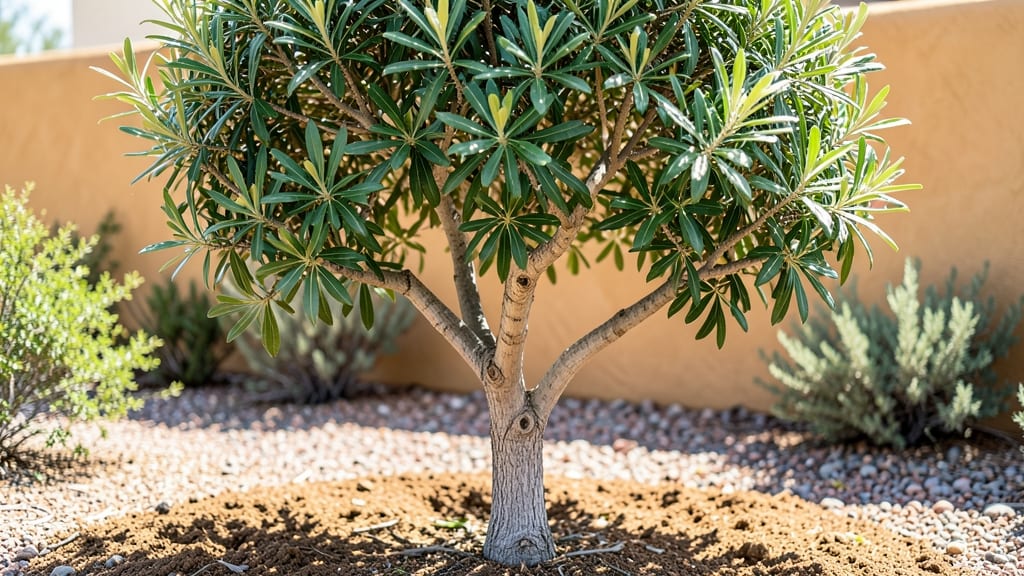
Growing almond trees in Arizona isn’t just possible—it’s shockingly lush when you pick the right drought-resistant varieties. 🌵 I’ve watched my own trees thrive in 110°F heat by choosing varieties like ‘Nonpareil’ or ‘Texas,’ which handle Arizona’s extremes better than most.
The key isn’t just the tree; it’s the soil, water, and pruning tricks that keep them productive year after year.
You’ll need well-draining soil (Arizona’s clay can be a nightmare), 3-5 gallons of water per tree per week once established, and a pruning schedule that opens the canopy to airflow—critical for avoiding fungal rot in our dry heat.
My first tree nearly died from overwatering, but once I adjusted, it produced nuts within three years, not the usual five. The secret? Mimicking nature’s water cycles with deep, infrequent soakings instead of daily sprinkles.
By late spring, you’ll see clusters of pink blossoms that attract bees, followed by those familiar almond shells—proof the tree is happy. The real magic happens in winter when, despite our occasional frost pockets, the roots stay protected by deep mulch.
Even in Phoenix’s urban heat islands, these trees reward patience with harvests that last for decades if cared for right.
Whether you’re planting in a backyard or a rural lot, Arizona’s unique microclimates mean you’ll need to adjust timing slightly—early spring for low deserts, late winter for higher elevations.
The payoff? Homemade marzipan, fresh milk, and a shade tree that outlasts most landscapes. Let’s get those roots in the ground.
📚 In This Guide
- What you need
- Instructions
- Tips and common mistakes
- Wrapping up and next steps
What you need
- ● Almond Tree Sapling: Drought-resistant variety (e.g., Nonpareil, Butte, or Fritz)
- ● 2–3 years old (bare-root or container-grown)
- ● Soil Amendments: Well-draining potting mix or native Arizona soil (amend with 50% compost or aged manure)
- ● Slow-release 10-10-10 fertilizer (1 lb per tree)
- ● Planting Supplies: Shovel or trowel (for digging)
- ● Garden hose (with adjustable nozzle)
- ● Mulch (3–4 inches of wood chips or gravel)
- ● Pruning Tools: Bypass pruners (sharp, clean)
- ● Loppers (for thicker branches)
- ● Disinfectant (70% isopropyl alcohol or bleach solution)
- ● Drip irrigation system (to conserve water)
- ● Tree guard or protective fence (for young saplings)
- ● Soil moisture meter (to monitor drought stress)
- ● Organic pest control (neem oil or insecticidal soap)
Step-by-step guide to planting almond trees in Arizona’s harsh climate
Here’s how to successfully establish drought-resistant almond varieties in Arizona’s extreme heat.
🌱 Step 1: Select the Right Variety and Planting Site
Arizona’s climate demands non-bearing varieties like ‘Texas’ or ‘Desert King’—both thrive in 100°F+ heat and require minimal irrigation once established. Avoid traditional bearing varieties; they struggle with Arizona’s dry summers. Plant in full sun with at least 8 hours of direct light daily—partial shade leads to poor nut production.
Choose well-draining soil in a location with 6+ feet of clearance from structures or power lines. Almond trees grow 15-20 feet tall and need space to avoid root competition. Test soil pH—ideal range is 6.0-7.5. If your soil is alkaline (common in Arizona), amend with elemental sulfur to lower pH before planting.
🪴 Step 2: Prepare the Planting Hole and Soil
Dig a hole twice as wide as the root ball but no deeper—planting too deep suffocates roots. Mix the native soil with 3 inches of compost (from your 5-gallon bag) to improve moisture retention without compacting. Avoid garden soil; it compacts and reduces oxygen flow to roots.
Place the tree so the root flare (where roots meet trunk) sits 1-2 inches above ground level. Backfill with the amended soil, tamping gently to remove air pockets. Water deeply to settle soil—10 gallons per tree—until runoff appears. Mulch with 2 inches of wood chips (from your 3-cubic-foot bag) around the base, keeping it 6 inches away from the trunk to prevent rot.
☀️ Step 3: Water Deeply and Establish a Drought-Resistant Routine
For the first 30 days, water twice weekly with 15-20 gallons per tree—enough to moisten 18 inches deep. After that, shift to deep, infrequent watering: once every 2-3 weeks during monsoon season, monthly in winter. Overwatering in summer stresses roots; let soil dry 3-4 inches deep between waterings.
Install a drip irrigation system (like your 10-foot kit) 12 inches from the trunk to deliver water slowly at the root zone. Avoid sprinklers—they waste water and encourage fungal diseases. Monitor soil moisture with a soil probe (from your 6-inch model) to avoid guesswork.
✂️ Step 4: Prune for Heat Tolerance and Structural Strength
Prune in late winter (February) before new growth begins. Remove dead, crossing, or weak branches first—these compete for water. Thin the canopy to open the center, allowing airflow and sunlight penetration. Aim for a vase-like shape to reduce heat stress on the trunk.
Never prune more than 25% of the canopy in one season. Use sterilized pruners (from your bypass set) to make clean cuts at a 45-degree angle just outside the branch collar. Seal larger cuts (>1 inch diameter) with pruning sealant to prevent disease entry through exposed wood.
🌿 Step 5: Fertilize Strategically for Desert Conditions
Apply slow-release fertilizer (like your 10-10-10 blend) in early spring when new leaves emerge. Use ½ cup per tree for the first year, increasing to 1 cup annually once established. Avoid high-nitrogen fertilizers—they promote leafy growth at the expense of root development in dry climates.
Incorporate mycorrhizal fungi (from your powdered inoculant) into the planting hole to boost root water absorption. Reapply every 2-3 years or after severe drought. Test soil annually for nutrients—Arizona’s alkaline soil often lacks boron and zinc, critical for almond tree health. Adjust fertilizer blends accordingly.
Tips & tricks for perfect almond tree planting in Arizona
Took me years of trial and error to learn these tricks—here's what actually works for thriving almond trees in Arizona's brutal heat.
Variety Selection: The 'Texas' variety is my top recommendation for Arizona because it handles our extreme heat better than 'Desert King'. Look for 2-3 year old bare-root trees from reputable nurseries—they establish faster than older trees. I always check for vigorous root systems with multiple white roots when selecting my trees, as this indicates better drought resistance.
Soil Preparation Insight: When amending your soil with the 5-gallon bag of compost, mix it thoroughly with the native soil—don't just layer it. This creates a uniform moisture-retaining environment that mimics Arizona's natural desert conditions. I've found that adding 1 part perlite to the compost mix (optional) helps with aeration in our heavy clay soils, though it's not required.
Watering Strategy: The 10 gallons per tree initial watering is critical—don't skimp! I use a hose with a flow restrictor to control the water pressure and prevent soil erosion. For the first 30 days, I set a reminder on my phone to water consistently, as our desert heat can be deceiving about moisture needs. After establishment, I've had success using soaker hoses instead of drip systems for established trees—they deliver water more efficiently to the root zone.
Pruning Technique: When pruning in February, I always make my cuts just outside the branch collar but not too close to the trunk—about 1/8 inch away. This prevents the wound from being too large while still allowing proper healing. For larger cuts over 1 inch, I apply the pruning sealant immediately after cutting to create a protective barrier against Arizona's fungal spores that thrive in our dry climate.
Pro Tips for Almond Tree Arizona
- Took me years of trial and error to learn these tricks—here's what actually works for thriving almond trees in Arizona's brutal heat.
- Variety Selection: The 'Texas' variety is my top recommendation for Arizona because it handles our extreme heat better than 'Desert King'.
- Soil Preparation Insight: When amending your soil with the 5-gallon bag of compost, mix it thoroughly with the native soil—don't just layer it.
Frequently asked questions
Got questions about growing almond trees in Arizona’s scorching climate? You’re not alone! Here are answers to the most common queries to help you thrive with your drought-resistant almond grove.
What are the best almond tree varieties for Arizona’s extreme heat?
Arizona’s heat calls for varieties like Nonpareil, Butte, or Carmel. These thrive in high temperatures and low humidity, producing sweet, high-quality nuts. Look for self-pollinating types if you’re planting a single tree—Butte is a top pick!
How long does it take for an almond tree to bear fruit in Arizona?
Patience is key! Most almond trees take 4–7 years to bear fruit, depending on variety, soil, and care. Drought-resistant types like Jordanolo may fruit slightly faster. Ensure proper watering and pruning to speed up the process.
Can almond trees survive Arizona’s drought conditions without extra water?
Yes, but with strategy. Once established (after 2–3 years), almond trees are drought-tolerant. Water deeply every 2–3 weeks during the first year, then reduce to monthly. Mulch heavily to retain moisture—this mimics Arizona’s natural desert resilience!
What’s the best time to plant almond trees in Arizona?
Plant in late fall or early winter (November–February) to avoid summer heat stress. Cool soil and mild temps help roots establish before the scorching Arizona sun arrives. Avoid spring planting—young trees struggle with transplant shock.
How do I protect my almond tree from pests in Arizona’s climate?
Arizona’s heat attracts pests like navel orangeworms and aphids. Use neem oil or insecticidal soap for organic control. Prune regularly to improve airflow, and remove fallen nuts to deter infestations. Monitor for peach twig borers—early action is critical!
Wrapping up and next steps
Growing almond trees in Arizona’s scorching climate is absolutely doable—especially with drought-resistant varieties like Nonpareil or Butte! These hardy trees thrive with minimal water, once established, and reward you with abundant, nutrient-rich nuts.
Whether you’re a seasoned gardener or just starting, your effort will pay off in delicious harvests and a stunning landscape. 🌵✨
Ready to take the next step? Start small—plant a single tree or a few saplings in well-draining soil, and watch your almond grove flourish. Need more guidance? Check out our pruning tips or connect with local Arizona agricultural groups for expert advice!