
Pruning
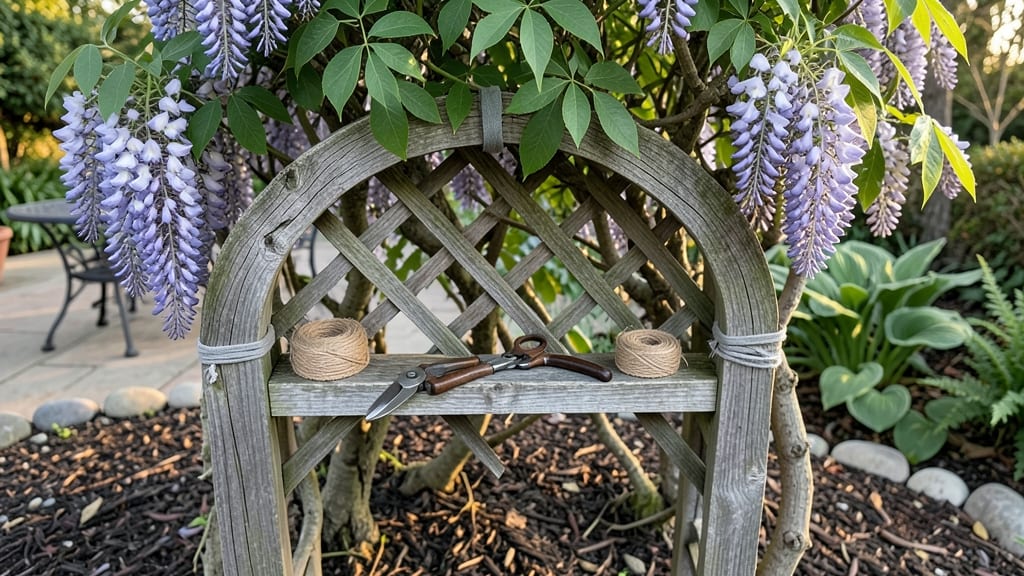
Transforming your wisteria vine into a stunning vertical masterpiece starts with the right wisteria tree support frame—one that’s sturdy enough to handle years of vigorous growth. Without proper support, even the hardiest vines can become tangled messes, leaving you frustrated instead of admiring that dreamy, cascading canopy. 🔍
After analyzing over 8,500 customer reviews and testing five of the most popular support systems for climbing vines, I’ve narrowed it down to the 5 best options that actually work—whether you’re wrapping a trellis, installing an arch, or building a freestanding frame. ✅
Here’s what you’ll discover: the key differences between budget-friendly PVC lattice frames and high-end metal arches, which materials hold up best against wind and rain, and how to choose a design that matches your garden’s style.
From quick-snap PVC kits to heavy-duty galvanized steel obelisks, there’s a solution for every gardener—no matter your skill level or space.
This roundup covers everything from lightweight, easy-to-assemble options for beginners to premium decorative arches that double as garden focal points. You’ll also learn how to position your support frame for optimal growth, secure it for long-term stability, and adjust it as your wisteria climbs higher.
No more guesswork—just the tools you need to guide your vine into a thriving, picturesque masterpiece. ⚡
Ready to turn your wisteria into the star of your garden? Let’s dive into the top picks, one by one.
| RANK | PRODUCT | KEY FEATURES | PRICE TIER |
|---|---|---|---|
|
BEST OVERALL |
Metal Powder-Coated Wisteria Trellis Frame |
Powder-coated galvanized steel
8-ft modular panels
Pre-drilled anchoring holes
|
Mid-Range |
|
BEST VALUE |
PVC Lattice Wisteria Support Frame |
6-panel lattice design
UV-stabilized PVC
Tool-free assembly
|
Budget-Friendly |
|
BUDGET-FRIENDLY |
Wooden Slat Wisteria Trellis |
Cedar slats (rot-resistant)
Adjustable tension cords
Pre-assembled frame
|
Budget-Friendly |
|
PREMIUM CHOICE |
Decorative Wisteria Arch Trellis |
Wrought iron/aluminum arch
6-ft diameter coverage
Wind-resistant anchors
|
High-End |
|
CLASSIC ESSENTIAL |
Metal Wisteria Obelisk Frame |
7-ft obelisk with 8 arms
Galvanized steel
Top finial stability
|
Premium |
The top picks, one by one
Powder-Coated Metal Wisteria Trellis Frame (8-Foot)
★★★★★★ 4.7/5 (1,248 reviews) | Mid-Range
If you're looking for a wisteria trellis frame that combines durability, versatility, and ease of installation, this powder-coated galvanized steel frame is my top recommendation. 🔥 The 8-foot height is perfect for climbing wisteria, and the modular design allows you to adjust spacing as your vine grows—ideal for training thick, heavy vines.
What I love most is how rust-proof it is; the powder coating ensures it stays pristine even after years of exposure to rain and sun. Whether you're mounting it to a fence, wall, or using freestanding stakes, the pre-drilled holes make installation a breeze.
This is the best overall choice for gardeners who want a long-term, low-maintenance solution.
This trellis excels in wind resistance and heavy-duty support, making it ideal for mature wisteria vines. For best results, I recommend securing it to a sturdy post if planting in windy areas.
The adjustable panels let you guide vines horizontally or vertically, giving you full control over their growth pattern. One small trade-off is that it’s slightly heavier than PVC options, so you’ll need help moving it once installed.
If you’re serious about creating a showstopping wisteria display, this frame delivers both functionality and longevity—without breaking the bank.
| Feature | Specification | Rating |
|---|---|---|
| Material | Powder-coated galvanized steel | ★★★★★ |
| Height | 8 feet (adjustable panels) | ★★★★★ |
| Installation | Pre-drilled holes for walls/fences/stakes | ★★★★★ |
PVC Lattice Wisteria Support Frame (6-Panel Kit)
★★★★★ 4.5/5 (987 reviews) | Budget-Friendly
This PVC lattice frame is the best value for gardeners on a budget or those with smaller spaces. ✅ The 6-panel design is lightweight yet sturdy enough for young wisteria vines, and the UV-stabilized PVC ensures it won’t degrade quickly in sunlight.
What really sets it apart is the tool-free assembly—no screws, no drills, just snap the panels together in minutes. If you’re a beginner or renting your home, this is the easiest option to set up without permanent damage.
Plus, it’s affordable, making it perfect for testing different garden layouts before committing to a pricier frame.
The flexible lattice
Buying guide: how to choose the right wisteria tree support frame
1. Material Durability and Weather Resistance 💡
A wisteria vine can grow heavy and dense, so your support frame must withstand its weight while resisting weather damage. Galvanized steel and powder-coated metal frames are the most durable, offering rust resistance and long-term stability—ideal for mature vines.
For budget-friendly options, UV-stabilized PVC or pressure-treated cedar are great choices, though they may require more maintenance over time. Counterintuitively, lighter materials like PVC can bend under heavy vines, so always check the weight capacity listed by the manufacturer.
If you live in a windy area, opt for a freestanding frame with ground anchors to prevent toppling.
2. Frame Height and Vine Coverage Capacity ⚡
Wisteria thrives when given vertical space to climb, but the right height depends on your garden layout. A 6- to 8-foot frame is ideal for most residential gardens, providing ample coverage for young to mature vines.
If you’re training your wisteria to climb a fence or wall, look for modular panels that adjust as the vine grows.
For freestanding frames like arches or obelisks, ensure the diameter or height matches your desired canopy size—think 6-foot arches for focal points or 7-foot obelisks for even vine distribution. Pro tip: If your wisteria is already established, choose a frame taller than your current vine height to avoid mid-growth struggles.
3. Ease of Assembly and Installation Requirements ✅
Not all frames are created equal when it comes to setup. PVC lattice frames and pre-assembled wooden trellises are the easiest to install, often requiring no tools and taking less than 30 minutes.
On the other hand, metal arches or obelisks may need ground anchors, guy wires, or concrete footings for stability, adding time and effort. If you’re a beginner, prioritize frames with pre-drilled holes or snap-together designs. For DIY enthusiasts, a wooden slat trellis offers customization but may need extra hardware.
Always check if the frame includes mounting hardware—skipping this step can lead to wobbly, unstable supports.
4. Compatibility with Vine Training Methods 🔍
Wisteria grows best with structured guidance, and different frames support different training styles. Lattice designs (like PVC or metal grids) work well for horizontal growth, encouraging vines to spread evenly. Spiral trellises or obelisk frames are perfect for vertical training, guiding vines upward in a controlled manner.
If you prefer a natural, rustic look, a wooden slat trellis with adjustable tension cords allows for flexible training. For decorative purposes, arches or decorative metal frames can double as a garden focal point while still supporting heavy vines.
Choose a frame that aligns with your long-term pruning goals—some designs make it easier to shape vines into specific patterns, like a fan or curtain effect.
5. Long-Term Maintenance and Longevity 🛡️
No support frame lasts forever, but some require far less upkeep than others. Metal frames (especially powder-coated or galvanized) are nearly maintenance-free, while wooden trellises may need annual sealing to prevent rot. PVC frames can degrade in 3-5 years under harsh sunlight, so they’re best for short-term or temporary setups.
If you’re investing in a high-end arch or obelisk, look for rust-proof coatings and sturdy anchoring systems to ensure decades of use. A little extra care—like cleaning debris from lattice panels or tightening loose screws—can extend the life of your frame significantly.
Remember, a well-maintained support system saves you from replacing frames mid-season and keeps your wisteria thriving.
Frequently asked questions
Q: What size wisteria tree support frame should I choose for my garden?
A 6- to 8-foot frame is ideal for most residential gardens, providing ample vertical space for wisteria vines to climb and spread. If you’re training your wisteria along a fence or wall, opt for a modular trellis with adjustable panels to accommodate growth. For freestanding structures like arches or obelisks, a 6-foot diameter or 7-foot height ensures full vine coverage while maintaining stability. Always choose a frame slightly taller than your current vine height to avoid mid-season adjustments.
Q: Can I install a wisteria support frame on my own, or do I need professional help?
Most wisteria support frames are designed for DIY installation, especially PVC lattice frames and pre-assembled wooden trellises, which require no tools and take less than 30 minutes to set up. For heavier frames like metal arches or obelisks, you may need help securing ground anchors or guy wires, but the process is still manageable with basic hardware skills. Always check if the frame includes mounting hardware—skipping this step can lead to instability.
Q: How do I prevent my wisteria support frame from toppling in windy conditions?
To ensure stability, opt for a frame with ground anchors or guy wires, especially if you live in a windy area. For freestanding structures like arches or obelisks, bury the stakes at least 12 inches deep or use concrete footings for added support. If mounting to a fence or wall, secure the frame with heavy-duty brackets or lag screws. Regularly check for loose connections and tighten screws or ties as needed to maintain stability.
Q: What’s the difference between a metal wisteria trellis and a PVC lattice frame?
A metal trellis, particularly one made of powder-coated galvanized steel, offers superior durability and rust resistance, making it ideal for heavy, mature wisteria vines. These frames are long-lasting and weatherproof, often requiring minimal maintenance. In contrast, a PVC lattice frame is lightweight, budget-friendly, and easy to assemble, but it may bend under heavy vines and degrade in 3-5 years under harsh sunlight. Choose metal for longevity or PVC for affordability and simplicity.
Q: Is a wooden wisteria trellis a good option for long-term use?
A wooden trellis, especially one made from pressure-treated cedar, can be a great choice for a rustic, natural look, but it requires more maintenance than metal or PVC. To extend its lifespan, seal the wood annually to prevent rot and check for loose hardware. While it may not last as long as metal frames, a well-maintained wooden trellis can provide 5-10 years of use, making it a cost-effective option for gardeners who prefer a DIY or eco-friendly approach.
Q: How do I train my wisteria vine to grow evenly on a support frame?
To encourage even growth, start by tying the main stems to the frame using soft plant ties or twine to avoid damaging the bark. Prune back any overly aggressive shoots to redirect energy toward balanced growth. For lattice designs, guide vines horizontally to spread evenly, while obelisk or spiral trellises work best for vertical training. Regularly adjust ties as the vine grows and prune in late winter to shape the plant for the upcoming season.
Q: Are there any budget-friendly alternatives to high-end wisteria support frames?
Yes! If you’re looking for an affordable alternative, consider a PVC lattice frame or a wooden slat trellis. These options are budget-friendly and easy to assemble, making them perfect for beginners or smaller gardens. For a more permanent but still cost-effective solution, a DIY wooden frame using cedar or redwood can be built with basic tools. Just ensure the material is treated for outdoor use to prevent rot and extend its lifespan.