
Pruning
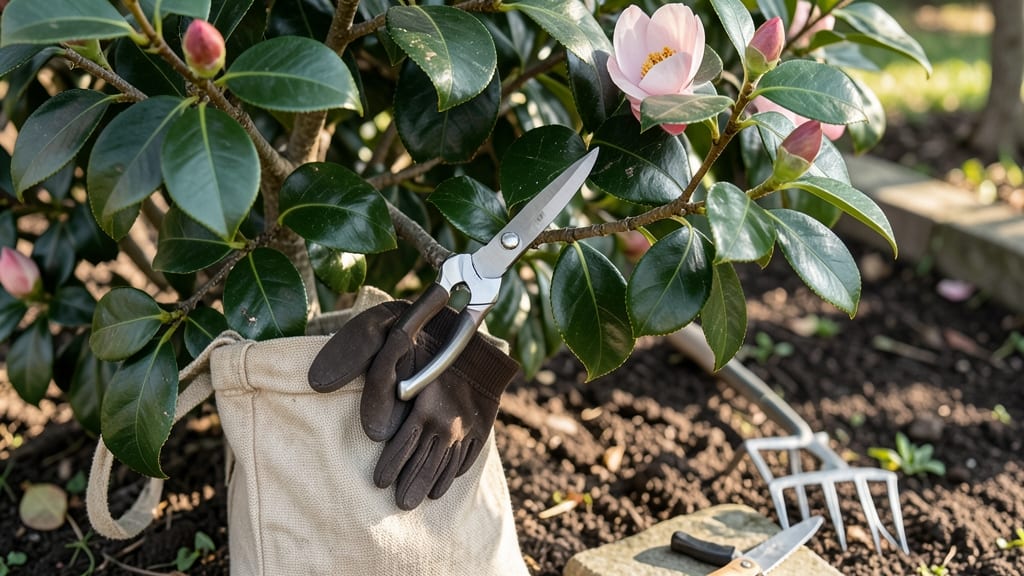
Camellia tree pruning requires strategic timing and technique: trim only dead or crossing branches in late spring after flowering, avoid heavy cuts, and always use sharp, sterilized tools to prevent disease while promoting vibrant blooms and better air circulation.
Timing is everything with camellias—pruning too early disrupts their blooming cycle, while waiting too long can stress the plant. 🌸 The ideal window is after the last flowers fade in late spring, when the tree has already set buds for next year.
I've found that selective cuts (never more than 25% of the foliage) encourage stronger growth and prevent disease by removing weak branches where pathogens might hide.
Your tools matter just as much as your timing. Always sterilize pruners with rubbing alcohol between cuts to prevent bacterial spread, and choose sharp bypass pruners for clean cuts that heal faster. For thicker branches, a lopper with a long handle gives better leverage without damaging the main trunk.
The key is to work efficiently—camellias are resilient but hate prolonged stress, so keep each cut precise and purposeful.
💡 In This Article
- When and Why to Prune Camellia Trees
- Essential Tools and Techniques for Camellia Pruning
When and why to prune camellia trees
Camellias bloom on old wood, meaning their flower buds form on branches from the previous year. This makes timing critical—pruning too early can remove next year's blooms before they set. The ideal window is late spring (May-June), after all flowers have faded but before new growth hardens.
This timing aligns with the tree's natural growth cycle, allowing it to recover before winter dormancy. 🌿 For example, a Camellia japonica that blooms in February will have finished flowering by April, making May the perfect month to prune.
The hormonal response in camellias is fascinating: when you make clean cuts, the plant redirects energy from weak or crossing branches to stronger growth.
This is why you should never remove more than 25% of the foliage in one session—excessive pruning triggers stress hormones like ethylene, which can stunt flower production. Think of it like giving your tree a haircut: you want to shape it, not shave it.
The goal is to improve airflow (reducing fungal diseases like petal blight) while maintaining the tree's natural silhouette.
Winter pruning is a common mistake because it removes the protective buds that will bloom in spring. However, if you must prune in winter (like after a storm), limit cuts to dead, broken, or diseased branches only.
The tree's energy is focused on survival during dormancy, so any unnecessary cuts will delay spring recovery. Pro tip: Mark your calendar for late May—this is when most camellia varieties are ready for their annual shaping.
The slight delay after flowering ensures the buds for next season are already formed and safe.
Seasonal variations matter too. In warmer climates (USDA zones 8-10), camellias may bloom year-round, so prune after each flush of flowers. In colder zones (7 or below), wait until after the last frost but before new shoots emerge.
The rule of thumb is to prune when the tree looks relaxed after blooming—not stressed or overcrowded. You'll know you've timed it right when you see fresh, vibrant growth within 4-6 weeks of pruning.
What most gardeners overlook is the angle of the cut. Always prune just above a leaf node at a 45-degree angle to prevent water from pooling and rotting the wound. Avoid leaving stubs—they invite pests and disease.
For thicker branches, use a three-cut method: first undercut, then top-cut, and finally remove the branch. This technique prevents tearing the bark, which can leave the tree vulnerable to infections like anthracnose. The result? Faster healing and a healthier tree for years to come. ✨
Finally, consider the light exposure after pruning. Camellias thrive in partial shade, but removing too many branches can expose the center to harsh sunlight, causing leaf scorch. Aim to open up the canopy gradually—never strip the interior.
If your tree is in a sunny location, prioritize pruning the outer branches first to protect the delicate inner foliage. This balance is what turns a good pruning session into a great one for your camellia.