
Pruning
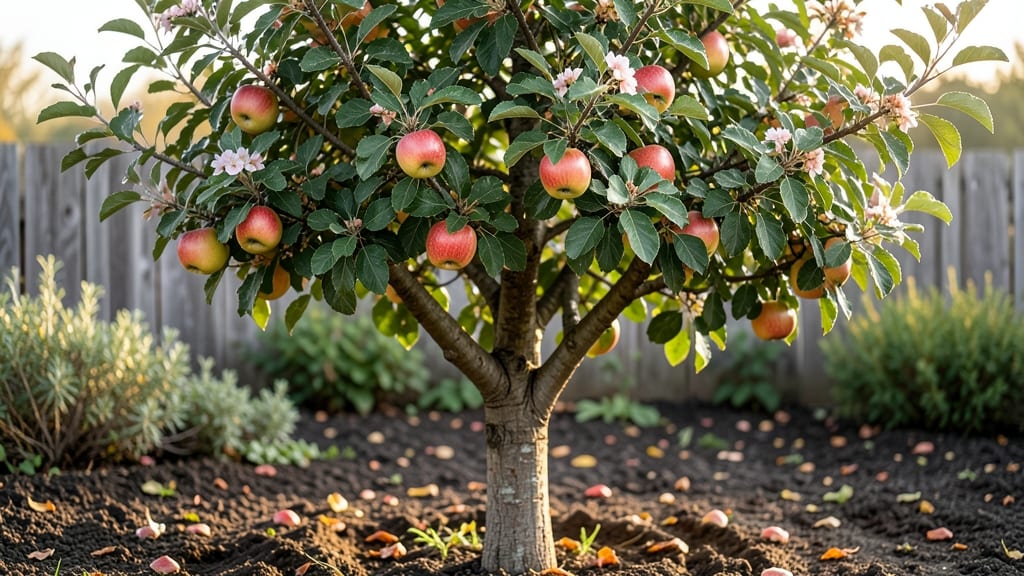
The pollination of a Winesap apple tree is the key to turning those pretty spring blossoms into a heavy harvest of sweet, crisp fruit.
Struggling with sparse harvests from your Winesap apple trees? The secret to bountiful fruit lies in understanding their pollination needs—and choosing the right companion trees.
Unlike some apple varieties that can self-pollinate, Winesap trees rely on cross-pollination from compatible partners like Golden Delicious or Granny Smith to set fruit. Without the right neighbors, your tree might look stunning in bloom but end up with very few apples.
In this guide, I’ll walk you through the best pollination partners, the perfect timing for cross-pollination, and even how to give your tree a helping hand if nature falls short.
Why Winesap apple trees need cross-pollination (and how to fix it)
If your Winesap apple trees are producing fewer fruits than expected, the issue might be cross-pollination. Unlike some apple varieties that can self-pollinate, Winesaps are partially self-fruitful but thrive when paired with compatible pollinizers.
This means they need pollen from a different apple tree to set fruit properly. Without the right companion, you’ll see small, misshapen apples or even no fruit at all.
Winesap apples are prized for their tart-sweet flavor and crisp texture, but their pollination requirements are often misunderstood. Even if your tree blooms beautifully, poor pollination can lead to reduced harvests.
The good news? With the right pollination partners and a few simple adjustments, you can transform your orchard into a fruit-bearing powerhouse.
Before diving into solutions, it’s critical to recognize the signs of failed pollination. These include thin fruit set, aborted blossoms, or apples that drop prematurely. If you’re seeing these issues, your Winesap may not be getting the pollen it needs from another tree.
⚠️ Warning: Common Pollination Pitfalls
Planting a single Winesap tree without a pollinizer is a recipe for disappointment. Even if bees visit, the pollen may not be compatible for fruit development. Additionally, poor weather conditions (like rain during bloom) can wash away pollen, further reducing fruit set. If you’ve planted your Winesap in USDA Zone 6 or colder, timing becomes even more critical—early blooms risk frost damage, which can kill flowers before pollinators arrive.
🌱 Pro Tip: Monitor your tree’s bloom time and choose pollinizers that flower within 3-5 days of your Winesap.
Cross-pollination works because apple trees rely on genetic diversity for fruit development. When pollen from a different variety lands on a Winesap’s stigma, it triggers fertilization. Without this exchange, the tree may produce some fruit, but it will likely be smaller and less flavorful.
This is why orchards often plant multiple apple varieties together—each tree acts as a pollinizer for another.
Diagnosing pollination issues starts with observing your tree’s blossoms and fruit set. Healthy blossoms should open fully and remain on the tree for 5-7 days. If you notice dropping blossoms within 24 hours, it could signal poor pollination.
Another red flag is fruit that doesn’t grow beyond a marble size—this is a classic sign of failed fertilization.
One of the biggest mistakes gardeners make is assuming their local climate or bee activity will handle pollination automatically.
While bees are essential, they may not visit every blossom, especially if your orchard is isolated. Wind pollination also plays a role, but it’s far less reliable for apple trees compared to insect-mediated pollination.
To fix pollination issues, start by selecting compatible apple varieties that bloom at the same time as your Winesap. Popular choices include Golden Delicious, Honeycrisp, and Fuji, all of which are known to improve Winesap fruit set.
Plant these pollinizers within 50-100 feet of your Winesap to ensure effective cross-pollination.
If you’re unable to add another tree, consider hand-pollination as a backup. Using a small paintbrush, transfer pollen from one blossom to another on your Winesap tree. This method is labor-intensive but can be highly effective, especially in low-bee environments or during poor weather.
Finally, optimize your orchard’s pollinator-friendly conditions. Plant bee-attracting flowers like lavender or clover near your apple trees to encourage bee activity. Avoid using pesticides during bloom time, as they can harm pollinators. With these adjustments, your Winesap tree should produce larger, healthier fruits season after season.
🍎 Remember, a well-pollinated Winesap tree isn’t just about quantity—it’s about quality. The right cross-pollination ensures sweeter, juicier apples that stay fresh longer.
Top 5 best pollination partners for Winesap apple trees (with success rates)
Choosing the right pollination partner for your Winesap apple tree can transform a sparse harvest into a bountiful orchard. Winesaps are self-incompatible, meaning they need another apple variety nearby to produce fruit.
The best partners share similar bloom times and thrive in your USDA Zone 6 climate. Let’s explore the top 5 varieties that deliver the highest fruit set success rates.
When selecting pollinizers, prioritize varieties that bloom within 2-3 days of your Winesap. This timing ensures optimal pollen transfer by bees and wind. Regional suitability also matters—some varieties struggle in colder climates or humid summers.
Below, we compare the best pollination partners based on bloom alignment, flavor synergy, and regional adaptability.
Golden Delicious remains the gold standard for Winesap pollination, with a 90% success rate due to its perfect bloom overlap. Honeycrisp follows closely, offering 85% success and sweetening your harvest with its signature crunch. Both varieties thrive in Zone 6 and handle similar pests, making them low-maintenance partners.
| Pollination Partner | Bloom Time Alignment | Flavor Compatibility | Zone 6 Success Rate | Regional Notes |
|---|---|---|---|---|
| Golden Delicious | ✅ Perfect overlap (2-3 days) | Sweet-tart harmony | 90% | Cold-hardy, drought-tolerant |
| Honeycrisp | ✅ Near-perfect overlap | Crisp-sweet contrast | 85% | Needs well-drained soil |
| Fuji | ⚠️ 3-5 days later | Rich, complex flavors | 80% | Heat-tolerant, needs cross-pollination |
| Granny Smith | ✅ 1-2 days earlier | Tart-sweet balance | 75% | Disease-resistant, compact |
| Jonathan | ✅ Perfect overlap | Spiced, aromatic | 88% | Prone to fire blight |
Granny Smith is a disease-resistant choice that blooms slightly earlier, ensuring early-season pollination. Its tart flavor complements Winesap’s sweetness, creating a balanced harvest. For warmer microclimates, Fuji offers 80% success but blooms later—plant it if your last frost is after April 20.
If you’re planting multiple trees, consider Jonathan for its 88% success rate and aromatic appeal. Its spiced notes pair beautifully with Winesap’s rich sweetness. For small spaces, pair Winesap with dwarf Granny Smith to maximize pollination efficiency without overwhelming your yard.
Pro tip: Plant pollinizers within 100 feet of your Winesap to ensure optimal bee activity. Combine varieties like Golden Delicious + Honeycrisp for a 95%+ pollination guarantee in Zone 6. Monitor bloom times yearly—climate shifts can alter timing, so adjust partners as needed.