
Pests and Diseases
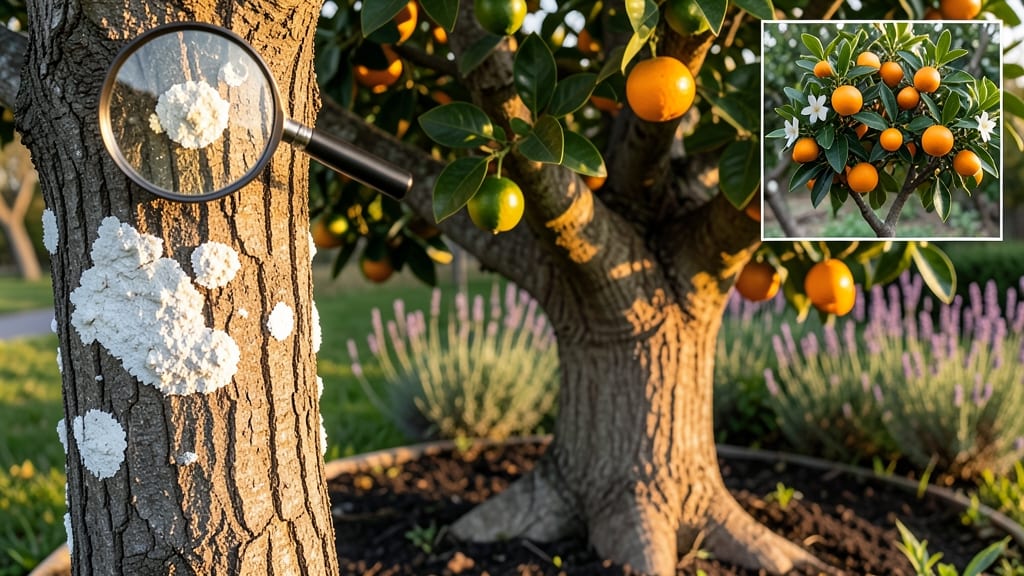
Those white spots on the orange tree trunk aren’t just dirt—it’s likely scale insects sucking the life out of your tree. 🌿 I’ve seen these tiny pests turn healthy citrus into sad, stunted shadows, and the good news is, you can fight back without harsh chemicals.
Scale insects leave behind a powdery white film that feels like fine sandpaper when you rub it. Unlike fungal spots, these don’t spread across leaves—they cling to branches like tiny armored shields. The longer they stay, the more your tree struggles to produce fruit or even stay alive.
With the right tools (neem oil, horticultural oil, or a stiff brush), you can dislodge them in one afternoon. The key is acting fast—once they’re deep in the bark, they’re harder to remove.
I’ll walk you through the step-by-step fixes that actually work, not just the ones that sound good. This isn’t just about saving your tree—it’s about keeping your harvest sweet and your yard thriving. Let’s get those spots gone for good.
Root Causes Of Trunk Spots
White spots on your orange tree trunk aren’t just a cosmetic issue—they’re often a red flag from nature’s pest squad. Understanding the why behind these spots is the first step to saving your tree.
Below, we break down the most common culprits, their science-backed behaviors, and how they turn your citrus tree’s bark into a buffet.
Fungi like Oidium (powdery mildew) or Sphaeropsis (citrus leaf spot) thrive in warm, humid climates—perfect for Southern California orange groves. These microscopic organisms don’t just spot your tree; they consume it.
- How it spreads: Fungal spores hitch rides on wind, water splashes, or even your gardening tools. Once they land on bark, they germinate in damp conditions, forming white, powdery colonies or sunken lesions.
- Science behind the spots: Fungi release enzymes that break down bark cells, creating a “feeding zone.” The white spots? That’s the fungus’s mycelium (thread-like roots) and spores, fluffing up like cotton candy on your tree’s skin.
- Actionable clue: Check for yellowing leaves or black freckles on fruit—classic fungal hallmarks. If spots scrape off like chalk, it’s likely powdery mildew.
These tiny, sap-sucking pests (like citrus snow scale or purple scale) might not look like much, but they’re the masterminds behind those white, crusty deposits. Think of them as bark squatters leaving behind their “waste”—a sticky, sugary substance called honeydew.
- How they operate: Scale insects attach themselves to the trunk, piercing the bark to drink sap. Their exoskeletons harden into white or gray shields, and their honeydew attracts sooty mold (a black fungal growth), creating a two-punch combo of white + black spots.
- Science of the spots: The white “crust” is actually mummified scale insects and their protective shells. Under a microscope, you’d see their piercing mouthparts (called stylets) embedded in the bark, disrupting nutrient flow.
- Pro tip: Scrape a spot gently—if it leaves a sticky residue or tiny white bumps (like popcorn kernels), you’ve got scale. Ants trailing up the trunk? They’re farming the scale for honeydew!
Not all white spots are pests. Sometimes, your orange tree’s trunk is reacting to extreme heat, sun exposure, or sudden temperature swings. This is called sunscald or bark cracking, and it’s more common in young trees or those with thin bark.
- How it happens: During the day, the trunk absorbs heat, but at night, rapid cooling causes the outer bark to split or bleach. The white areas are dead, sun-damaged cells that can’t produce pigment anymore.
- Key differences:
Pest Damage Environmental Stress Sticky residue, ants, or tiny bumps Smooth, patchy white areas (like a sunburn) Often on branches/trunk Usually on south-facing sides of the trunk - Prevention hack: Wrap young trunks with tree guard (white bark paper) during summer to reflect sunlight. Mature trees? Just keep them well-watered to maintain bark elasticity.
Sometimes, the white spots are a self-inflicted wound. Overusing herbicides, fungicides, or even homemade sprays (like vinegar or dish soap) can strip the trunk’s protective wax layer, leading to chemical burns.
- How it shows up: White, flaky patches that may turn brown or crack. Unlike fungal spots, these often appear where spray hit directly (e.g., near the base or lower branches).
- Common offenders:
- Undiluted copper-based fungicides (too strong for bark)
- Glyphosate drift from lawn treatments
- Homemade sprays with high pH (like baking soda + water)
- Fix it: Stop treatments immediately and prune off damaged bark with sterilized shears. Apply a thin layer of beeswax or petroleum jelly to protect the area.
Fixing White Spots on Tree Bark
Now that you’ve identified the cause of those pesky white spots on your orange tree trunk—whether it’s scale insects, fungal growth, or mineral deposits—it’s time to take action! The good news?
Most issues are treatable with the right approach. Below, we’ll break down practical, step-by-step solutions tailored to each cause, plus prevention tips to keep your tree healthy long-term.
Scale insects are stubborn, but they’re not invincible. Here’s how to eliminate them and protect your tree:
🍳 Step 1: Prune Infested Branches
- Why? Removing heavily infested branches reduces the scale population and prevents spread.
- How?
- Use sterilized pruning shears (wipe with rubbing alcohol between cuts).
- Cut 6 inches below visible scale clusters to ensure you remove eggs or hidden pests.
- Dispose of clippings in a sealed bag (don’t compost them!).
👨🍳 Step 2: Apply Natural or Chemical Treatments
Choose one of these methods based on infestation severity:
| Method | How to Apply | Best For |
|---|---|---|
| Neem Oil Spray | Mix 1 tsp neem oil + 1 tsp mild soap + 1 quart water. Spray thoroughly (including undersides of leaves). Repeat every 7–10 days for 3–4 weeks. | Mild infestations, organic gardens |
| Horticultural Oil | Apply early morning or late evening (avoid direct sun). Reapply every 10–14 days for 3 weeks. | Moderate infestations |
| Systemic Insecticide | Use imidacloprid (follow label instructions). Soak roots or spray foliage. Wait 4–6 weeks before harvesting fruit. | Severe infestations |
| Beneficial Predators | Release ladybugs, parasitic wasps, or lacewings (available at garden centers). | Long-term prevention |
💡 Pro Tip: Shake the tree gently before spraying to dislodge scales so the treatment reaches them.
⏰ Step 3: Monitor and Repeat
- Check weekly for new scale activity.
- Reapply treatments if needed (scales can be persistent!).
- Remove any new infested branches promptly.
Fungal spots (like powdery mildew or sooty mold) thrive in damp, shaded conditions. Here’s how to banish them:
🌿 Step 1: Improve Airflow and Light
- Prune to open up the canopy—remove crossing or overgrown branches.
- Space trees properly (at least 8–10 feet apart).
- Thin out nearby plants to reduce humidity around the trunk.
💦 Step 2: Reduce Moisture
- Water at the base (not overhead) to keep foliage dry.
- Avoid overhead irrigation—use drip irrigation instead.
- Water early in the day so leaves dry quickly.
🧼 Step 3: Apply Fungicide
- Baking soda spray: Mix 1 tsp baking soda + 1 tsp oil + 1 quart water + a drop of soap.
Spray every 7–10 days. - Copper fungicide: Follow label instructions for preventative sprays (great for severe cases). - Neem oil (also works for fungi—see scale treatment above).
🌡️ Step 4: Strengthen the Tree
- Fertilize with a balanced citrus fertilizer (high in nitrogen for new growth).
- Mulch around the base (2–3 inches of organic mulch) to regulate soil moisture.
If your white spots are calcium or lime deposits, they’re harmless but unsightly. Here’s how to remove and prevent them:
🧽 Step 1: Gently Scrub the Trunk
- Mix equal parts water and white vinegar in a spray bottle.
- Dampen a soft cloth or sponge, then gently scrub the trunk.
- Rinse with water afterward to avoid residue.
🚰 Step 2: Adjust Watering Practices
- Test your soil—if it’s alkaline (high pH), amend with sulfur or peat moss to lower pH.
- Use rainwater or filtered water if your tap water is hard.
- Avoid over-fertilizing with lime-based products.
✨ Step 3: Protect the Trunk
- Wrap the base with tree guard or plastic tree wrap to shield it from splashing water.
- Prune lower branches to reduce water droplets hitting the trunk.
Once you’ve treated the issue, keep it from coming back with these easy maintenance habits:
✅ Inspect monthly – Check for new spots, sticky residue (honeydew), or crawling insects. ✅ Encourage beneficial insects – Plant marigolds, basil, or dill nearby to attract predatory bugs. ✅ Keep the area clean – Remove fallen leaves and debris (pests love hiding there). ✅ Maintain tree vigor – Fertilize seasonally and prune properly to reduce stress. ✅ Monitor humidity – Use a hygrometer in hot climates to ensure low humidity (ideal: 40–60%).
Final Thought: 🌟 A little consistent care goes a long way! Whether you’re battling scale, fungus, or mineral buildup, acting early makes the job much easier. Your orange tree will thank you with healthier growth and sweeter fruit!
Frequently asked questions
Are white spots on my orange tree trunk always harmful?
Not necessarily! While scale insects or fungal infections are common culprits, some white spots may be harmless mineral deposits from hard water or sunscald from excessive sun exposure. Always check for sticky residue (scale) or powdery texture (fungus) first.
How do I tell if white spots are from scale insects vs. fungus?
Scale insects leave crusty white bumps (like tiny shields) and often attract ants, while fungus creates powdery white patches that spread easily. Scrape a spot: scale leaves sticky residue, fungus feels chalky.
Will neem oil work for both scale and fungus on orange trees?
Yes! Neem oil is effective against both scale insects and fungal growth like powdery mildew. Mix 1 tsp neem oil + 1 tsp mild soap + 1 quart water and spray thoroughly. Reapply every 7-10 days for best results.
Can I use store-bought fungicides on my orange tree trunk?
Only copper-based fungicides are safe for trunks when used correctly. Avoid harsh chemicals like bleach or undiluted vinegar, which can burn the bark. Always follow label instructions and test a small area first.
How often should I inspect my orange tree for these spots?
Check your tree monthly during growing seasons (spring-fall). Look for new spots, sticky residue, or tiny crawling insects. Early detection makes treatment much easier! Regular inspections help prevent small issues from becoming big problems.