
Planting
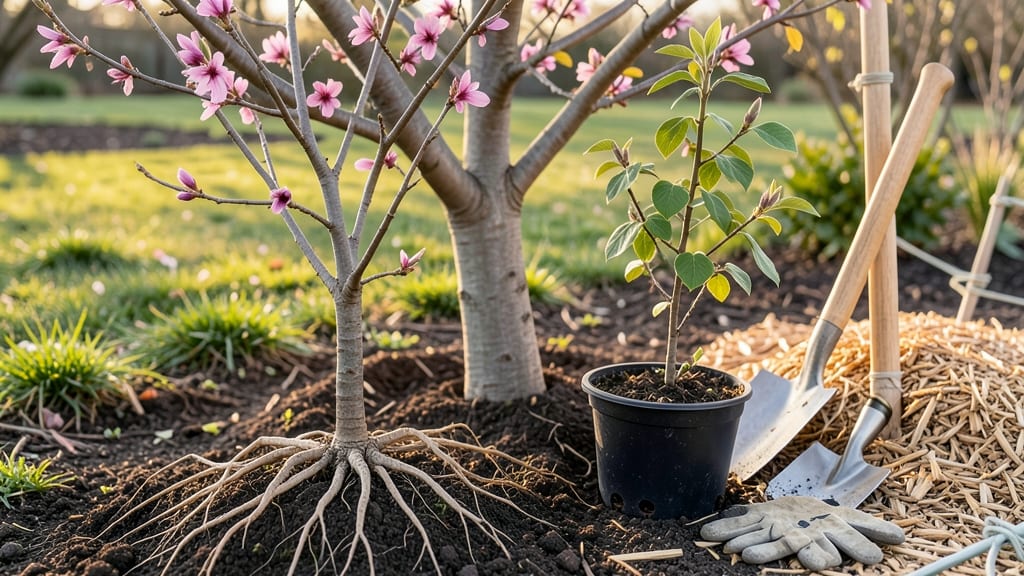
Best time and location for planting redbud trees
The redbud tree (Cercis canadensis) is a stunning ornamental that thrives when planted at the right time and in the perfect spot. Timing and location directly impact its growth rate, bloom intensity, and long-term health.
Let's dive into the best practices for planting these spring-blooming beauties to ensure vibrant pink flowers year after year.
For optimal results, plant your redbud tree during early spring or fall, when soil temperatures are cool but not frozen.
These seasons allow roots to establish before summer heat or winter dormancy. Fall planting (September to November) is often preferred in warmer climates, while spring planting (March to April) works best in colder regions. This timing ensures your tree has plenty of time to adapt before facing extreme weather.
Redbud trees thrive in USDA hardiness zones 4 through 9, making them versatile for most U.S. gardens. However, they perform best in zones 5 through 8, where they experience mild winters and warm summers.
If you're in zone 4, choose a sheltered location to protect against harsh winds and frost. In zones 9 and above, provide afternoon shade to prevent heat stress during peak summer months.
Now, let's look at the key factors for planting success in one easy-to-reference table:
| Factor | Ideal Specification | Notes |
|---|---|---|
| Planting Season | Early spring or fall | Avoid extreme heat or frost |
| USDA Hardiness Zones | 4-9 (best in 5-8) | Zones 9+ need afternoon shade |
| Sunlight Requirements | Full sun to partial shade | 6+ hours of direct sun daily |
| Soil pH | 6.0-7.0 (neutral to slightly acidic) | Avoid alkaline or waterlogged soil |
| Microclimate Considerations | Sheltered from strong winds | Protect from late spring frosts |
| Mature Size | 10-30 feet tall | Plan for 10-15 feet of clearance |
When selecting a planting location, prioritize areas with full sun exposure (at least 6 hours of direct sunlight daily) to maximize those stunning spring blooms. However, redbuds are flexible and can tolerate partial shade, especially in hotter climates.
Just be aware that shade reduces flower production. For the best results, choose a spot where your tree will receive morning sun and afternoon shade if needed.
Consider your microclimate when selecting a location. Redbud trees prefer sheltered spots that protect them from strong winds and late spring frosts, which can damage emerging buds. If you live in a windy area, plant near a fence or building to create a natural windbreak.
Additionally, avoid low-lying areas where cold air pools, as this can increase frost risk and stress your young tree.
Another critical factor is soil drainage. Redbud trees hate soggy roots, so choose a location with well-draining soil. If your garden has heavy clay soil, amend it with compost or sand before planting.
The ideal spot combines good drainage with consistent moisture retention—think of it as a "Goldilocks zone" for your redbud's roots. Raised beds or slightly elevated areas work well if your yard tends to stay damp.
For urban gardeners, redbud trees adapt beautifully to container planting in large pots (at least 24 inches in diameter). This flexibility lets you place them on patios, balconies, or even near south-facing walls to maximize sunlight.
Just remember that potted redbuds require more frequent watering and may need winter protection in colder zones. Use a high-quality potting mix with added perlite to ensure proper drainage in containers.
Finally, think about the long-term growth habit of your redbud tree. These trees have a rounded, multi-trunk form that spreads about 20-30 feet wide at maturity. Leave plenty of space between your redbud and other plants, structures, or walkways.
If you're planting multiple redbuds, space them 15-20 feet apart for a natural hedgerow effect that will burst with color each spring.
With the right timing and location, your redbud tree will reward you with years of vibrant blooms and lush foliage. Now that you know the best time and place to plant, you're ready to create the perfect home for this springtime showstopper! 🌸
Soil preparation and spacing requirements for healthy redbud growth
Your redbud tree (Cercis canadensis) will flourish with the right soil conditions and proper spacing. These trees prefer well-draining, slightly acidic soil with a pH between 6.0 and 7.0.
If your soil is heavy clay or overly sandy, amending it with compost or organic matter will improve structure and nutrient retention. Test your soil before planting—most garden centers offer affordable kits or send samples to local extensions for professional analysis.
Redbuds hate waterlogged roots, so prioritize areas with good drainage. If your yard has compacted soil or poor drainage, consider planting on a slight mound or incorporating perlite or coarse sand into the planting hole.
Raised beds also work well for container-grown redbuds, ensuring excess water flows away from the roots. Never plant in low-lying spots where water pools after rain.
Soil and Spacing Guide for Redbud Trees
- Test soil pH (aim for 6.0-7.0)
- Amend with compost or peat moss for acidity
- Plant in well-draining soil (avoid clay)
- Space 15-20 ft apart for single trees
- Use mulch ring (3-4 inches deep)
- Plant in waterlogged areas (root rot risk)
- Use fresh manure (burns roots)
- Space closer than 10 ft (causes competition)
- Compact soil after planting (disrupts roots)
- Ignore drainage tests (dig a hole, fill with water)
Single Tree: 15-20 ft
Hedgerow: 8-10 ft apart
Pair with:
Daylilies, Hostas, Ferns
When planting multiple redbuds, spacing is critical to prevent overcrowding. For single specimen trees, maintain a 15-20 foot radius around the trunk to allow airflow and root expansion.
If creating a hedgerow or windbreak, space trees 8-10 feet apart—this gives them room to develop their signature heart-shaped leaves and vibrant blooms without competing for nutrients.
Redbuds pair beautifully with shade-tolerant perennials like hostas or ferns, which thrive in their dappled shade. Avoid planting them near aggressive spreaders such as mint or bamboo, which can strangle young roots. Instead, use ornamental grasses or wildflowers to add texture and pollinator support without competition.
A 3-4 inch layer of mulch around the base (but not touching the trunk) helps retain moisture and suppress weeds.
After planting, monitor soil moisture closely. While redbuds are drought-tolerant once established, young trees need consistent watering—about 1-2 inches per week during the first growing season. Use a soil moisture meter to check depth (aim for dampness at 2-3 inches down).
Overwatering is just as harmful as underwatering, so let the top inch of soil dry between waterings. A drip irrigation system placed near the root zone keeps moisture even and reduces fungal risks.
With the right soil prep and spacing strategy, your redbud will reward you with stunning spring blooms for decades. Remember: healthy soil = healthy tree, and a little upfront effort ensures your tree grows strong, resists pests, and becomes a landscape centerpiece. Happy planting! 🌸🌿