
Plants
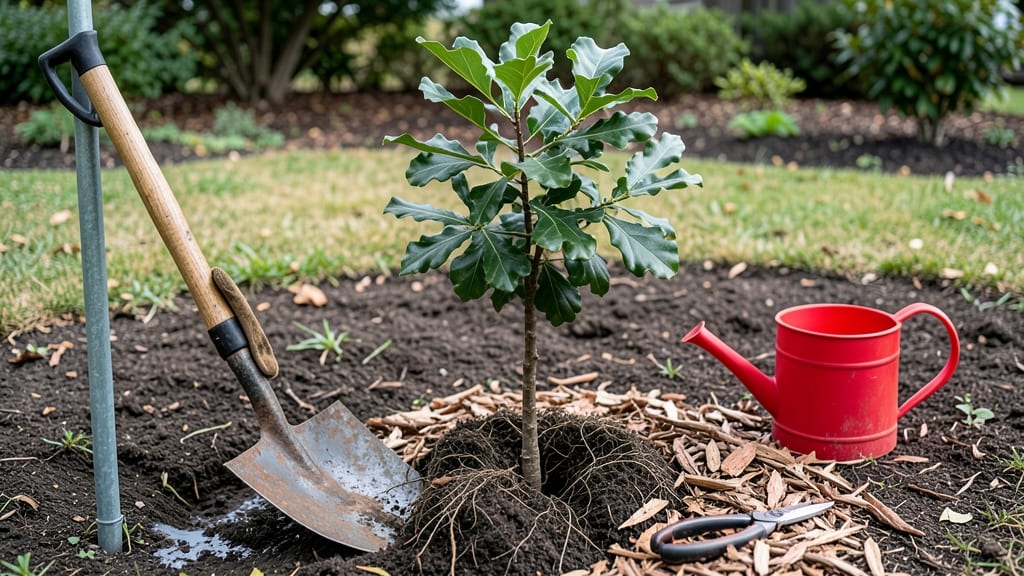
The best time to plant a tree in Texas is during late fall through early spring—specifically November to March—when cooler temperatures and increased soil moisture give young roots their best chance to establish. Summer planting should be avoided due to Texas' intense heat and drought conditions.
Texas' diverse climate zones mean timing varies slightly by region, but the core principle remains: plant when the ground isn't frozen and before summer's brutal heat arrives. 🌳 For example, North Texas can start as early as October, while South Texas may wait until January to avoid late-winter freezes.
I always recommend checking your local USDA hardiness zone for precise guidance—it accounts for microclimates that can shift planting windows by weeks. The key is giving roots 4-6 weeks of mild weather to settle before summer stress begins.
Beyond timing, proper preparation makes all the difference. Amend your soil with compost before planting, choose native species adapted to your zone, and water deeply 2-3 times per week for the first year.
Mulching with 2-3 inches of organic material helps retain moisture and regulate soil temperature—critical during Texas' unpredictable swings between drought and sudden rain. These steps turn good timing into guaranteed success.
💡 In This Article
- Texas Climate Zones and Their Ideal Tree Planting Windows
- Step-by-Step Guide to Planting Trees in Texas Seasons
Texas climate zones and their ideal tree planting windows
Texas spans 10 USDA hardiness zones, from 6a in the Panhandle to 11a along the Gulf Coast, creating dramatic differences in planting windows.
In North Texas (7a-8a), you can start as early as October when soil temperatures drop below 70°F—this gives roots 6-8 weeks of mild weather before summer arrives. The key threshold is when nighttime lows consistently stay above 40°F, signaling safe planting conditions without frost risk.
Central Texas (8a-9a) shifts slightly later, with November being ideal when daytime highs average 75°F or below. The region's caliche soil (dense, clay-rich) benefits from pre-winter rains that recharge moisture levels—critical for root development.
Meanwhile, South Texas (9a-11a) waits until January to avoid late-winter freezes (28°F or lower), which can damage young bark and foliage even in heat-tolerant species like live oaks.
West Texas (7b-9b) presents unique challenges with its arid climate and 100°F+ summers. Planting here requires deep soil amendments (like gypsum) to improve water retention, and the window narrows to November-February when rainfall averages 1-2 inches/month.
Native species like mesquite or Texas redbud thrive here because their roots evolved to seek moisture deep underground during dry spells.
What most gardeners overlook is how urban heat islands in cities like Houston or Dallas can shift planting windows by 2-4 weeks earlier than rural areas. Concrete and asphalt raise soil temperatures by 5-10°F, making late fall (December) safer than October in these zones.
Always check local Cooperative Extension Service data for hyper-local adjustments—some microclimates may recommend waiting until March.
Rainfall patterns also dictate success: North Texas relies on October-November rains (average 3-4 inches) to establish roots, while South Texas depends on spring showers after planting.
Planting too early in drought-prone areas (West Texas) risks transplant shock from insufficient moisture—this is why irrigation planning is non-negotiable in these zones.
For example, planting a live oak in Austin (Zone 8b) in November gives it 4 months of mild weather to establish before summer heat arrives.
But in El Paso (Zone 8a), waiting until January ensures soil stays above 50°F—critical for root growth in sandy soils that warm up quickly. The difference? 120 days of optimal growing conditions versus 90 days.