
Plants
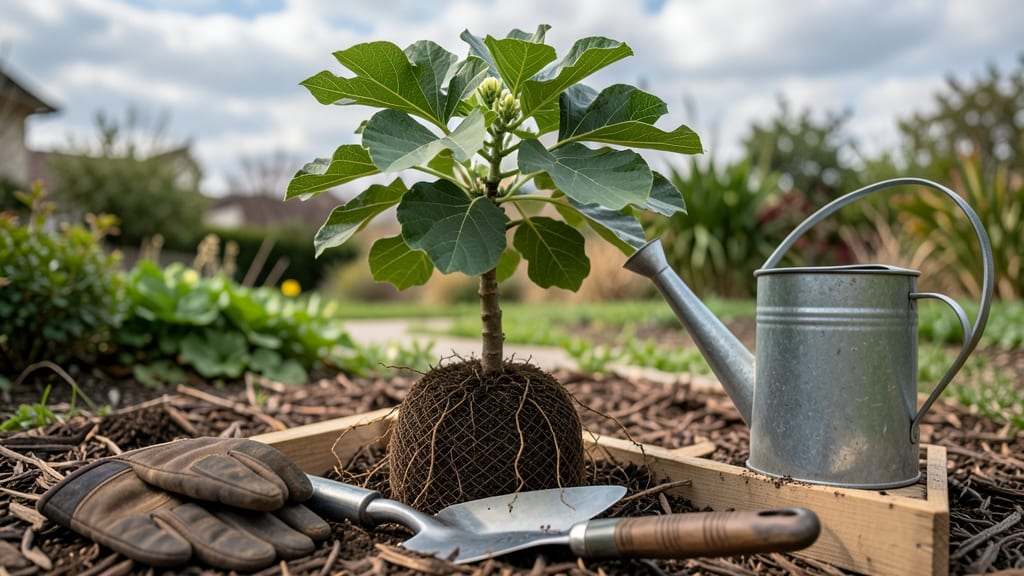
Planting a fig tree in Texas at the right time means the difference between a thriving 🍈 harvest and a sad, frost-nipped sapling.
Texas gardeners know timing is everything—plant your fig tree too early, and frost will kill it; too late, and your harvest could suffer. The sweet spot? Late winter to early spring, when the soil warms just enough to encourage roots while avoiding the brutal summer heat.
This guide breaks down the best months by region—whether you're in North Texas, the Hill Country, or South Texas—so you can align your planting with local frost dates and microclimates.
We’ll also cover soil prep, container options for colder zones, and the post-planting care that keeps your tree strong through Texas summers.
Ready to grow a fig tree that produces fruit for years? Here’s exactly when, where, and how to plant for the best results in your part of the state.
Best months to plant fig trees in Texas by region
Texas’ diverse climate means fig tree planting times vary dramatically from North Texas to South Texas. In Zone 8a (North Texas), late frosts linger until mid-February, while Zone 10a (South Texas) rarely sees frost.
The Hill Country and Central Texas offer transitional zones where timing balances frost risk and summer heat. I’ll break down the ideal planting windows for each region, including microclimate adjustments for urban vs. rural areas.
Fig trees thrive when planted during cooler months—either late winter to early spring (February–March) or fall (September–October). Spring planting lets roots establish before summer heat, while fall planting avoids summer stress and takes advantage of winter dormancy.
For Texas, fall planting (September–October) is often the safest bet, especially in North and Central Texas, where summer heat can stress young trees.
Here’s a region-by-region breakdown of the best months to plant fig trees in Texas, accounting for last frost dates, heat tolerance, and root establishment needs:
In North Texas (Zone 8a), where frosts can linger into March, I recommend planting fig trees in September or October. This gives roots time to establish before summer’s brutal heat.
If you must plant in spring, wait until mid-April to avoid late frosts. Urban areas like Dallas experience heat islands, so container planting with well-draining soil can extend the window to May.
For Central Texas (Zones 8b–9a), including the Hill Country, September–October is the golden window. The Brown Turkey variety thrives here, but avoid planting in June–July—Texas summers can push temperatures to 105°F+, shocking young roots.
If you’re in Austin’s urban core, opt for dwarf varieties like ‘Little Miss Figgy’ and plant in containers for flexibility.
South Texas (Zones 9a–10a) offers the most flexibility, with September–October and February–March as ideal windows. The ‘Celeste’ fig, a cold-hardy variety, handles occasional dips below 30°F. Coastal areas like Galveston benefit from container growing to avoid salt spray damage and humidity-related diseases. If you’re in Houston, plant in September to beat the summer humidity.
In West Texas (Zones 7b–8a), where winters can drop to 20°F, fall planting (October–November) is critical. Use extra mulch (4–6 inches) and windbreaks to protect young trees. Spring planting should wait until April to avoid late frosts. Varieties like ‘Vio
How to choose the right fig variety for Texas planting times
Texas’s diverse climate from Zone 7 to Zone 10 means not all fig varieties thrive equally. Cold-hardy types like 'Celeste' survive North Texas winters, while heat-sensitive 'Violette de Bordeaux' excels in South Texas heat. Choosing the wrong variety risks transplant shock or poor fruit production.
Fig trees need 6–8 hours of sun daily, but dormancy periods vary by type. 'Brown Turkey', a classic, handles mild freezes but struggles in extreme heat. Meanwhile, 'Little Miss Figgy' (a dwarf) tolerates container growing in urban areas.
🌱 Cold-Hardy Varieties (Zones 7–9)
| Variety | Pros | Cons |
|---|---|---|
| 'Celeste' | Survives 20°F; early harvest | Smaller fruit; needs well-draining soil |
| 'Brown Turkey' | Drought-tolerant; reliable producer | Sensitive to heat stress in Zone 10 |
☀️ Heat-Sensitive Varieties (Zones 9–10)
| Variety | Pros | Cons |
|---|---|---|
| 'Violette de Bordeaux' | Sweet, purple fruit; thrives in heat | Dies in freezing temps below 25°F |
| 'Little Miss Figgy' | Dwarf size; container-friendly | Lower yield; needs winter protection |
For North Texas (Zones 7–8), plant 'Celeste' or 'Brown Turkey' in late winter (Feb–March) after frost risk passes. These varieties enter dormancy in winter, avoiding transplant shock. In South Texas (Zones 9–10), opt for 'Violette de Bordeaux' and plant in September–October to beat summer heat.
Transplant shock is worst in extreme heat. Water deeply 3 days before moving potted figs and mulch heavily post-planting. Avoid full sun for the first 2 weeks to reduce stress. Dwarf varieties like 'Little Miss Figgy' recover faster due to smaller root systems.
Soil pH matters too—figs prefer 6.0–6.5. Amend clay-heavy Texas soil with compost. In Zone 7, add extra mulch (4–6 inches) to insulate roots. Container growers in cities should use fast-draining mixes to prevent root rot.
My top recommendation for Texas? 'Celeste' for North Texas and 'Violette de Bordeaux' for South Texas. Both yield reliable fruit with minimal fuss—just match the variety to your last frost date and summer heat levels.