
Pruning
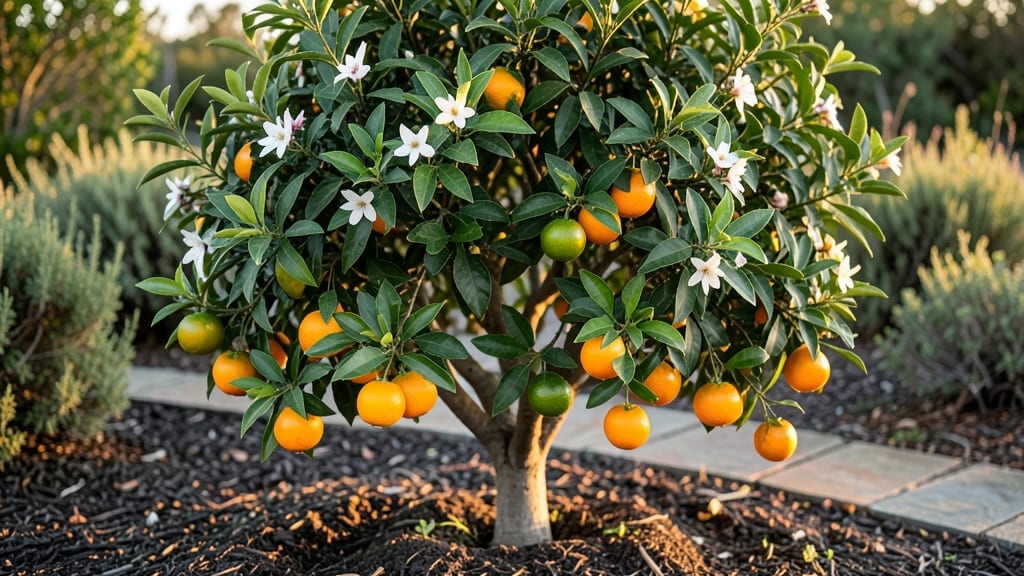
What tree has orange berries in the fall? The American beautyberry, wafer ash, and eastern hophornbeam stand out for their striking foliage and ecological benefits. Recognize them by their unique leaf structures, bark textures, and berry arrangements before planning your garden layout or pruning schedule.
These autumn berries aren't just visually stunning—they're nature's buffet for wildlife. 🌿 The American beautyberry produces clusters of metallic purple-orange berries that persist through winter, while the wafer ash offers smaller, bright orange fruits that birds adore.
The eastern hophornbeam, with its elongated clusters, adds architectural interest. Each species thrives in different conditions, so consider your region's climate when selecting trees for your landscape.
What makes identification easier is focusing on three key features: leaf shape (lobed, serrated, or smooth edges), bark texture (smooth, ridged, or furrowed), and berry cluster size. For example, beautyberry leaves are elliptical with serrated edges, while hophornbeam leaves resemble walnut leaves but with a more delicate structure.
These visual cues help distinguish them even when berries aren't present.
💡 In This Article
- Identifying Fall Orange-Berried Trees by Key Traits
- Best Orange-Berried Trees for Wildlife Gardens
Identifying fall orange-berried trees by key traits
The American beautyberry (Callicarpa americana) is one of the easiest to spot due to its distinctive metallic purple-orange berry clusters that hang like grape-like bunches, each containing 10-30 individual berries per stem.
Its leaves are elliptical with serrated edges, resembling those of a magnolia but smaller, typically measuring 2-4 inches long. The bark is smooth and grayish-brown when young but develops shallow furrows as the tree matures. 🌿
In contrast, the wafer ash (Fraxinus quadrangulata) produces smaller, bright orange-red berries that grow in pairs, each about 1/4-inch long. Its leaves are compound with 5-9 leaflets arranged oppositely, creating a feathery appearance.
The bark is deeply furrowed and diamond-shaped, giving it a rugged texture that contrasts with the smooth bark of younger trees. This species thrives in USDA hardiness zones 3-8, making it adaptable to cooler climates.
The eastern hophornbeam (Ostrya virginiana) features long, drooping clusters of small orange-brown berries encased in papery husks, resembling tiny hops. Its leaves are simple, oval-shaped with finely serrated edges, resembling those of a walnut but with a velvety texture when young.
The bark is scaly and dark gray, with a distinctive pattern that resembles alligator skin. This tree prefers partial shade and moist, well-drained soil, often found in woodlands.
Regional growing zones play a critical role in identification. For instance, the American beautyberry is native to the southeastern and eastern United States, while the wafer ash dominates the Midwest and Northeast.
The eastern hophornbeam has a broader range, spanning from New England to Georgia and westward to Minnesota. Understanding these zones helps narrow down possibilities when planning your garden or identifying wild specimens. 🌳
Another key trait is the berry persistence. Beautyberry berries often remain on the tree through winter, while wafer ash berries typically drop by late fall. Hophornbeam berries also persist but are less showy due to their smaller size.
These differences help distinguish them even when berries aren't in peak color. For example, if you spot a tree with purple-orange berries still clinging in December, it’s almost certainly a beautyberry.
Consider the berry cluster arrangement as well. Beautyberry berries grow in dense, spherical clusters, while hophornbeam berries form long, drooping catkins. Wafer ash berries are paired and less clustered, growing directly from the twigs.
These visual cues, combined with leaf and bark characteristics, create a reliable identification system for these fall favorites. ✨