
Trees
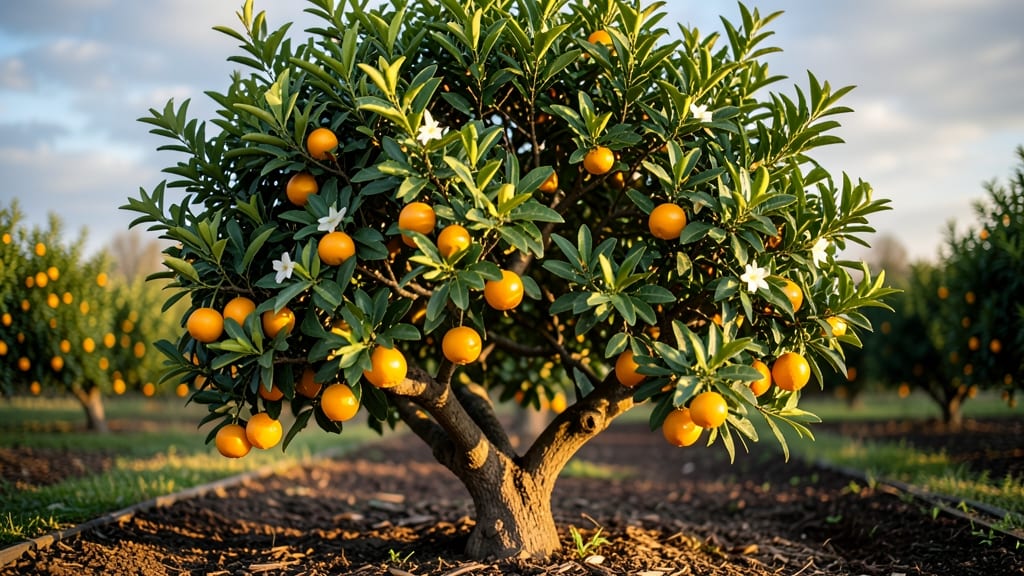
The identification of an orange berry tree starts with the fruit itself—bright orange clusters that could be citrus, holly, or even a native serviceberry. 🌿 I’ve spent years sorting through backyard trees, and the key is matching three simple traits: leaf shape, bark texture, and how those berries grow.
A citrus tree’s glossy leaves and fragrant blossoms are easy to spot, but holly’s spiky leaves and red berries often fool people. The real game-changer is leaf shape: smooth-edged like a serviceberry or jagged like barberry? Bark matters too—smooth citrus bark vs. the rough, twisted stems of a yew.
And don’t overlook whether the berries cling in clusters or hang alone. These clues narrow it down fast, even for beginners. Once you’ve got the ID right, you’ll know if it’s toxic (like yew) or edible (like serviceberry).
Citrus needs full sun and rich soil, while holly thrives in partial shade and tolerates poor soil. Pruning needs vary wildly—citrus hates cold, while barberry can handle frost. For your climate, check hardiness zones: citrus stays in 9-11, while serviceberry thrives in zones 3-7.
Grab a notebook and start comparing—you’ll master this in no time.
Root Causes Of Misidentification
Understanding why orange berry trees are often confused with one another starts with recognizing the biological and environmental factors that shape their appearance. Here’s a breakdown of the key reasons behind identification challenges:
Many orange berry-producing trees belong to the Rhus (sumac) or Crataegus (hawthorn) genera, which share overlapping traits like:
- Leaf structure: Compound leaves with serrated edges (e.g., staghorn sumac vs. flameleaf sumac).
- Berry color: Bright red-orange hues that mature similarly across species.
- Growth habits: Shrubby or small-tree forms with thorny branches (common in hawthorns).
Actionable Tip: 🔍 Compare leaf arrangements—sumacs have pinnate (feather-like) leaves, while hawthorns have simple (single-stemmed) leaves with lobed edges.
Trees undergo phenological shifts that mask their true identity:
- Spring: Young leaves may resemble other species (e.g., poison ivy vs. smooth sumac).
- Summer: Fruit clusters can look identical until maturity (e.g., winged sumac vs. fragrant sumac).
- Fall/Winter: Dormant branches lose distinguishing features like berry color or leaf scars.
Pro Tip: ✨ Examine bark texture—sumacs have smooth or scaly bark, while hawthorns often have deep ridges or thorns.
- Climate impact: Trees in humid vs. arid regions develop different growth patterns (e.g., dwarf sumac in deserts vs. tall staghorn sumac in forests).
- Hybridization: Crossbreeding (e.g., Crataegus × species) creates intermediate traits, blurring lines between known types.
Key Clue: 📊 Check local flora guides—some orange berries (like orange mulberry) are rare outside specific zones.
- Aphids/spider mites: Cause yellowing or curling of leaves, making trees look unhealthy or unrelated.
- Fungal infections: Anthracnose or powdery mildew distort fruit shape, leading to misidentification.
- Animal foraging: Birds or deer may strip berries, leaving sparse clusters that don’t match reference photos.
Solution: 🛡️ Inspect for unnatural patterns—uneven berry distribution or blackened stems signal stress, not species traits.
- Angle matters: Side views hide key features (e.g., sumac leaflets vs. hawthorn leaf lobes).
- Outdated sources: Older field guides may mislabel hybrids or regional variants.
- Lighting tricks: Shadows or backlighting can alter berry color perception (e.g., amber vs. true orange).
Pro Tip: 📸 Take multiple angles—include close-ups of buds, bark, and leaf undersides for accuracy.
- "Orange berry" = sumac assumption: Many non-sumac trees (e.g., orange osage orange) produce similar fruit.
- Urban vs. wild trees: Cultivated varieties (like dwarf orange mulberry) lack wild-type features.
Actionable Fix: 🎯 Use a dichotomous key—start with broad categories (e.g., "thorns present?" or "leaves compound?") to narrow options.
Final Note: 🔎 Combine clues—no single trait guarantees ID. Cross-reference leaf, fruit, bark, and growth habit for confidence. For stubborn cases, consult a local arborist or submit samples to a plant database like iNaturalist.
Fixing Common Orange Berry Tree Issues
Identifying an orange berry tree is just the first step—keeping it healthy requires addressing common problems before they spread. Whether your tree is struggling with pests, diseases, or environmental stress, these practical solutions will help you diagnose and treat issues effectively.
Below, we’ve mapped out the most frequent challenges and their fixes, along with prevention tips to keep your tree thriving.
Cause: Orange berry trees (like firethorn, hawthorn, or even citrus relatives) can attract aphids, spider mites, or scale insects, which weaken the plant by sucking sap.
How to Fix It: 🔥 Inspect Leaves & Branches – Look for sticky residue (honeydew), tiny webs, or clusters of bugs on undersides of leaves. Use a magnifying glass if needed. 🍳 Spray with Soapy Water – Mix 1 tablespoon of mild dish soap with 1 quart of water. Spray affected areas thoroughly, focusing on infested spots. Repeat every 3–5 days until pests disappear. 👨🍳 Introduce Beneficial Insects – Ladybugs and lacewings are natural predators of soft-bodied pests. Purchase them from garden centers or attract them with nectar-rich flowers. 🔪 Prune Infested Branches – Cut and dispose of heavily damaged branches to prevent spread. Sterilize pruners with rubbing alcohol between cuts.
Prevention Tips: ✨ Encourage Biodiversity – Plant companion flowers (like marigolds or alyssum) to attract predatory insects. 🌡️ Monitor Regularly – Check for early signs of pests during spring and summer when infestations peak.
Cause: Overwatering, poor airflow, or humid conditions can lead to fungal issues like powdery mildew or leaf spot, which appear as white powder or dark spots on leaves.
How to Fix It: 🔥 Improve Air Circulation – Thin out dense branches to allow sunlight and airflow to reach the center of the tree. 🍳 Apply Fungicide – Use a copper-based or neem oil fungicide (follow label instructions). Spray during early morning or evening to avoid burning leaves. 👨🍳 Remove Infected Leaves – Prune and dispose of heavily spotted or mildewed leaves. Avoid composting them to prevent reinfection. ⏰ Water at the Base – Avoid overhead watering, which can spread fungal spores. Water early in the day so foliage dries quickly.
Prevention Tips: 💡 Space Trees Properly – Plant orange berry trees at least 6–10 feet apart to reduce humidity buildup. 🎯 Avoid Overwatering – Let soil dry between waterings, especially in clay-heavy soils.
Cause: Yellowing leaves, stunted growth, or poor fruit production may signal deficiencies in nitrogen, iron, or magnesium.
How to Fix It: 🔥 Test Soil pH – Use a home soil test kit (ideal pH for most berry trees is 6.0–7.0). Adjust with lime (to raise pH) or sulfur (to lower it) if needed. 🍳 Fertilize Correctly –
- Nitrogen (for leaf growth): Use a balanced 10-10-10 fertilizer in early spring.
- Iron/Magnesium (for chlorosis): Apply chelated iron or Epsom salt (1 tablespoon per gallon of water) as a foliar spray.
👨🍳 Mulch Properly – Add 2–3 inches of organic mulch (like wood chips) around the base, keeping it 6 inches away from the trunk.
Prevention Tips: 🌱 Feed Seasonally – Fertilize in early spring and again after fruiting to replenish nutrients. 📊 Use Slow-Release Fertilizers – Reduces the risk of over-fertilization and nutrient runoff.
Cause: Extreme heat, drought, or cold snaps can shock orange berry trees, leading to leaf scorch, wilting, or dieback.
How to Fix It: 🔥 Provide Shade Cloth – In scorching summers, drape lightweight shade cloth (30–50% coverage) over young trees to reduce stress. 🍳 Deep Watering – Water deeply once a week (1–1.5 inches) rather than frequent shallow watering. Use drip irrigation for consistency. 👨🍳 Mulch Heavily in Winter – Apply a thick layer of mulch (4–6 inches) to insulate roots from freezing temperatures. ⏰ Prune for Sun Exposure – Thin out lower branches to allow sunlight to reach the center, especially in dense canopies.
Prevention Tips: 💡 Choose the Right Location – Plant orange berry trees in areas with partial shade if your climate is extremely hot or cold. 🌡️ Acclimate Gradually – If moving a potted tree outdoors, harden it off over 1–2 weeks to adjust to temperature changes.
Final Pro Tip: 🎯 When in doubt, consult a local arborist—they can provide tailored advice based on your region’s climate and soil conditions. With these fixes, your orange berry tree will stay vibrant, productive, and pest-free for years to come!
Frequently asked questions
What are the most common orange berry-producing trees I might find?
You’ll likely encounter sumac (like staghorn or fragrant varieties), hawthorn, serviceberry, or mulberry trees. Citrus trees (like orange) also produce orange fruit, but their leaves are glossy and fragrant. Sumacs have compound leaves, while hawthorns feature thorny branches and lobed leaves.
How do I tell if my orange berry tree is toxic?
Check for yew trees (needle-like leaves, red berries) or osage orange (thick, glossy leaves, large fruit). Serviceberry and mulberry are edible, but always confirm with a local expert before consuming. Toxic trees often have smooth, dark berries or milky sap when cut.
Can I grow an orange berry tree in my climate?
Most native orange berry trees thrive in zones 3-7, while citrus needs zones 9-11. Sumacs adapt well to dry conditions, while hawthorns prefer moist soil. Check your USDA zone and soil type—serviceberry handles cold better than mulberry, which prefers warmer climates.
What’s the best time to identify a tree by its berries?
Late summer to early fall is ideal when berries are fully colored but haven’t been eaten by birds. Compare fresh fruit with reference photos, and note leaf shape and bark texture. Avoid winter when berries may be gone, and spring when leaves are young and similar across species.
How do I use a plant ID app for orange berry trees?
Start by uploading close-up photos of leaves, berries, and bark—apps like iNaturalist or PlantNet need details. Focus on unique features: thorns, leaf edges, or berry clusters. Avoid blurry images or partial views, and include a ruler for scale if possible.