
Pruning
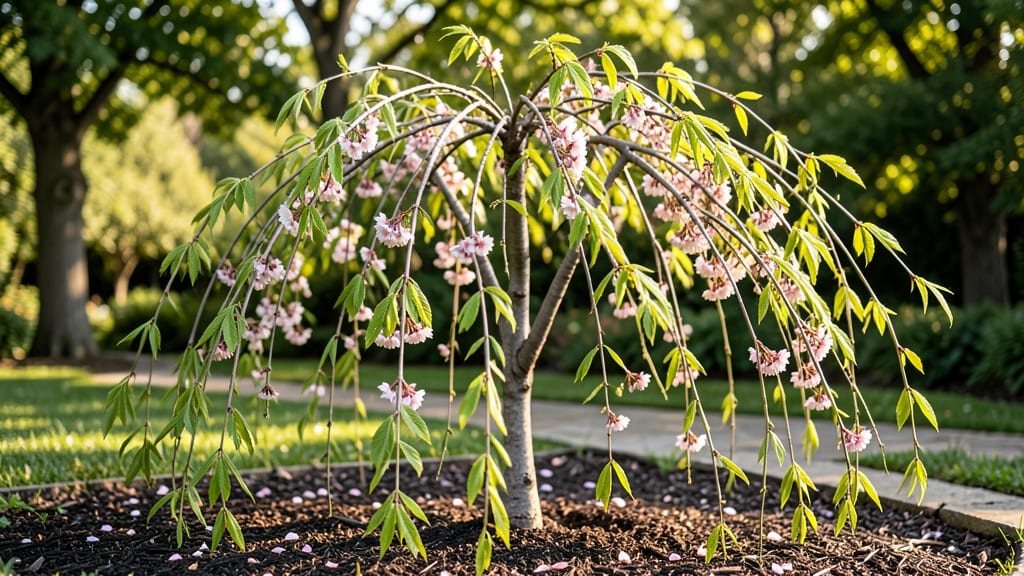
Browse weeping peach tree images to see how these graceful trees transform gardens into living art with their cascading branches that dance in every breeze. 🌿 The way their silvery bark and delicate blossoms frame a patio or pathway creates a scene straight out of a storybook—one that stays stunning from winter's skeletal beauty to summer's lush fruit.
Imagine a tree that doubles as both a focal point and a functional shade provider, its graceful form spilling over terraces or lining driveways. These trees thrive in containers too, making them perfect for small spaces where you want drama without the footprint.
The real magic happens across seasons: spring's frost-kissed pink blooms, summer's fragrant peaches, and autumn's fiery foliage. Pair it with ornamental grasses or climbing roses to extend the visual impact all year long.
For gardeners who love texture and movement, this tree is a game-changer—it's the kind of plant that makes neighbors stop and stare. Let's explore how to make it work in your space!
📚 In This Guide
- What you need
- Instructions
- Tips and common mistakes
- Wrapping up and next steps
What you need
- ● Weeping peach tree (Prunus persica ‘Pendula’) – A healthy, mature specimen (or a young sapling if starting from scratch). Pro tip: 💡 Check local nurseries for grafted varieties to ensure consistent weeping branches!
- ● Sharp pruning shears – Bypass pruners (for clean cuts) or loppers (for thicker branches). Size: 6–8" blades for precision.
- ● Hand pruners – Anvil-style (for small branches, Quantity: 1 pair.
- ● Pruning saw – For branches 1–3" thick. Type: Curved-tooth saw for wood.
- ● Disinfectant (70% isopropyl alcohol or pruning sealant) – 1 small bottle to sterilize tools between cuts and prevent disease.
- ● Garden gloves – Heavy-duty, cut-resistant (e.g., leather or Kevlar-blend). Size: Medium/Large for grip.
- ● Ladder or step stool – Sturdy, extendable (reach up to 12–15 feet for mature trees). Safety: Non-slip base!
- ● Twine or tree ties – 1 roll (for supporting branches during shaping).
- ● Camera/tripod – For capturing dramatic weeping peach tree images! Use a wide-angle lens (16–35mm) for full-branch shots.
- ● Reflective mulch or backdrop – Silver/gold garden fabric to enhance contrast in photos.
- ● Slow-release fertilizer – 10–10–10 NPK ratio (spring/fall application).
- ● Tree support stakes – 2–4 stakes + elastic ties for young saplings.
- ● Bird netting – 1 roll to protect blossoms/fruit from pests (if growing fruit-bearing varieties).
How to style a weeping peach tree for stunning year-round Drama
Here’s how to coax those graceful, cascading branches into showstopping centerpieces—no pruning experience needed.
🌿 Step 1: Choose the Perfect Planting Location
Weeping peach trees thrive where they get 6-8 hours of sunlight daily, but they also appreciate afternoon shade in hot climates. I always plant mine near a patio or walkway so the branches can drape elegantly over seating areas. Avoid low spots where water pools—the roots hate soggy feet.
Dig a hole twice as wide as the root ball but no deeper. Loosen the roots gently if they’re circling the pot. The tree’s natural weeping habit means it’ll grow outward, so give it 15-20 feet of space to sprawl without competing with other plants. Amend the native soil with 3 inches of compost mixed into the bottom of the hole for better drainage.
☀️ Step 2: Prune for Shape and Airflow
Prune in late winter or early spring before buds swell. Remove any crossing branches or those growing straight up—they’ll compete with the graceful weeping form. I cut back about ⅓ of the new growth each year to encourage denser foliage and more dramatic cascading. Always make cuts just above a bud or branch collar to prevent tears.
Watch for suckers at the base—these aggressive shoots steal energy from your tree’s elegant branches. Snip them off at the ground level immediately. The goal is to maintain that open, airy silhouette that makes weeping peaches so striking. Thin out crowded areas so light and air can reach the inner branches.
💧 Step 3: Water Deeply and Mulch for Year-Round Health
Water newly planted trees 2-3 times per week for the first month, then taper to once a week once established. The soil should stay 2-3 inches deep moist but never soggy. Weeping peaches have shallow roots, so they dry out faster than upright varieties. I always water in the morning so the foliage has time to dry before evening.
Spread 3-4 inches of mulch around the base, keeping it 6 inches away from the trunk. Use shredded bark or wood chips—they’ll suppress weeds while slowly releasing moisture. Replenish mulch annually in late winter to protect roots from temperature swings. This keeps the tree looking lush even in winter’s dormant season.
✂️ Step 4: Harvest and Maintain for Seasonal Interest
Peaches ripen in late summer—pick them when they yield slightly to gentle pressure and smell sweet. The weeping form makes harvesting easier, but wear gloves; the fuzzy skin can irritate sensitive skin. Leave a few fruits on the tree for birds to enjoy, but remove any that fall early to prevent disease spread.
After harvest, remove any dead or diseased branches immediately. I also do a light pruning in late summer to shape the tree for winter. Avoid heavy pruning then—it stimulates new growth that won’t harden off before cold weather. The weeping habit means you’ll always have interesting branches to work with, whether you’re shaping for spring blooms or winter silhouette.
🪴 Step 5: Winterize for Next Season’s Drama
Wrap the trunk with tree wrap in late fall to prevent sunscald. The cascading branches may need temporary support if heavy with snow—use lightweight stakes to prevent breakage. I never prune in winter, but I do remove any dead leaves or debris that could harbor pests. The tree’s natural form will handle cold beautifully, but a little protection goes a long way.
Here’s the thing—weeping peaches are all about the movement. Even in winter, the bare branches create stunning silhouettes. I often plant them near windows or outdoor lighting so their graceful arcs glow at night. With proper care, your tree will become the garden’s most photographed feature—season after season.
Tips & tricks for styling weeping peach trees
Transforming your weeping peach into a garden showstopper takes a few strategic moves—and avoiding these common pitfalls.
Location is Everything: When planting near seating areas, consider how the branches will drape over time. I always position mine so the cascading limbs frame outdoor dining tables or garden benches perfectly. The 6-8 hours of sunlight requirement is non-negotiable, but that afternoon shade in hot climates makes all the difference for fruit quality and leaf health.
Pruning for Drama: That ⅓ of new growth you trim each year isn't just about shape—it's about creating those signature sweeping arcs. I look for branches that grow upward or cross others; removing them opens up the canopy and lets light penetrate to the inner branches. The result? More flowers in spring and better fruit production later. Always cut just above a bud facing outward to encourage the tree's natural weeping habit.
Watering Wisdom: The 2-3 inches deep moist soil guideline is crucial, but timing matters just as much. I've learned the hard way that afternoon watering can promote fungal issues. Stick to morning watering so foliage dries completely before evening. For established trees, once a week is plenty unless you're in extreme heat or drought conditions.
Winter Protection Hacks: That tree wrap isn't just for looks—it prevents sunscald that can mar the trunk's appearance. I also tie lightweight stakes to the main branches before heavy snowfall to prevent them from snapping under weight. The winter silhouette is where weeping peaches truly shine, so protecting those graceful arcs pays off dramatically in photos.
Pro Tips for Weeping Peach Tree Images
- Transforming your weeping peach into a garden showstopper takes a few strategic moves—and avoiding these common pitfalls.
- Location is Everything: When planting near seating areas, consider how the branches will drape over time.
- Pruning for Drama: That ⅓ of new growth you trim each year isn't just about shape—it's about creating those signature sweeping arcs.
Frequently asked questions
Got questions about cultivating or styling a weeping peach tree? You’re not alone! Here are some of the most common queries—plus straightforward answers to help you keep your tree thriving and stunning all year.
What’s the best time of year to prune a weeping peach tree for optimal growth?
Prune your weeping peach tree late winter or early spring (before buds swell) to encourage vigorous growth and flowering. Avoid heavy pruning in fall—it can stimulate tender new growth that won’t survive winter. Light shaping can be done in summer, but keep it minimal to avoid stressing the tree.
How do I prevent my weeping peach tree from looking too sparse or leggy?
To maintain a lush, full canopy:
- Thin out crowded branches—remove 1/3 of the oldest or crossing branches to improve airflow.
- Encourage inward growth by pruning back outward-growing branches by 1/3.
- Fertilize in early spring with a balanced 10-10-10 or citrus-specific formula to promote dense foliage.
Will a weeping peach tree still produce fruit if I prune it heavily for shape?
Yes, but balance is key! Heavy pruning can reduce fruit yield, so focus on structural shaping rather than aggressive cuts. Prioritize removing dead, diseased, or weak wood first, then lightly thin branches to maintain airflow. If fruit is a priority, limit pruning to 15-20% of the canopy per year.
Can I grow a weeping peach tree in a container, or does it need to be planted in the ground?
While possible, containers are challenging for weeping peach trees due to their size and root needs. If you must try:
- Use a large pot (30+ gallons) with drainage holes and well-draining soil.
- Plant in full sun (6+ hours daily) and water deeply when the top 2 inches of soil dry.
- Fertilize monthly in growing seasons and repot every 2–3 years.
What should I do if my weeping peach tree’s branches are drooping or wilting?
Drooping branches often signal overwatering, root rot, or pest stress. Try this:
- Check soil moisture—stick your finger 2 inches deep; if soggy, reduce watering.
- Inspect for pests like aphids or scale (look for sticky residue or holes). Treat with neem oil if needed.
- Support weak branches with stakes or ties to prevent breakage.
Wrapping up and next steps
The weeping peach tree’s graceful, cascading branches add timeless elegance to any garden—whether you’re admiring its delicate blooms in spring or its lush foliage in summer.
With the right pruning techniques and care, you can keep its dramatic form thriving year-round, turning your outdoor space into a stunning focal point. 🌿
Ready to transform your garden? Start by sketching your vision—will you prune for symmetry, a natural cascade, or a bold artistic statement? Gather your tools, follow the steps with confidence, and watch your weeping peach tree become the centerpiece of your landscape. Happy pruning! ✂️✨