
Pruning
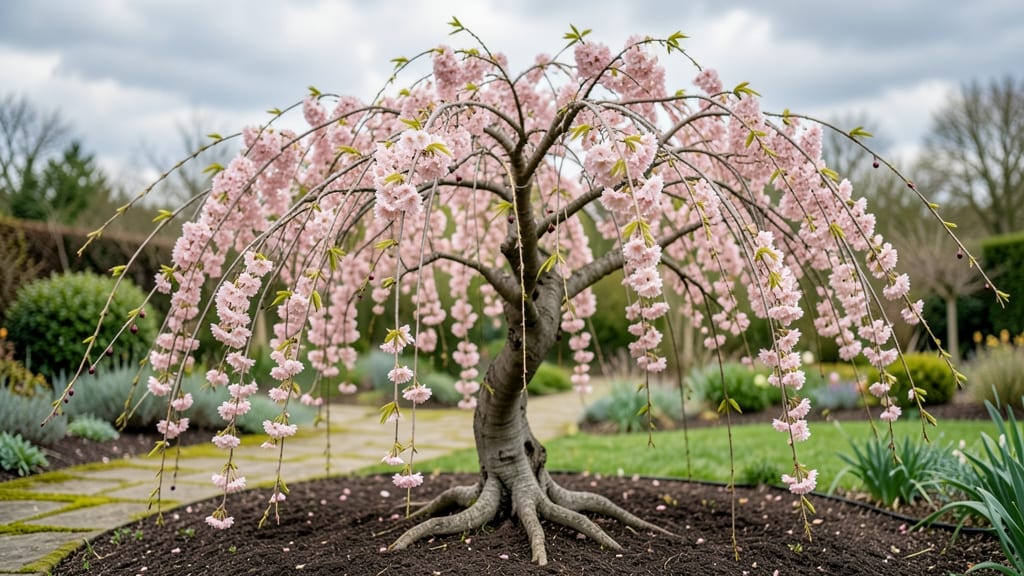
Planting a weeping cherry tree in Ohio means year-round color that turns heads from spring blossoms to winter silhouette. 🌸 I learned the hard way—my first weeping cherry nearly died in a brutal Midwest winter before I discovered the cold-hardy varieties that thrive here.
The key is choosing the right cultivar and giving it the care it needs to survive Ohio’s extremes.
Ohio’s climate demands a few adjustments: spring planting after the last frost, well-draining soil mixed with compost, and a spot with full sun (at least 6 hours daily). The right tree—like ‘Kwanzan’ or ‘Royal Burgundy’—handles our winters better than delicate varieties.
Water deeply the first year, then taper off as roots establish, but never let it dry out completely.
Pruning in late winter (before buds swell) keeps the tree’s graceful shape and encourages vibrant blooms the following spring. Ohio’s humidity also means watching for fungal diseases—mulch around the base to improve airflow and reduce moisture retention.
With the right care, your weeping cherry will become the showstopper of your landscape.
Bonus tip: Ohio’s heavy clay soil? Amend it with organic matter before planting to prevent root rot. And if you’re in the northern part of the state, choose a variety rated for Zone 4 or 5—they’ll handle our cold snaps like a champ.
The payoff? A tree that looks stunning in every season, with minimal fuss.
📚 In This Guide
- What you need
- Instructions
- Tips and common mistakes
- Wrapping up and next steps
What you need
- ● Weeping cherry tree saplings: Choose Prunus serrulata varieties like ‘Kwanzan’ or ‘Shirotae’ (cold-hardy to USDA Zone 5-6). Buy 1-3 trees depending on your space.
- ● High-quality potting soil: 50 lbs of well-draining, organic-rich soil (e.g., Miracle-Gro Garden Soil).
- ● Pruning tools: Bypass pruners (for clean cuts on small branches).
- ● Loppers (for thicker branches, 1-2 inches in diameter).
- ● Hand saw (for stubborn, larger limbs).
- ● Mulch: 2-3 bags of shredded bark or wood chips (to retain moisture and regulate soil temp).
- ● Fertilizer: Slow-release, balanced fertilizer (e.g., 10-10-10 NPK ratio, 1 lb per tree).
- ● Safety gear: Gloves (cut-resistant), safety goggles, and long sleeves (for thorny varieties).
- ● Measuring tape: To assess spacing (plant trees 15-20 feet apart).
- ● Watering can or hose: With a gentle spray nozzle for post-planting hydration.
- ○ Optional (but helpful!): Tree stake and ties (if planting in windy areas).
- ● Soil pH tester (ideal range: 6.0-7.0).
- ● Disease-resistant spray (e.g., copper fungicide for preventative care).
How to select and plant cold-hardy weeping cherry trees in Ohio
Ohio’s climate demands the right weeping cherry varieties—here’s how to choose and plant them for stunning year-round color.
☀️ Step 1: Choose Ohio’s Best Cold-Hardy Varieties
For Ohio’s zones 4-6, prioritize varieties like ‘Kwanzan’ (pink flowers, purple fall foliage) or ‘Okame’ (early blooms, deep red fall color). These handle winter dips to -20°F without bud damage. Avoid tender types like ‘Shidare Yoshino’, which struggle below 0°F. Nursery tags should list USDA zone 4 as the minimum hardiness rating.
Look for disease-resistant labels—‘Royal Purple’ and ‘Stella Compact’ resist powdery mildew better than standard weepers. Smaller varieties like ‘Amanogawa’ (12-15 feet) work well in tight spaces, while ‘Pendula’ (20-25 feet) needs room to sprawl. I always check reviews for Ohio-specific notes—some trees bloom poorly in wet springs.
🪴 Step 2: Pick the Perfect Planting Spot
Weeping cherries need full sun (6+ hours daily) for vibrant blooms, but Ohio’s summer heat means afternoon shade helps. Plant where the soil drains well—poor drainage leads to root rot, and Ohio’s clay soils often need amendment. Test your soil: if it’s heavy, mix in 2-3 inches of compost into the top 12 inches before planting.
Space trees 15-20 feet apart for mature spread. Avoid planting near sidewalks or driveways—dropping branches can cause tripping hazards. I like to place them where spring blooms frame a patio or where fall colors reflect in a window. Mark the spot with a stake and measure twice before digging.
⏰ Step 3: Plant at the Right Time and Depth
Ohio’s best planting window is late fall (October-November) or early spring (March-April), when soil is workable but not frozen. Dig a hole twice as wide as the root ball but no deeper—planting too deep suffocates roots. Loosen the root ball’s edges with your fingers if roots are circling.
Position the tree so the graft union (visible bump near the base) sits 2-3 inches above soil level. This prevents buried bark from rotting. Backfill with native soil (no amendments here—you already mixed compost in), then water deeply to settle it. A 1-inch layer of mulch (keep it 3 inches away from the trunk) retains moisture and regulates soil temp.
💧 Step 4: Water and Fertilize for First-Year Success
Water deeply 2-3 times per week for the first year, aiming for 1-1.5 inches of water per session. Ohio’s windy springs dry soil fast—check by sticking your finger 2 inches deep; if dry, water again. Avoid overhead sprinklers, which can spread fungal diseases. Instead, use a soaker hose at the drip line (the edge of the tree’s canopy).
Skip fertilizer the first year—new roots need to establish without competition. In early spring of year two, apply a balanced 10-10-10 fertilizer (follow label rates) to encourage blooms. I also add 1 cup of bone meal to the planting hole at time of transplant for phosphorus, which boosts root growth. Too much nitrogen now leads to leafy growth at the expense of flowers.
✂️ Step 5: Prune for Shape and Health
Prune weeping cherries in late winter (February) before buds swell, using sterilized pruners. Remove dead, crossing, or inward-growing branches first—these crowd the canopy and invite disease. Thin out 20% of the smallest branches to improve airflow. Never prune more than 25% of the tree’s foliage in one year, or you’ll shock it.
Shape the tree by shortening the longest branches to encourage a fuller form. Weepers grow best with a balanced leader (central branch)—if one side droops more, prune the opposite side slightly to rebalance. Seal cuts with pruning sealant only if the branch is over ½ inch thick; smaller cuts heal on their own. I always clean my tools with rubbing alcohol between cuts to prevent spreading fire blight, a common Ohio cherry disease.
Tips & tricks for perfect weeping cherry planting in Ohio
Ohio’s unpredictable climate means these little details make all the difference between a thriving weeping cherry and one that struggles.
Variety Selection: When comparing varieties like ‘Kwanzan’ or ‘Okame’, check for both cold hardiness and disease resistance on the nursery tag. I’ve seen ‘Kwanzan’ survive -20°F winters in Cleveland, but it’s vulnerable to powdery mildew if planted in humid microclimates. For wet springs, ‘Royal Purple’ handles moisture better while still delivering stunning pink blooms. Always ask the nursery about Ohio-specific growing reports—some varieties bloom poorly in our wet springs.
Soil Prep Strategy: Ohio’s clay soil is notorious for poor drainage, so don’t skip the soil test. If your soil is heavy, mix in 2-3 inches of compost into the top 12 inches before planting—this improves drainage without changing the soil’s natural structure too much. I’ve had trees planted in unamended clay soil develop root rot within two years. For extra insurance, consider adding 1 part perlite to your backfill mix when planting.
Planting Depth: The graft union must stay 2-3 inches above soil level—this isn’t optional. I’ve seen beginners bury it too deep, which causes the tree to rot at the base. Mark the correct depth on your shovel before digging, and double-check after planting. If you’re unsure, err on the side of slightly higher rather than buried. The graft union is the tree’s growth engine, and proper placement ensures it stays healthy.
Watering Wisdom: Those 2-3 waterings per week in the first year should be deep waterings—stick your finger 2 inches deep to check moisture. Ohio’s windy springs dry soil quickly, but shallow watering encourages shallow roots. Use a soaker hose at the drip line (the edge of the tree’s canopy) to deliver water where the roots need it most. I’ve seen trees withered from surface watering despite getting plenty of water overall.
Pro Tips for Weeping Cherry Tree Ohio
- Ohio’s unpredictable climate means these little details make all the difference between a thriving weeping cherry and one that struggles.
- Variety Selection: When comparing varieties like ‘Kwanzan’ or ‘Okame’, check for both cold hardiness and disease resistance on the nursery tag.
- Soil Prep Strategy: Ohio’s clay soil is notorious for poor drainage, so don’t skip the soil test.
Frequently asked questions
Got questions about planting, caring for, or troubleshooting your weeping cherry tree in Ohio? You’re not alone! Here are some of the most common queries—plus expert answers to keep your tree thriving year-round.
What’s the best time to plant a weeping cherry tree in Ohio?
Plant in early spring (March–April) or fall (October–November) for ideal results. Ohio’s mild winters let roots establish before extreme cold. Avoid planting in summer heat or winter frost, as stress can weaken young trees.
Are weeping cherry trees cold-hardy enough for Ohio winters?
Yes! Varieties like ‘Okame’ or ‘Royal Burgundy’ thrive in Ohio’s USDA Zones 5–6. Mulch heavily (3–4 inches) and water deeply before winter to protect roots. Prune damaged branches in late winter to encourage new growth.
Why isn’t my weeping cherry tree blooming?
Blooms depend on sunlight (6+ hours/day), age (3–5 years old), and pruning. If it’s not flowering, check for:
- Shade: Move to sunnier spot.
- Over-pruning: Avoid cutting back more than 1/3 of branches yearly.
- Nutrient deficiency: Test soil and amend with compost or fertilizer.
How do I prune a weeping cherry tree without harming it?
Prune in late winter (February–March) to shape and remove dead wood. Use sterilized tools and make cuts just outside the branch collar. Avoid heavy pruning—focus on opening the canopy for airflow and light.
What pests or diseases should I watch for in Ohio?
Common issues include:
- Japanese beetles: Handpick or use neem oil.
- Powdery mildew: Improve airflow and spray fungicide if needed.
- Borers: Prune infested branches and treat with insecticide.
Monitor leaves regularly—early action prevents spread!
Can I grow a weeping cherry tree in a container?
Yes, but it’s tricky! Choose a large pot (20+ gallons) with drainage and use well-draining soil. Varieties like ‘Kanzan’ adapt better than others. Repot every 2–3 years and overwinter indoors if temps drop below 10°F.
Wrapping up and next steps
The weeping cherry tree in Ohio isn’t just a seasonal beauty—it’s a year-round investment in color, resilience, and curb appeal. 🌸 From choosing cold-hardy varieties like Okame or Kanzan to mastering pruning techniques, you now have the tools to nurture a stunning, long-lasting centerpiece for your landscape.
The key? Consistent care and a little seasonal attention.
Ready to transform your outdoor space? Start small: pick one variety, gather your tools, and schedule your first pruning session this fall. Whether you’re a gardening pro or a curious beginner, every trim brings you closer to a cherry tree masterpiece that blooms with joy—and minimal effort!