
Pruning
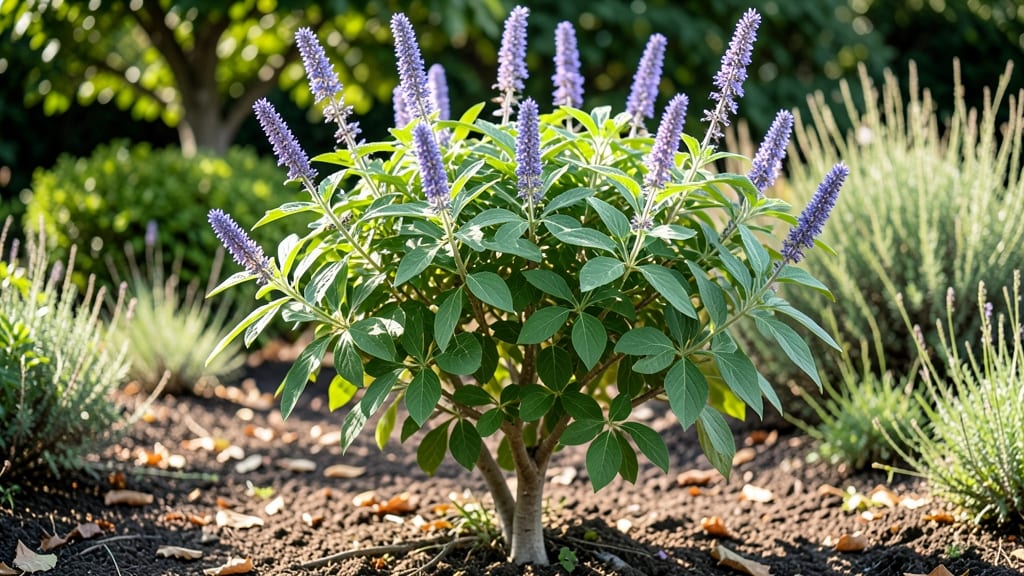
The vitex tree zone thrives where summers stay hot and winters rarely dip below 10°F—that’s why it’s a star in USDA Zones 6 through 11. 🌿 I’ve grown mine in Zone 8 for years, and the key to keeping it lush (even in marginal zones) is understanding its climate quirks: it craves heat, hates soggy soil, and can’t handle prolonged freezes without protection.
The real magic happens in Zones 9-11, where vitex bursts into lavender-blue blooms from summer through fall with minimal effort.
But in Zones 6-7, you’ll need to act like winter: wrap the base in 3-4 inches of mulch, prune back by a third in early spring, and avoid planting in low spots where cold air pools.
My Zone 7 tree survived its first winter only after I did this—now it’s twice as bushy.
What you’ll get is a drought-tolerant workhorse that handles 100°F heat like a champ and thrives in full sun. The blooms attract hummingbirds, the foliage stays glossy even in dry spells, and the fragrance lingers in the evening air.
The trade-off? In colder zones, it may need seasonal pruning to encourage new growth after frost damage—but that’s a small price for a tree this resilient.
Whether you’re in the Deep South or the Pacific Northwest, vitex adapts—just tweak the care. Here’s how to keep yours blooming no matter the zone, plus the pruning schedule that works for both mild winters and frost-prone areas.
📚 In This Guide
- What you need
- Instructions
- Tips and common mistakes
- Wrapping up and next steps
What you need
- ● Pruning shears: Bypass pruners (for small branches, 3–6 inches long) – 1 pair (sharp, stainless steel recommended).
- ● Loppers: For thicker branches (½–2 inches in diameter) – 1 pair (extendable handles help reach high!).
- ● Pruning saw: For branches over 2 inches thick – 1 medium-sized saw (bow or folding saw works best).
- ● Gloves: Heavy-duty, cut-resistant (to protect from thorns and sap) – 1 pair.
- ● Disinfectant: 70% isopropyl alcohol or pruning sealant (to prevent disease spread) – small bottle.
- ● Trash bags: Heavy-duty (for debris) – 2–3 bags.
- ● Ladder: Sturdy, extendable (if your vitex is over 6 feet tall) – 1 ladder (safety first!).
- ● Rubbing alcohol (70%): For sterilizing tools between cuts.
- ● Hand pruners: For precision trims on tiny branches.
- ● Safety glasses: To shield eyes from debris.
- ○ Pruning paint: For sealing large cuts (optional but reduces sap oozing).
- ● Notebook & pen: To jot down pruning notes or sketch your tree’s shape.
Instructions: pruning your vitex for lush, year-round blooms
Here's the pruning method I've used for years to keep my vitex thriving and flowering nonstop.
✂️ Step 1: Time Your First Cut After Spring's Last Frost
Wait until after your area's last frost date—typically late April to early May in most vitex zones (5-9). You'll know it's time when new growth begins pushing from the stems, signaling the tree has broken winter dormancy. This timing ensures you're not cutting back fresh spring shoots.
Use clean, sharp pruners to make your first cuts. I like to remove about one-third of the oldest wood first—those thick, woody stems that no longer produce many flowers. Start at the base of the plant and work outward, cutting just above a leaf node or bud. This encourages new growth from that exact spot.
✂️ Step 2: Shape the Tree in Late Spring for Airflow and Light
After the initial cleanup, focus on shaping. Vitex responds beautifully to open, airy forms—this prevents fungal issues and lets sunlight reach all branches. I remove any crossing branches first (they rub together and create wounds), then thin out the center to create a vase-like shape with an open middle.
Look for branches growing inward or downward—they'll never get enough light to flower well. Cut these back to a strong outward-growing bud. For larger branches, make your cut just outside the branch collar (that swollen area where the branch meets the trunk). This ensures the wound heals properly and doesn't invite disease.
✂️ Step 3: Light Summer Pruning to Encourage Continuous Blooms
Every 4-6 weeks during the growing season, do a quick check for spent flowers. The moment you see flower clusters turning brown and drying up, snip them back to the nearest healthy leaf node. This redirects the plant's energy toward producing new blooms instead of seed development.
I also remove any new shoots growing from the base that aren't part of your desired shape. These "suckers" compete with your main structure for nutrients. Cut them at the base with clean shears—no need for fancy techniques here, just a straight cut flush with the trunk.
✂️ Step 4: Minimal Winter Pruning to Prepare for Dormancy
In late fall, after the first hard frost but before temperatures drop below 20°F
This is also when I do any major reshaping if needed. Vitex handles winter pruning well, but avoid heavy cuts that would stress the tree before dormancy. The goal here is to clean up rather than dramatically reshape. After this final prune, give your tree a good watering before winter sets in. Every 2-3 months, do a quick visual inspection of your vitex. Look for branches that have grown too long or are starting to look leggy—they'll have long stretches without leaves or flowers. Cut these back by about one-third to encourage bushier growth. Pay special attention to the base of the plant. If you see new shoots popping up from the ground, decide whether to keep them (if they're part of your desired shape) or remove them (if they're growing where you don't want them). The key with vitex is to prune regularly rather than letting it get overgrown—this keeps the blooms coming all season long.⏰ Step 5: Year-Round Maintenance Checks
Tips & tricks for pruning your vitex tree
These simple tricks will help you keep your vitex looking its best while maximizing those gorgeous year-round blooms.
Timing is Everything: The late April to early May window for your first post-frost pruning is critical. I've learned the hard way that cutting too early can damage tender new growth, while waiting too long means missing the perfect opportunity to shape your tree. Check your local frost dates and watch for those first signs of fresh green growth—this is your cue to start.
The One-Third Rule: When removing older wood in Step 1, stick to that one-third guideline. This balance prevents over-stressing your tree while still encouraging fresh growth. I mark the branches I want to remove with a piece of twine before cutting—it helps me visualize the final shape and ensures I'm not taking too much at once.
Branch Collar Matters: In Step 2, when cutting larger branches, always make your cut just outside the branch collar. This swollen area contains healing tissues that help the wound close properly. I use a small paint marker to circle the collar before cutting—it's a simple trick that prevents mistakes and keeps your tree healthy for years to come.
Year-Round Visual Cues: For that 2-3 month maintenance check, look for these telltale signs: branches with long stretches without leaves are leggy and need trimming, while new shoots at the base that aren't part of your design are competing for nutrients. I keep a small notebook by my pruners to track which branches I've trimmed and when—it helps me stay consistent with that regular schedule.
Pro Tips for Vitex Tree Zone
- These simple tricks will help you keep your vitex looking its best while maximizing those gorgeous year-round blooms.
- Timing is Everything: The late April to early May window for your first post-frost pruning is critical.
- The One-Third Rule: When removing older wood in Step 1, stick to that one-third guideline.
Frequently asked questions
Got questions about keeping your vitex tree thriving?
Here are answers to the most common concerns—from pruning timing to troubleshooting—so you can enjoy lush foliage and stunning blooms year-round.
When is the best time to prune a vitex tree?
The ideal time to prune vitex is late winter or early spring, just before new growth begins. This helps shape the tree while avoiding the risk of frost damage. Light trimming can also occur in summer after flowering to maintain shape, but avoid heavy cuts then—it may reduce next year’s blooms!
Can I prune vitex in winter? What about after a hard freeze?
Pruning vitex in mid-winter (before buds swell) is fine, but avoid heavy cuts after a hard freeze. Damaged branches can be removed, but wait until spring to do major shaping. Cold snaps can stress the tree, so light pruning is safer if you must trim during winter.
Will pruning vitex reduce its flowers?
Not if done correctly! Pruning in late winter encourages more vigorous growth and abundant blooms the following year. However, avoid over-pruning—never remove more than 1/3 of the tree’s canopy at once. Deadheading spent flowers in summer also promotes repeat blooming.
My vitex leaves are yellowing or dropping—is it from pruning?
Yellowing or dropping leaves are usually signs of over-pruning, disease, or pests (like spider mites), not just pruning itself. Check for:
- Over-pruning: Too many cuts in one season can stress the tree.
- Pests: Inspect undersides of leaves for mites or aphids.
- Fungal issues: Brown spots or mold may need fungicide.
Can vitex grow in USDA Zone 7? What about colder zones?
Vitex (Vitex agnus-castus) thrives in USDA Zones 7-10 but can survive brief dips to 0°F (-18°C) with proper care. In colder zones (like Zone 6), plant it in sheltered spots and mulch heavily. For Zone 5 or colder, grow it in containers and winter it indoors or in a garage.
What’s a good vitex alternative for colder climates?
If vitex is too tender for your zone, consider these hardy alternatives with similar fragrant blooms and drought tolerance:
- Butterfly Bush (Buddleja) – Zones 5-9, attracts pollinators.
- Russian Sage (Perovskia) – Zones 4-9, silvery foliage.
- Lavender (Lavandula) – Zones 5-9, fragrant and low-maintenance.
Wrapping up and next steps
Mastering the art of pruning your vitex tree ensures vibrant blooms, robust growth, and a healthier plant year-round.
By following the right timing, techniques, and tools—like the ones we’ve explored—you’ll keep your tree thriving and full of life. Now’s the perfect time to grab those pruners and give your vitex the care it deserves! 🌿✂️
Ready to take the next step? Start small:
- Check your tree’s current health and note any overgrown branches.
- Pick a clear day to prune and follow the seasonal tips we shared.
- Celebrate each trim—your vitex will thank you with stunning blooms!