
Trees
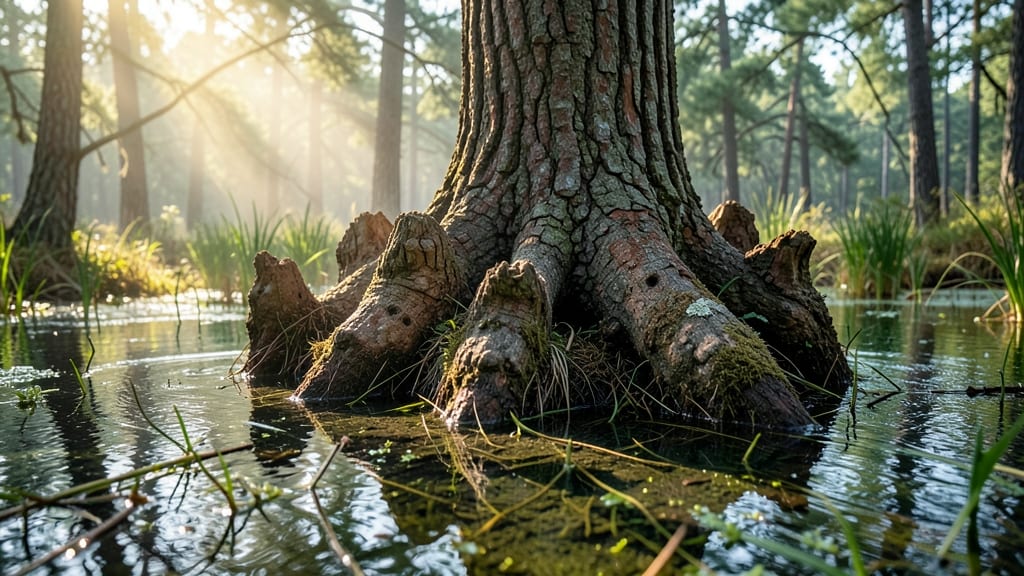
Want to jumpstart your forest or garden with rapid-growing trees? These 10 fast-germinating tree seeds deliver quick establishment and long-term ecosystem benefits, perfect for reforestation projects, backyard planting, or wildlife habitat creation.
Hybrid Poplar Seeds for Rapid Growth
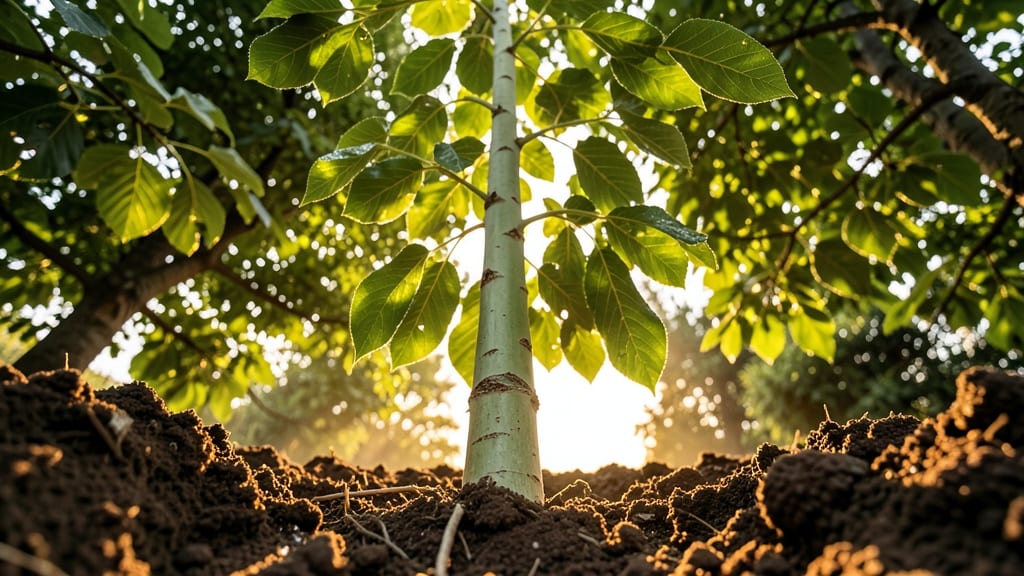
Tired of waiting years for trees to mature? Hybrid poplar seeds deliver the fastest hardwood growth you'll find—expect 3-5 feet of height gain annually—making them perfect for instant shade or erosion control in urban or rural spaces.
These seeds thrive in moist, well-drained soil with full sun exposure and tolerate a wide range of climates, from USDA zones 3-9. For best results, sow seeds in early spring or fall, pressing them just ¼ inch deep into prepared soil. Their aggressive root system stabilizes slopes while their rapid canopy development provides shade within just a few years.
Ideal for landowners, city planners, or anyone needing quick results, hybrid poplars are the ultimate solution for fast-growing, low-maintenance hardwoods. 🌱
Silver Maple Tree Seeds with Fast Germination
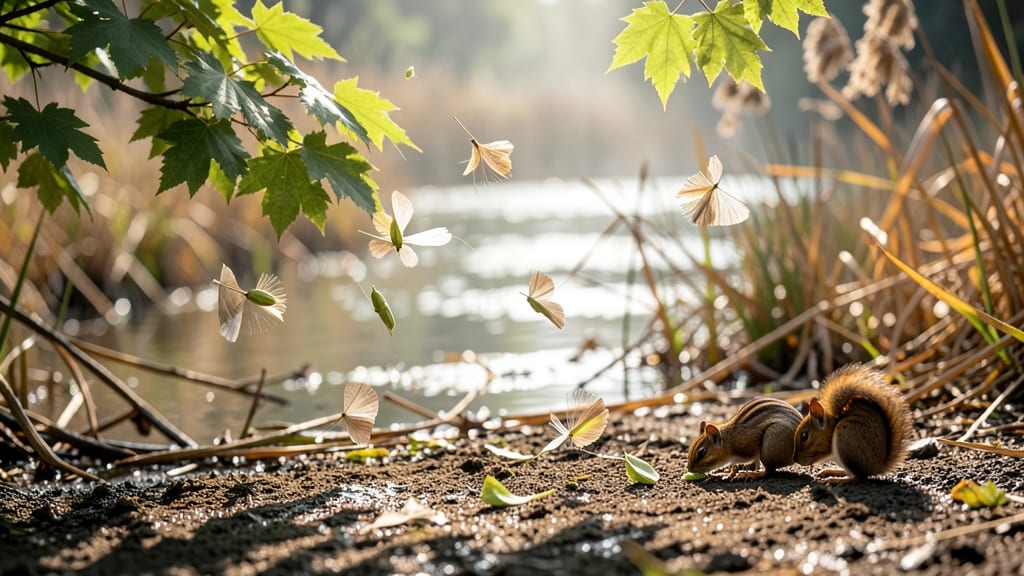
If you're restoring wetlands or creating wildlife habitats, silver maple tree seeds offer one of nature's fastest starts—sprouting in just 7-14 days. Their iconic "helicopter seeds" (samaras) aren't just fun to watch—they're a crucial early food source for birds and small mammals.
Plant these seeds in moist, well-drained soil during early spring or fall, keeping them consistently damp until germination. The trees thrive in full sun to partial shade and develop a distinctive silver underside to their leaves, making them stand out in any landscape. Their rapid growth also helps stabilize soil in erosion-prone areas.
Perfect for conservationists, urban foresters, and wildlife enthusiasts, silver maples deliver both speed and ecological value. 🌱
Siberian Larch Seeds for Cold Climates
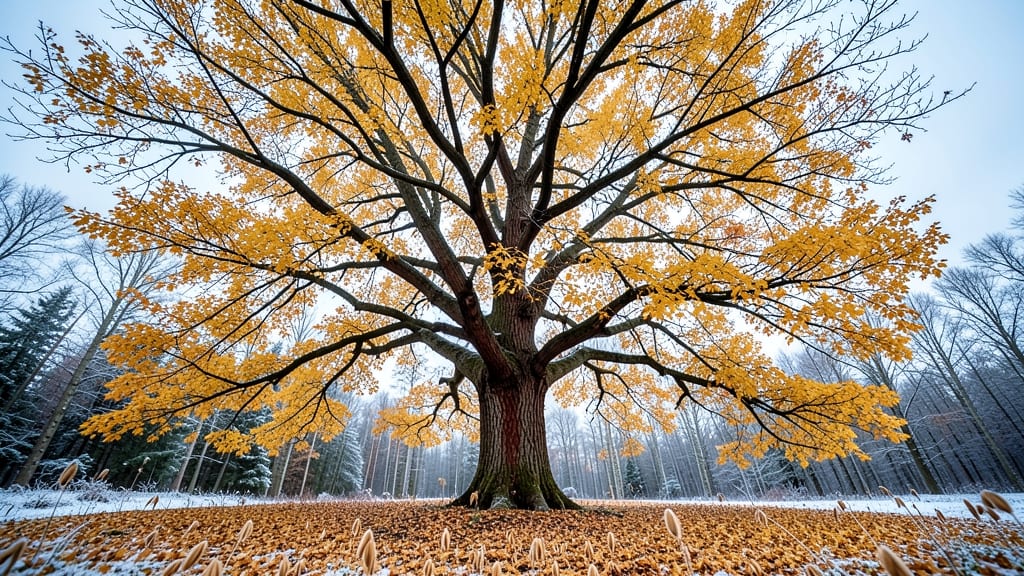
If you're planting trees in USDA Zones 2-5 and need a conifer that thrives in winter, Siberian larch seeds are your best bet. Unlike most evergreens, this deciduous conifer sheds its needles in fall, creating a stunning golden display before regrowing fresh green foliage each spring—year-round visual interest without losing its hardy nature.
Siberian larch seeds germinate quickly in cool soil temperatures (40-50°F), making them ideal for early spring or fall planting. They tolerate poor, rocky soil and drought once established, while their deep roots prevent erosion. For reforestation projects, their fast growth rate (2-3 feet per year) and ability to outcompete weeds make them a standout choice.
Perfect for landowners restoring degraded northern forests or gardeners seeking a low-maintenance, climate-resilient tree, Siberian larch delivers both beauty and function. 🌟
Eastern White Pine Tree Seeds
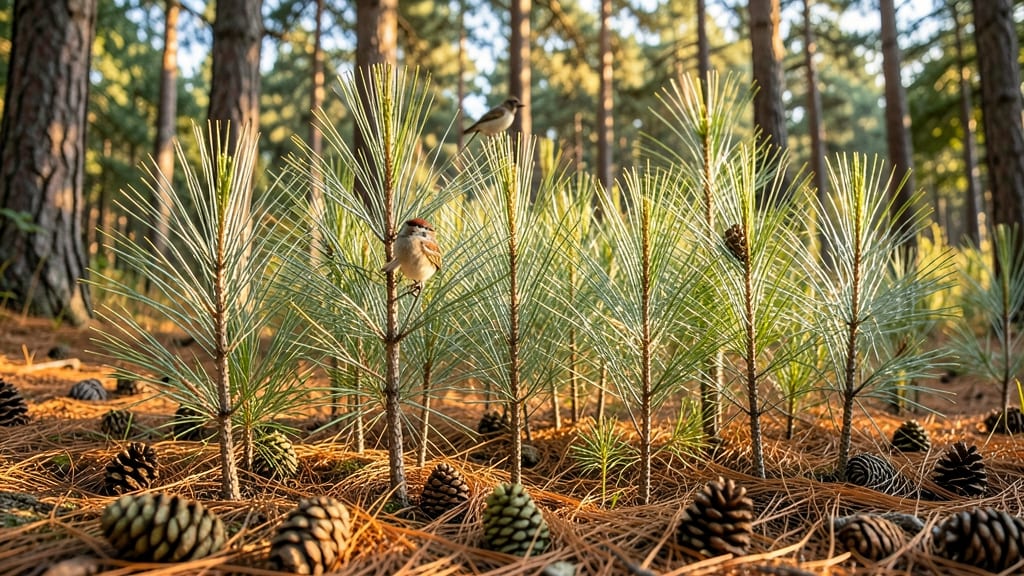
Looking for a native evergreen that thrives with minimal fuss while supporting local wildlife? Eastern white pine seeds deliver 90% germination success—one of the highest rates among native conifers—and establish year-round coverage in just 2-3 years.
These seeds love full sun to partial shade and adapt to a wide range of soils, from sandy loam to rocky terrain. For best results, sow them in early spring or fall at a depth of ¼ inch, keeping the soil consistently moist until germination. Once established, they provide food and shelter for birds, squirrels, and deer, making them a cornerstone for wildlife-friendly gardens.
Perfect for landowners, urban foresters, and homesteaders, this pine offers both beauty and function without the invasive risks of non-native species. 🌿
Black Walnut Tree Seeds for Nut Production
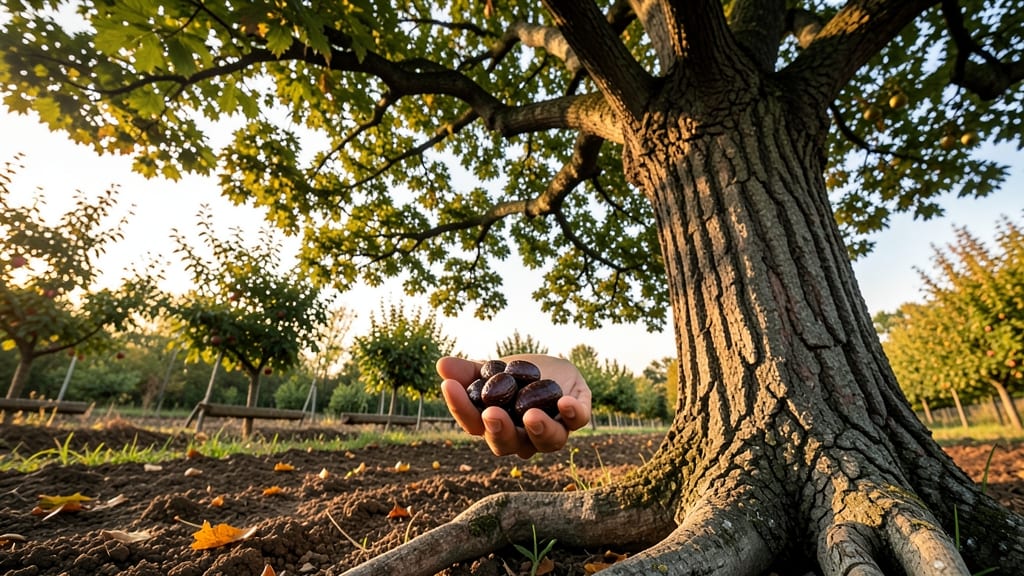
If you're dreaming of a food forest or high-value timber on your property, black walnut tree seeds are your fastest ticket to both—germinating in just 2 weeks and producing nuts in as little as 5-7 years. Unlike slower-growing nut trees, black walnuts deliver dual benefits: edible harvests and premium lumber, making them a powerhouse for sustainable land use.
Start by planting seeds in well-draining, slightly acidic soil (pH 6.0-7.0) with full sun exposure. Black walnuts release juglone, a natural herbicide, so avoid planting them near fruit trees or vegetables. For best results, stratify seeds in moist sand in the fridge for 3 months before sowing in spring. Once established, these trees thrive with moderate watering and occasional mulching to retain moisture.
This hardy species is perfect for homesteaders, permaculture designers, and timber growers looking for a long-term investment. With proper care, you'll enjoy both nutritious harvests and a valuable hardwood resource—all from a seed that sprouts faster than most. 🌟
Willow Tree Seeds for Wetland Restoration
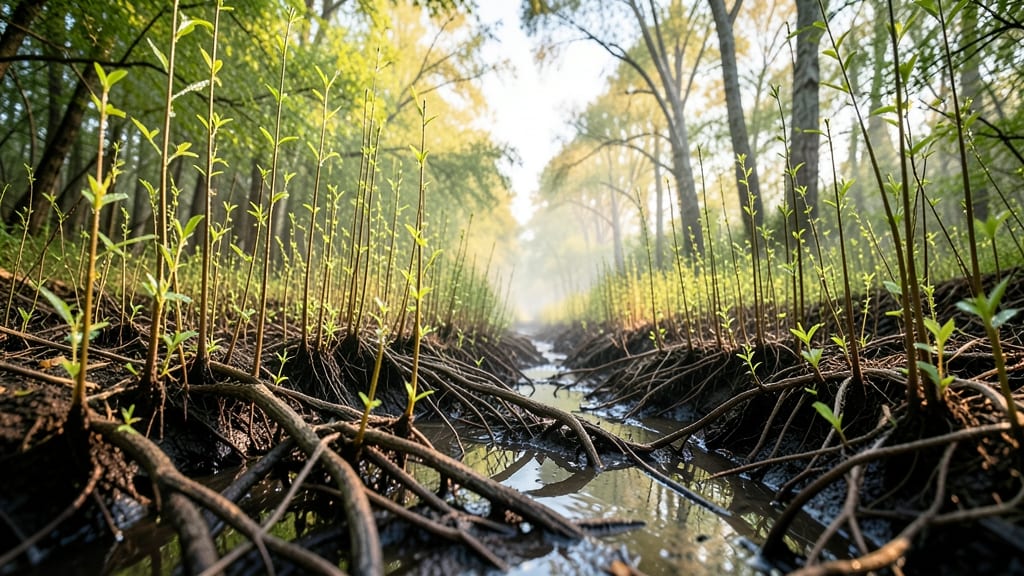
Struggling with soggy soil or eroding waterways? Willow tree seeds are your secret weapon for transforming waterlogged areas into thriving ecosystems. With a 95% germination rate, they sprout faster than most tree species and create dense root systems that stabilize shorelines within months.
These seeds thrive in saturated soils and floodplains, making them ideal for restoring wetlands or creating natural buffers along streams. Plant them in early spring or fall, scattering seeds lightly over moist soil—no need for deep planting. Within weeks, you’ll see vibrant green shoots that attract birds for nesting, while their flexible branches provide wind protection and wildlife corridors.
Perfect for conservationists, landowners with wet areas, or anyone wanting to boost local biodiversity, willow seeds turn problem zones into productive habitats. 🌿
Sweetgum Tree Seeds with Unique Germination
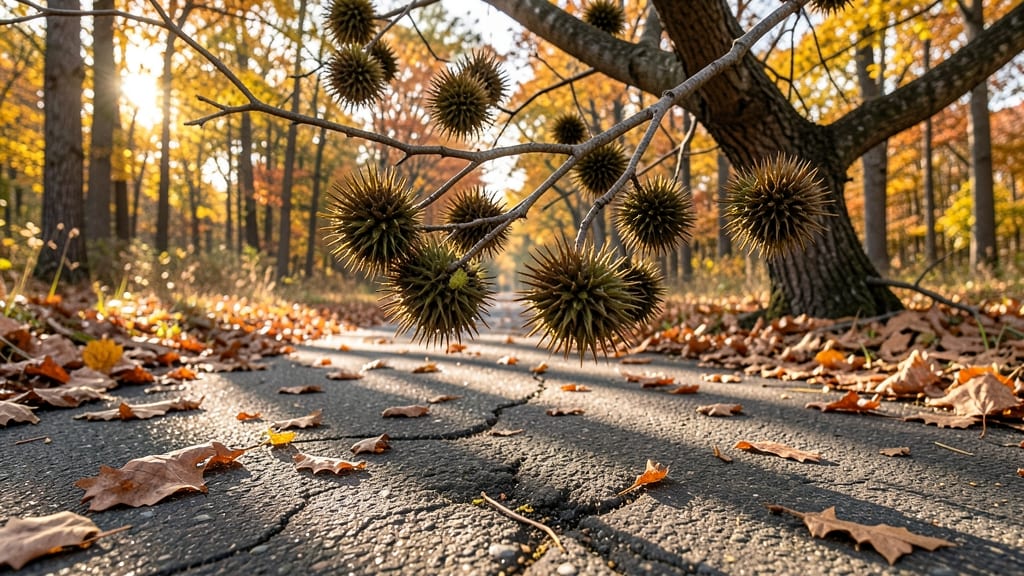
If you've ever walked through a park in autumn and crunched on those iconic spiky seed balls, you've met the sweetgum tree in its most recognizable form. These distinctive "gumballs" aren't just visually striking—they're nature's way of quickly reclaiming disturbed urban soils while delivering vibrant fall color.
Sweetgum seeds germinate with remarkable speed in compacted or disturbed soils, making them ideal for urban reforestation projects. The spiky seed balls contain multiple seeds that sprout within 2-4 weeks when planted in well-drained soil with partial sun. Once established, these trees develop stunning red, orange, and purple foliage in autumn, providing year-round interest with their distinctive bark and star-shaped leaves.
Perfect for city planners, eco-conscious gardeners, and anyone looking to restore native ecosystems, sweetgum trees thrive in both urban and rural settings. Their fast germination and adaptability make them a standout choice for quick environmental impact. 🌻
Red Oak Acorns for Long-Term Forestry
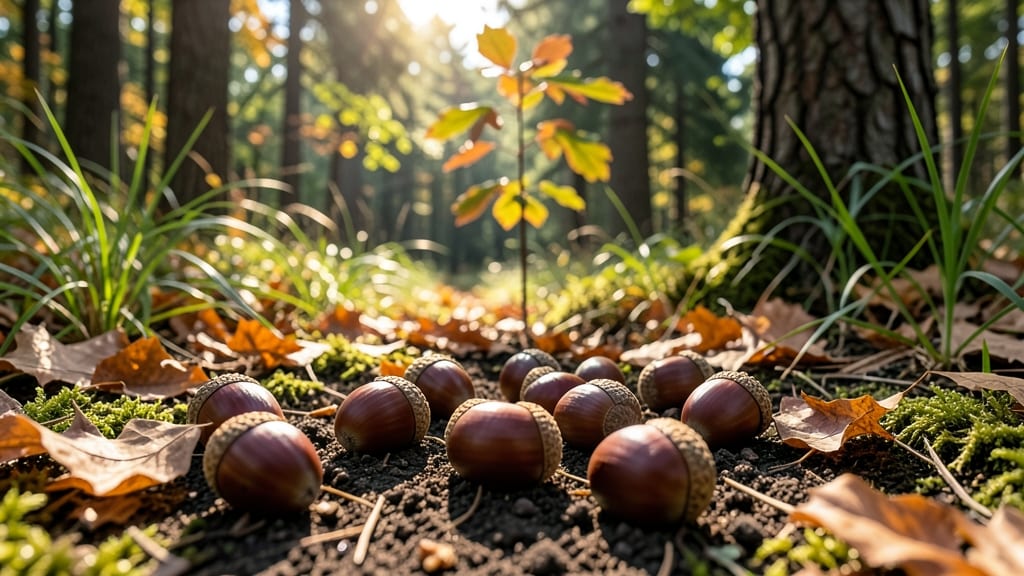
Looking for a tree that delivers both sustainable timber and wildlife benefits? Red oak acorns are your answer—they germinate in just 30 days and grow into sturdy, long-lived hardwoods that support ecosystems for decades.
Plant acorns in well-drained soil during fall or early spring, keeping them moist but not soggy. Young saplings thrive in full sun and tolerate drought once established. Their durable wood is prized for furniture and flooring, while the trees provide acorns for squirrels, deer, and birds year after year.
Perfect for landowners, foresters, and wildlife enthusiasts, red oaks offer a low-maintenance, high-reward investment in both nature and timber. 🌟
Paulownia Seeds for Giant Growth Potential
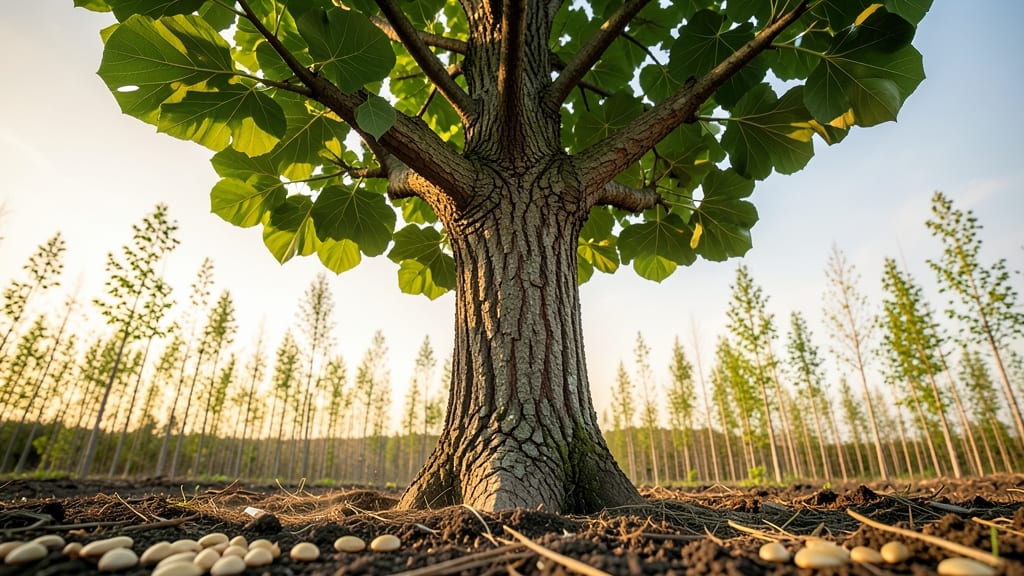
If you're dreaming of a windbreak that grows in months instead of years, paulownia seeds are your secret weapon. This hardwood giant shoots up 3-6 feet annually, outpacing even the fastest poplars—making it perfect for farmers, homesteaders, or anyone needing quick biomass production.
Plant seeds in well-drained soil with full sun, and expect germination within 2-4 weeks. The trees develop massive root systems that stabilize soil while their rapid growth creates instant privacy barriers. Harvest wood as early as 5-7 years for furniture, construction, or biofuel—all from a seed you could hold in your palm.
Ideal for urban farms or rural properties with wind exposure, paulownia delivers sustainable results without decades of waiting. Just be prepared for their giant size—these aren’t shrubs! 🌟
Bald Cypress Knees for Wetlands

Transform soggy backyards or marginal lands into thriving wetlands with bald cypress knees—the tree's iconic root structures that thrive in flooded conditions. Unlike most trees that drown in standing water, these seeds boast an 80% germination rate even when submerged, making them ideal for swamp restoration or creating natural water gardens.
Plant seeds in saturated soil during spring or early summer, burying them just ½ inch deep. The trees develop their signature knees as they adapt to waterlogged environments, providing both structural interest and habitat for amphibians. Once established, bald cypress offers year-round greenery and golden autumn foliage, perfect for low-maintenance wetland ecosystems.
This species is especially valuable for conservationists and homeowners with waterlogged properties, offering both ecological benefits and striking landscape features. 🌿